
Last updated November 17, 2026
 AC repair
 Furnace & heating
 Heat pumps
 Ductless mini splits
 Carrier
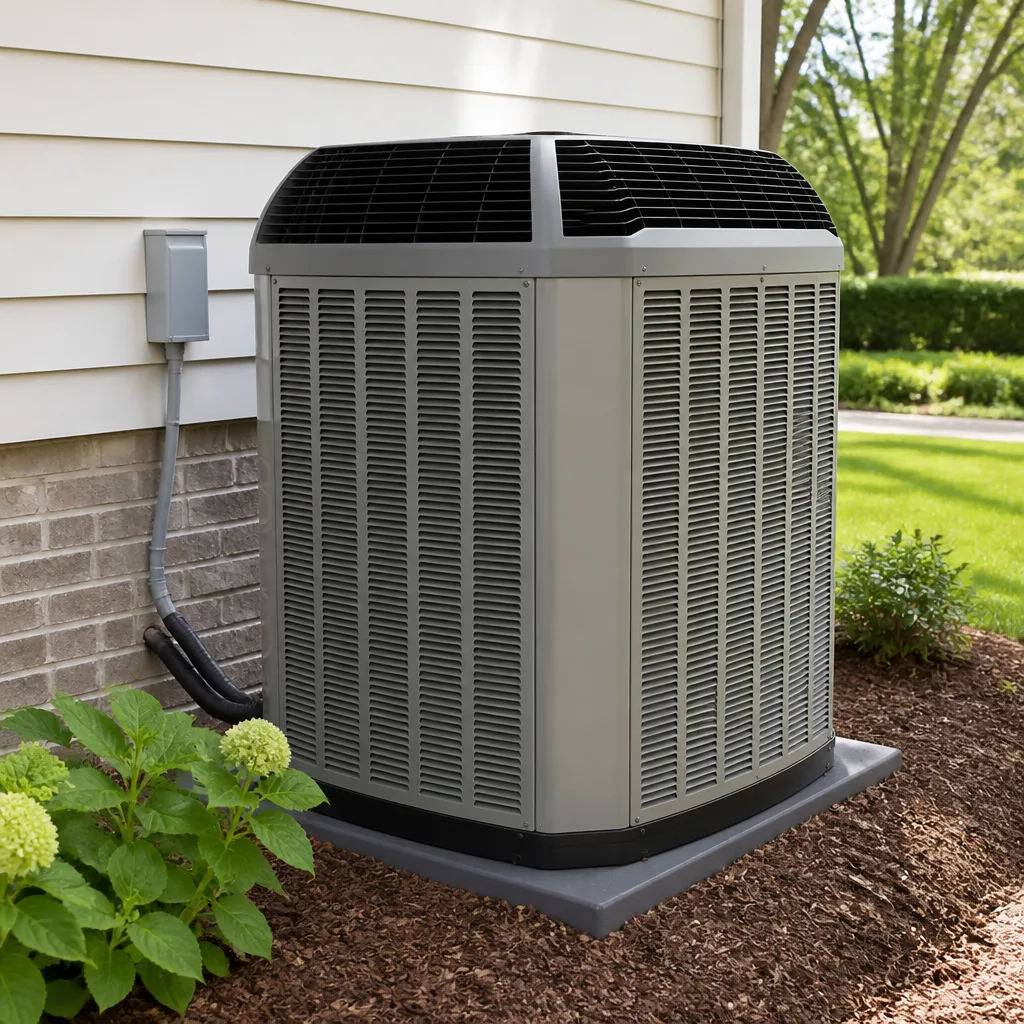 Trane
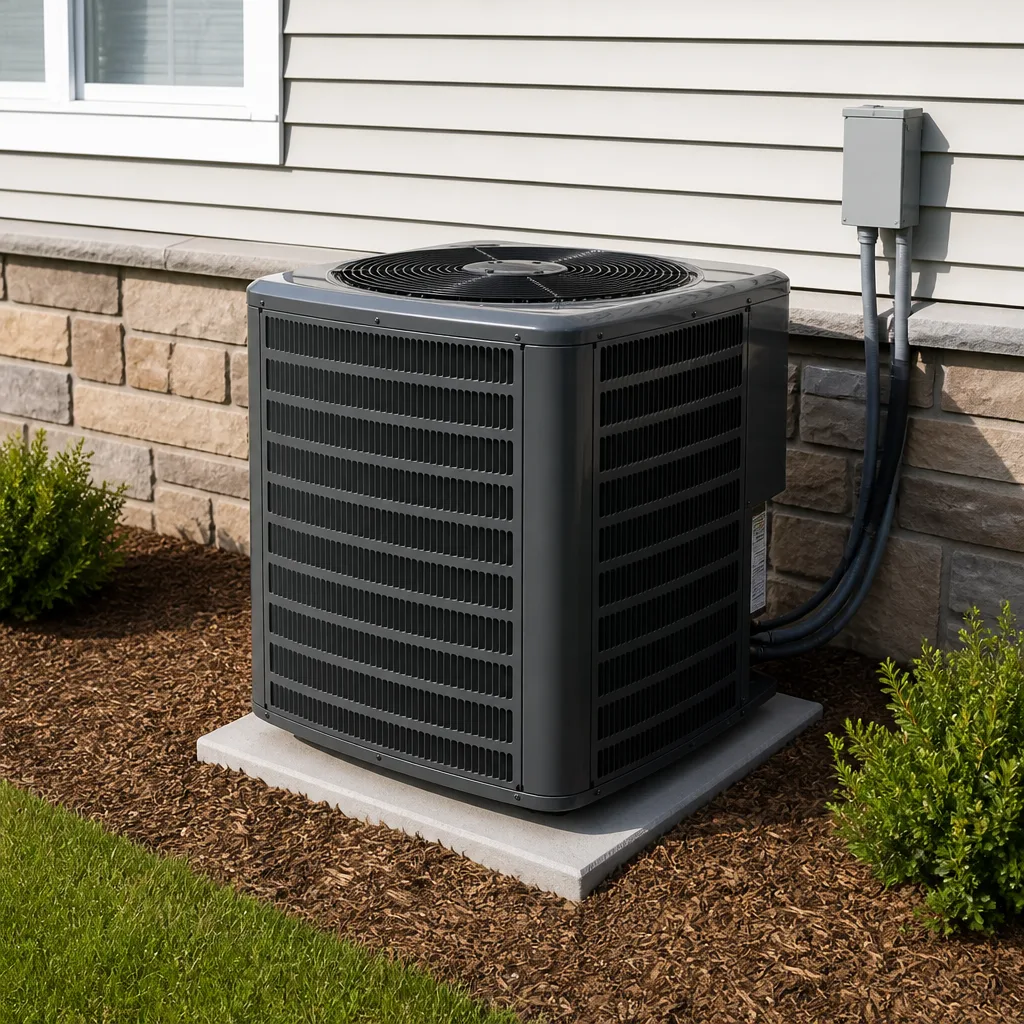 Goodman
Seasonal tune-up and full diagnostic on your Carrier, Trane, or Goodman system - readings shown to you before any repair is proposed
Diagnosis first, numbers second - you approve the repair price before a single part goes in.
Get your free estimateAC Repair Maintenance Checklist for Enterprise Homeowners
Enterprise tap water runs hard enough that mineral scale can start narrowing a condensate line inside a single cooling season. That line is one of the first things a generic maintenance checklist ignores, and one of the first things that fails here. Add fine desert particulate blowing off undeveloped lots and 115°F operating days, and the equipment in an Enterprise home is working under conditions most checklists weren’t written for. This guide covers the checks that actually matter in Enterprise, the readings a technician should document, and how to read a completed checklist so you know what was skipped.
Quick Answer
A complete AC maintenance checklist for an Enterprise home covers the condensate line (flush and scale test), filter inspection tied to local dust events rather than a fixed 90-day calendar, documented capacitor and contactor readings, outdoor coil cleaning and fin straightening for silica and caliche dust, refrigerant and electrical checks, and a written report of every reading. Skipping the condensate and coil items is the most common path from a small tune-up bill to a compressor replacement.
Styles & brands we work with
- AC repair
- Furnace & heating
- Heat pumps
- Ductless mini splits
- Carrier
- Trane
- Goodman
Table of Contents
- Why the Condensate Line Fails First in Enterprise
- Filter Inspection Protocol for Enterprise Dust Season
- Capacitor and Contactor Checks: What Real Readings Look Like
- Outdoor Coil Cleaning and Fin Straightening for Desert Dust
- Refrigerant and Airflow Checks
- The Full 14-Point Checklist
- How to Review a Completed Checklist
- Common Mistakes to Avoid
Why the Condensate Line Fails First in Enterprise
Your air conditioner pulls moisture out of the air and drains it through a small PVC line, usually three-quarters of an inch. Most homeowner checklists say “check the drain line” and stop there. In Enterprise, that’s not enough. Local water carries a high mineral load, and when it sits in the line between cooling cycles it leaves scale on the inside wall. That scale narrows the pipe the way cholesterol narrows an artery, season after season, until one hot July day the line clogs, the drain pan overflows, and water finds the ceiling below.
A technician who knows this market tests the line rather than glancing at it. Here’s what a proper condensate service looks like:
- Pour-test the line. A measured amount of water goes into the pan or cleanout, and the technician confirms how fast it drains. A slow drain is a clog forming.
- Flush with a scale-dissolving solution. Vinegar will slow buildup but doesn’t cut established mineral scale in hard water. A proper flush uses a solution made for scale, followed by a clean water rinse so the solution doesn’t sit in the line.
- Check the trap and the pan. The trap should hold water and the pan should be dry. Any standing water is a warning sign.
- Set a re-inspection interval. For Enterprise homes, we recommend a mid-season flush partway through summer rather than a single spring visit, because scale accumulates faster here than a once-a-year schedule accounts for.
If your system sits in an attic or above a finished ceiling, this check matters even more. Water damage from a clogged line often costs more than the maintenance visit by a wide margin. For the repair side of this work, our AC Repair in Enterprise page covers what a clogged drain means for your system.
Filter Inspection Protocol for Enterprise Dust Season
The standard “change your filter every 90 days” advice was written for a climate with regular rain and moderate particulate. Enterprise isn’t that. Fine dust from construction and bare desert ground moves through the air on wind events, and a filter that looks clean in March can load up in three weeks in a windy stretch. A fixed calendar doesn’t track that.
A visual inspection protocol works better. The idea is simple: check the filter against what’s actually happened in the air since you last looked.
- Check within a few days of any significant wind event. Dust storms and high-wind days push particulate into return grilles fast.
- Check after nearby construction activity. New builds and lot grading around newer Enterprise neighborhoods throw off silica dust for weeks at a time.
- Hold the filter up to a light. If you can’t see light through it, it’s loaded, no matter what the calendar says.
- Check both sides. A filter can look fine on the intake face and be packed on the back.
- Match the filter to the system. A high-MERV filter in a system not designed for it restricts airflow and costs you efficiency. A technician can tell you the right rating for a Carrier, Trane, or Lennox unit, and they vary by model.
In our experience across Enterprise, homeowners who switch from a calendar reminder to a visual inspection catch a loaded filter before it stresses the blower. That single habit prevents a share of the airflow problems that turn into repair calls. Our AC Maintenance in Enterprise page walks through filter sizing and the rest of the seasonal tune-up.
Capacitor and Contactor Checks: What Real Readings Look Like
Two small electrical parts cause a large share of summer breakdowns: the capacitor and the contactor. The capacitor gives the compressor and fan motor the jolt of energy they need to start. The contactor is the switch that sends power to the outdoor unit. Both wear out quietly.
Here’s where a lot of checklists fall short. They list “inspect capacitor and contactor” with a checkbox, and the technician ticks the box without writing anything down. That checkbox tells you nothing. A real check documents numbers, because electrical parts give warnings before they fail.
What a documented capacitor check includes:
- Microfarad (µF) reading. The capacitor is rated in microfarads, and a technician should write down the reading next to the rating stamped on the part. A capacitor that has drifted well below its rating is on its way out even if the system is running.
- Visual check for bulging or leaking. A swollen capacitor is failing.
- Both the start and run capacitors if the system has both, measured and recorded separately.
For the contactor, the technician should look at the pitted metal contacts inside. Contacts burn and pit over time from the arc each time the unit cycles. In a climate where a system might cycle thousands of times a summer, that wear adds up. A pitted contactor can cause intermittent shutdowns that are hard to diagnose later.
This is genuinely dangerous work. Capacitors store a charge after power is cut, and testing them or reaching into the electrical panel is a job for a trained technician. We don’t recommend homeowners open the electrical panel or handle these parts. The value of the check is the readings on paper, not a do-it-yourself project.
Outdoor Coil Cleaning and Fin Straightening for Desert Dust
Your outdoor condenser coil is a grid of thin aluminum fins wrapped around copper tubing. Air passes through the fins, and heat leaves the refrigerant as it does. When the fins clog or bend flat, air can’t pass, and the system runs hotter and less efficiently. In Enterprise, two local conditions attack that coil: fine silica dust and the caliche common in undeveloped lots.
Caliche is the hard, mineral-cemented soil layer common in desert ground. When it’s disturbed by grading or construction, it contributes fine, abrasive dust that coats coil fins. Silica dust from bare ground does the same. Left on the coil, this dust acts like insulation, trapping heat the coil is supposed to release, and it can corrode the aluminum over time.
Proper outdoor coil service in this market looks like this:
- Power down the unit and clear debris from around the cabinet. Keep a clear zone for airflow.
- Clean the fins from the inside out with a coil-safe cleaner and water, so dust and debris push out rather than deeper in. A garden hose at moderate pressure works; high pressure can flatten fins.
- Straighten bent fins with a fin comb. Dust and contact bend fins over time, and straighter fins mean better heat transfer.
- Clear the cabinet and pads. Check for cottonwood, leaf litter, or caliche dust packed into the base.
Units sitting near bare lots or active construction need this more often than a standard annual visit accounts for. If you can see dust buildup between visits, your coil needs attention sooner. For systems needing repair beyond maintenance, see our Furnace Repair in Enterprise page for the heating season counterpart to this routine.
Refrigerant and Airflow Checks
Refrigerant recharge is the trade term for refilling the fluid that moves heat out of your home. Here’s the part many homeowners don’t hear: a sealed system doesn’t use up refrigerant over time. If a system is low, it’s leaking. Topping it off without finding the leak just delays the problem and wastes money.
During a proper maintenance visit, the technician measures refrigerant charge against the manufacturer’s spec, checks the superheat and subcool readings, and inspects for signs of a leak at the fittings and Schrader valves. If the charge is out of spec, the right next step is a leak search, not just a refill.
Airflow is the other half. A technician checks the temperature difference between the return air and the supply air, inspects the blower wheel for dust buildup, and confirms the static pressure isn’t choking the system. A dirty blower wheel is common in dusty markets and quietly robs efficiency. These readings should be written down, not just observed, so you have a baseline for next year.
The Full 14-Point Checklist
This is the list we’d want a technician to complete and document for any Enterprise home. It’s more than a generic tune-up, and it reflects the failure points local conditions create.
- Filter condition checked visually and noted against recent dust activity
- Condensate line poured, flushed with a scale-dissolving solution, tested for drain speed
- Condensate pan and trap checked for standing water
- Capacitor microfarad readings recorded next to rated values (start and run, if both)
- Contactor inspected for pitting and wear
- Outdoor coil cleaned inside out and fins combed straight
- Outdoor cabinet and base cleared of dust and debris
- Refrigerant charge measured and compared to spec
- Leak signs checked at fittings and valves
- Blower wheel inspected for dust buildup
- Temperature split between return and supply recorded
- Static pressure checked
- Thermostat calibration confirmed
- Written report of all readings handed to the homeowner
Notice how many items are readings, not checkmarks. Those are the ones that protect you. Our technicians train on this list and stay to document it fully.
How to Review a Completed Checklist
Once a technician finishes, you hold a piece of paper. The question is whether it tells the truth about what happened. Here are the three items most commonly left blank or marked “inspected” without a number, and what to look for.
- Capacitor readings. Look for actual microfarad numbers next to rated values. A blank or a checked box means the part wasn’t tested with a meter.
- Condensate flush and drain test. Look for a note on drain speed and the flush solution used. A generic “drain line OK” tells you nothing about mineral scale.
- Temperature split. Look for the two temperatures (return and supply) and the difference. No numbers means no measurement.
There’s also a broader point about who’s coming to your home. Maintenance visits put a technician inside for an hour or more, and many homeowners want to know exactly who that person is before they knock. Brandt HVAC sends technicians who are background-checked and identity-verified, introduced to you by name and photo before arrival, with a photo ID badge shown at the door. If anyone arrives who you weren’t told to expect, that visit is on us.
Every repair we complete includes a written guarantee, and a return visit is free of charge if the repair fails during the covered period under our 365-Day Done Right Promise. Every job also starts with a written price before any work begins, so you know the cost before the technician picks up a tool.
Common Mistakes to Avoid
- Trusting a “change every 90 days” filter rule in a dusty market. In Enterprise, filters can load up in weeks around wind events and construction. Check visually, not by the calendar.
- Topping off refrigerant without a leak search. A sealed system that’s low has a leak. A refill without a leak search just buys time.
- Skipping the condensate flush because the drain “looks fine.” Hard water scale builds on the inside of the line where you can’t see it. Test drain speed, don’t eyeball the pipe.
- Accepting a checklist full of checkmarks with no readings. Capacitor, temperature split, and static pressure are numbers. Ask for them.
- Pressure-washing the outdoor coil. High pressure flattens fins and hurts efficiency. A moderate hose rinse and fin comb work better, especially with fine caliche dust.
- Ignoring the coil when a bare lot is nearby. Dust from undeveloped lots around newer Enterprise neighborhoods coats coils faster than a once-a-year schedule accounts for.
- DIY-ing electrical parts. Capacitors hold a charge after power is cut, and the electrical panel is not a homeowner project. This is a job for a trained technician.
See the difference
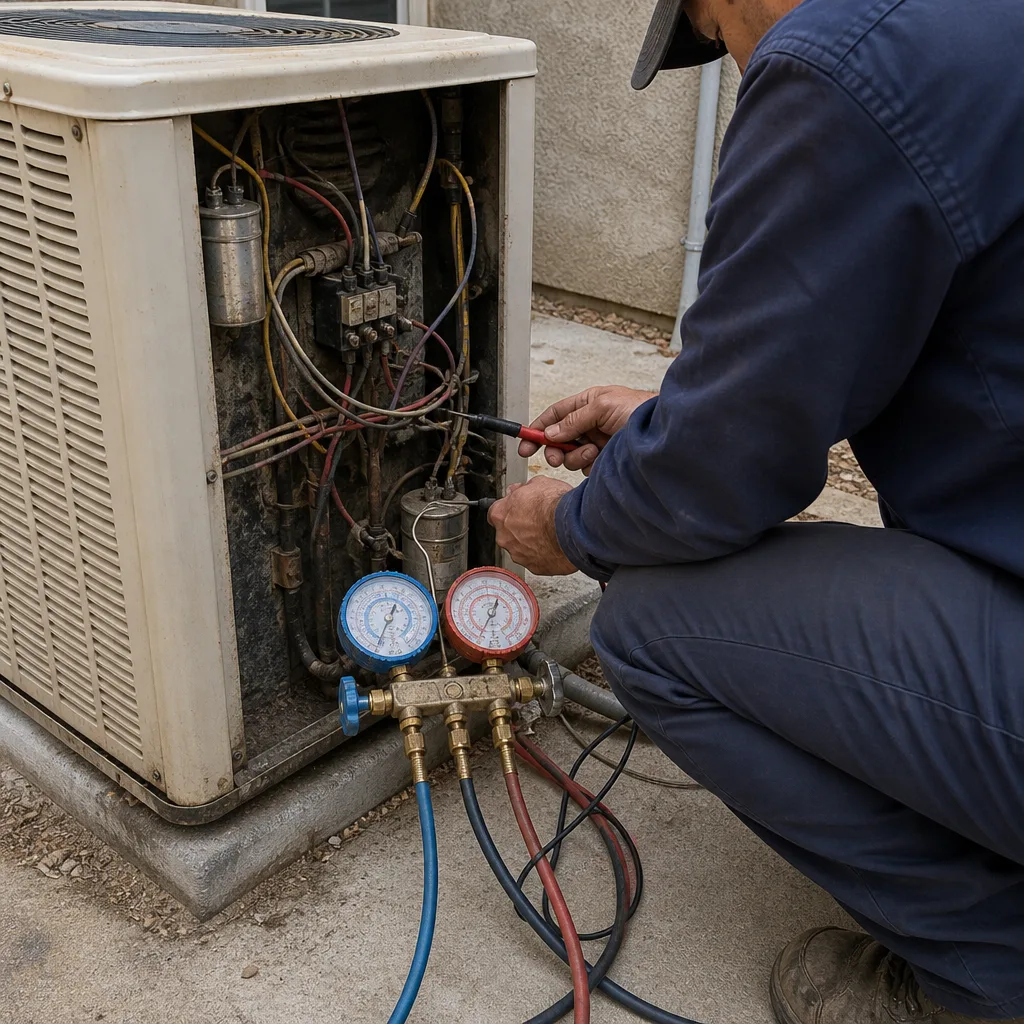 Before
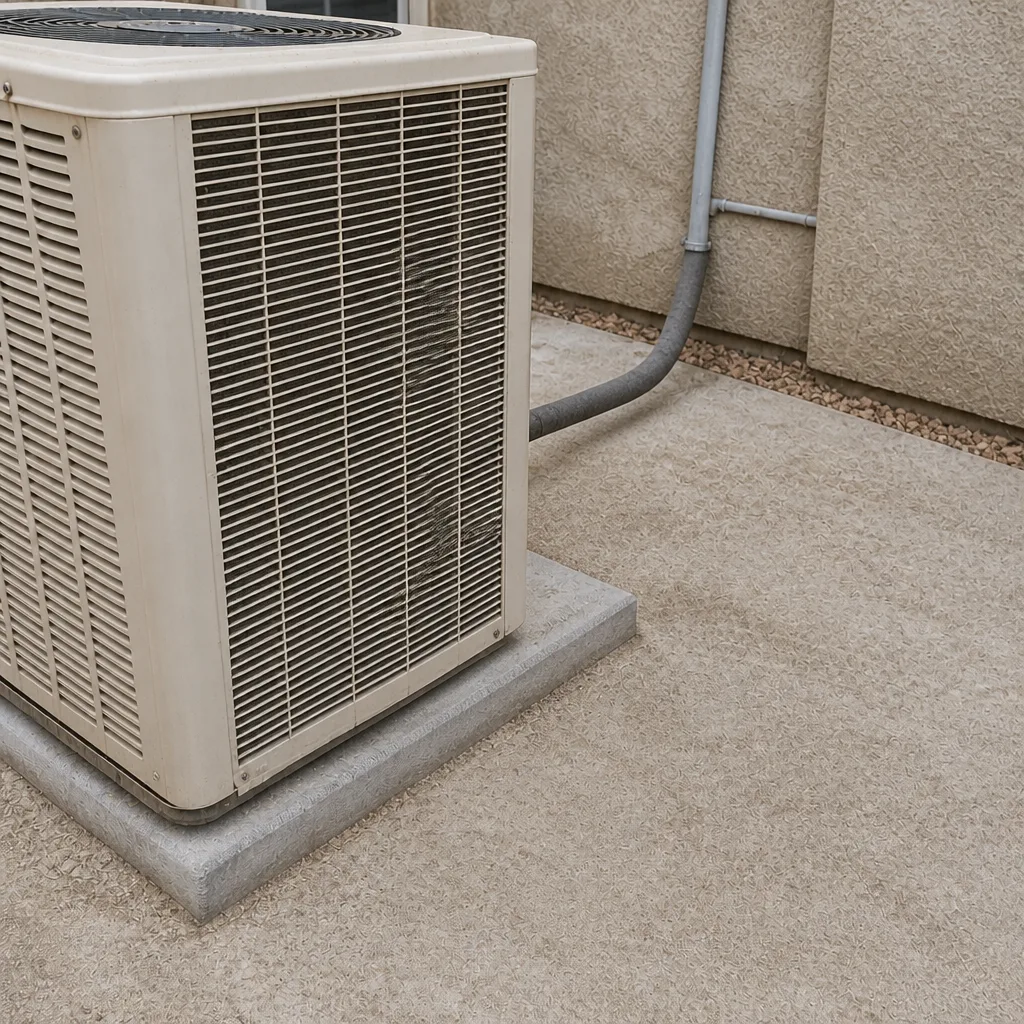 After
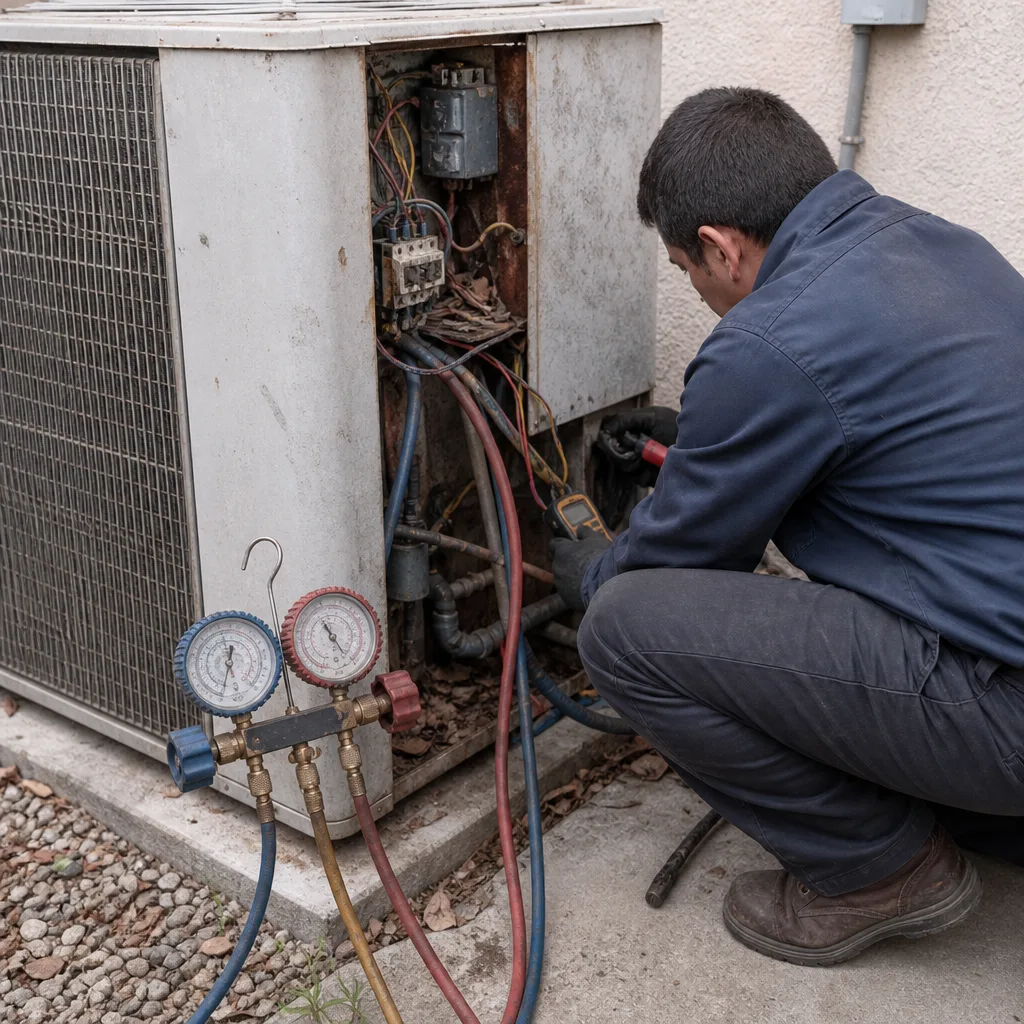 Before
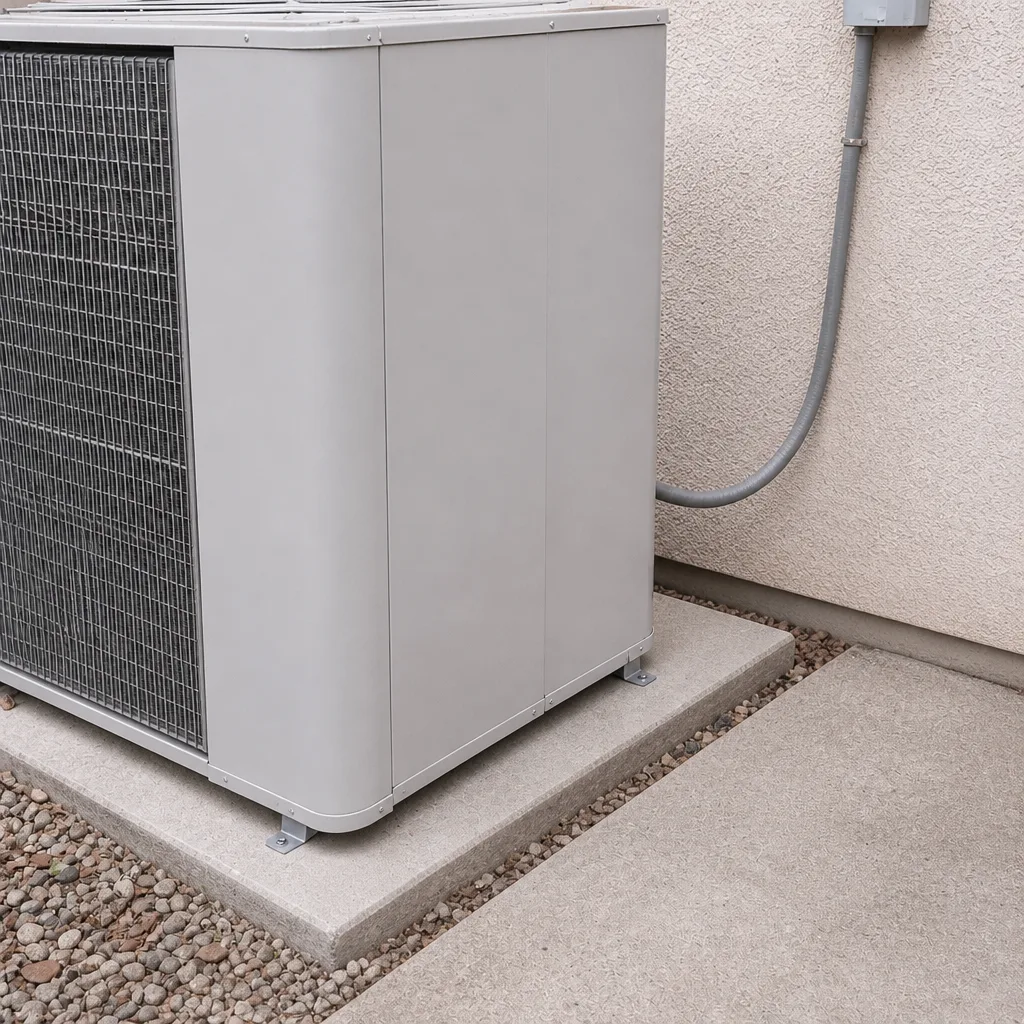 After
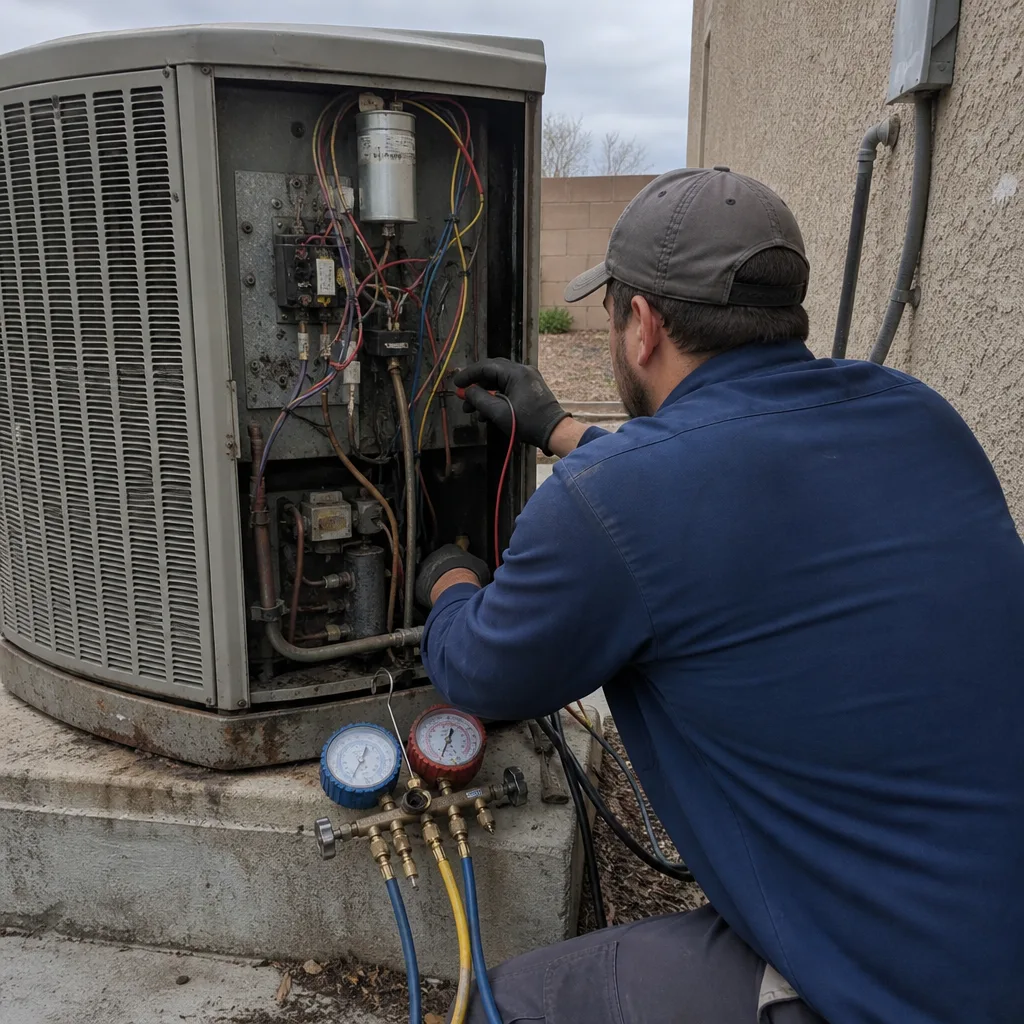 Before
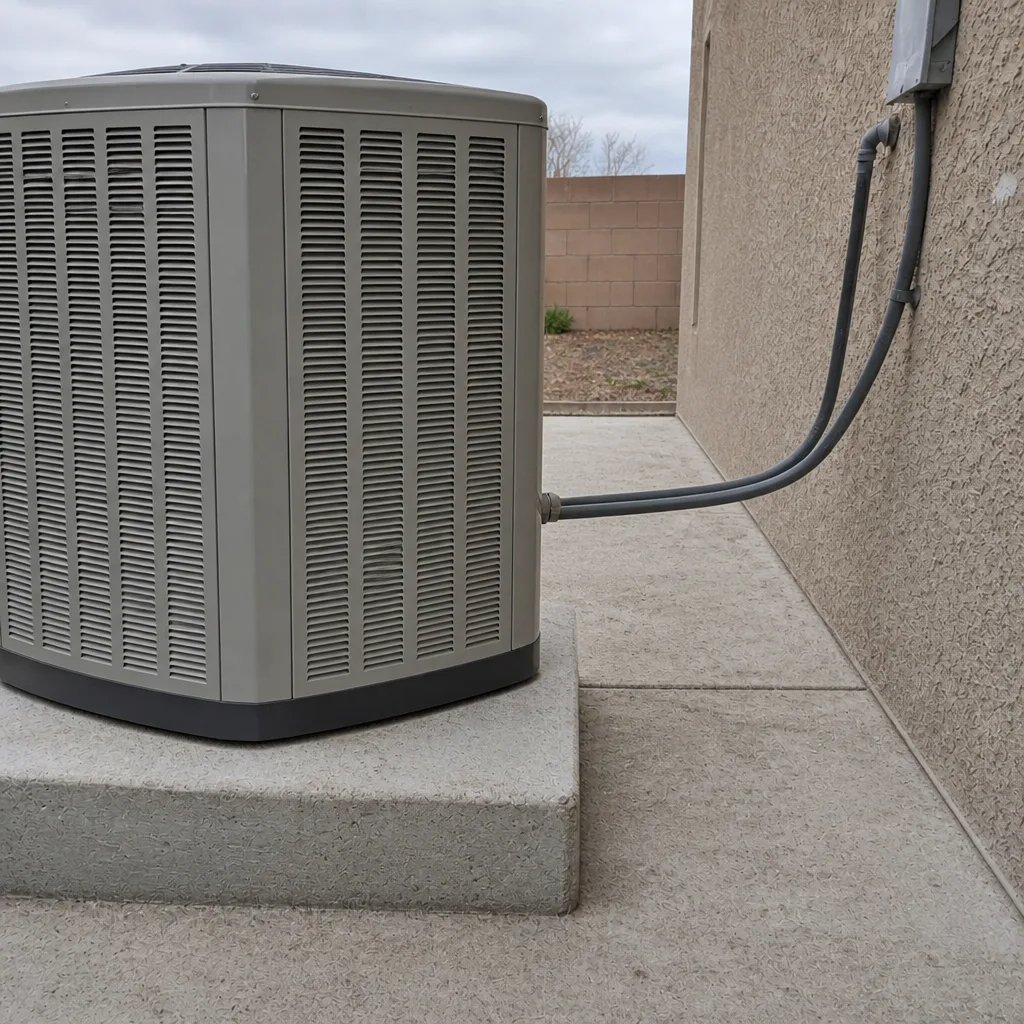 After
When to Call a Professional
Some tasks on this list are yours to handle: checking the filter visually, keeping the outdoor unit clear of debris, watching for water near the drain pan. Many others are not. Anything involving the electrical panel, capacitors, contactors, or refrigerant is a job for a trained technician, both for safety and because those checks require meters and specs a homeowner doesn’t have.
Call a professional if you see water near the indoor unit, hear the outdoor unit cycling on and off, notice the system running longer than it used to, or find a filter that loads up faster than it should. In our experience, these signals often point to a failing part or a clogged line that a maintenance visit catches before a bigger repair does. Brandt HVAC Enterprise offers free estimates in Enterprise – call (844) 797-9490.
Frequently Asked Questions
Twice a year works best in Enterprise, with one visit before the cooling season and one mid-season flush for the condensate line, because hard local water and desert dust stress equipment faster than a single annual tune-up accounts for.
Enterprise’s water carries a high mineral load, and that scale accumulates on the inside wall of the condensate line within a single season. A scale-dissolving flush and a drain-speed test catch it before it overflows.
Yes. A capacitor is rated in microfarads, and the technician should record the actual reading next to the rated value. A blank or a checked box means the part wasn’t tested with a meter.
We call to schedule a visit as soon as we can, and if a repair fails within the guarantee period, a return visit is provided free of charge under our 365-Day Done Right Promise. Call (844) 797-9490 for an exact quote – estimates are free.
You’ll see a written price before any work begins, on every job, and that price covers the full checklist and written report of readings. Call (844) 797-9490 for a free estimate specific to your system.
Rebate and financing options vary by system and location, and a technician can walk you through what applies to your unit. Our technicians have up to 23 years of experience and can explain the options in plain terms. Call (844) 797-9490 for details.
The Bottom Line
A maintenance checklist built for a generic home misses what breaks first in Enterprise. Hard water scales the condensate line, desert dust loads filters faster than a calendar can track, caliche and silica dust coat outdoor coils, and capacitors and contactors wear quietly through long hot seasons. The items that protect your system are the ones that produce readings: drain speed, microfarad values, temperature splits, refrigerant charge. Demand those numbers and ask who’s coming to your door before you open it. Brandt HVAC Enterprise handles the full checklist and hands you a written report. Explore our main Brandt HVAC Enterprise home for the rest of our services.
Ready to schedule? Call (844) 797-9490 for a free estimate.
Written by the team at Brandt HVAC Enterprise.