
Last updated November 17, 2026
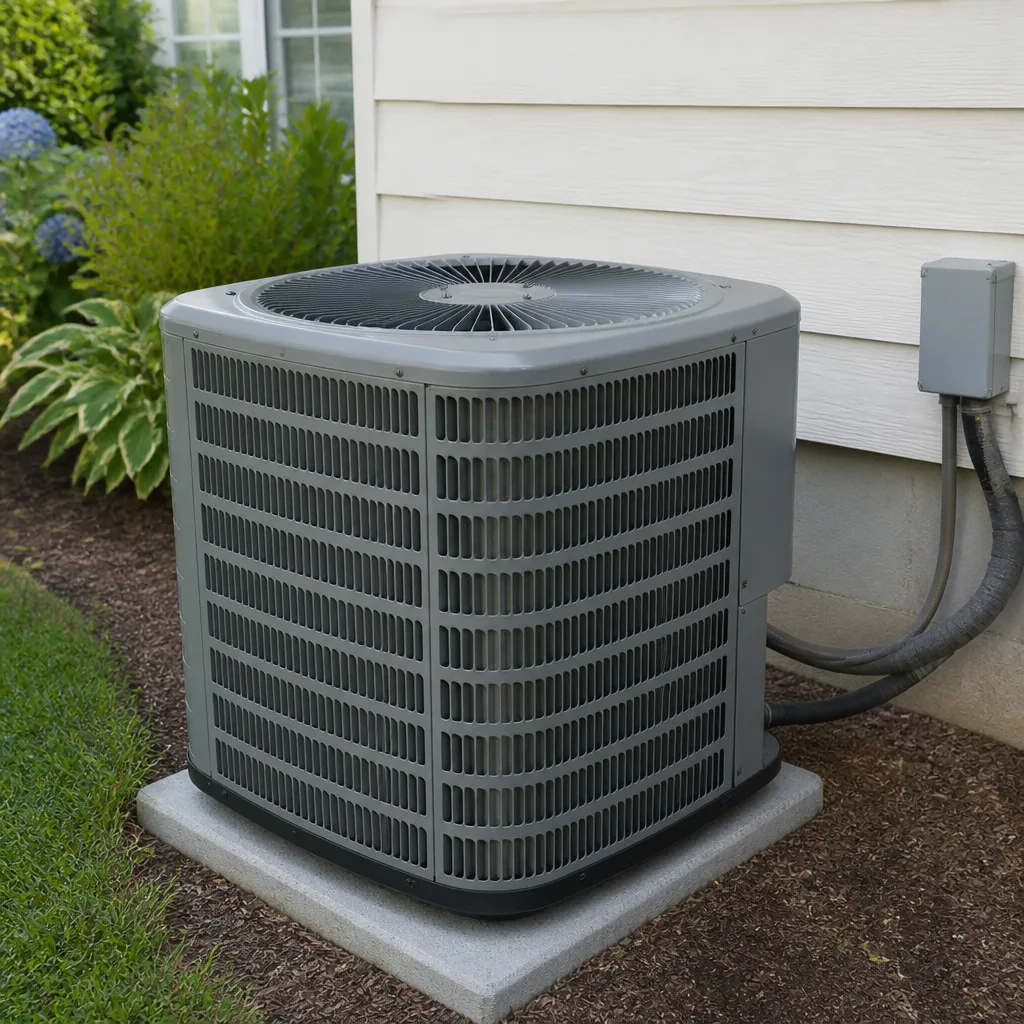 AC repair
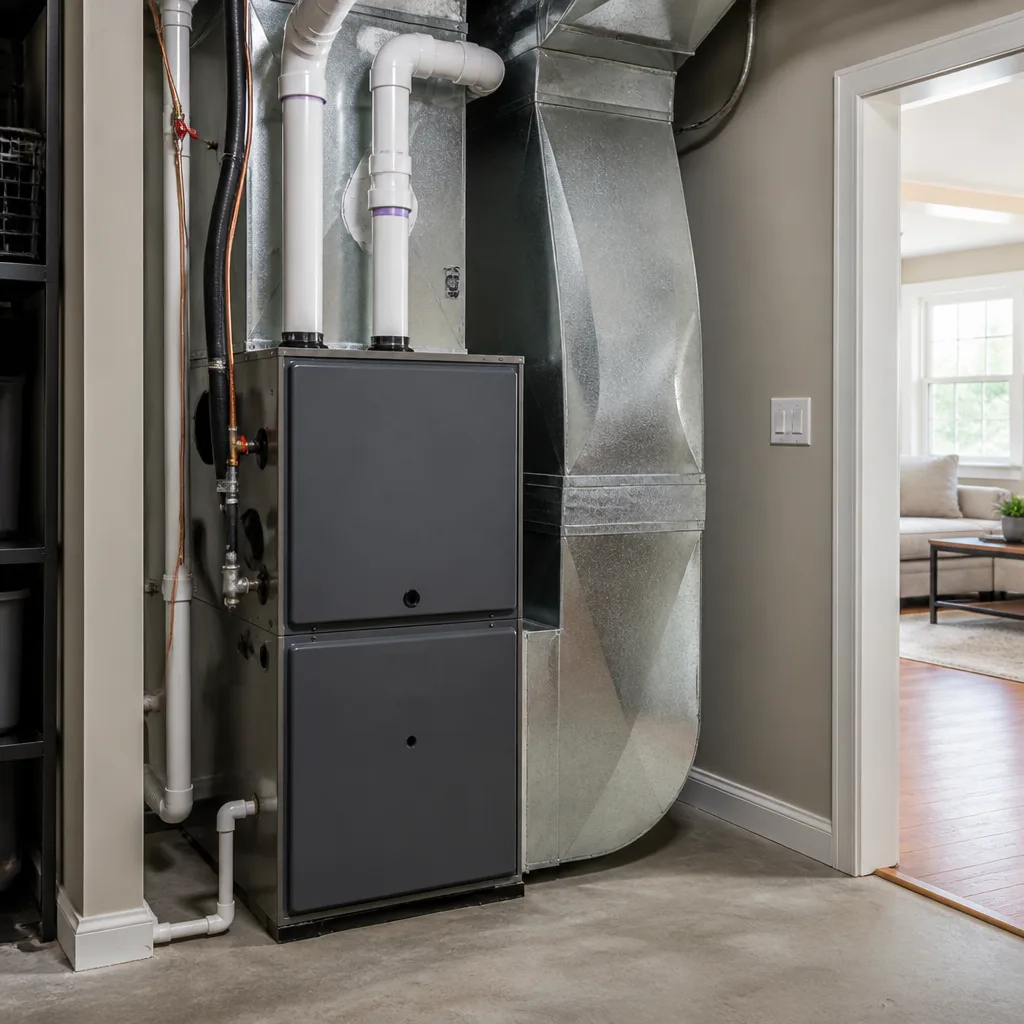 Furnace & heating
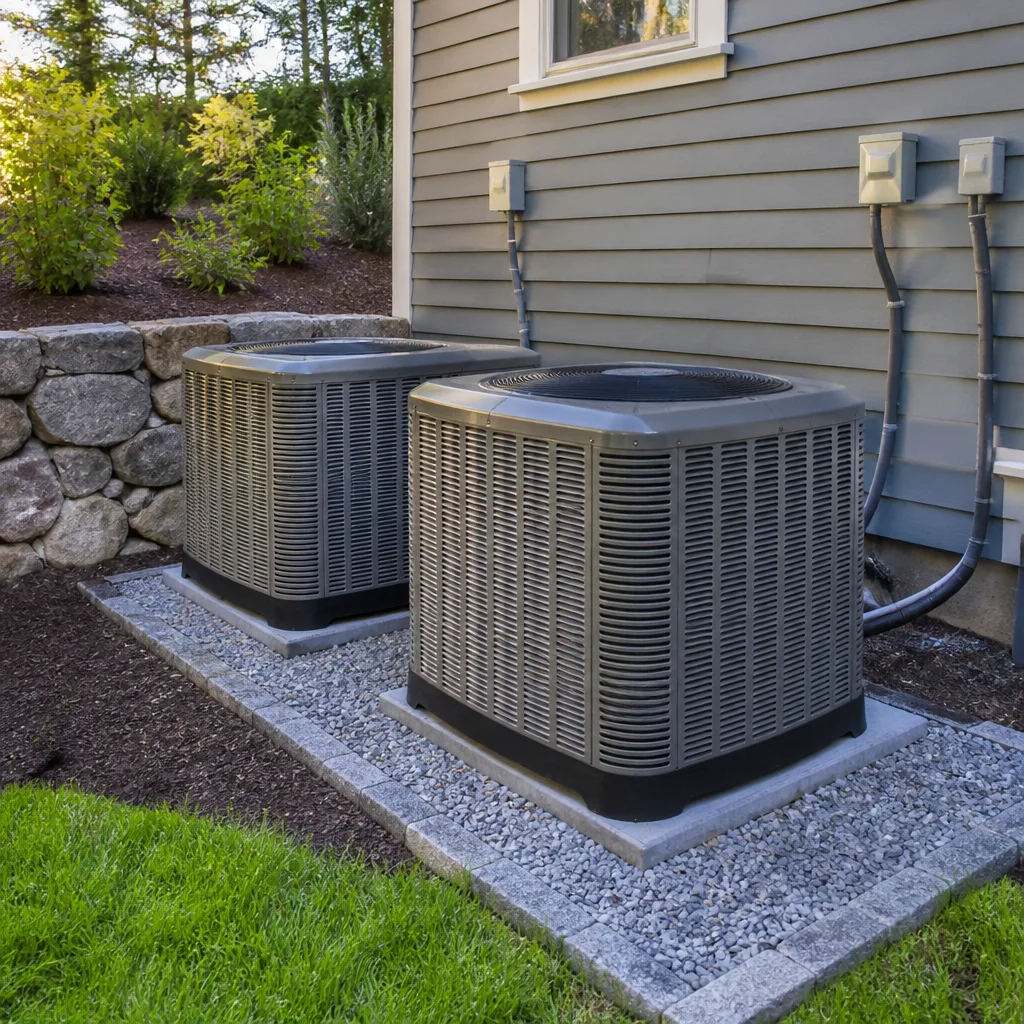 Heat pumps
 Ductless mini splits
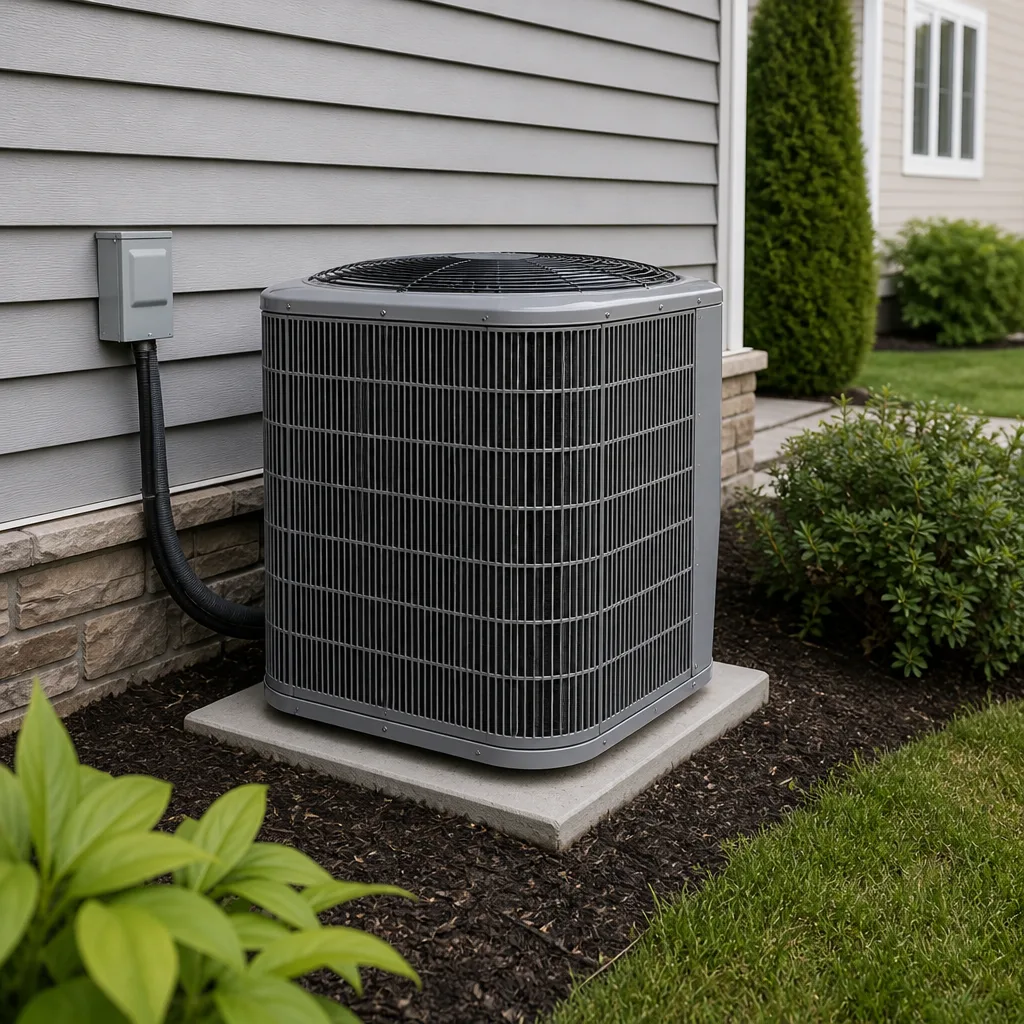 Carrier
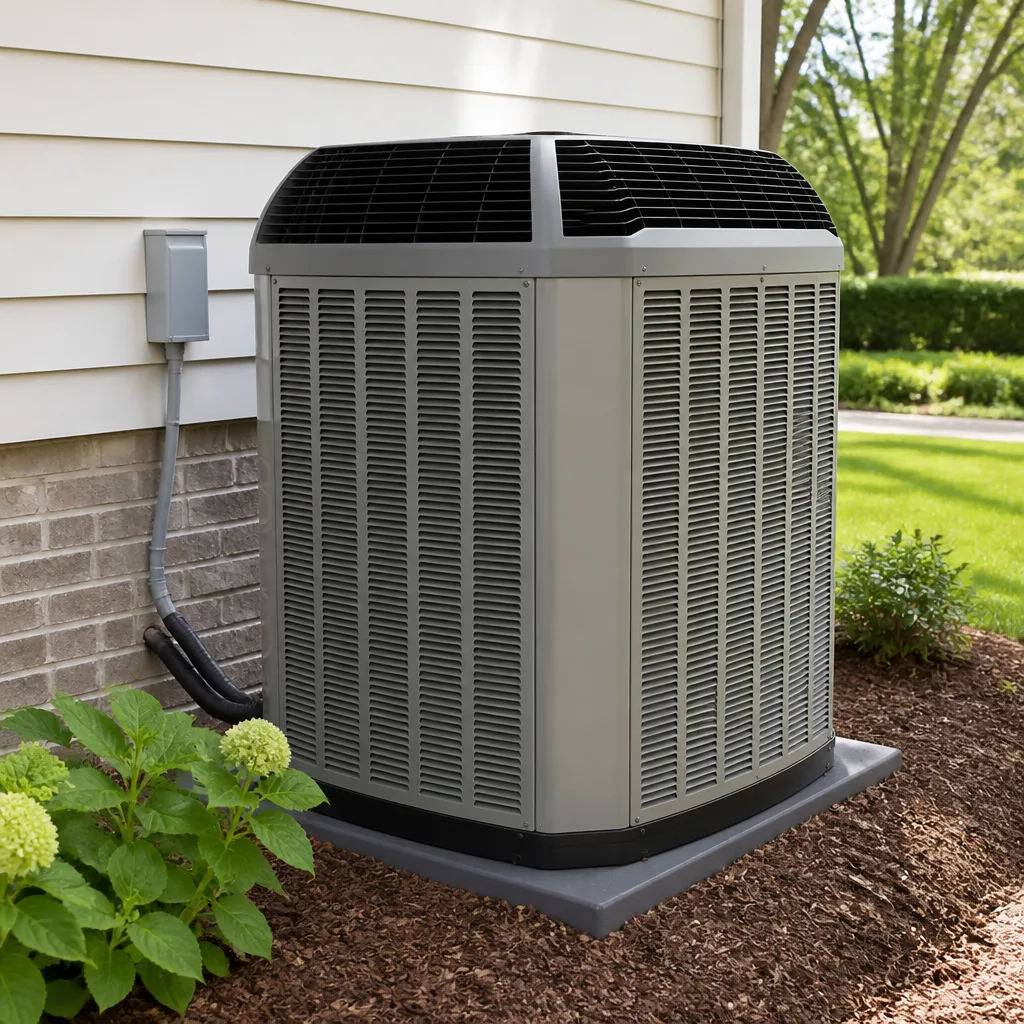 Trane
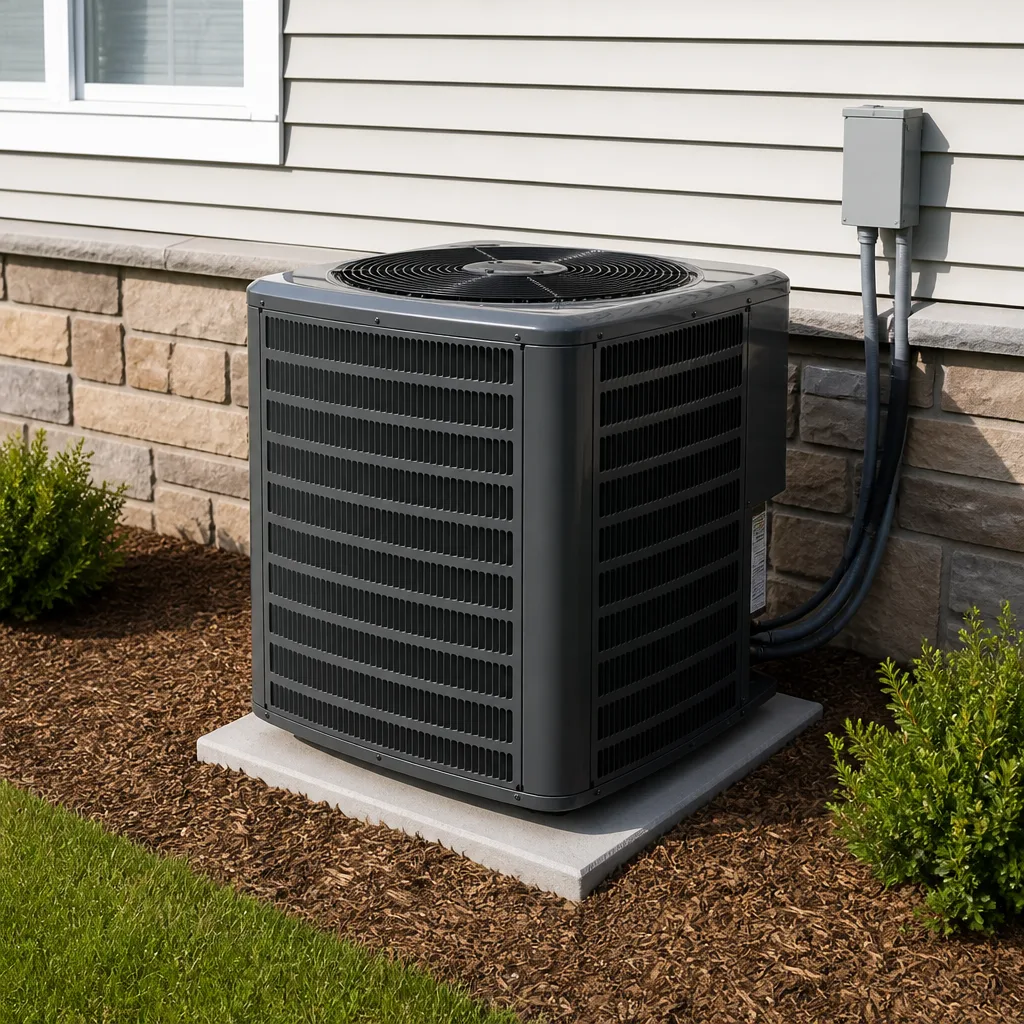 Goodman
Seasonal tune-up and full diagnostic on your Carrier, Trane, or Goodman system - readings shown to you before any repair is proposed
Diagnosis first, numbers second - you approve the repair price before a single part goes in.
Get your free estimateAC Repair Maintenance Schedule: What to Do and When
The number-one reason manufacturer warranties get denied isn’t a defective part. It’s a homeowner with no service record. When a compressor fails at year four under a ten-year warranty, the manufacturer asks one question: can you prove the system was maintained? No receipts, no date-stamped inspection sheets, no signed checklist – and the claim gets refused. A maintenance schedule is not a nice-to-have. It’s the paper trail that decides whether someone else pays for the repair or you do. This guide lays out the tasks most manufacturers actually require, the ones that are optional but worth the money, and a month-by-month calendar built for Enterprise’s heat and dust. We’ll also show you what a technician should hand you in writing and where DIY stops being safe.
Quick Answer
Most major manufacturers require annual professional maintenance – typically one visit for the cooling system and one for the heating system – to keep the warranty valid, and the homeowner is expected to change filters every 1-3 months. In Enterprise, the practical schedule is a spring pre-summer tune-up, a mid-summer stress check on the condenser, and a fall shutdown inspection. Keep every written report; that record is what protects your warranty when a part fails.
Styles & brands we work with
- AC repair
- Furnace & heating
- Heat pumps
- Ductless mini splits
- Carrier
- Trane
- Goodman
Table of Contents
- Which Maintenance Tasks Your Warranty Actually Requires
- High-Value Tasks That Aren’t Required (But Should Be)
- The Enterprise Month-by-Month Calendar
- What Your Technician Should Hand You in Writing
- Five DIY Tasks You Can Do Safely (And Where to Stop)
- Why Skipping Coil Cleaning Kills Compressors Here
- Common Mistakes to Avoid
- When to Call a Professional
Which Maintenance Tasks Your Warranty Actually Requires
Manufacturer warranties are conditional contracts, not unconditional promises. Most of the big names – Carrier, Trane, Lennox, American Standard – write maintenance into the terms. The exact language varies, but the pattern is consistent: you must show that the equipment was professionally serviced at least annually, and you must be able to prove it. In our experience, this is where claims fall apart. A homeowner paid for a tune-up three years ago, can’t find the invoice, and the manufacturer treats the gap as a lapse.
The tasks typically written into warranty terms, and worth confirming in your own owner’s manual:
- Annual professional inspection of the full system – the visit itself, documented, is the core requirement.
- Filter replacement on the manufacturer’s interval – usually every 1-3 months depending on filter type and household.
- Refrigerant charge verification – the system must be checked for correct charge; running low can void compressor coverage.
- Electrical component inspection – contactors, capacitors, and wiring connections checked for wear.
- Condensate drain clearing – a clogged drain that causes water damage is often excluded unless maintenance was current.
Read your own manual, because the language is specific. A Carrier warranty and a Goodman warranty don’t phrase it identically, and the parts covered differ too. What doesn’t differ is the mechanism: an undocumented system is a vulnerable one. If you’d rather not track this yourself, an AC maintenance plan in Enterprise exists precisely to keep that record current.
High-Value Tasks That Aren’t Required (But Should Be)
Some tasks won’t keep your warranty intact, but skipping them costs you real money. These are the ones we recommend adding even though no manual demands them:
- Duct inspection and sealing. Leaky ducts in an attic can lose a meaningful share of cooled air before it reaches a room. Sealing pays back quickly in a place where the cooling season runs long.
- Thermostat calibration and reprogramming. A thermostat reading two degrees off quietly runs your system harder than it needs to. A quick calibration and a sensible schedule cut runtime.
- Condenser fan motor lubrication and blade cleaning. Dust buildup on the blades throws the motor out of balance. Left alone, the bearing wears and the motor fails early.
- Blower wheel cleaning. A dirty blower wheel moves less air, which stresses the whole system. It’s rarely on a warranty checklist but it’s one of the most common culprits behind weak airflow complaints.
- Seasonal startup and shutdown checks. A short inspection before the first hot stretch and again before winter catches small problems before they become no-cooling emergencies.
None of these are optional in the sense of “skip them and nothing happens.” They’re optional in the sense that the warranty won’t punish you for skipping them – your electric bill and your repair budget will. If a part does fail, our AC repair service in Enterprise handles the fix, and the written guarantee explains exactly what’s covered and for how long.
The Enterprise Month-by-Month Calendar
Generic maintenance calendars are written for a mild four-season climate. Enterprise isn’t mild. Summer heat pushes a condenser harder than most of the country experiences, and spring dust storms load the coils faster than homeowners expect. Here’s the schedule we actually recommend for homes here:
- February – filter and thermostat check. Replace the filter, confirm the thermostat is set sensibly, and book your spring tune-up before the schedule fills. Early booking means you get the date you want, not whatever’s left in May.
- March – full pre-summer tune-up. The big annual visit: coil cleaning, refrigerant charge check, electrical inspection, condensate drain clearing, blower check. This is the visit your warranty record depends on.
- April – duct and insulation glance. Look for obvious gaps at the vents and any sagging or compressed attic insulation. Small fixes now save a lot of cooled air later.
- May – condenser clearance and debris sweep. Clear at least two feet of space around the outdoor unit. Remove leaves, grass clippings, and stored items. A shaded, blocked condenser runs hotter and works harder.
- June through August – monthly filter changes and a mid-summer stress check. Peak heat is when a marginal capacitor or a tired fan motor gives out. A brief mid-season look at the condenser coil and electrical connections catches it before it becomes a no-cooling call on the hottest day of the year.
- September – post-season filter change and drain check. Swap the filter again and make sure the condensate drain is still flowing freely after months of heavy use.
- October – fall shutdown inspection. If you have a furnace or heat pump, this is the heating-side service visit. It’s the second half of the warranty record.
- November through January – filter changes and a quick listen. Change filters on schedule. Listen for new noises at startup. A rattle or a hard-start is worth a call before it turns into a cold-night failure.
The pattern is simple: one big visit in spring, one in fall, and cheap, frequent homeowner touchpoints in between. The calendar protects the equipment, and it also keeps your service history unbroken – which is the whole point.
What Your Technician Should Hand You in Writing
The visit matters less than the record of the visit. Anyone can clean a coil; the difference between a maintenance plan that protects you and one that doesn’t is what lands in your hands afterwards. After every maintenance visit, you should receive, in writing:
- A date-stamped service report listing what was actually checked and what was found – not a generic checklist with every box pre-ticked.
- Measured readings, not adjectives. Refrigerant pressures, electrical amp draws, temperature differentials. Numbers you can compare year over year.
- A written note of anything flagged that needs attention, with a written price for the fix – not a verbal upsell.
- The guarantee statement on any repair performed, in plain terms, with the coverage period spelled out.
Keep these reports together in a folder or a scanned file. When a warranty claim comes up, you hand the manufacturer a clean paper trail. This is also why we put a written price in front of you before any work starts and attach a written guarantee to every repair – if the repair fails within the guarantee period, a return visit is free under our 365-Day Done Right Promise. The paperwork isn’t bureaucratic; it’s the thing you’re actually buying.
Five DIY Tasks You Can Do Safely (And Where to Stop)
Some maintenance belongs in your hands. Some doesn’t, and treating the two the same is how homeowners get hurt. Here are five tasks you can do safely between professional visits:
- Change the filter. Every 1-3 months. Note the size and MERV rating before you buy. A filter that’s too restrictive can reduce airflow.
- Keep the outdoor unit clear. Two feet of clearance, no leaves, no stored items, no shrubs pressed against the coil. Trim back and sweep clean.
- Hose down the condenser fins gently. With the system off, a low-pressure rinse clears loose dust. In Enterprise, this simple rinse between professional cleanings is money in your pocket.
- Check and clear the condensate drain line. A slow drain can be checked with a visual inspection at the pan and the outdoor discharge. Clear any visible algae or debris.
- Replace the thermostat batteries and confirm settings. Fresh batteries and a sensible schedule prevent false “system failure” calls.
Then stop. Do not open the electrical panel, do not touch the capacitor or contactor even with the power off (capacitors hold a charge), do not add refrigerant, and do not attempt to service the compressor or the sealed refrigerant circuit. Those are jobs for a trained, insured technician, and getting them wrong is a fast path to injury or a bigger repair bill. The line is clear: anything you can see and reach from outside is fair game; anything behind a panel or inside the refrigerant loop is not.
Why Skipping Coil Cleaning Kills Compressors Here
Nevada’s climate is hard on condensers in a way that milder markets never see. Between the spring dust and the months of high heat, the outdoor coil accumulates a layer of fine grit and dust that builds up faster than in most of the country. That layer is the beginning of a chain reaction that ends in compressor failure – usually within two or three cooling seasons if the coil is never cleaned.
Here’s the chain: a dusty coil can’t reject heat efficiently. The system runs longer and hotter to reach the thermostat setting. The compressor works harder during every cycle. Higher head pressures stress the compressor bearings and windings. And because the system is running longer, the dust keeps accumulating – the problem feeds itself. In our experience, this is one of the most common reasons a compressor dies well inside its expected lifespan, and a compressor replacement is one of the most expensive repairs a homeowner will face.
The fix is unglamorous: professional coil cleaning on the spring tune-up, a gentle homeowner rinse in between, and clear airflow around the unit. That’s it. A condenser coil that’s cleaned once a year and rinsed a few times in between will outlast the compressor it serves. This is the single task we’d point to if a homeowner asked which one matters most. In Enterprise, it’s not close.
Common Mistakes to Avoid
- Skipping the fall visit because you only use the AC. If you have a heat pump or furnace, the heating side carries its own warranty terms. A house that’s only cooled still needs both halves serviced to keep coverage intact.
- Treating a verbal “all good” as a service record. A verbal report protects no one. If you don’t have it in writing, dated, it doesn’t count when a claim comes up.
- Using the wrong filter. A very restrictive filter can starve the system for air. Match the filter to your system and your household – not the most expensive box on the shelf.
- Letting the outdoor unit get enclosed. Decorative fencing, shrubs, or stored boxes pressed against the condenser choke airflow. In Enterprise heat, that turns a normal summer into a stressed compressor.
- Waiting for a failure to book the tune-up. Spring appointment slots fill quickly in Enterprise, and a homeowner who waits often ends up trying to schedule during the peak-heat rush. Book early.
- Doing electrical work yourself. Capacitors, contactors, and wiring carry real shock risk and can void coverage if improperly handled. These stay with a trained professional.
- Losing the paperwork. A maintenance record that’s scattered across old invoices and emails is nearly worthless at claim time. Keep it in one folder.
When to Call a Professional
Some signals mean stop and call. If the AC is blowing warm air, if you hear a hard-start or rattling at the outdoor unit, if the system short-cycles on and off, if there’s water pooling near the indoor unit, or if a breaker trips when the system starts – those are not DIY moments. Neither is anything behind the electrical panel or inside the refrigerant circuit. In Enterprise, a failed system during a hot stretch is a health risk, especially for older homeowners and families with young children, so it’s worth calling early rather than waiting to see if it fixes itself. Brandt HVAC Enterprise offers free estimates – call (844) 797-9490. Every technician is background-checked, identity-verified, and introduced by name and photo before arrival, and a live person answers the phone 24/7. If anyone shows up who you weren’t told to expect, that visit is on us.
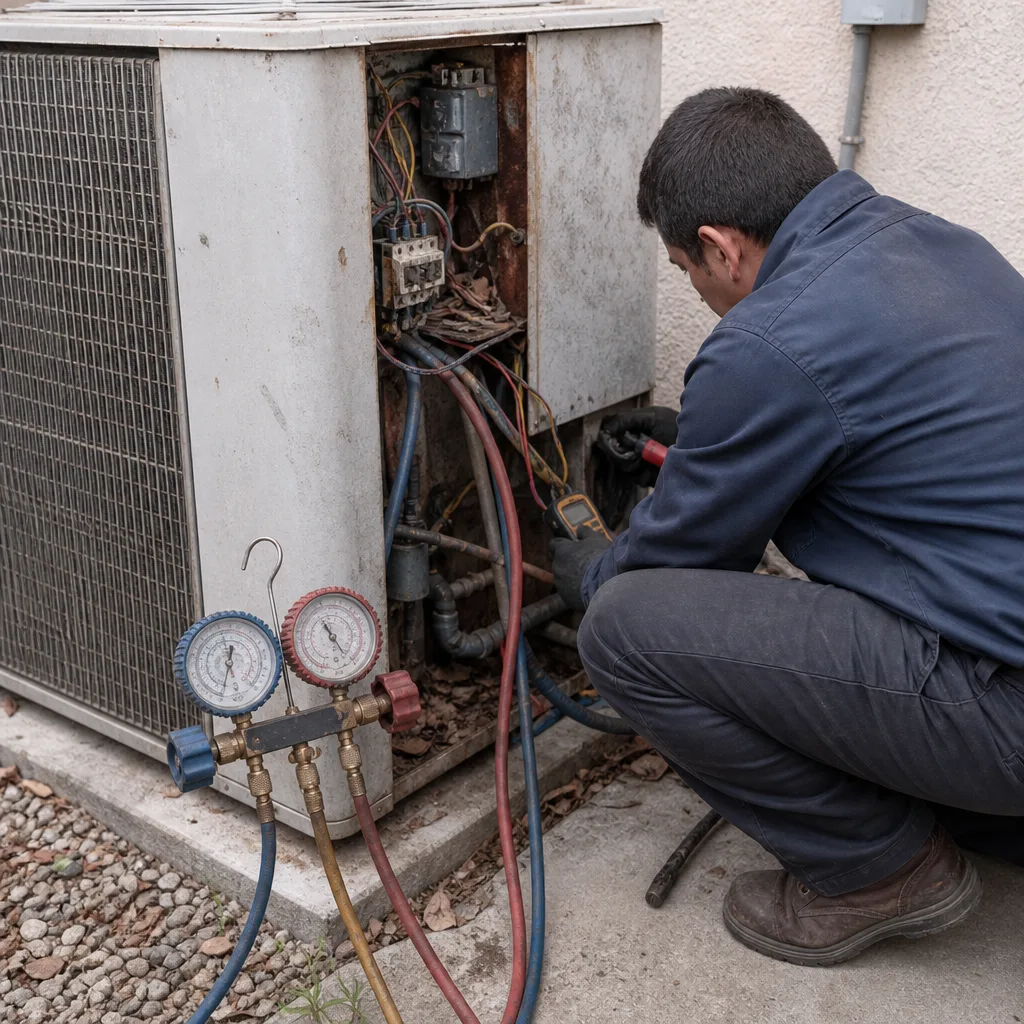
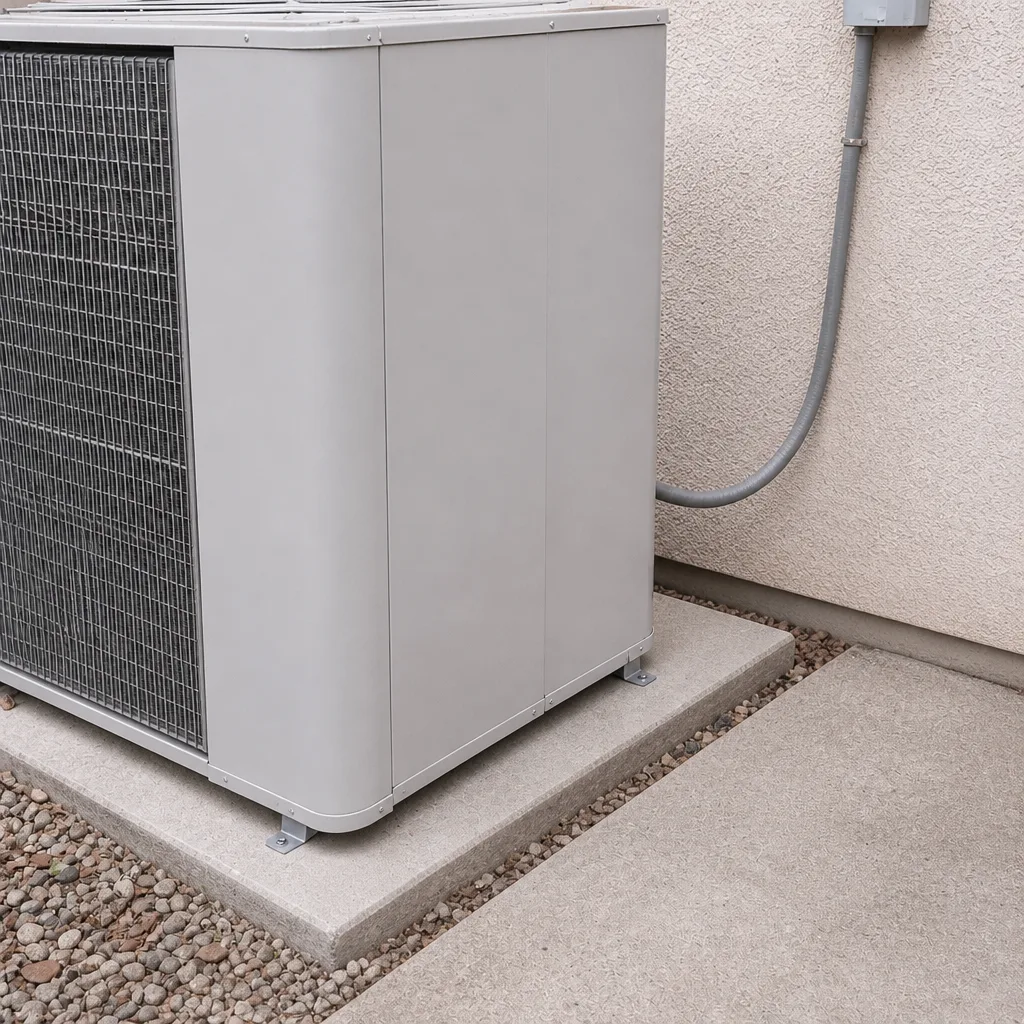
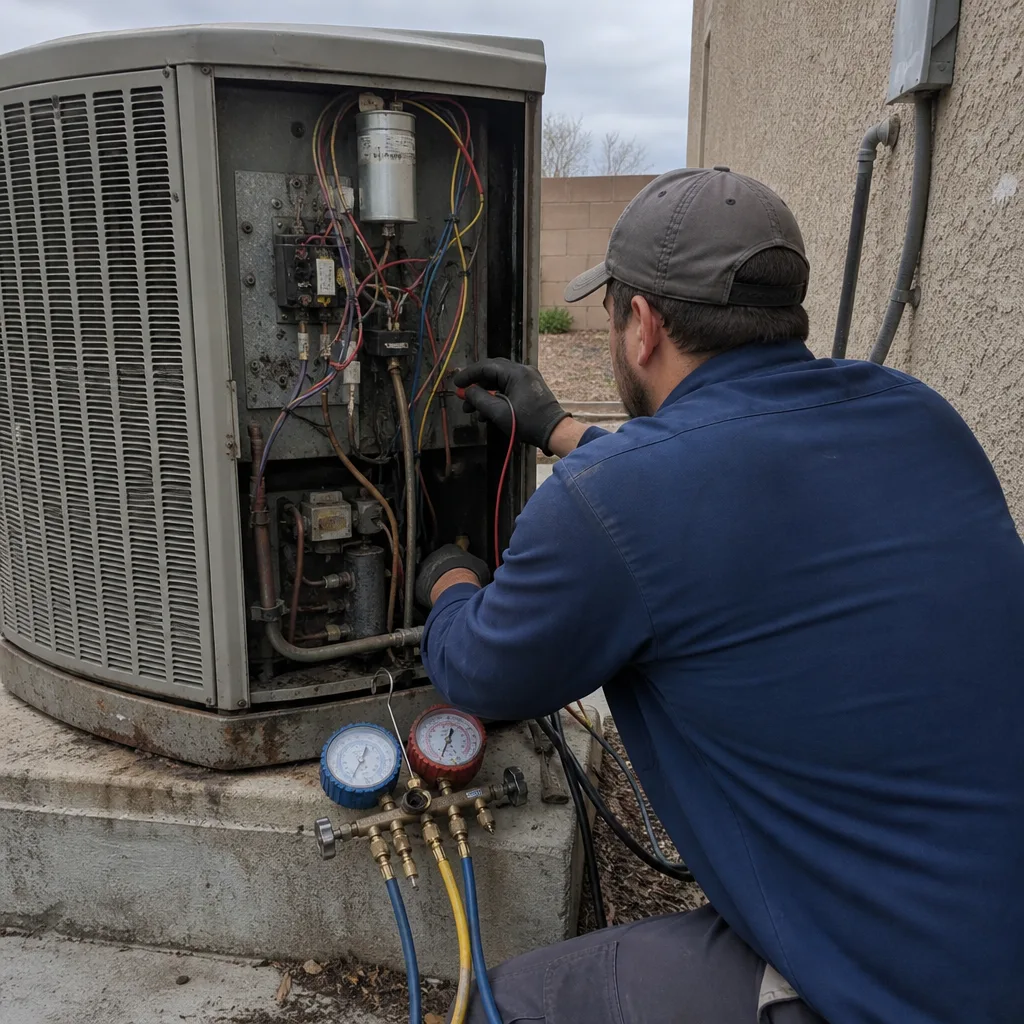
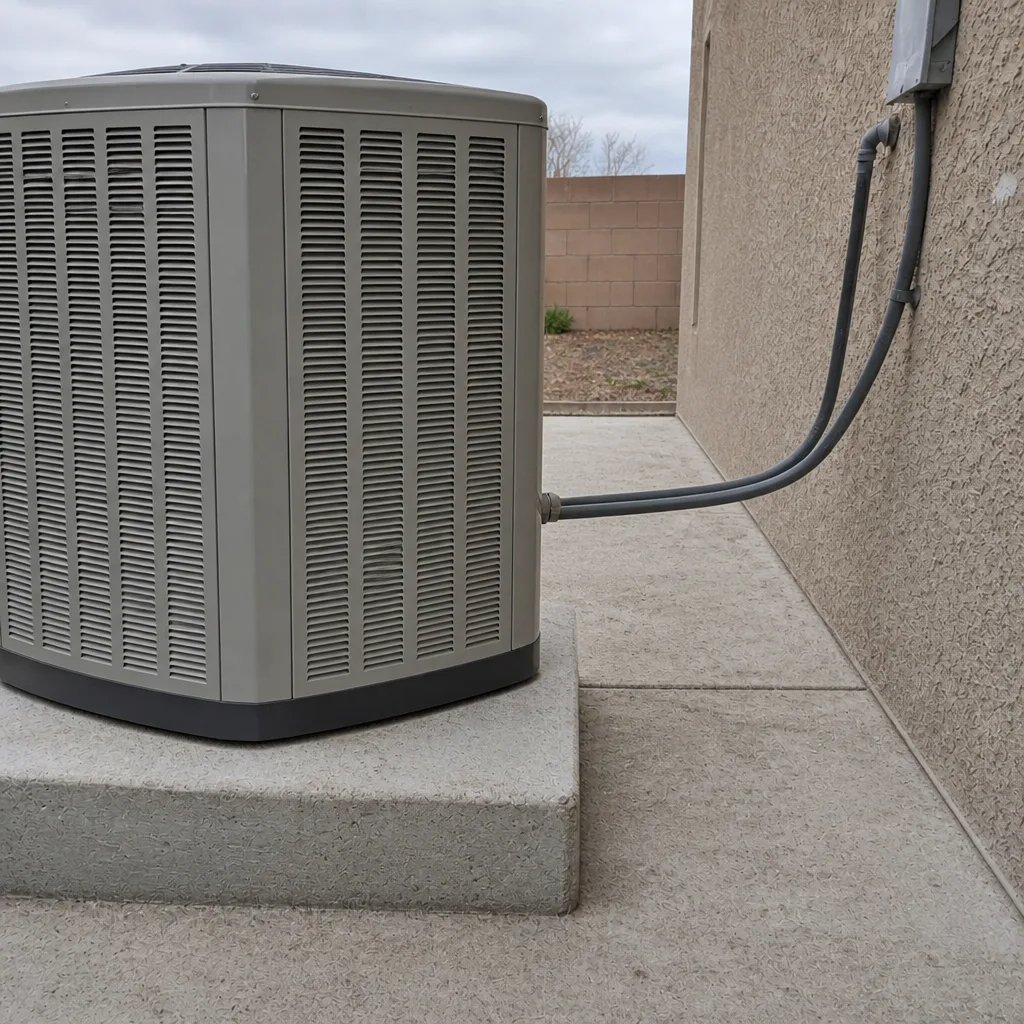
See the difference
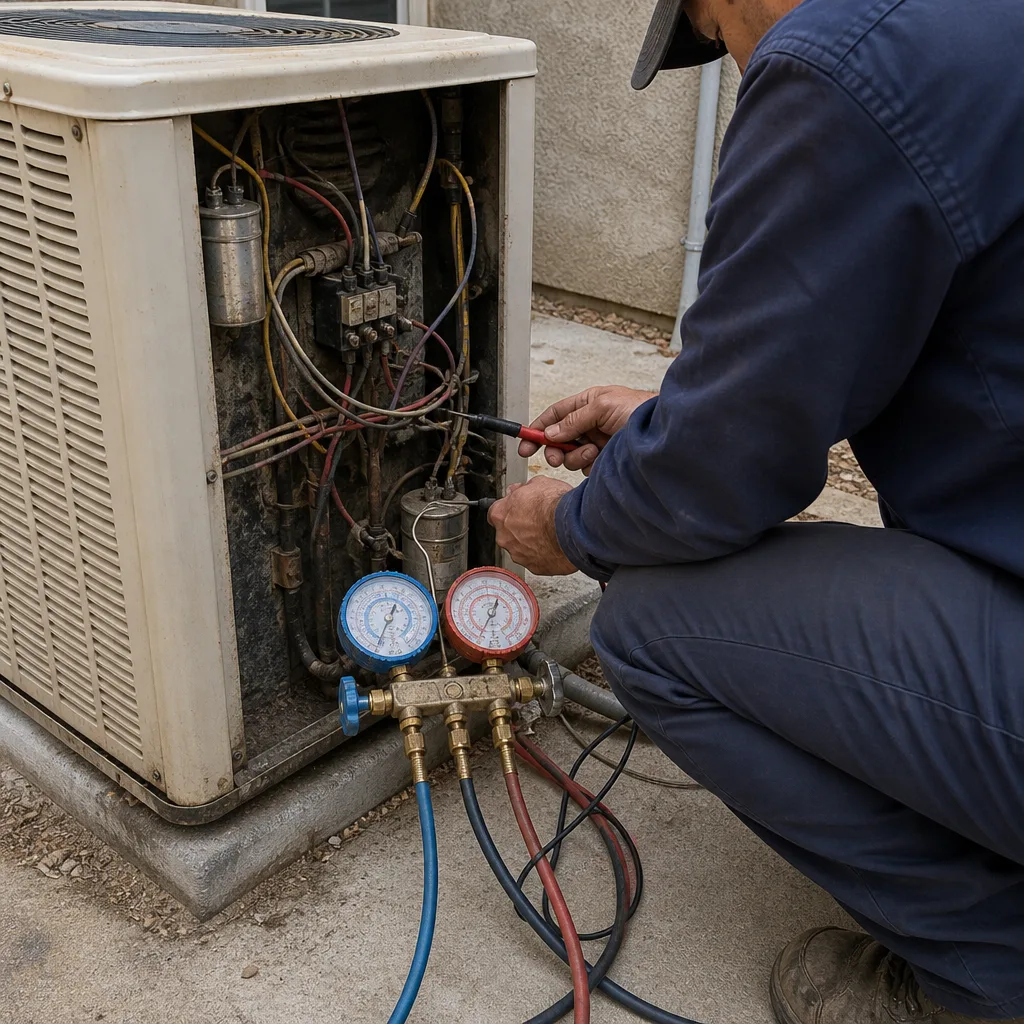 Before
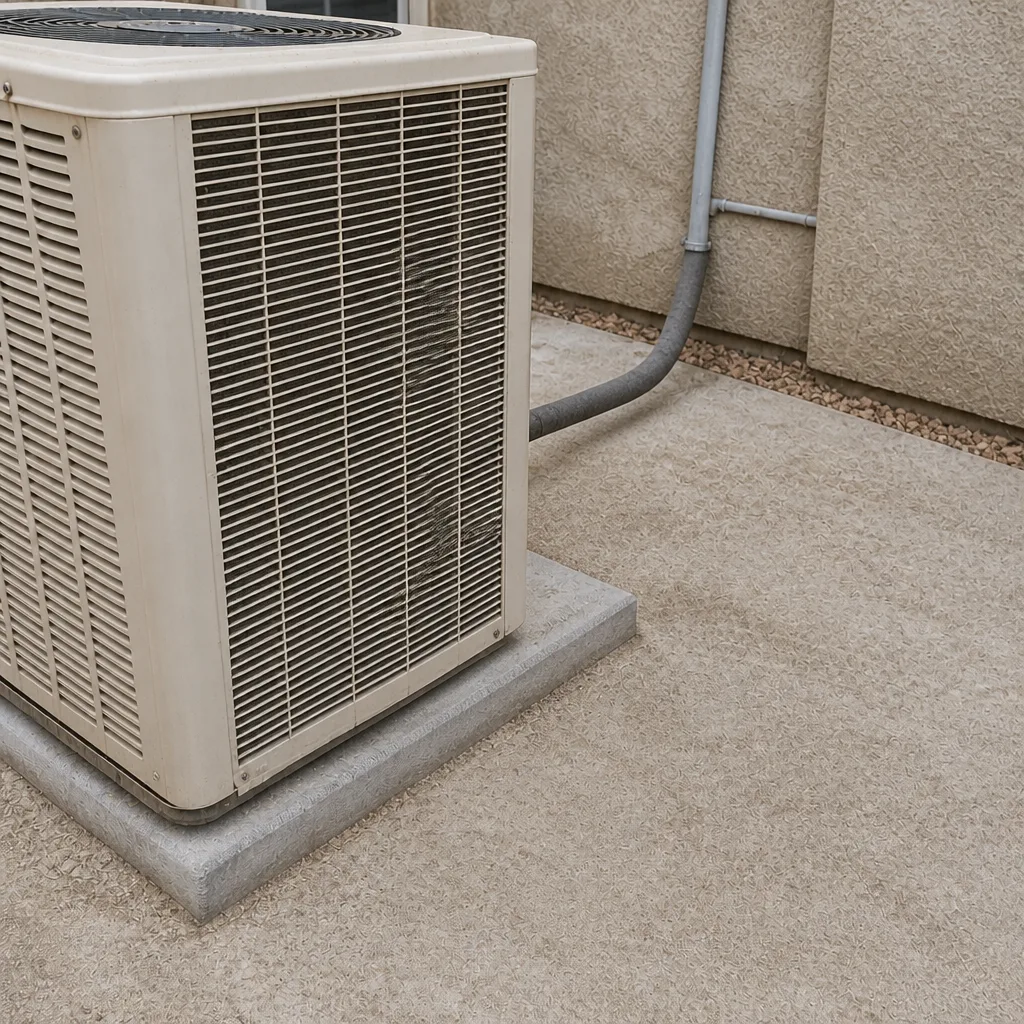 After
 Before
 After
 Before
 After
Frequently Asked Questions
Once a year for the cooling side, minimum. If you have a heat pump or a furnace, add a second annual visit for the heating side. Some manufacturers require annual professional service to keep the warranty valid, and the visit itself – documented – is the thing that protects your coverage.
It can. Most major manufacturers condition their warranty on documented annual maintenance, and a claim can be denied when there’s no service record. The fix is unglamorous: keep every service report and invoice, dated, in one place.
A date-stamped service report listing what was checked and what was found, with actual measured readings, any items flagged, a written price for recommended fixes, and the guarantee statement on any repair performed. If you don’t get it in writing, ask for it.
You can rinse it gently with a hose with the power off to clear loose dust. Deep cleaning between the fins, checking refrigerant charge, and anything inside the electrical panel belong with a trained professional. In a dusty climate, a gentle rinse between professional cleanings is worth doing.
Possibly. A clogged filter, a dirty condenser coil, or low refrigerant can all cause weak cooling. Warm air, refrigerant problems, or a system that short-cycles are professional territory. Call (844) 797-9490 for a free estimate – a live person answers around the clock.
It protects two things: your manufacturer warranty record, and your equipment from the slow damage of dust and wear. It also gives you a written history of your system’s condition, so a future repair conversation starts from facts, not guesses.
The Bottom Line
A maintenance schedule isn’t housekeeping – it’s insurance on your warranty and your equipment. The minimum is one professional cooling visit a year, a second heating visit if you have a heat pump or furnace, and filter changes every 1-3 months in between. In Enterprise, the coil cleaning on that spring visit matters more than everything else combined. Keep the written reports; they’re the record that decides who pays when something fails. And when a system starts misbehaving, call early – a live person at Brandt HVAC Enterprise answers 24/7 at (844) 797-9490, and estimates are free.
If you’d like a straight answer on your system’s condition, our team services all major brands – Carrier, Trane, Lennox, American Standard, Goodman, Rheem, York, Daikin, and Bryant – and every repair comes with a written guarantee. Start from the Brandt HVAC Enterprise home page, or if the heating side needs attention too, see furnace repair in Enterprise.
Written by the team at Brandt HVAC Enterprise.