
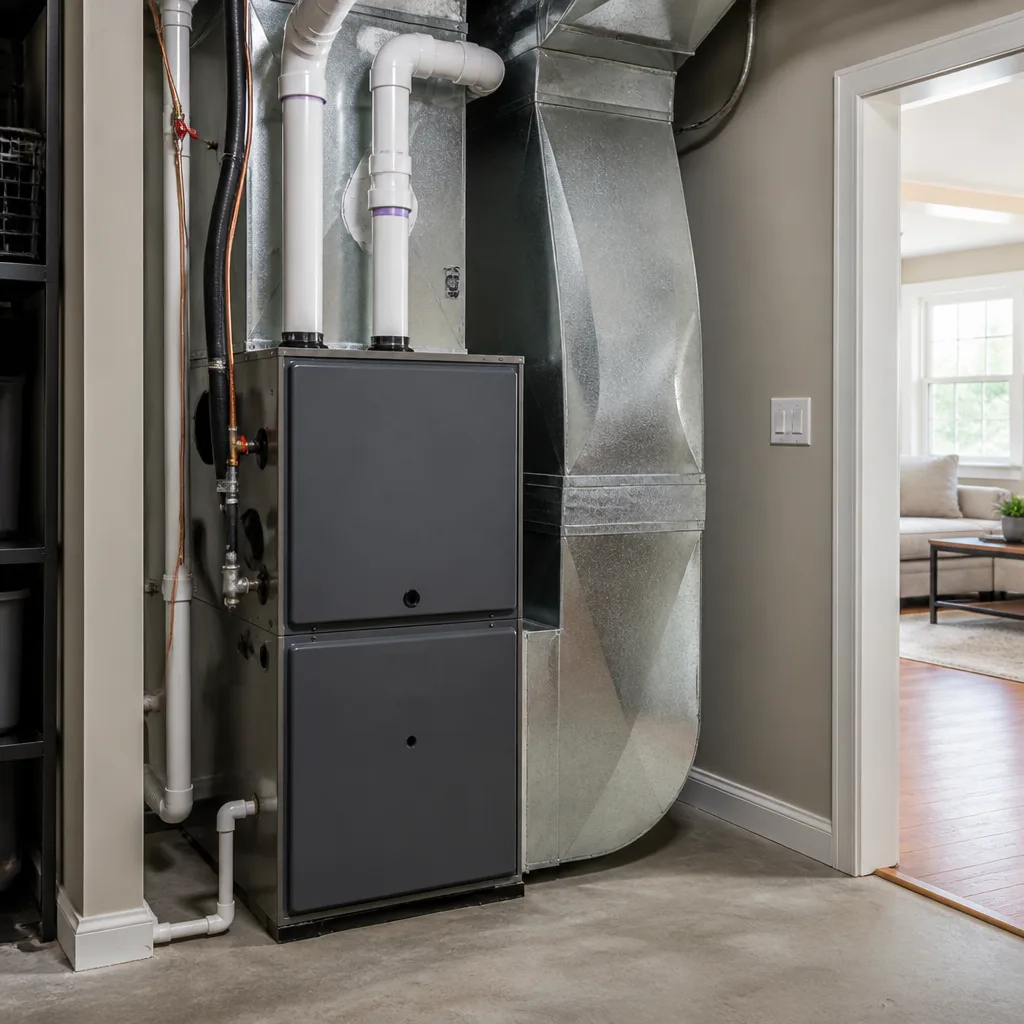
 Furnace & heating
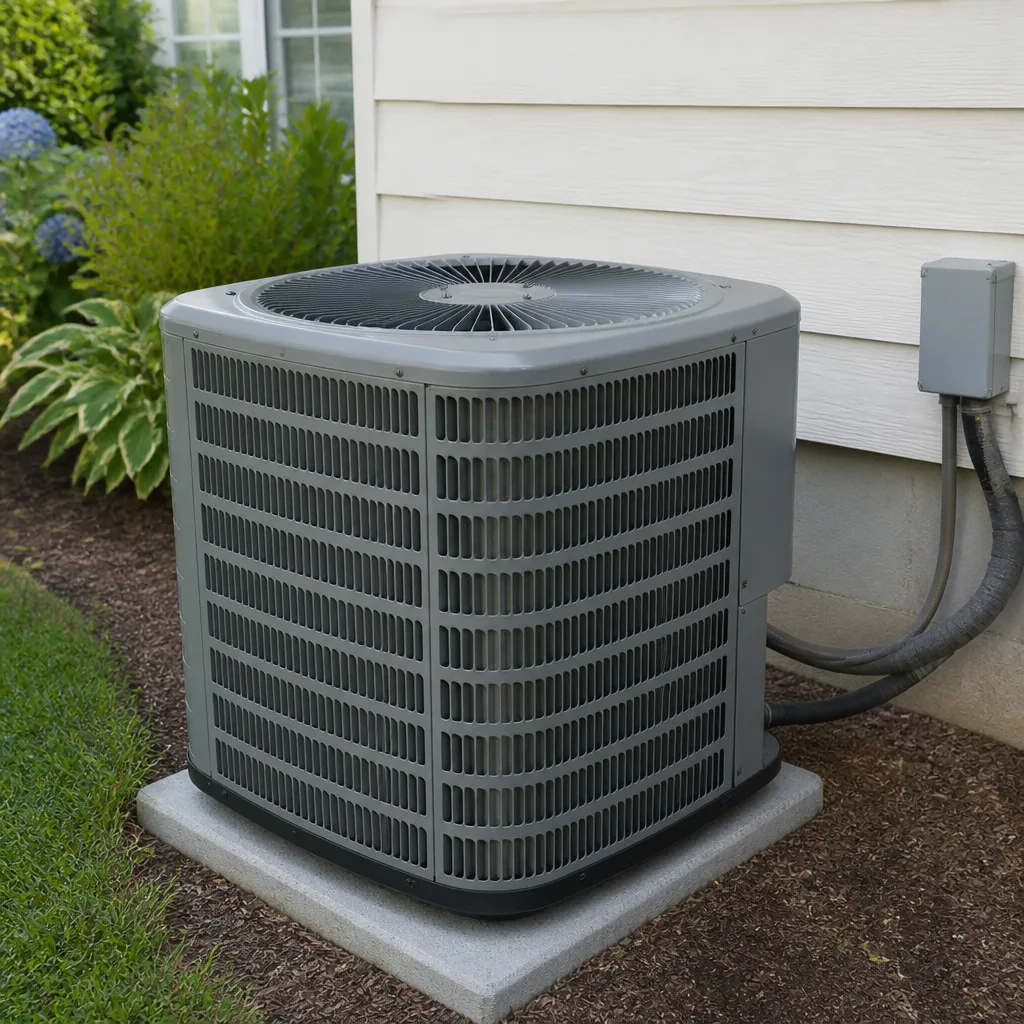 AC repair
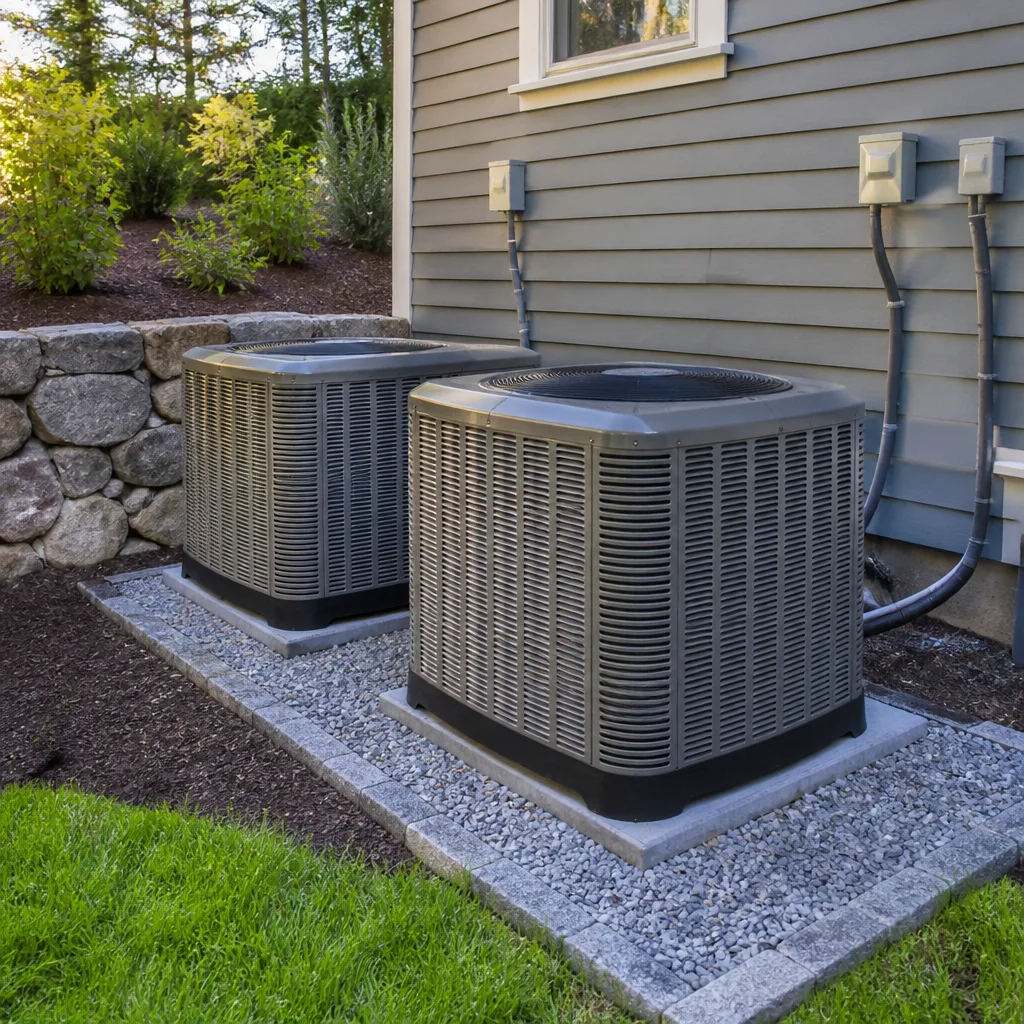 Heat pumps
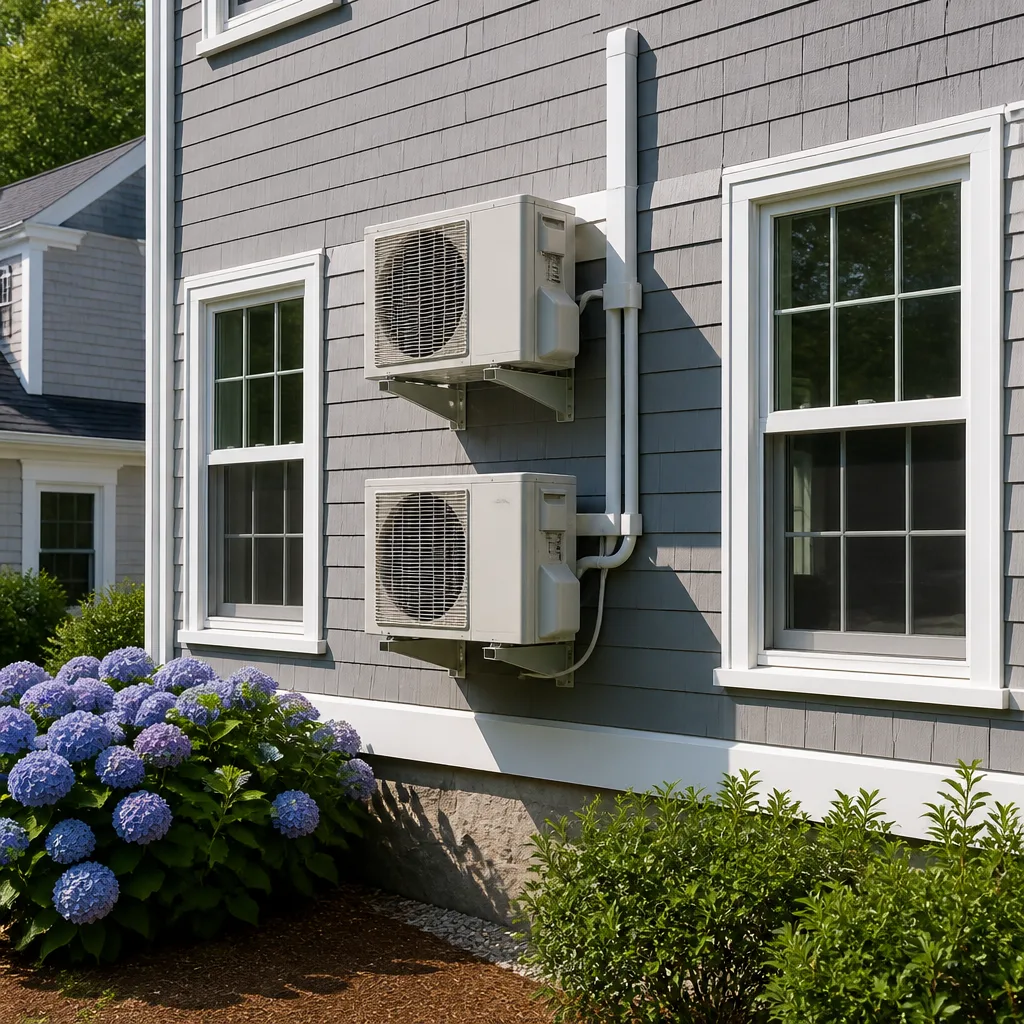 Ductless mini splits
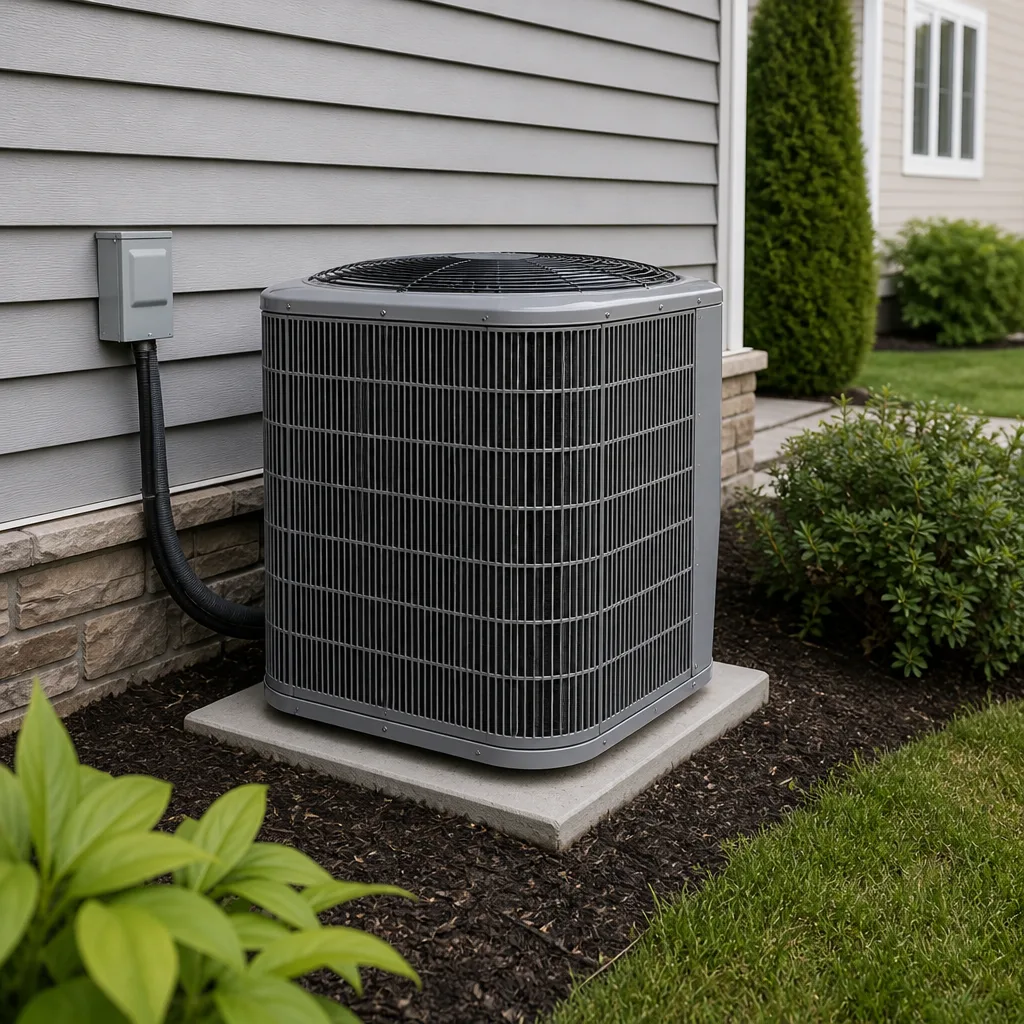 Carrier
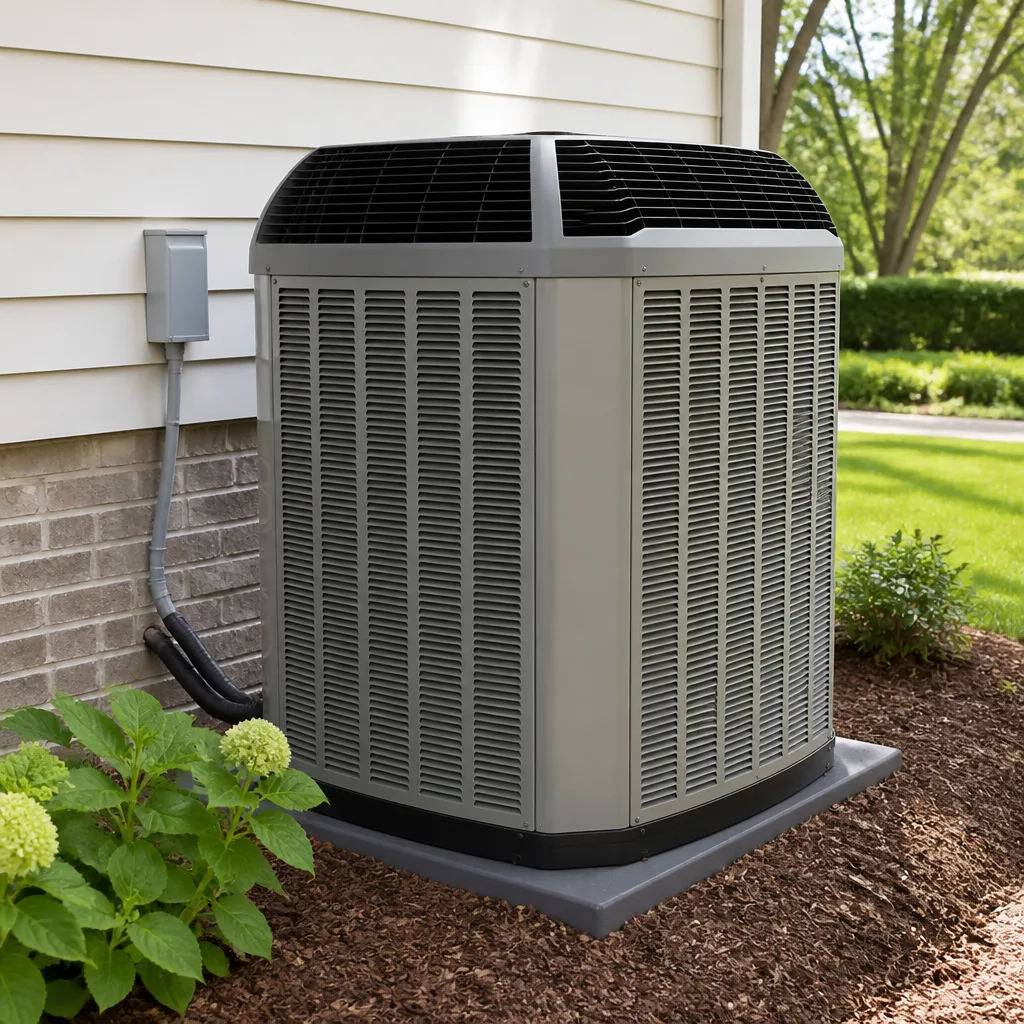 Trane
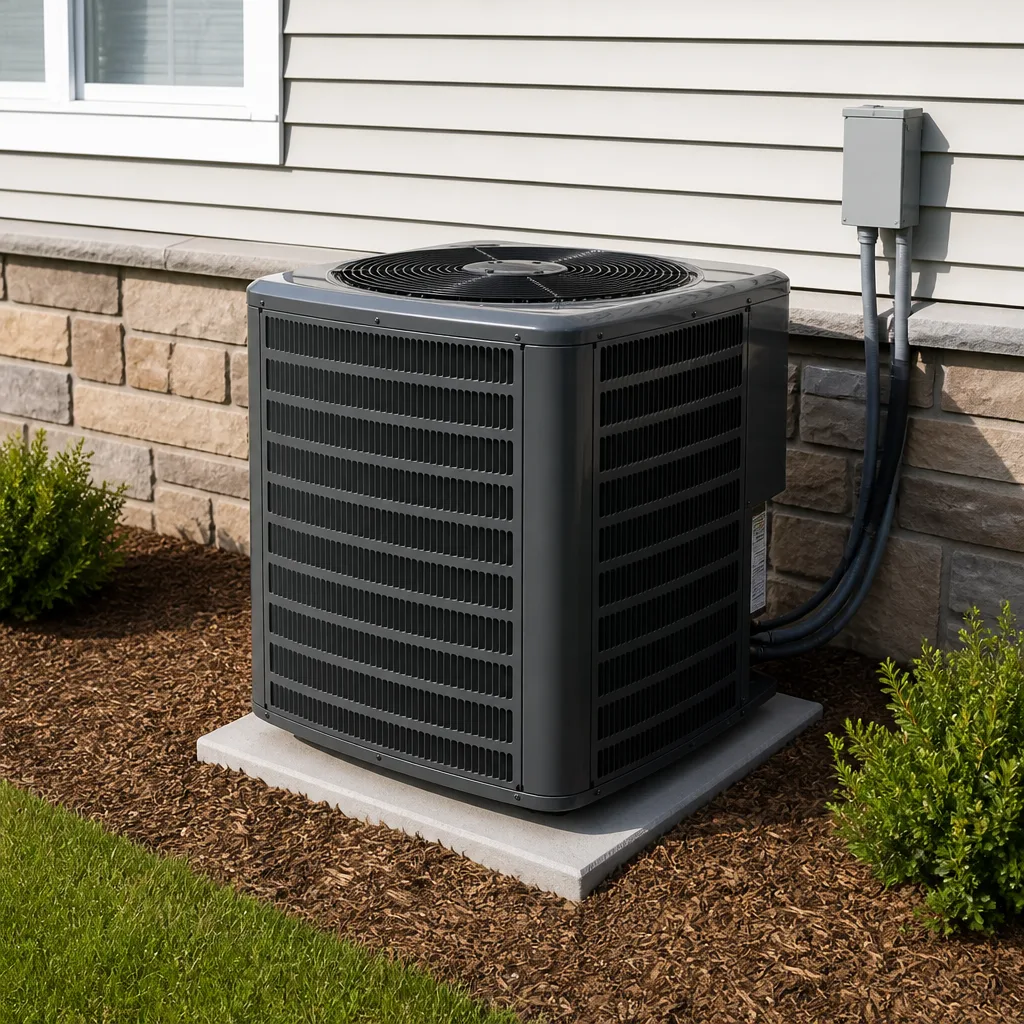 Goodman
Seasonal tune-up and full diagnostic on your Carrier, Trane, or Goodman system - readings shown to you before any repair is proposed
Diagnosis first, numbers second - you approve the repair price before a single part goes in.
Get your free estimateStyles & brands we work with
- AC repair
- Furnace & heating
- Heat pumps
- Ductless mini splits
- Carrier
- Trane
- Goodman
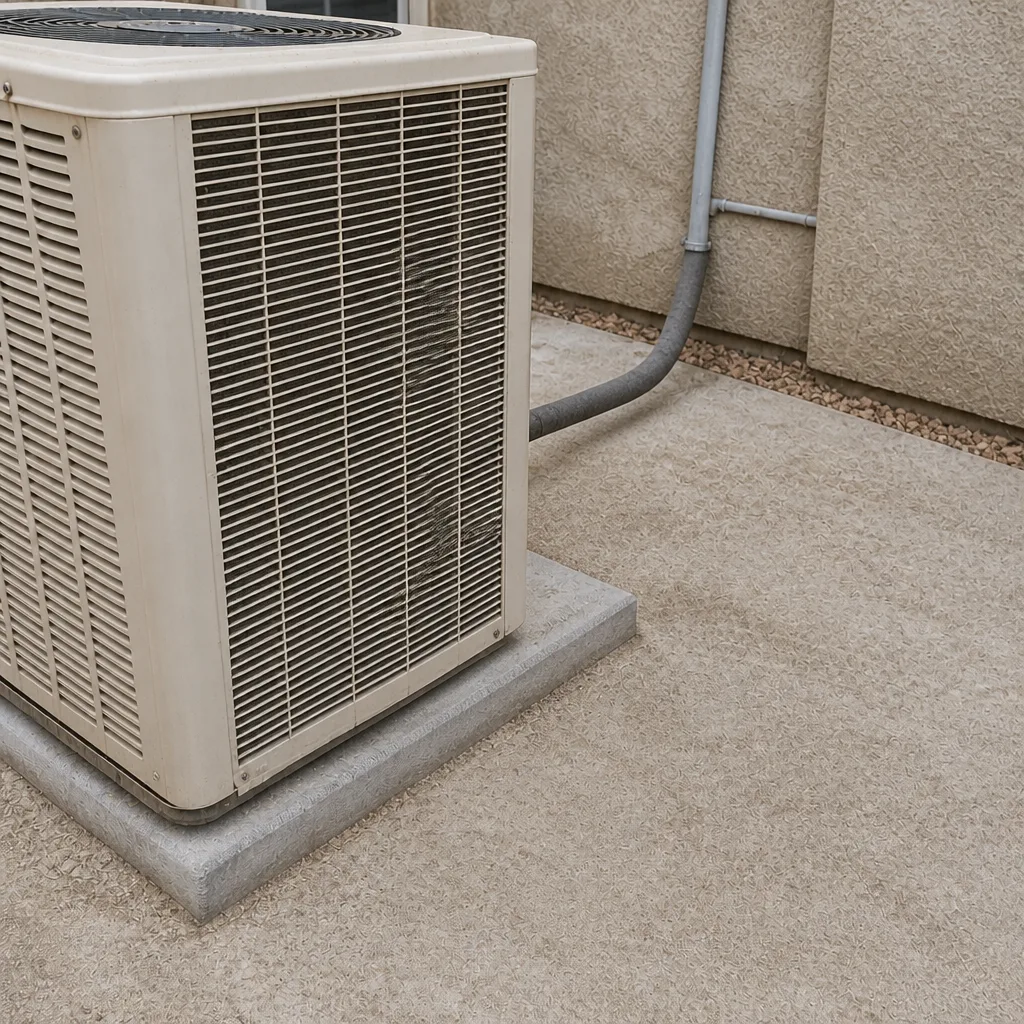
See the difference
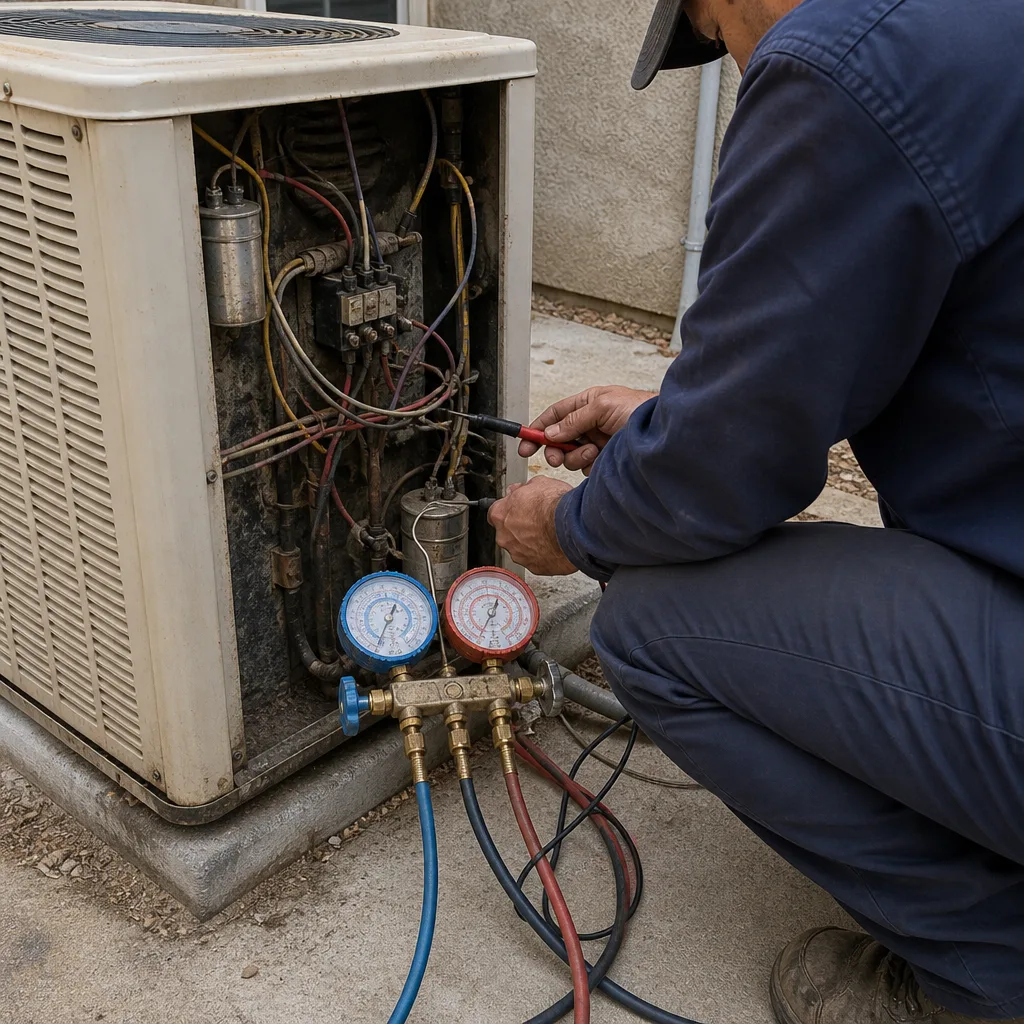 Before
 After
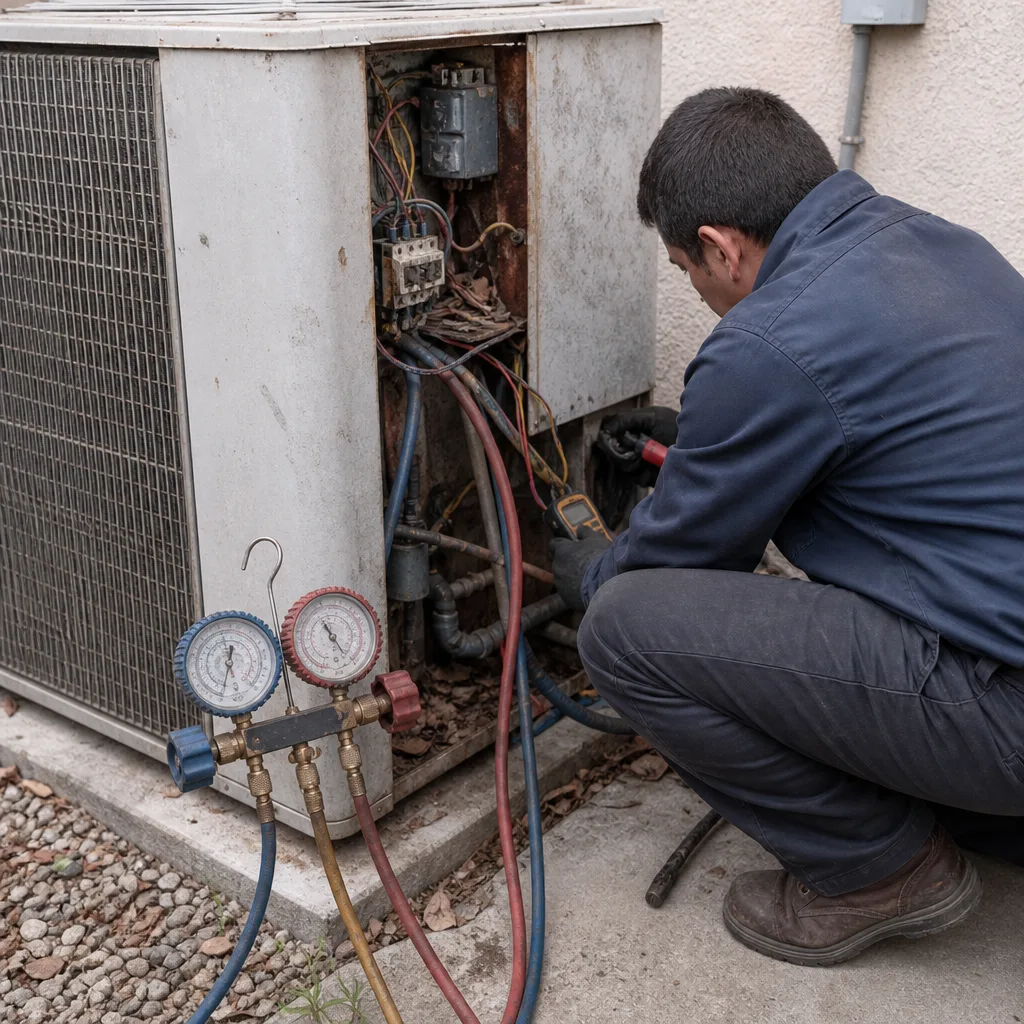 Before
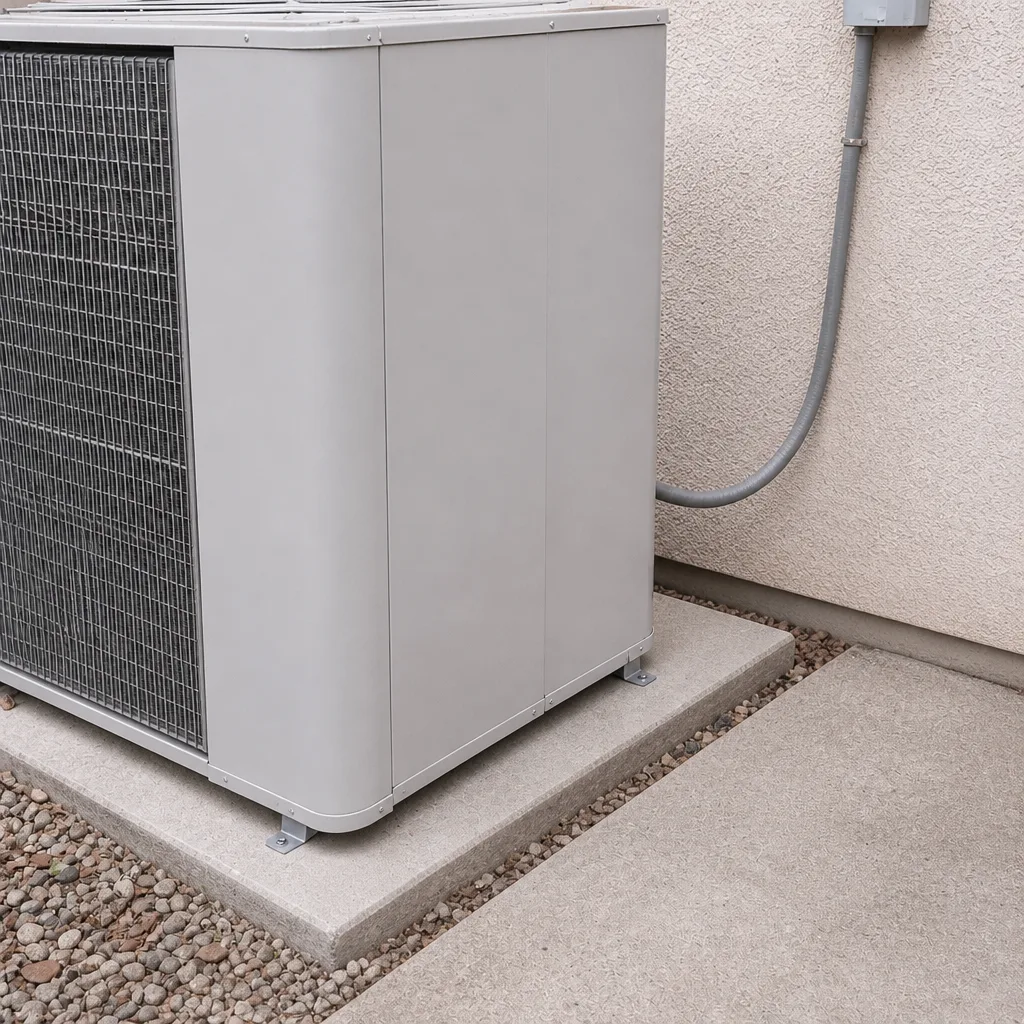 After
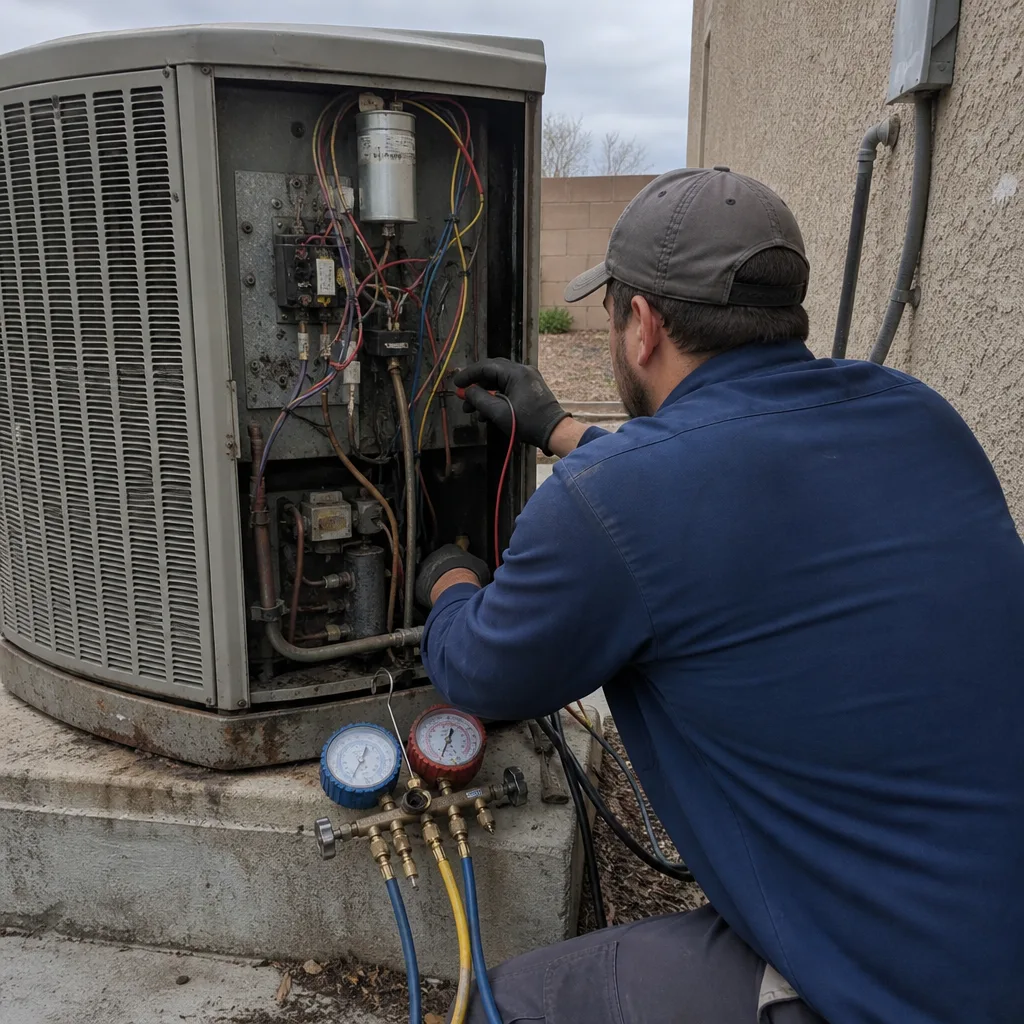 Before
 After
How Long Does a Furnace Last in Enterprise, NV?
Most furnaces are rated for 15-20 years, but that number assumes a cold-climate duty cycle. In Enterprise, where a furnace might log 150 run hours a year instead of 1,500, the calendar lifespan stretches out while a different clock runs faster: attic heat. A 20-year-old furnace in an Enterprise attic can be “like new” in run hours and still have a heat exchanger that’s been baked through two decades of 130°F summers. That gap is why age alone is the wrong question here. The real question is inspection history. Call Brandt HVAC Enterprise at (844) 797-9490 for a written-price furnace inspection before heating season.
The Las Vegas Valley’s extreme desert heat means air conditioning dominates the local conversation, but it also quietly reshapes how heating equipment ages. Enterprise’s mix of 1980s and 1990s ranch homes and newer 2000s and 2010s tract builds puts decades-old furnaces in the same attics as brand-new high-SEER systems. The older units rarely get checked because homeowners rarely run them. Mild winters, occasional cold snaps, and months of furnace silence create a maintenance gap that cold-climate homeowners simply don’t have.
Brandt HVAC Enterprise provides furnace repair, AC repair, AC maintenance, and furnace inspections for homeowners across Enterprise, and services all major residential brands including Trane, Lennox, Goodman, and Rheem. This page explains what actually determines furnace lifespan here, what to look for, and what an honest inspection covers.
What Actually Determines Furnace Lifespan in Enterprise
The standard 15-20 year range comes from cold-climate usage patterns, where a furnace runs most of the winter and combustion cycles drive wear. Enterprise is the opposite. Winter here is mostly mild, and heating demand is intermittent. Combustion-cycle wear is low. Thermal environmental wear is high.
Attic temperatures in an Enterprise summer routinely climb well past 130°F. A furnace sitting in that attic for two decades absorbs that heat year-round, whether it’s firing or not. Gaskets dry out. Wiring insulation ages. The heat exchanger expands and contracts through daily temperature swings even in July when it hasn’t been called on since February. The failure this produces is typically not dramatic, it’s silent. A cracked heat exchanger in a rarely-used furnace can produce no obvious symptom until it’s leaking carbon monoxide into the supply air.
That is the trap in “it’s only 15 years old.” In cold climates, that age usually means a working furnace that will die of worn parts. In Enterprise, that age can mean a furnace that still fires, still heats, and is quietly unsafe. Age-based replacement rules borrowed from cold climates don’t fit here. Inspection history does.
Furnace lifespan at a glance: the two clocks
| Factor | Cold-climate furnace | Enterprise furnace |
|---|---|---|
| Yearly run hours | 1,500-2,000 | Roughly 150 |
| Primary wear driver | Combustion cycles | Attic heat exposure |
| Typical calendar lifespan | 15-20 years | Often longer, but heat exchanger risk rises sharply after 12 years |
| Best safety check | Annual tune-up | Annual heat exchanger and CO inspection |
What Fails First in a Desert-Idle Furnace
In our experience working on Enterprise furnaces, the heat exchanger itself is rarely the first component to go. The failure sequence in a low-hours, high-heat furnace looks different than a cold-climate one. These are the parts that tend to fail first:
- Silicon carbide ignitors - average 7-10 years, and often shorter in a hot attic. These ignite the burner on a cold morning, and when they crack, the furnace simply won’t start.
- Draft inducers - the small blower motor that pushes exhaust out the flue. Its bearings degrade from attic heat even during the months the furnace isn’t running, so failure often shows up right at the start of the first cold snap.
- Flame sensors - the small rod that confirms the burner is lit. It oxidizes from repeated heat cycling and heat exposure. When it fouls, the furnace short-cycles or refuses to stay lit.
Those three parts account for a large share of the furnace repair calls we see in Enterprise, and they’re the parts most likely to fail after a long idle summer. Most furnace repairs run $150-$700 depending on the part and the system. That’s a written price you’d see before work begins, not a surprise at the end.
If you need heating service outside the inspection window, our Heating & Furnace in Enterprise page covers repair scheduling in more detail.
What to Look For: How an Honest Inspection Works in Enterprise
If your furnace is over 12 years old in an Enterprise home, schedule a heat exchanger inspection every year before heating season. Not because failure is likely, but because the danger of a cracked heat exchanger is highest when it’s least obvious. Here’s what a real inspection should include, and what tools you should see a technician use.
- Combustion analyzer at the flue. This measures the exhaust gas composition. A technician should have one on this step, not just look at the flame.
- CO detector readings at the supply registers. This checks what’s actually reaching your rooms. If the only tool on the visit is a flashlight, the inspection isn’t complete.
- Visual inspection of the heat exchanger. Necessary but not sufficient. A visual check alone won’t catch a hairline crack that shows up under combustion analysis.
- Ignitor, draft inducer, and flame sensor check. These are the components most likely to fail first in a desert-idle system, so they belong on every inspection.
- Written findings and price before any repair. You should see the diagnosis and the repair cost in writing before anyone touches a wrench.
Brandt technicians are part of the Threshold Verified standard: background-checked and identity-verified, and introduced to you by name and photo before arrival, with a photo ID badge shown at the door. If anyone shows up who you weren’t told to expect, that visit is on us. The technicians themselves have up to 23 years of experience.
Every furnace inspection comes with a written price for the visit, and if repairs are needed, a written price for those before any work starts. Every repair carries a written guarantee, and if it fails under the 365-Day Done Right Promise, we return at no charge.
When to Repair vs. Replace an Enterprise Furnace
Repair is usually the right call when the failing part is an ignitor, inducer, or flame sensor and the heat exchanger passes inspection. Replace when the heat exchanger fails inspection and the unit is 12-plus years old, when repairs approach a significant share of replacement cost, or when carbon monoxide is being detected in the supply air. On the replacement side, newer high-efficiency units from brands like Trane and Lennox run cooler in attic installs, which slows the thermal aging we described.
For the full picture of what a repair or tune-up visit costs in Enterprise, see home.
FAQs
Most furnaces last 15-20 years in calendar age, but in Enterprise the real limiting factor is attic heat exposure rather than run hours, and heat exchanger risk rises sharply after 12 years. That means a furnace can be well within its calendar lifespan and still be the wrong age to skip annual inspection. Call (844) 797-9490 for a written-price inspection before heating season.
Furnace visits and repairs typically run $150-$700 in this market, and you’ll see a written price for the inspection before it starts, plus a written price for any repair the inspection turns up. The 365-Day Done Right Promise covers the repair, not just the diagnosis. Call (844) 797-9490 for an exact quote.
Not automatically. Age alone doesn’t decide it in a low-run-hour climate like Enterprise. The deciding factor is whether the heat exchanger passes combustion analysis and CO testing, which a technician should check with real tools on every visit. If you’re unsure, get it inspected rather than replaced on age. Call (844) 797-9490 to schedule.
Often yes, especially during a cold snap when Enterprise furnaces fail after months of idle. Phones are answered by a live person 24 hours a day, seven days a week. Call (844) 797-9490 and you’ll get a real person, not a voicemail.
If your furnace is due for inspection or you’re uneasy about an older unit, Brandt HVAC Enterprise offers a no-pressure assessment in Enterprise – call (844) 797-9490 for a free estimate.
Written by the team at Brandt HVAC Enterprise, serving Enterprise, NV.