
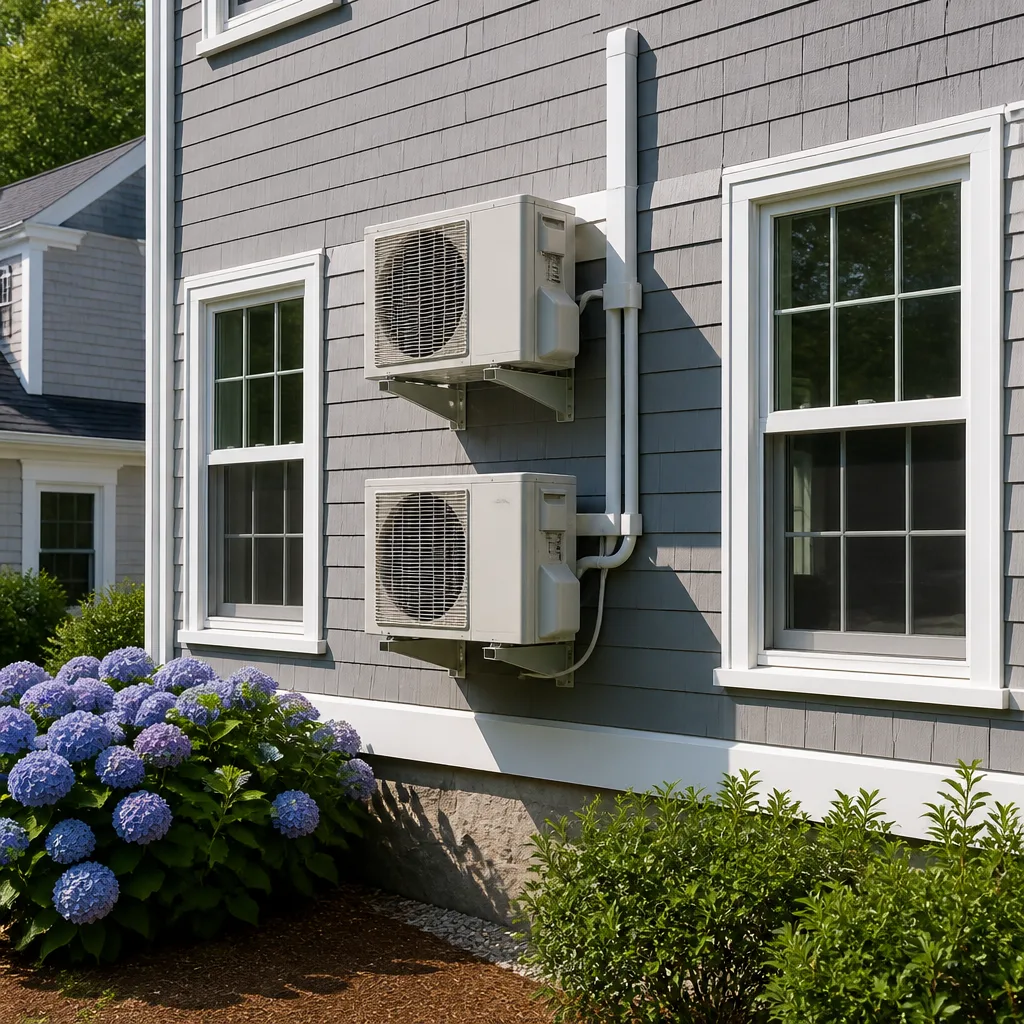
 Ductless mini splits
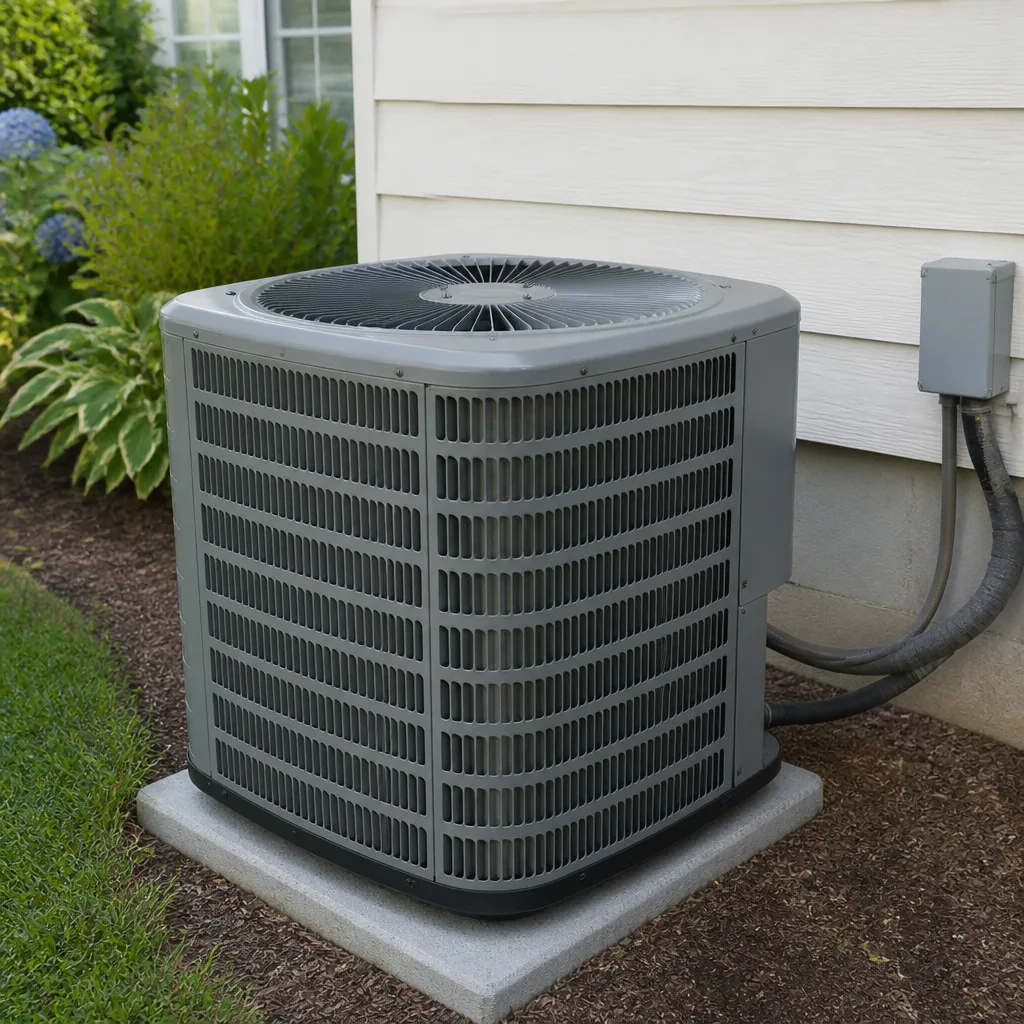 AC repair
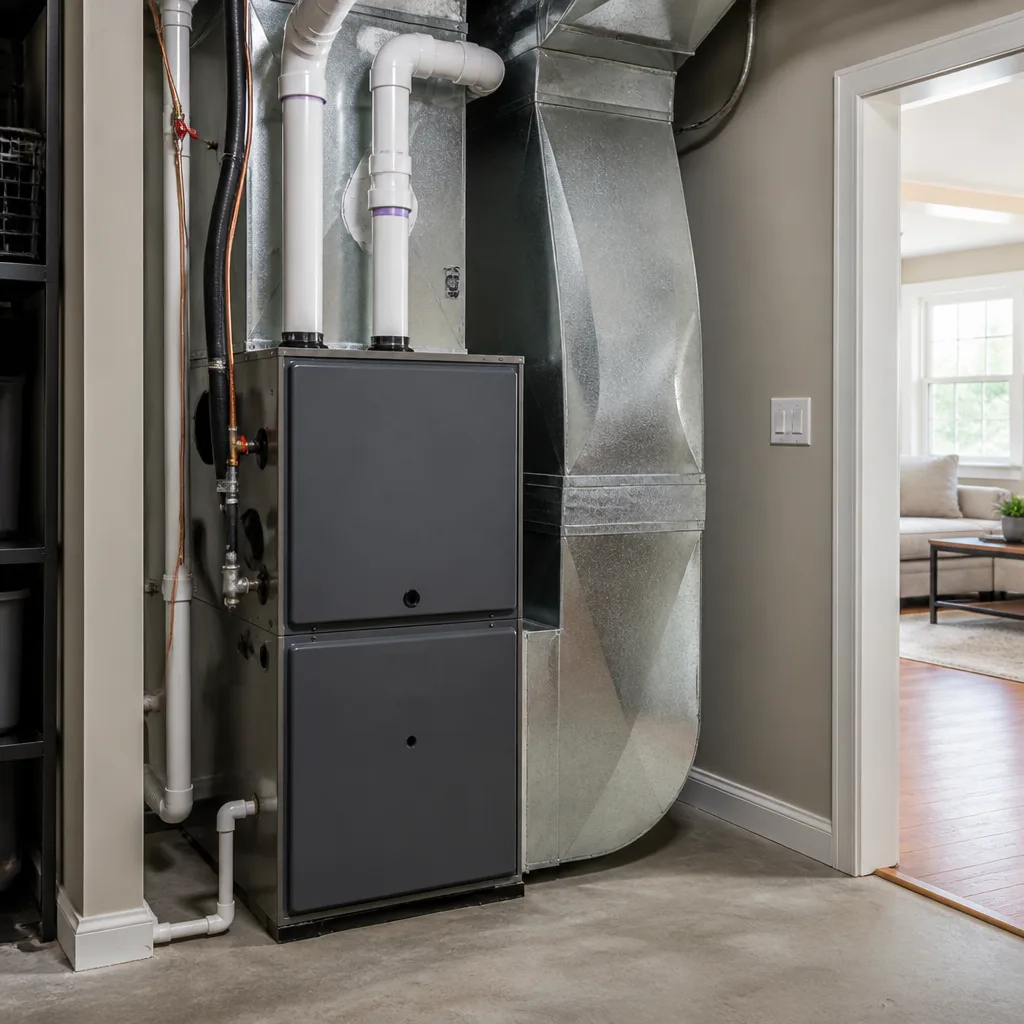 Furnace & heating
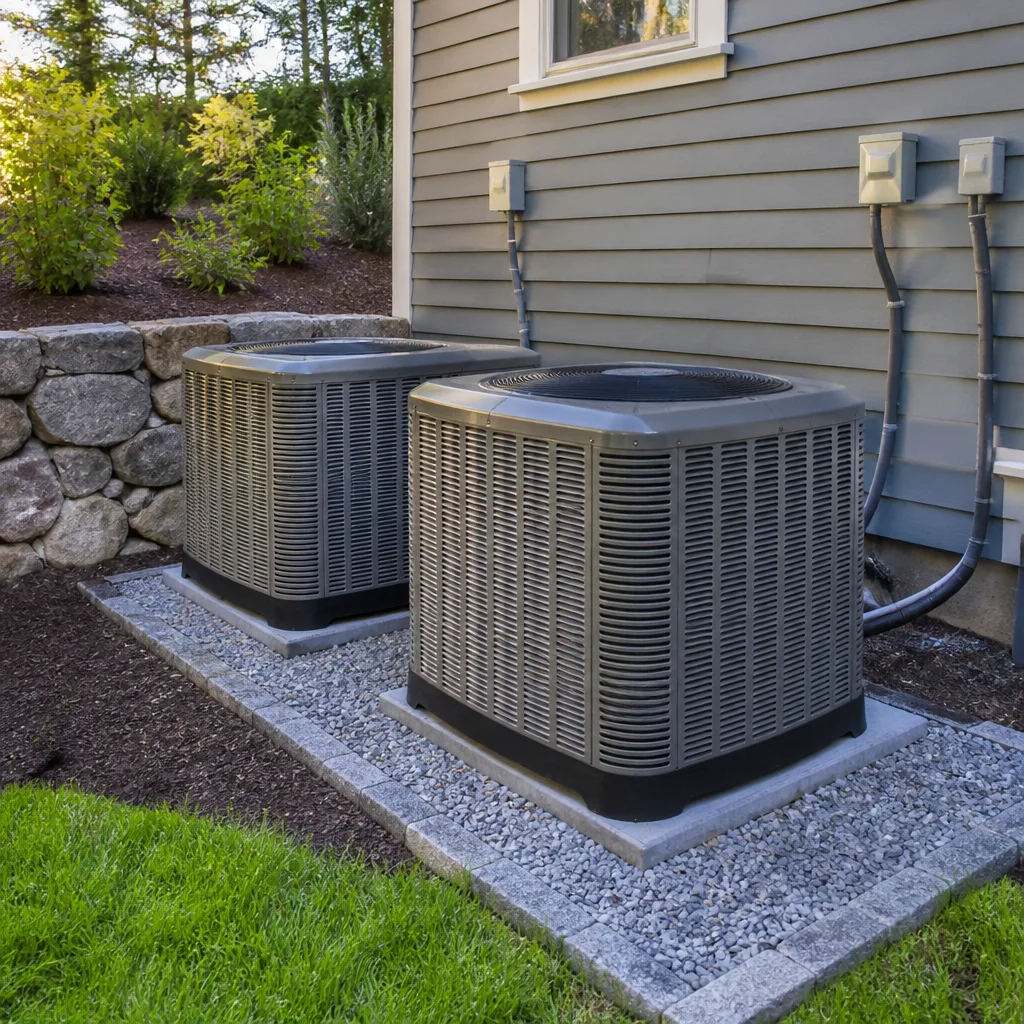 Heat pumps
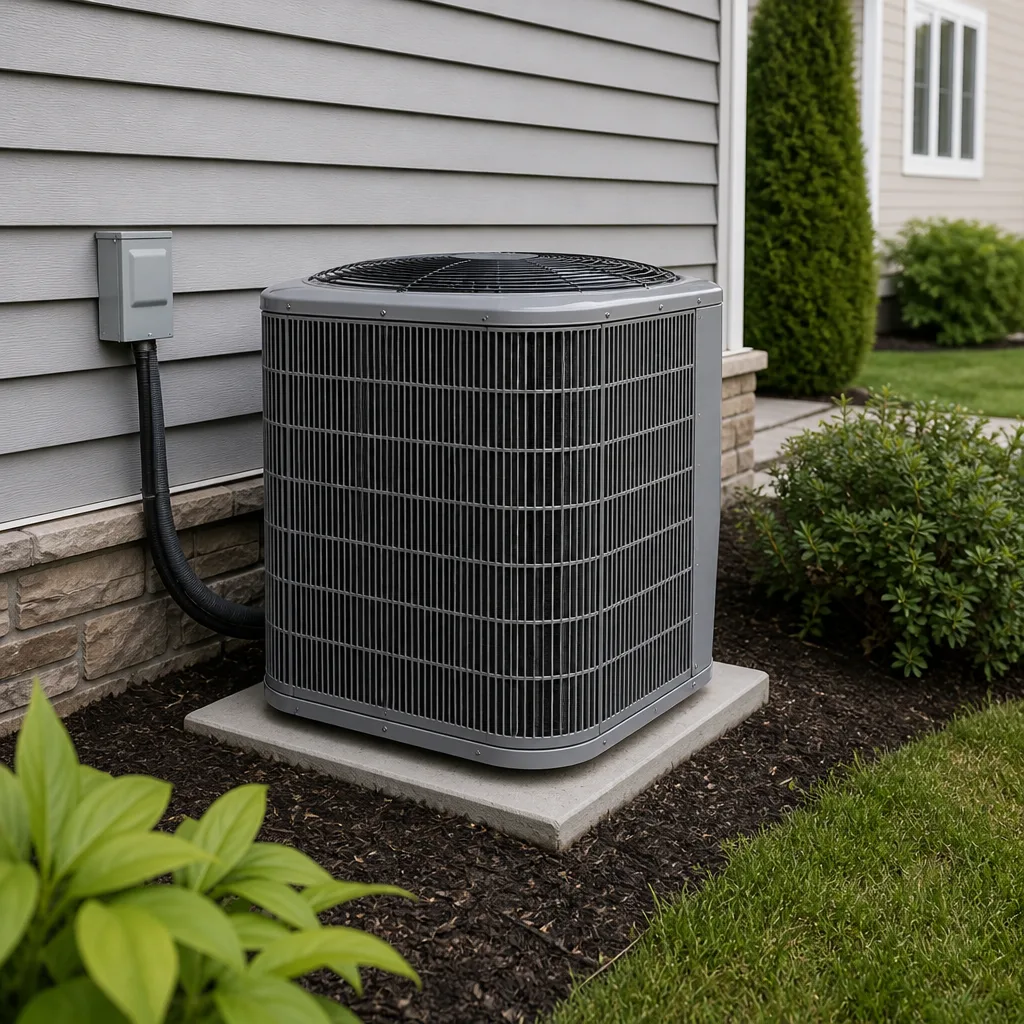 Carrier
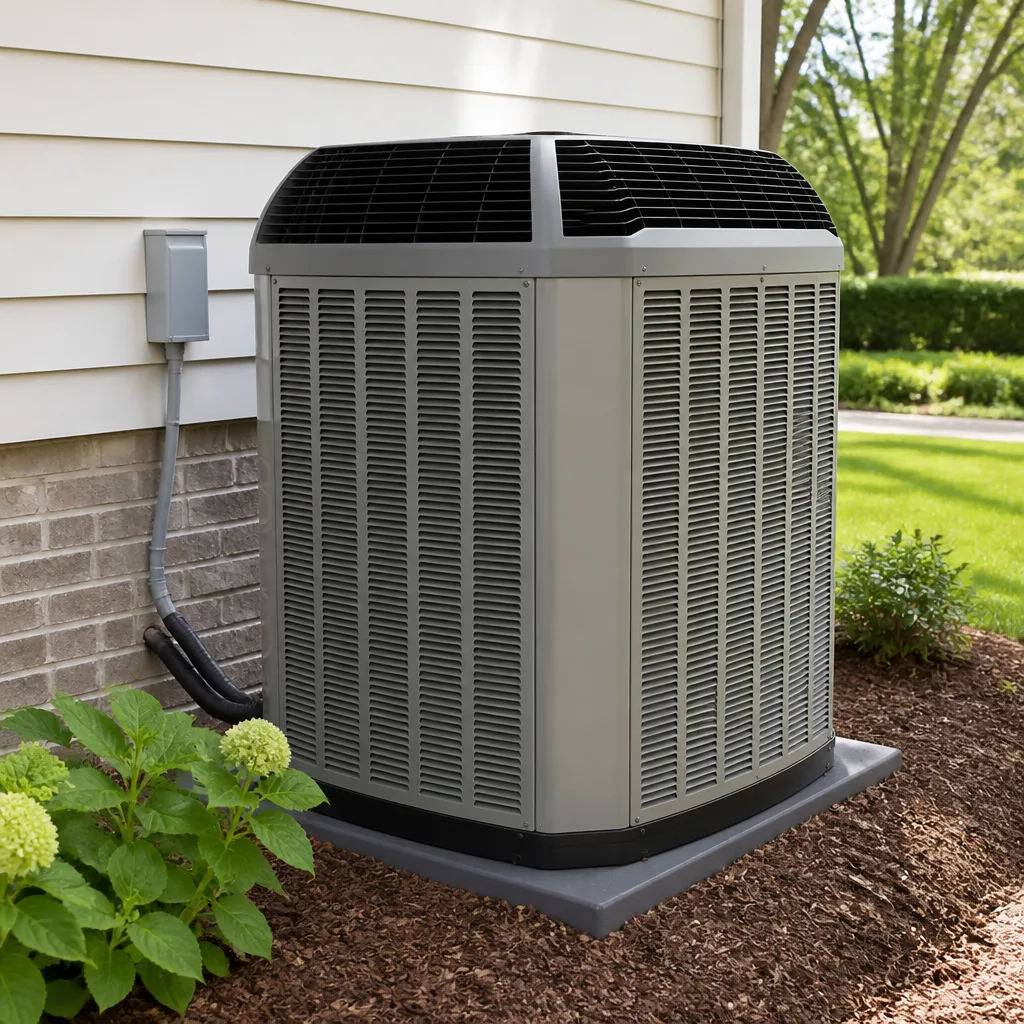 Trane
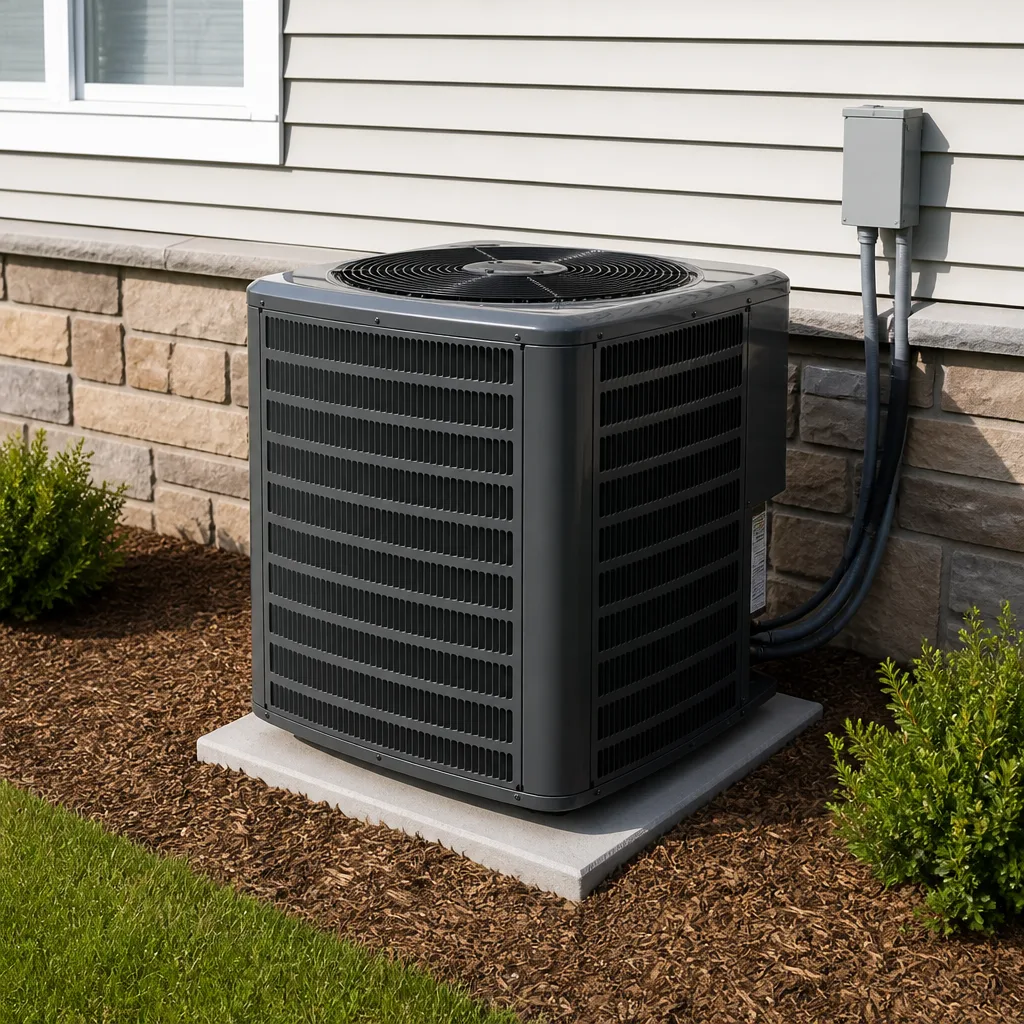 Goodman
Seasonal tune-up and full diagnostic on your Carrier, Trane, or Goodman system - readings shown to you before any repair is proposed
Diagnosis first, numbers second - you approve the repair price before a single part goes in.
Get your free estimateStyles & brands we work with
- AC repair
- Furnace & heating
- Heat pumps
- Ductless mini splits
- Carrier
- Trane
- Goodman
See the difference
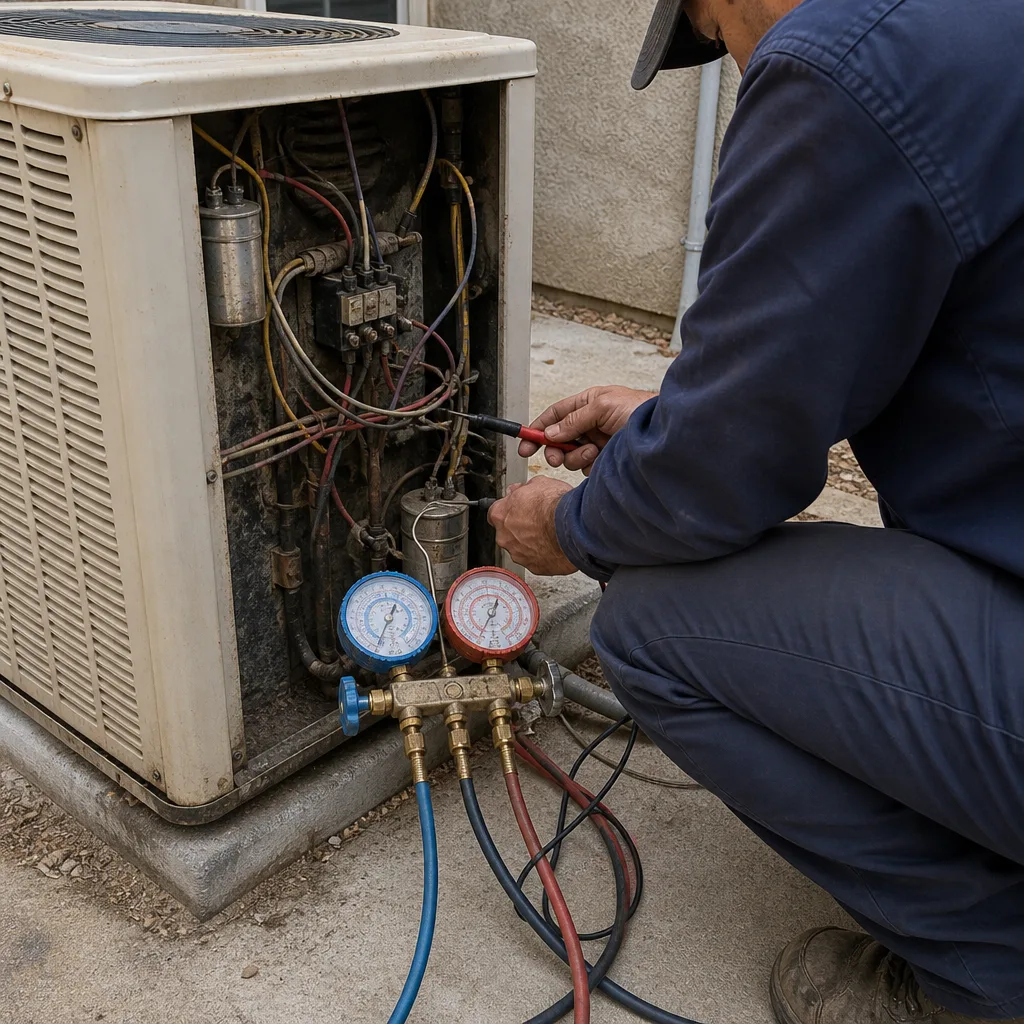 Before
 After
 Before
 After
 Before
 After
Mini Split vs. Central Air in Enterprise, NV: The Bottom Line First
Choose central air for a whole-house retrofit in a standard Enterprise ranch or tract home, and choose mini-splits for any space your ductwork doesn’t reach – a converted garage, a detached casita, a bonus room. If the space never had ducts, mini-splits win by default. For most Enterprise homes, the honest answer is a mix of both, sized to the actual load. Call (844) 797-9490 for a free assessment of which setup fits your house.
Key Takeaways
- Spaces without ducts (casitas, garage conversions, game rooms) can only be cooled practically by mini-splits.
- In Enterprise’s tile-roofed homes, leaky or poorly insulated attic ducts can lose 20-30% of cooled air before it reaches a room.
- An open floor plan with high ceilings usually favors extending central air, not adding five mini-split heads.
- Either way, you get a written price before any work starts and a live person on the phone, day or night.
Why the Conversion in the Backyard Changes the Whole Question
Ask around Enterprise and you’ll find the same story repeated: the original 1980s or 1990s ranch had three bedrooms and one thermostat. Then the detached garage became a gym, or the casita went in behind the house, or the game room got walled off over the patio. Those spaces share zero ductwork with the main system. Cooling them with central air would mean tearing open finished walls to run new trunk lines – expensive, disruptive, and often not possible on a slab without soffits to hide the duct.
A mini-split sidesteps all of it. You run refrigerant lines, not air, which means a small three-inch penetration through the stucco instead of a duct chase through the ceiling. In a town where summer temperatures routinely push past 110°F, a self-contained system for the room you actually use beats overworking the central unit to chill a space it was never designed to reach.
For a converted garage or a detached casita, this isn’t a close call. Whatever the main house runs on, the addition gets a mini-split. The Heat Pump & Mini Split in Enterprise page covers sizing and installation in more detail if that’s the direction you’re leaning.
The Attic Duct Problem Nobody Mentions
Central air moves air. Mini-splits move refrigerant. That single difference matters more in Enterprise than most places. Tile roofs here cap attic spaces that hit 140-150°F on an August afternoon. Ducts that run through that oven, especially in older homes with the original flex duct, can lose 20-30% of the conditioned air they’re carrying before it ever reaches a register. You pay to cool the attic instead of the living room, and the compressor runs longer because the house never quite catches up.
Mini-splits eliminate that loss entirely because there’s no duct to leak. Each indoor head delivers cooling straight into the room. The trade-off is that a mini-split can’t condition rooms you didn’t put a head in, so for an open floor plan you may need several heads – which is where mini-splits start losing the cost argument.
Side-by-Side: What Each System Actually Costs You
Prices below reflect typical Enterprise-area installation for a standard single-story home. Your exact number depends on load calculation, line runs, and whether we’re adding to existing equipment or starting fresh.
| What you’re paying for | Central air | Ductless mini-split |
|---|---|---|
| Full system installation | $3,500-$7,500 | $3,500-$7,500 for a single-zone or small multi-zone setup |
| Duct work | Included, but leaky ducts can cost you 20-30% efficiency | None required |
| Best fit | Whole-house cooling with existing ducts | Additions, casitas, garage conversions, single rooms |
| Humidity handling | Single thermostat, clumsy during monsoon season | Independent dehumidification mode per zone |
| Repair cost | $150-$650 typical | Compare on the same range; parts vary by brand |
| Routine tune-up | $80-$200 | $80-$200 per head |
Top brands we service and install include Daikin, York, and Bryant – all stocked in ductless and central configurations, so the comparison isn’t a product gap, it’s a fit question.
The Monsoon Window: Where the Two Systems Split Sharply
July through September in Enterprise brings a humidity spike that the rest of the year doesn’t. A properly sized mini-split with an independent dehumidification mode can pull moisture out without overcooling the space – something a central system on a single thermostat struggles to do. You end up with a house that’s cold but clammy, because the thermostat shuts the compressor off before the indoor coil has pulled much moisture out.
That said, this is a brief window. If your central system is otherwise fine, a small standalone dehumidifier handles it for a fraction of what a new system costs. The ductless advantage here is real but it’s not enough on its own to justify a whole-home change. And this is also the season when condensate lines clog and overflow – one of the most common service calls we run in Enterprise, and one that turns into water damage fast if nobody catches it.
When Central Air Wins: Open Plans, High Ceilings, New Builds
The newer custom homes in Enterprise with wide open great rooms and vaulted ceilings flip the math. To zone a space like that with mini-splits, you need more indoor heads, more refrigerant line sets, and more installation labor. Three or four heads on an open plan can cost more than extending a high-capacity central system that’s already there. In this case, the smart money is on central air – pour the savings into sealing and insulating the attic ducts so you’re not losing that 20-30% every summer.
Here’s the honest decision framework:
- No ducts in the space? Mini-split. No debate.
- Ducts exist but the house never feels cool? Investigate duct loss and system sizing before you buy anything new.
- Wide open plan with tall ceilings? Central air is usually cheaper to install and simplest to operate.
- One or two rooms that stay hot while the rest is fine? A ductless head for those rooms is often the least expensive fix.
Who’s Walking Through Your Door Matters Here
Mini-split installation means running refrigerant lines through exterior walls and putting holes in your home. That’s not a job you hand to a stranger off a flyer. Brandt HVAC Enterprise is part of the Threshold Group family, established in 2003, and each location is independently owned and operated. Every technician is background-checked and identity-verified under the Threshold Verified standard, and you get their name and photo before they arrive, plus a photo ID badge shown at the door. If someone shows up who you weren’t told to expect, that visit is on us.
Our technicians have up to 23 years of experience, so the load calculation and line-set routing are done right the first time. Every job starts with a written price you agree to before any work begins, and every repair carries a written guarantee backed by the 365-Day Done Right Promise – if it fails within the coverage window, we return at no charge. No hassle, no argument.
Frequently Asked Questions
Yes, for a single room or addition – a mini-split only cools the space you’re using, so you’re not paying to condition empty bedrooms. For a whole house with existing ducts in decent shape, central air is usually more efficient overall. Call (844) 797-9490 and we’ll size it out for your specific house – the estimate is free.
Most single-zone mini-split installations in Enterprise run $3,500-$7,500, and multi-zone systems land at the higher end of that range depending on how many indoor heads you need. Central air installation sits in the same range for a standard house. Call (844) 797-9490 for an exact quote – you’ll see the price in writing before anyone starts work.
Yes, and it’s common. Many Enterprise homes run both – central air for the main house, a ductless head for the garage conversion or casita. The two systems operate independently, so a mini-split failure doesn’t take down your whole house. Call (844) 797-9490 and we’ll tell you whether adding a head makes sense for your layout.
A single-zone mini-split install is typically done in one day, while a full central air replacement usually takes one to two days depending on duct work. In either case, the price is written and agreed before work starts, and every repair is backed by the 365-Day Done Right Promise. Call (844) 797-9490 to schedule.
If you’d rather have it looked at, Brandt HVAC Enterprise offers a no-pressure assessment in Enterprise – we’ll walk the house with you, run the load calculation, and put the options side by side in writing. Call (844) 797-9490 for a free estimate.
Written by the team at Brandt HVAC Enterprise, serving Enterprise, NV.