
Last updated November 17, 2026
 AC repair
 Furnace & heating
 Heat pumps
 Ductless mini splits
 Carrier
 Trane
 Goodman
Seasonal tune-up and full diagnostic on your Carrier, Trane, or Goodman system - readings shown to you before any repair is proposed
Diagnosis first, numbers second - you approve the repair price before a single part goes in.
Get your free estimateFurnace Repair Maintenance Schedule: What to Do and When
If you schedule furnace maintenance in October in the Las Vegas valley, you’re in a queue with tens of thousands of other households who all had the same idea. Rushed maintenance misses things. In our experience, a May or early June visit finds more, fixes more, and costs you less stress than a panicked October call. This guide walks through the full annual furnace schedule for an Enterprise home: the right timing, a task-by-task checklist you can hold a technician to, the two DIY jobs worth doing yourself, how to document everything for warranty compliance, and the real cost of skipping years. By the end you’ll know exactly what your furnace needs and when to schedule it.
Quick Answer
Schedule professional furnace maintenance once a year, ideally in May or early June, right after the cooling season ends and before the fall rush. Between pro visits, replace the filter on the schedule your filter type and dust load demand, and check the intake and exhaust vents for blockage. Annual maintenance in Enterprise should include combustion testing, a heat exchanger inspection, cleaning of the burners and blower, and a written report of everything checked and found.
Styles & brands we work with
- AC repair
- Furnace & heating
- Heat pumps
- Ductless mini splits
- Carrier
- Trane
- Goodman
Table of Contents
- Why May Beats October for Furnace Maintenance in Enterprise
- What an Annual Furnace Maintenance Visit Should Include
- The Two DIY Tasks That Extend Furnace Life Between Visits
- How to Document Maintenance for Warranty Compliance
- The Real Cost of Skipping Maintenance
- A Month-by-Month Furnace Calendar
- Furnace Brands We Service and What Years of Experience Mean for You
Why May Beats October for Furnace Maintenance in Enterprise
The timing problem is simple. In Enterprise, the first cold snap in late October or November sends every homeowner to the phone at once. Furnace maintenance demand spikes, schedules compress, and the visit you get is a hurried one. We’ve seen it from the other side: technicians running from call to call, parts like igniters and control boards back-ordered for weeks because everyone needs them at the same moment, and homeowners waiting on heat while the warehouse catches up.
May and June flip that. The cooling season is winding down, so an AC maintenance visit can be scheduled alongside the furnace check, and the technician working on your system has time to actually look. Slow work finds cracked heat exchangers, weak igniters, and worn flame sensors that a rushed October visit skips right past. And here’s the part most homeowners don’t consider: the desert climate in Enterprise rarely delivers a gradual fall. The first genuinely cold night can arrive with a wind shift and a fifty-degree drop. That’s when a neglected furnace shows its faults, and it’s exactly when repair lead times are longest.
Scheduling in late spring also gives you a runway. If maintenance turns up a part that needs ordering, you have months, not hours, before you need the heat. A York or Rheem unit with a failing inducer motor ordered in May might sit a week at the distributor. The same part in November can be back-ordered for weeks. Cold-season repair calls in Enterprise neighborhoods like the ones near the Cardenas and the older sections of Silverado Ranch are rare when the work happened in May.
What an Annual Furnace Maintenance Visit Should Include
A furnace tune-up isn’t one task. It’s a sequence. If a technician shows up, changes the filter, and leaves in fifteen minutes, the visit was incomplete. Here is the checklist a proper annual maintenance visit should follow, so you can compare it against what actually happens at your house.
A thorough visit typically runs one to two hours. Expect:
- Filter inspection and replacement. If the technician doesn’t pull the filter and check it, ask why.
- Combustion gas analysis. A combustion analyzer measures the flue gases. This is how a professional spots inefficient or unsafe burning, not by eye.
- Heat exchanger inspection. A cracked heat exchanger can leak carbon monoxide into your home. This is the single most important safety check and should be done carefully, often with a camera.
- Burner cleaning and flame sensor check. Burners clog, and a dirty flame sensor causes short cycling.
- Igniter inspection. A weak igniter is cheap to replace during maintenance and expensive to ignore.
- Blower motor cleaning and lubrication. A dirty blower wheel cuts airflow and strains the motor.
- Flue and venting check. Blockages, corrosion, or improper venting are safety issues.
- Gas pressure and electrical connection check. Loose connections and incorrect gas pressure cause inefficiency and failures.
- Thermostat calibration and a full heating cycle test. The furnace should run through a complete heating cycle while the technician watches.
- Written report of findings. On paper or by email. Ask for it before the technician leaves.
In our experience, the combustion test and the heat exchanger inspection are the two steps that get skipped when schedules are tight. Those are also the two steps that keep your family safe. If you ever get a furnace visit and the technician never runs a combustion analyzer, that’s a sign the visit wasn’t thorough.
The Two DIY Tasks That Extend Furnace Life Between Visits
Two tasks you can do yourself. Neither requires tools beyond a new filter and a flashlight.
1. Filter Replacement on a Real Schedule
Filter change intervals aren’t universal. They depend on filter type and how dusty your home runs. The Clark County climate delivers summer dust that settles into return-air intakes, and homes near the open desert on the eastern edge of Enterprise see more of it. A rough guide for most Enterprise homes:
- 1-inch fiberglass or basic pleated: every 30 days.
- 1-inch high-MERV pleated: every 60 days, or 30 in high-dust months.
- 4 to 5-inch media filters: every 6 to 12 months.
- Homes with pets or during windy spring months: shorten each interval by half.
Write the change date on the filter frame with a marker. When you change one, you’ll know exactly when the last one went in. That one habit prevents a clogged filter from starving the furnace blower in the middle of a cold snap.
2. Venting Obstruction Checks
Walk outside and look at the intake and exhaust terminations on the exterior wall or roof. Nesting birds, blown debris, and dust buildup can block them. We’ve seen foam insulation blown into a vent termination during exterior work and left there. Check the termination while you’re at it: on high-efficiency furnaces, the PVC pipes should slant slightly so condensate drains out. If the pipes look blocked, don’t try to clean them yourself. Call a professional. Venting issues are combustion-safety issues, and the fix belongs with someone trained to test the system afterward.
If either check turns up something you don’t like, the right move is a professional visit, not a guess and a reset. That’s why furnace repair in Enterprise is handled by technicians who test the whole system after any change to venting or combustion.
How to Document Maintenance for Warranty Compliance
Most furnace manufacturer warranties require proof of annual professional maintenance. Skip the documentation and you may void coverage on parts. A warranty claim that would have covered a $400 blower motor can turn into an out-of-pocket repair if you can’t show the maintenance happened.
What the technician should provide, in writing:
- The date of service and the address.
- A list of every task performed, not a generic stamp.
- Findings and any recommended repairs, with photos where relevant.
- Parts and labor in writing, if any repair is recommended.
- A written guarantee on any repair performed, stating what it covers and for how long.
Store the report in a single folder, physical or digital, dedicated to your home’s mechanical records. If you ever sell the home, that folder becomes a selling point. If you ever file a warranty claim, it becomes the evidence.
At Brandt HVAC Enterprise, every repair comes with a written guarantee, and every job starts with a written price before any work begins. That written record serves you twice: once as a to-do list and once as warranty proof.
The Real Cost of Skipping Maintenance
Compare maintenance against repairs, and the math is lopsided in maintenance’s favor. Here’s a specific trajectory over a typical ten-year furnace lifespan in Enterprise:
| Year | With annual maintenance ($120/yr) | With skipped maintenance |
|---|---|---|
| 1 – 3 | $360 in tune-ups | $0 spent |
| 4 | $120 tune-up | $250 igniter replacement (failure finally shows up) |
| 5 | $120 tune-up | $180 flame sensor replacement |
| 6 | $120 tune-up | $400 blower motor replacement |
| 7 | $120 tune-up | $600 inducer motor replacement |
| 8 | $120 tune-up | $1,200 for a system too far gone to repair |
| 9 – 10 | $240 in tune-ups | Full replacement years earlier than necessary |
| Total | ~$1,200 over ten years | $2,600+ in repairs, plus early replacement |
Those are typical numbers, not guarantees. Igniter replacements often run $150 to $300, parts and labor included; a blower motor can run $350 to $600; an inducer motor is often $400 to $700. A cracked heat exchanger on a 12-year-old furnace usually means replacement, not repair.
The exact trajectory varies by unit, usage, and how much dust the house handles, but the direction is always the same. A $120 annual visit is far cheaper than the repairs it prevents. What it also buys you is certainty: the heat comes on when you need it, and the combustion test confirms it’s burning safely. A failing furnace for two weeks in January, when the valley’s supply of rental heaters has run out and every hotel and motel on Boulder Highway is booked, is its own kind of cost.
A Month-by-Month Furnace Calendar
Run the furnace on this calendar and you’ll never get caught by a cold snap.
- January – March: Heating season. Change the filter on your schedule. If the furnace short-cycles or makes odd banging or rattling noises, call for repair, don’t wait it out.
- April: Transition month. Change the filter. Check the vent terminations outside while the system is still running occasionally.
- May: Schedule the annual professional maintenance visit. This is the target month for Enterprise. Combine with AC service if you have it.
- June: Backup month if May fills. Any parts found during the visit should be ordered now, not in September.
- July – August: Cooling season. The furnace sits idle, but the filter still needs attention if the same blower serves both systems.
- September: If you’ve been putting off maintenance, call now, before the October rush hits.
- October: If everyone else is in line, expect longer waits and less thorough visits. Book anyway if you must.
- November – December: Heating peak. A well-maintained furnace from a May visit should run without a fight. If yours doesn’t, that’s a sign the May visit didn’t happen or wasn’t thorough.
Furnace Brands We Service and What Years of Experience Mean for You
Brand choice matters less than maintenance. A Goodman or a Daikin unit that gets annual service outlasts a premium unit that doesn’t. That said, some brands have quirks worth knowing. Goodman heat exchangers are durable but sensitive to airflow restriction, so filter discipline matters more. Rheem and York units benefit from careful attention to the inducer motor, which is a common failure point in desert climates with heavy dust. Daikin units in newer Enterprise construction often pair with inverter systems, and the diagnostics on those need a technician who knows the electronic controls, not just the gas side.
Our technicians have up to 23 years of experience across those brands and the rest of the major names: Carrier, Trane, Lennox, Bryant, and American Standard included. That experience matters most when a diagnosis is unclear. On a system that’s been neglected for years, experience is the difference between replacing the wrong part and finding the right one.
Because each Brandt HVAC location is independently owned and operated, the technician who comes to your door is a local professional who knows how Enterprise homes are built, how the desert dust behaves, and what fails first in this climate.
Common Mistakes to Avoid
- Waiting for the first cold snap. In Enterprise, that’s the same week as fifty thousand other homeowners. You’ll wait longer, pay more urgent rates, and get a less thorough visit.
- Accepting an “eyeball” inspection. If a technician doesn’t run a combustion analyzer and doesn’t look carefully at the heat exchanger, you haven’t had a combustion-safety check. You’ve had a filter change with paperwork.
- Skipping filter changes between visits. A clogged filter cuts airflow, which raises furnace temperature and shortens heat exchanger life. The cheapest maintenance you can do is the one you’re most likely to forget.
- Ignoring the vent terminations. Blocked or improperly sloped venting is a combustion-safety issue, and in Enterprise homes it comes from windblown dust, nesting birds, and foam insulation. Check it, and call a pro if something’s wrong.
- Not documenting the visit. If you can’t produce a written report, the manufacturer may deny a warranty claim. Keep the report.
- Letting a repair go without a written guarantee. Any repair that isn’t guaranteed in writing is a repair you may pay for twice.
- Trusting whoever shows up at the door. If you weren’t told the technician’s name in advance, and no photo ID badge appears at the door, don’t let them in.
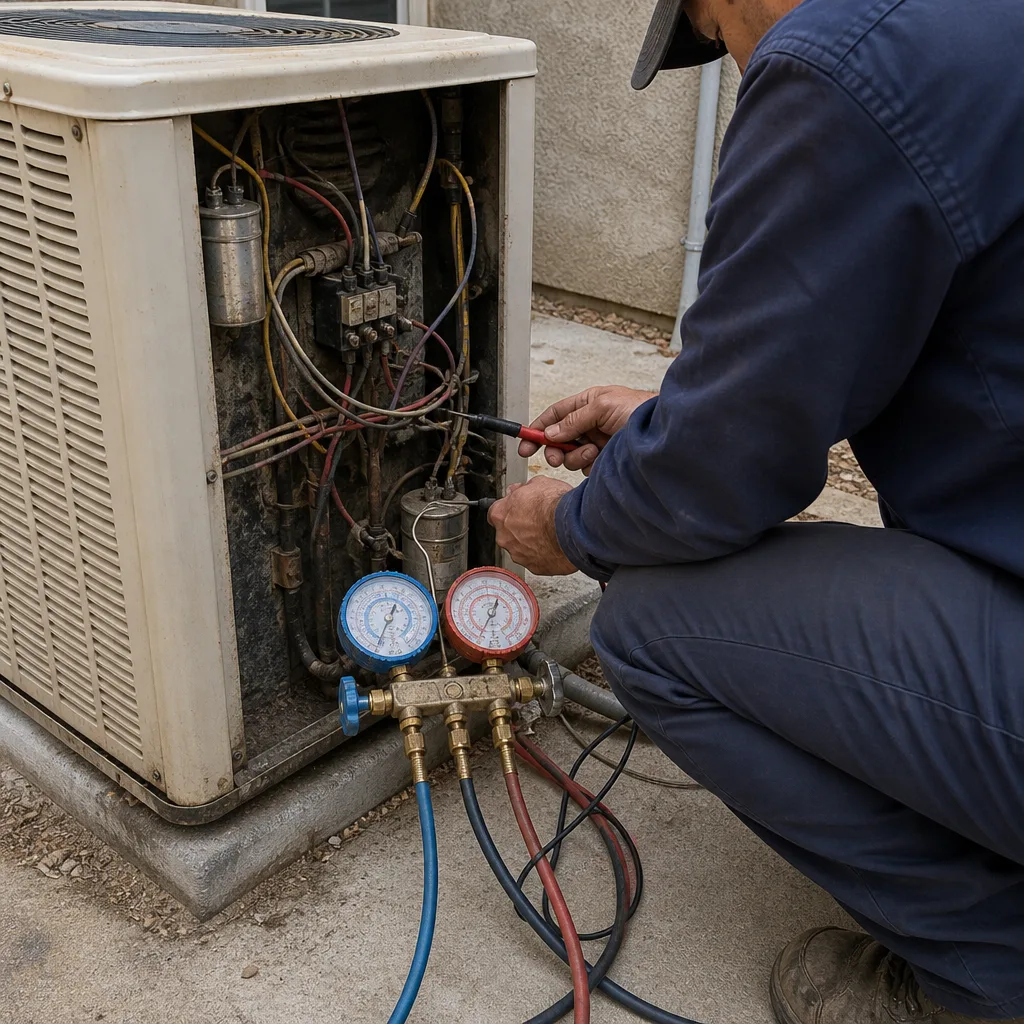
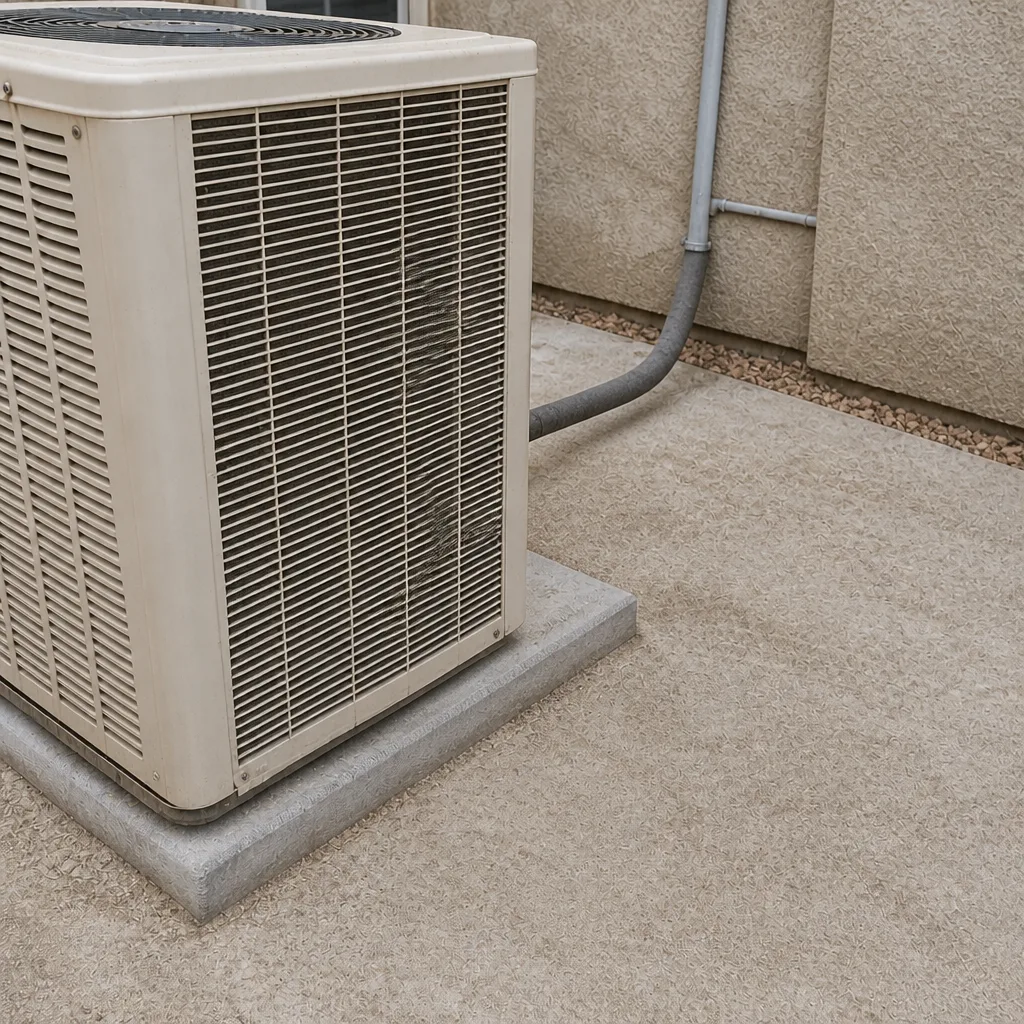
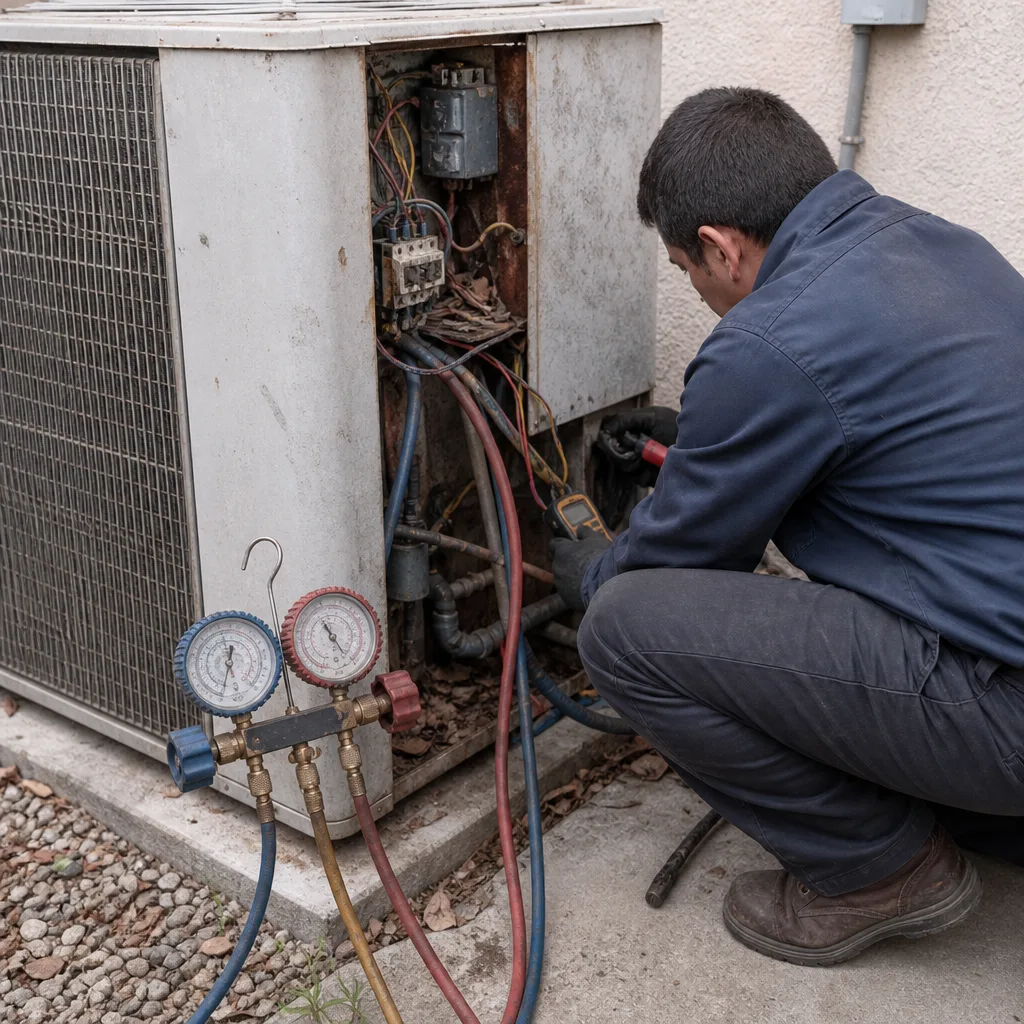
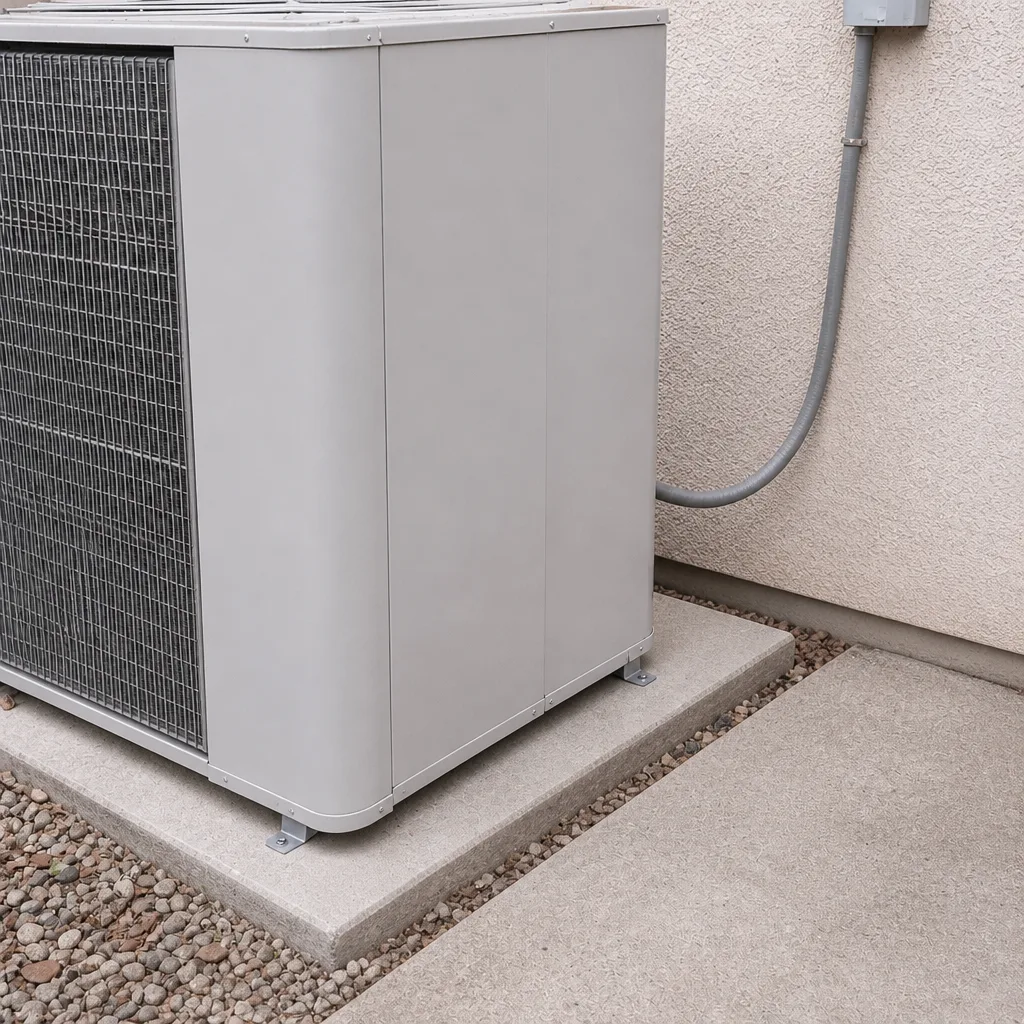
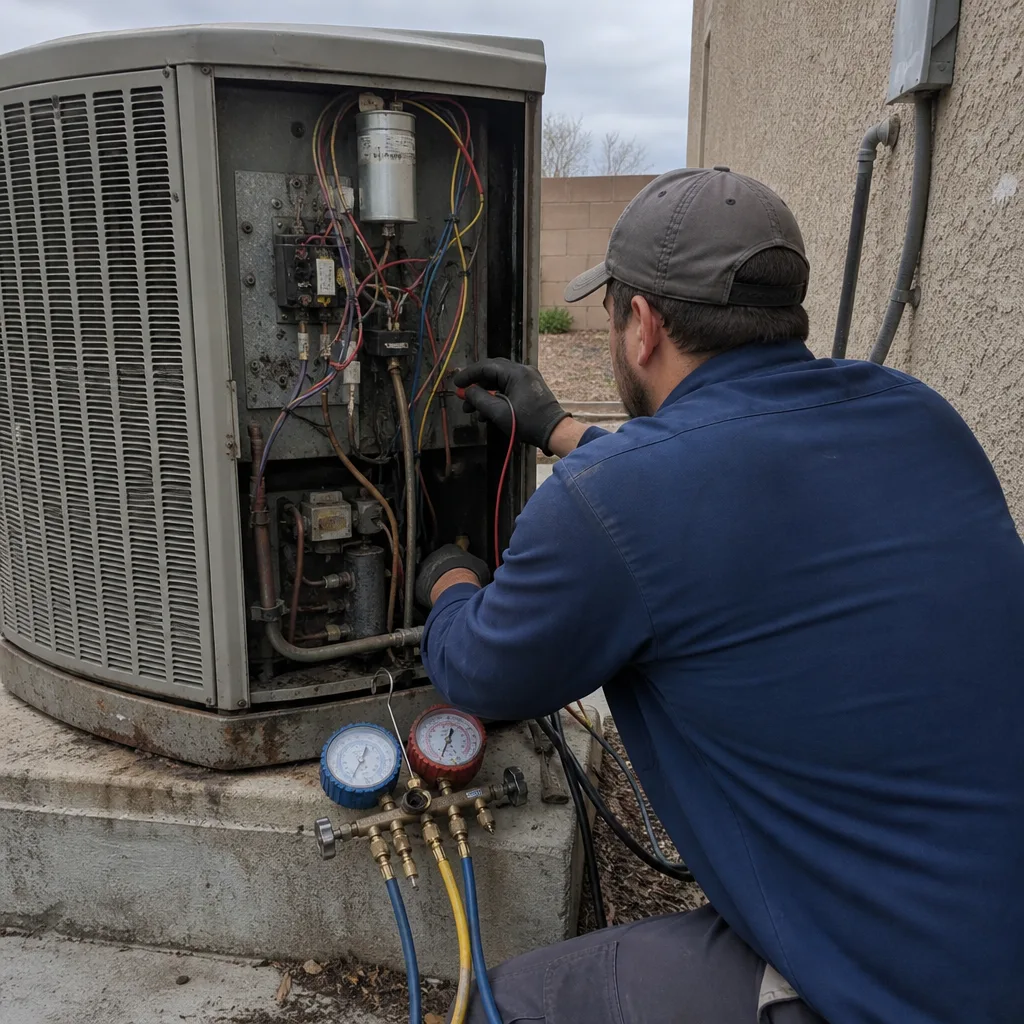
See the difference
 Before
 After
 Before
 After
 Before
 After
When to Call a Professional
Some furnace problems are maintenance tasks. Some are emergencies. Call a professional immediately if you smell gas, if your carbon monoxide alarm goes off, if the furnace won’t ignite after a filter change and thermostat reset, or if the system short-cycles repeatedly. Call soon if you hear banging, rattling, or a squealing blower, or if the flame looks yellow instead of blue. Those are signs of a failing component or a combustion issue, and they don’t fix themselves.
Brandt HVAC Enterprise offers free estimates in Enterprise – call (844) 797-9490. Our phones are answered by a live person 24 hours a day, seven days a week, including nights, weekends, and holidays. You won’t get voicemail or a callback queue. And you’ll know the name and photo of the technician coming to your door before they arrive, with a photo ID badge shown at the door.
Frequently Asked Questions
Once a year, ideally in May or early June, before the heating season. Annual service keeps the system safe, efficient, and under warranty. In Enterprise’s desert climate, the timing matters more than the frequency, because October visits are rushed and May visits are thorough.
A typical annual maintenance visit runs $100 to $180, depending on the system and what’s included. Repairs found during the visit are priced in writing before any work starts. That’s the no-hassle upfront pricing we follow on every job. Call (844) 797-9490 for an exact quote for your system.
You can, but you shouldn’t. Skipping a year doubles wear on the filters and the blower motor, removes your safety check on the heat exchanger, and can void manufacturer warranty coverage. The $120 you save tends to turn into $300 to $600 in repairs within a year or two.
At minimum: filter inspection, combustion gas analysis, heat exchanger inspection, burner cleaning, flame sensor and igniter checks, blower cleaning, flue and venting inspection, gas pressure check, thermostat calibration, and a full heating cycle test. If any of those are missing, the visit isn’t complete.
Yes. We service all major residential brands, including Carrier, Trane, Lennox, Goodman, Rheem, York, Daikin, Bryant, and American Standard. Our technicians have up to 23 years of experience across those systems. Call (844) 797-9490 to schedule service.
If a repair fails within the guarantee period, we return at no charge under the 365-Day Done Right Promise. That’s a full year of coverage. The guarantee is written and included with the repair, so there’s no argument about what it covers.
The Bottom Line
Furnace maintenance works best on a schedule you plan, not a schedule you react to. In Enterprise, that means a May or early June professional visit, filter changes on a real timetable, vent checks each spring, and written documentation kept in one place. The compounding math is clear: about $1,200 over ten years against $2,600 or more in preventable repairs, plus the risk of early replacement. If you want the visit done right, by a technician you’ve been told about in advance and can verify at the door, call Brandt HVAC Enterprise at (844) 797-9490. Free estimates. A live person answers the phone. Every job begins with a written price.
If you’re ready to schedule, or want to understand how furnace maintenance pairs with AC repair in Enterprise or the broader Brandt HVAC Enterprise home services, we’re here to help.
Written by the team at Brandt HVAC Enterprise.