
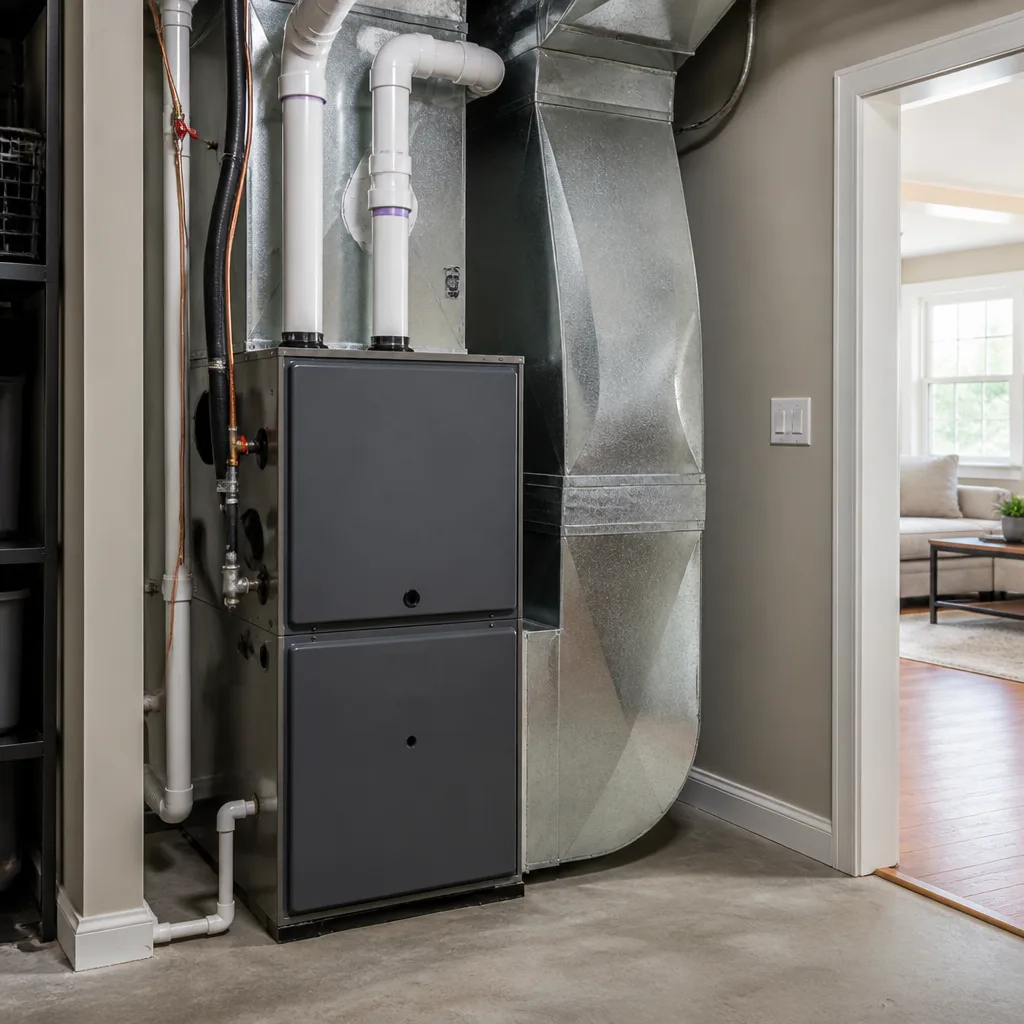
 Furnace & heating
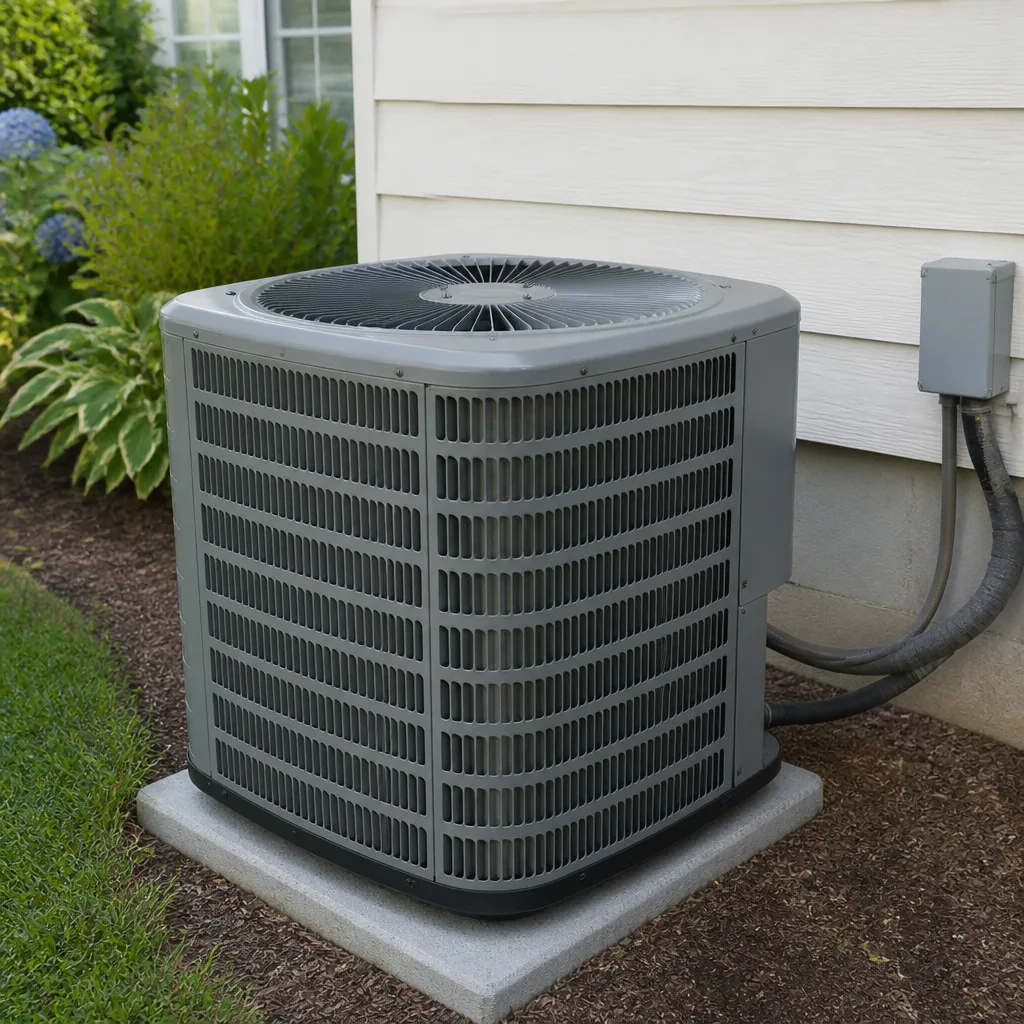 AC repair
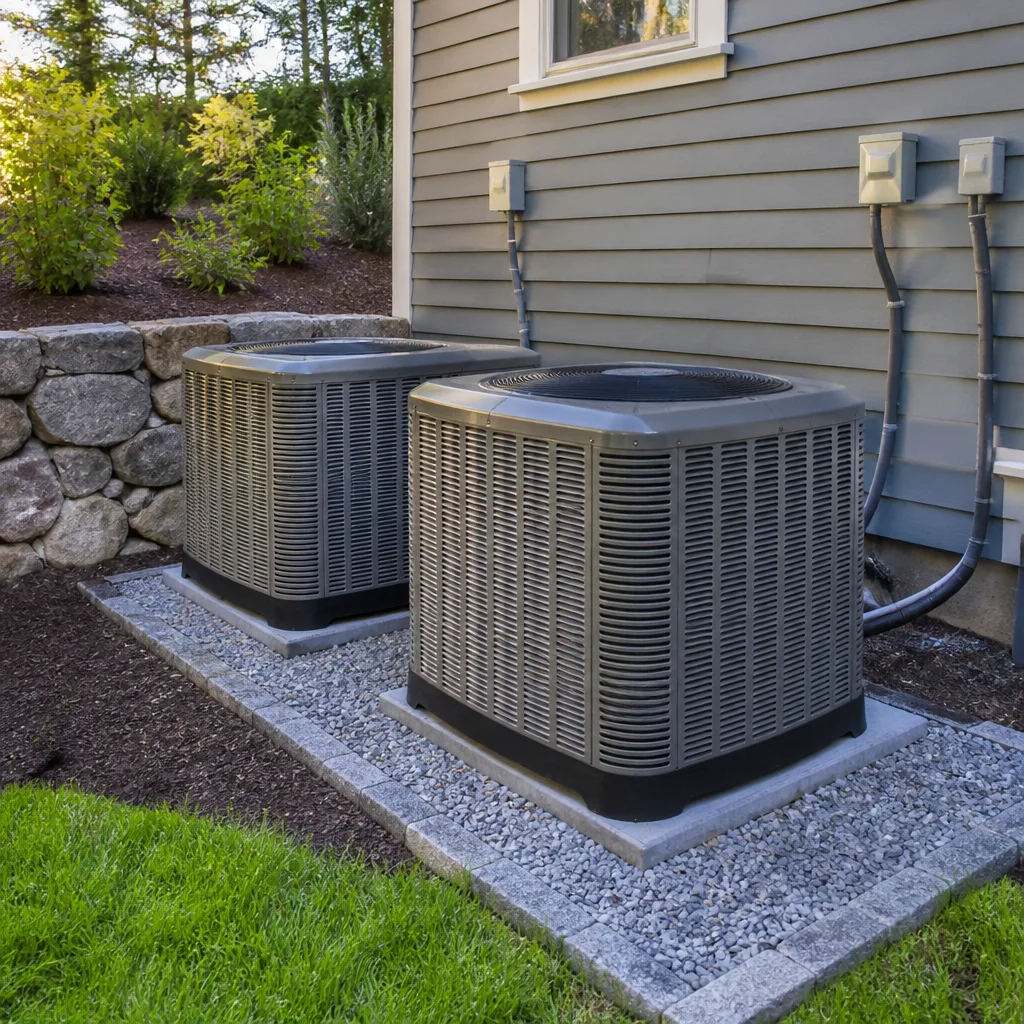 Heat pumps
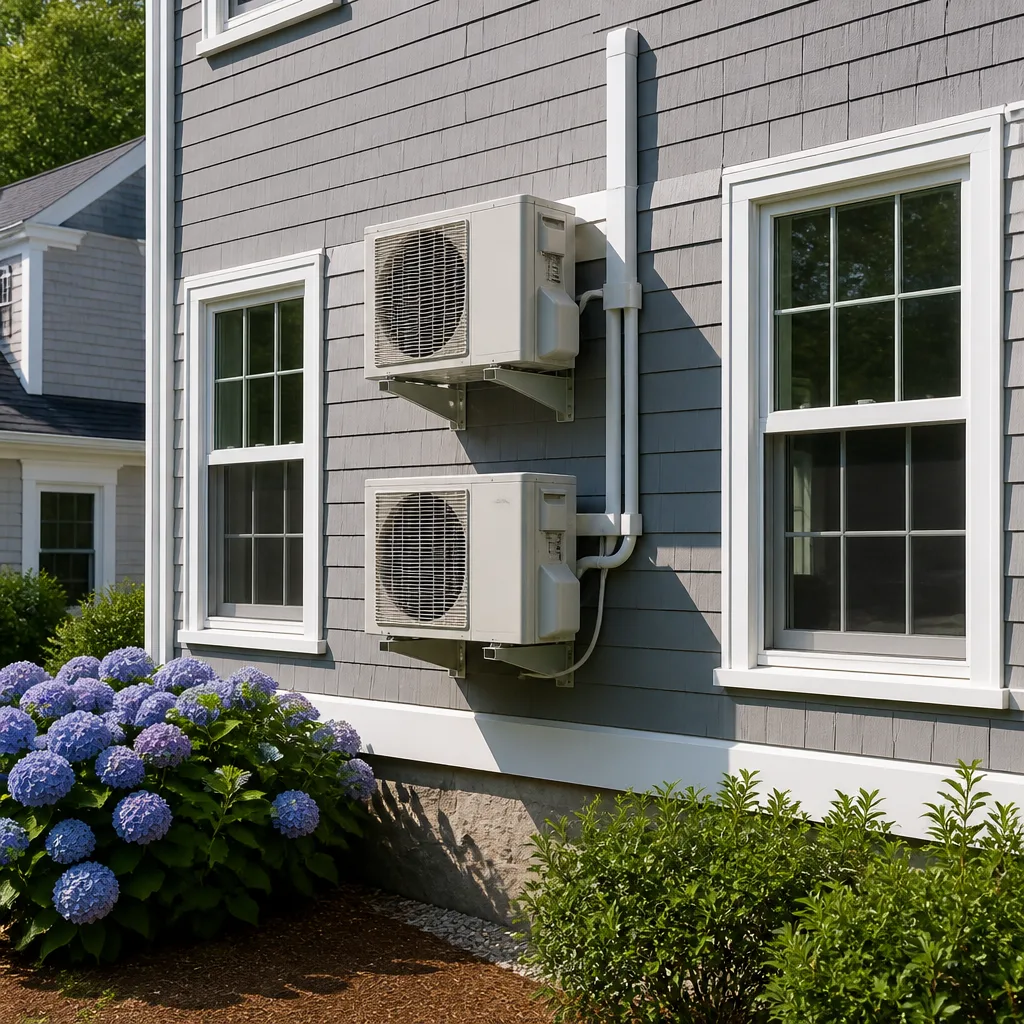 Ductless mini splits
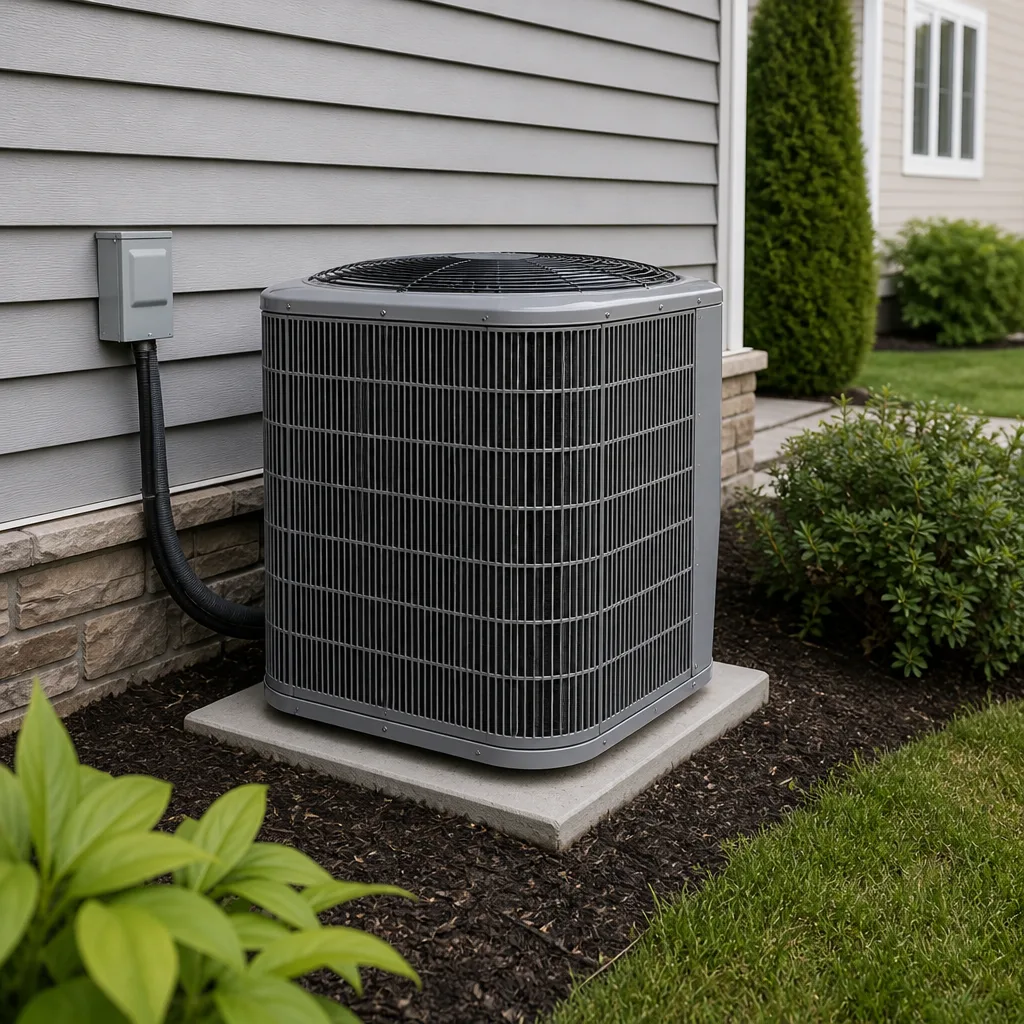 Carrier
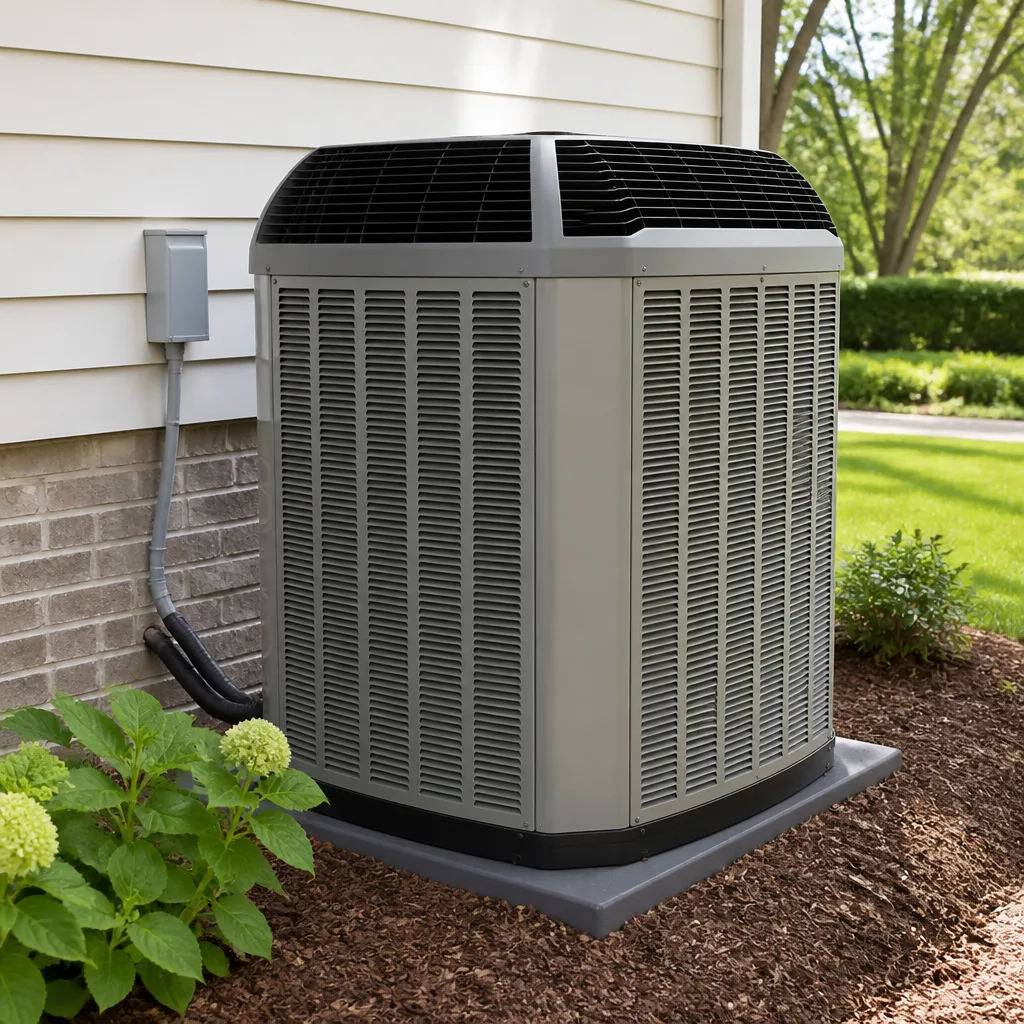 Trane
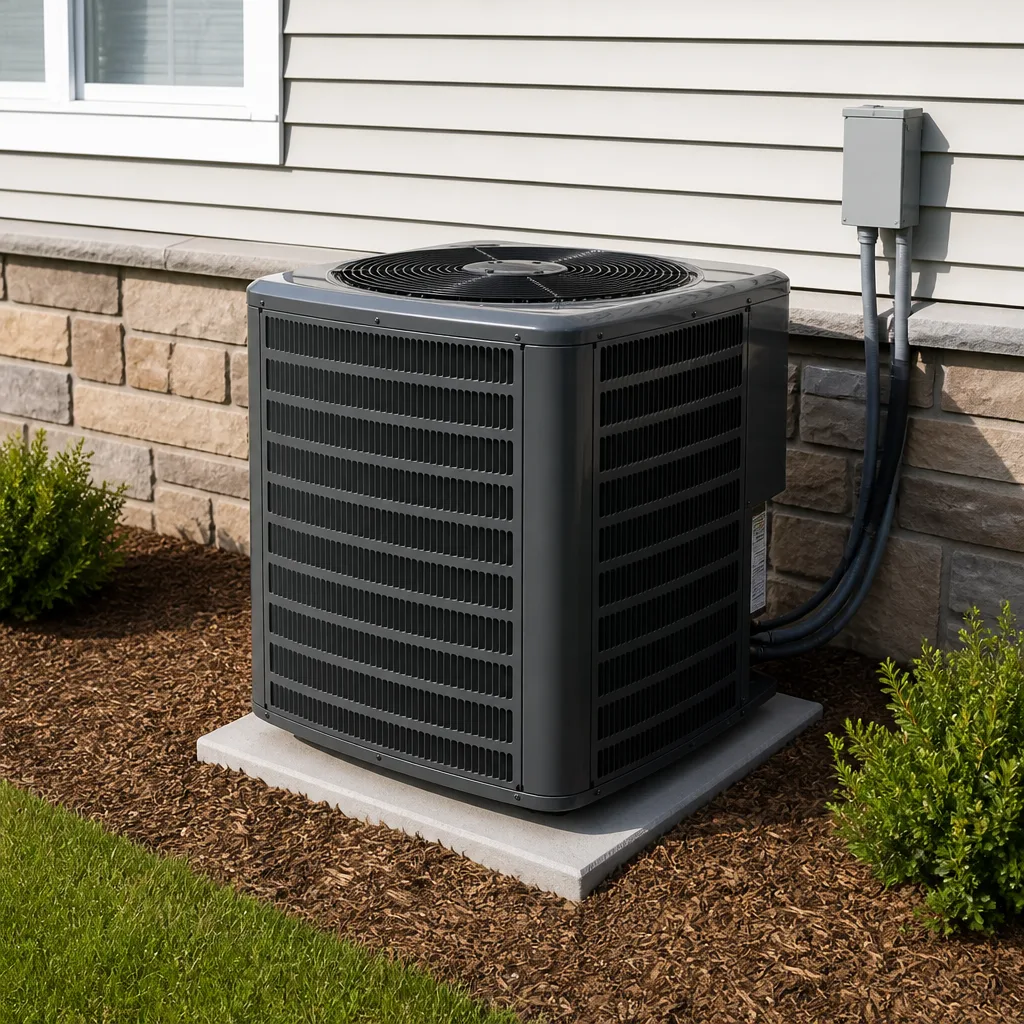 Goodman
Seasonal tune-up and full diagnostic on your Carrier, Trane, or Goodman system - readings shown to you before any repair is proposed
Diagnosis first, numbers second - you approve the repair price before a single part goes in.
Get your free estimateStyles & brands we work with
- AC repair
- Furnace & heating
- Heat pumps
- Ductless mini splits
- Carrier
- Trane
- Goodman
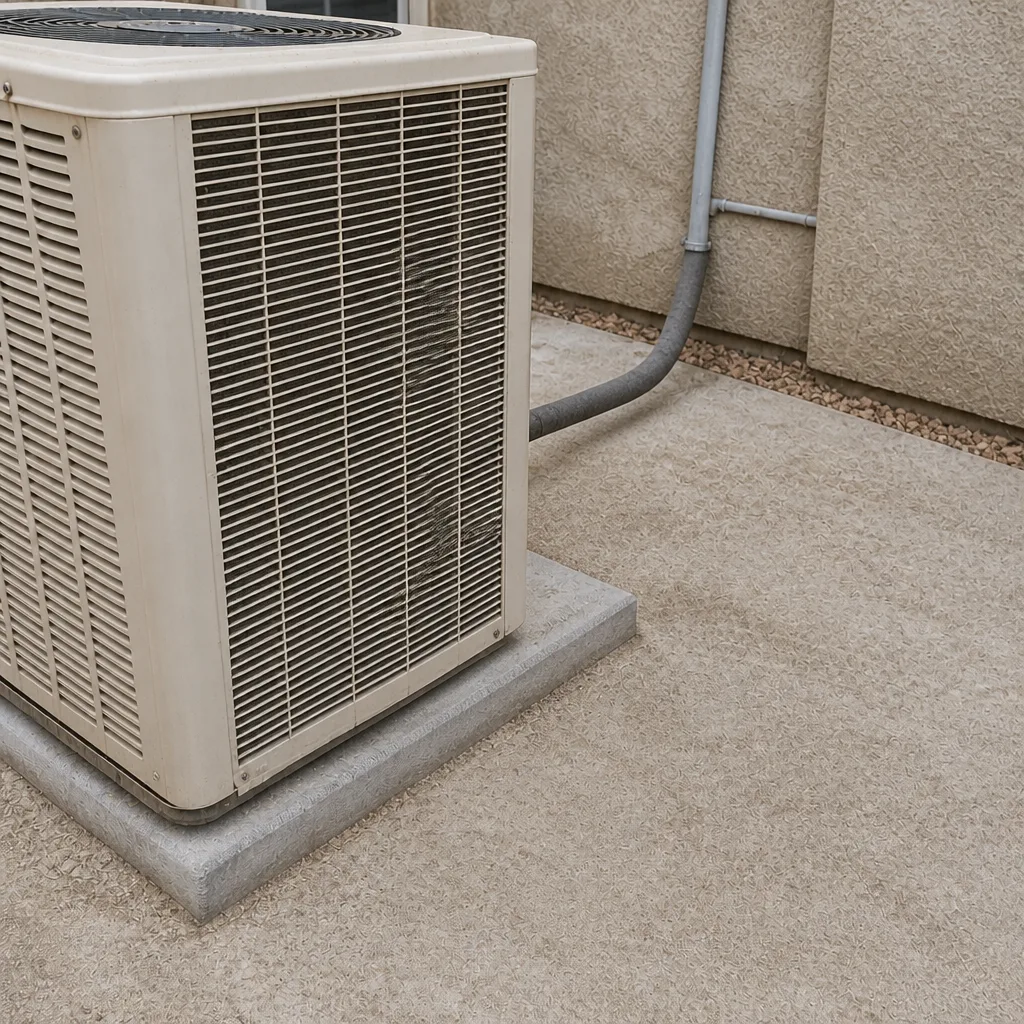
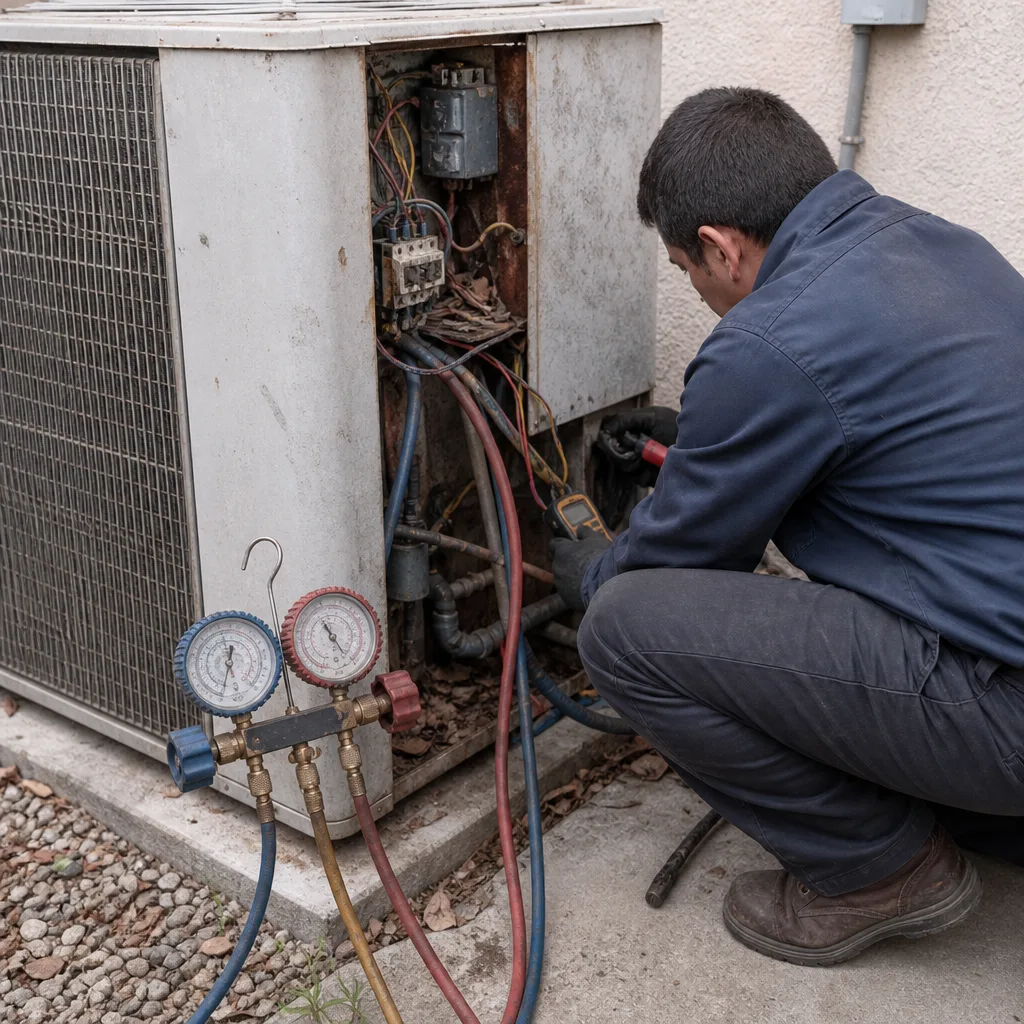
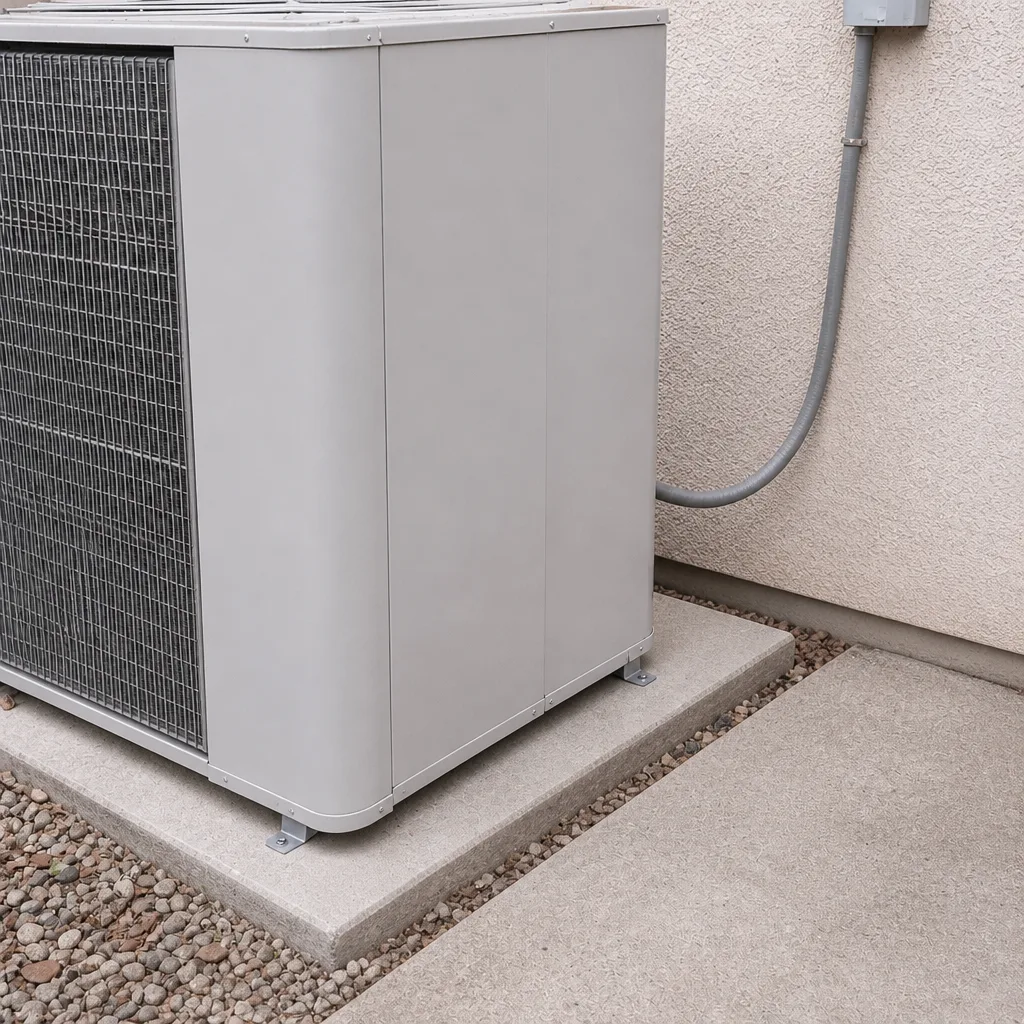
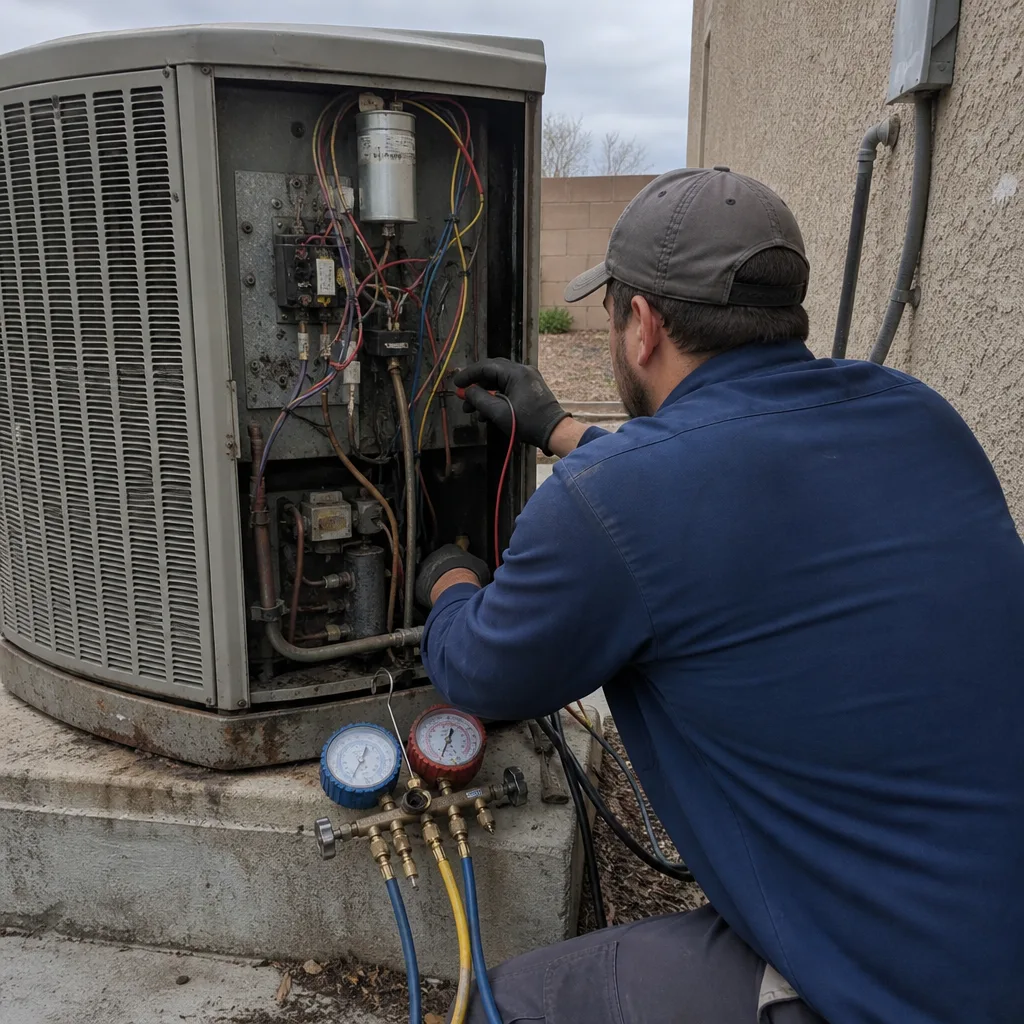
See the difference
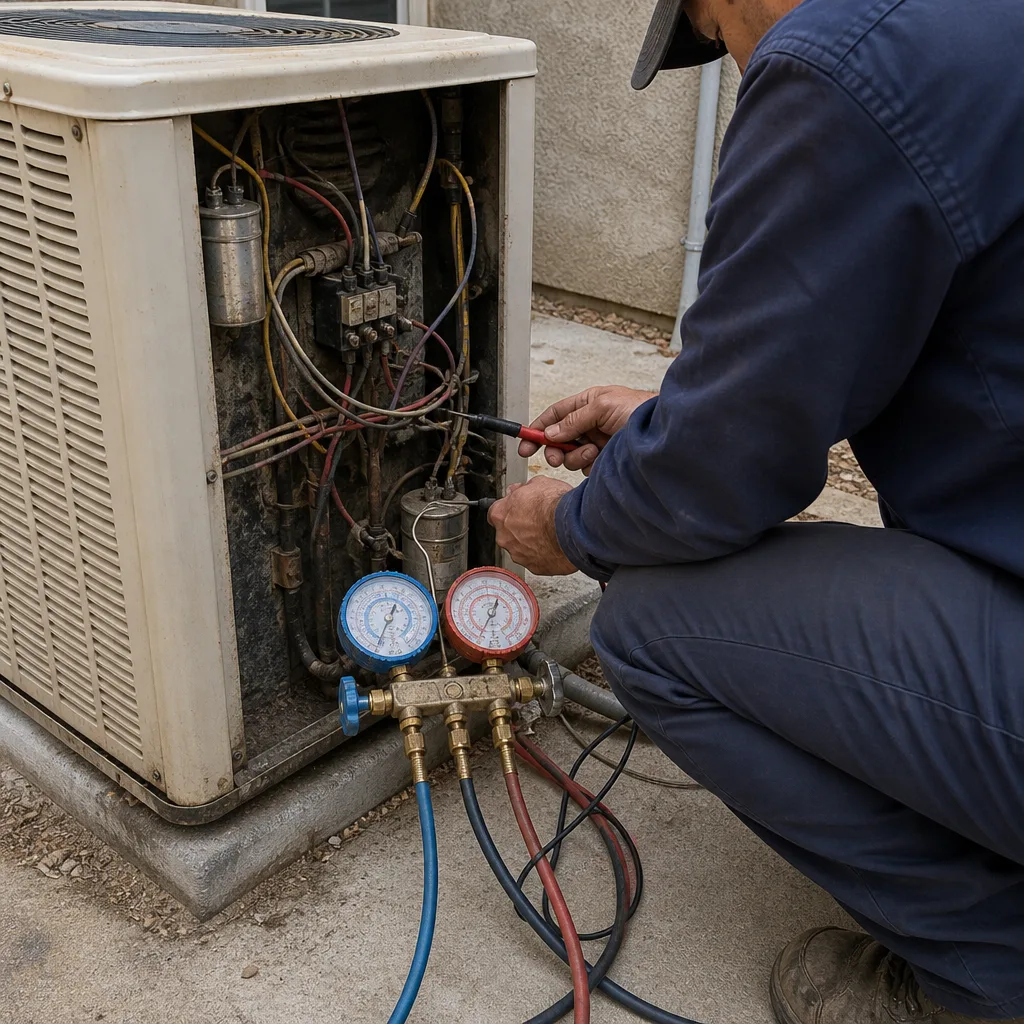 Before
 After
 Before
 After
 Before
 After
Furnace Blowing Cold Air in Enterprise, NV? Here’s What’s Most Likely Happening
The most likely cause of a furnace blowing cold air in Enterprise is a heat exchanger that cracked from desert attic heat, not from running the heat. Stucco homes with tile roofs here sit under attic temperatures of 130-145°F for months, and that daily expansion and contraction fatigues the metal even when the furnace barely fires. A cracked heat exchanger also lets combustion gases mix with your air, which makes cold air a stop-and-call symptom. If you’re already there, call (844) 797-9490 and a live person answers, day or night.
Your Enterprise furnace may have run for all of 15 days last winter. It also spent 150 days in an attic hot enough to cook an egg on the joists. That second part is what we see fail, and it’s the reason a “barely used” system can start blowing cold the first time you actually need it.
Why Desert Heat Ages a Furnace That Never Runs
Metal doesn’t care whether the burners are lit. A heat exchanger in a Las Vegas Valley attic goes through a full daily cycle of expansion and contraction from May through September, and the housing stock here makes it worse. Older ranch homes from the 1980s and 1990s in Enterprise often have attic insulation that’s settled or thin, and newer tightly sealed builds trap even more heat up there. Either way, the metal is being worked every single day.
Fatigue cracks start small, usually at the seams and bends where the metal flexes most. They stay invisible until the furnace finally runs in winter and you notice the air coming out of the registers is cool instead of warm. By then the crack has had a whole summer to open up. That’s the pattern we walk into most often with a Carrier or Trane system in an Enterprise stucco home: low run hours, high attic hours, cold air on the first cold night.
Why this is a safety issue, plainly: the heat exchanger is the wall between the flame and the air you breathe. When it cracks, carbon monoxide can enter the airstream. That is the one reason we never treat cold air as a wait-and-see problem, especially in a home where the furnace hasn’t been inspected since last winter. If you smell exhaust, feel lightheaded, or your CO alarm sounds, get everyone outside and call for help before anything else. A heat exchanger isn’t a part a homeowner should be opening up.
Three Causes, Three Different Symptom Patterns
Not every cold-air call is a cracked heat exchanger, and the symptom pattern usually tells you which one you’re dealing with. Here’s how we triage it.
1. The limit switch is tripping (furnace lights, then shuts off, blower keeps running)
If you hear the burners light, get a few minutes of warmth, then cold air that never stops moving, a limit switch is likely cutting the gas because the furnace is overheating. Restricted airflow does this: a clogged filter, a blocked return, or a blower wheel packed with desert dust. The blower keeps running to cool things down, which is exactly why the air feels cold.
2. A dirty flame sensor (lights for a few seconds, then quits)
The flame sensor proves a flame is present before the gas valve stays open. When it’s coated, the furnace lights, shuts off after a few seconds, and repeats. You get a whoosh, then nothing but room-temperature air. Cleaning or replacing it is quick work, and it’s a common call for us in Enterprise homes where the system sat idle all summer.
3. A cracked heat exchanger (combustion stays separate, air goes cool)
Here the furnace may run normally, light normally, and still deliver cool air because the breach is letting combustion gases into the airstream instead of warming it cleanly. This is the one that gets flagged for replacement rather than repair in most cases, and it’s the reason a proper inspection matters more than a quick part swap.
4. The ignitor failed without warning
Silicon carbide ignitors degrade faster when they sit in extreme heat. An ignitor that tested fine in September can fail on the first sustained cold night in December. The system blows cold because it never actually lights at all. This one catches a lot of Enterprise homeowners off guard, because there was no warning sign the day before.
What It Costs to Fix in Enterprise
Every call starts with a written price before any work begins, including the diagnostic. You’ll know what the inspection costs and what the identified repair costs before we touch anything. Here’s the honest range for furnace work in this market:
| Repair | Typical price (parts & labor) |
|---|---|
| Diagnostic visit | Quoted upfront in writing |
| Flame sensor clean or replace | $150-$300 |
| Ignitor replacement | $150-$300 |
| Limit switch / airflow correction | $150-$450 |
| Heat exchanger repair or replacement | $400-$700 (full furnace repair range: $150-$700) |
Those numbers line up with what furnace repair runs across Enterprise, from a simple sensor swap to a heat exchanger job. What you won’t get from us is a vague “we’ll need to open it up to know” invoice. You get the number before the wrench comes out. And every repair carries a written guarantee: if the same issue comes back within the covered period, a return visit is free under our 365-Day Done Right Promise.
Who’s Coming to Your Door, and Why That Matters Here
Cold-air calls often come from people who are home alone, parents with young kids napping, or older homeowners who don’t want an unfamiliar truck in the driveway. We built Brandt HVAC Enterprise around that concern. Every technician is background-checked and identity-verified under the Threshold Verified standard, and you’ll get their name and photo before we arrive. Photo ID badge at the door. If anyone shows up you weren’t told to expect, that visit is on us.
Our technicians have up to 23 years of experience, and they work on every major brand, including Lennox and Goodman as well as the Carrier and Trane systems common in Enterprise. Brandt comes from an old word for a firebrand, which fits the work of keeping a home warm. If you want the broader picture on heating service here, our Heating & Furnace in Enterprise page covers tune-ups, safety checks, and the full range of furnace work, and you can always start from our home page.
What to Do When Your Furnace Blows Cold
- Check the thermostat first. Confirm it’s set to heat and the fan isn’t switched to “on,” which runs the blower constantly and makes cool air feel like a furnace problem.
- Replace the filter if it’s visibly gray. A clogged filter is the simplest cause of a limit switch trip, and it takes two minutes.
- Note the symptom pattern. Does it light and quit in seconds? Run a few minutes then go cold? Never light at all? That detail saves diagnostic time.
- Don’t open the combustion chamber. Heat exchangers and gas components are not a homeowner job. A wrong move here risks carbon monoxide.
- Call for a real inspection. Cold air with any burnt smell or CO alarm means everyone out of the house first, then a call.
Common Cold-Air Scenarios We See in Enterprise
- The first cold snap of December. Furnace hasn’t run since February, ignitor fails on night one. This is the single most common cold-air call we get in Enterprise.
- The 1990s ranch home with original equipment. Decades of desert attic cycling on the same heat exchanger, and a crack that finally shows as cold air.
- The newer energy-efficient build. Tight construction and a sealed attic mean even higher peak temperatures, and the furnace suffers quietly.
- The monsoon-season surprise. Summer humidity spikes clog condensate lines and shut systems down, and the same neglected maintenance carries into winter.
- The “it worked last year” system. No inspection since last winter, and now the first cold night exposes it.
FAQs
It can be. Cold air from a furnace is a stop-and-call symptom because a cracked heat exchanger can let carbon monoxide into your home’s air. If you smell exhaust, feel dizzy, or your CO alarm goes off, leave the house and call for help immediately, then call us at (844) 797-9490.
Most furnace repairs in Enterprise run $150-$700, parts and labor included. A flame sensor or ignitor job typically lands at the low end, while a heat exchanger repair sits higher. You get a written price before any work starts. Call (844) 797-9490 for an exact quote; estimates are free.
Often, yes. Cold-air calls get priority because of the carbon monoxide risk, and a live person answers our phone 24 hours a day, seven days a week, including nights and holidays. Call (844) 797-9490 and we’ll give you a written diagnostic price upfront.
Because the damage happens in summer, not winter. Attic temperatures in Enterprise hit 130-145°F for months, and that daily metal cycling cracks heat exchangers and wears out ignitors even in a furnace that only fired a dozen times. The failure just shows up as cold air on the first cold night.
If you’d rather have it looked at, Brandt HVAC Enterprise offers a no-pressure assessment in Enterprise - call (844) 797-9490 for a free estimate, and we’ll tell you exactly who’s coming and what it costs before anyone rings your doorbell.
Written by the team at Brandt HVAC Enterprise, serving Enterprise, NV.