
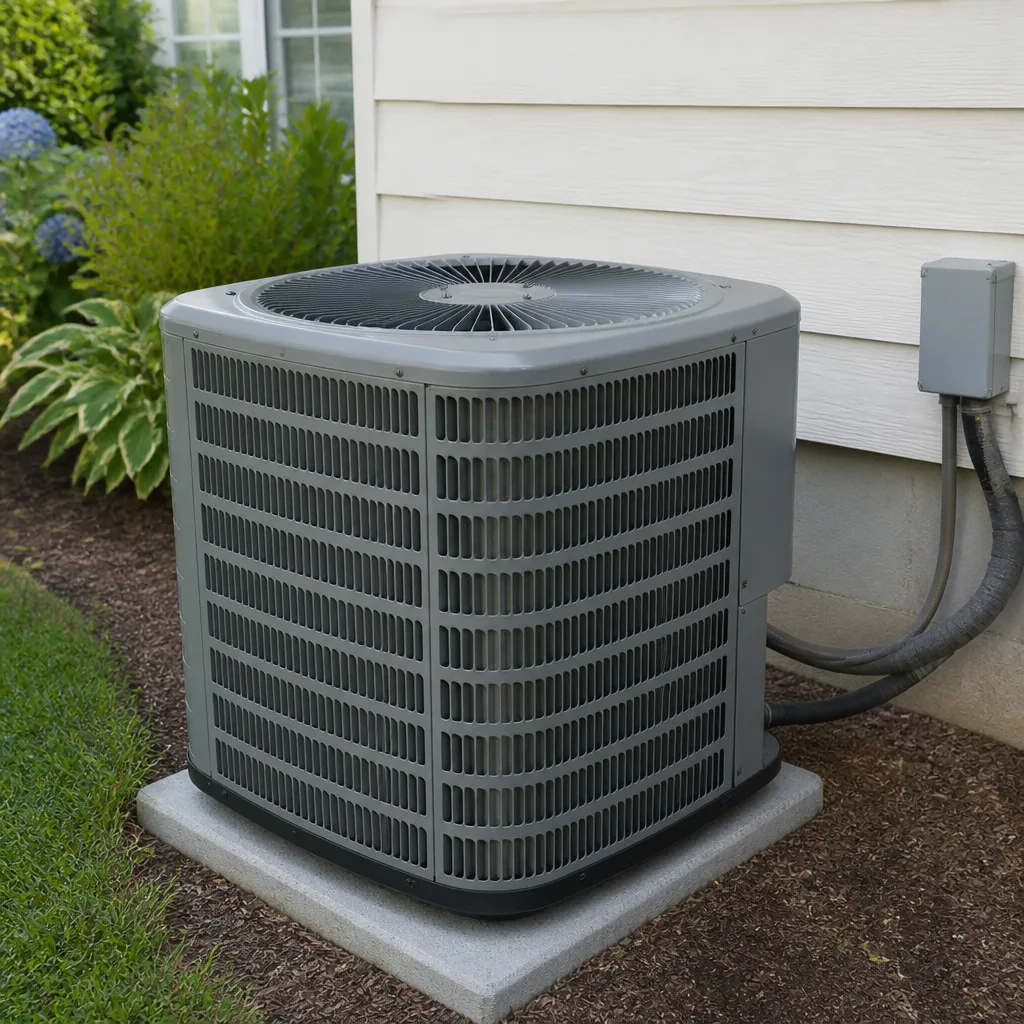
 AC repair
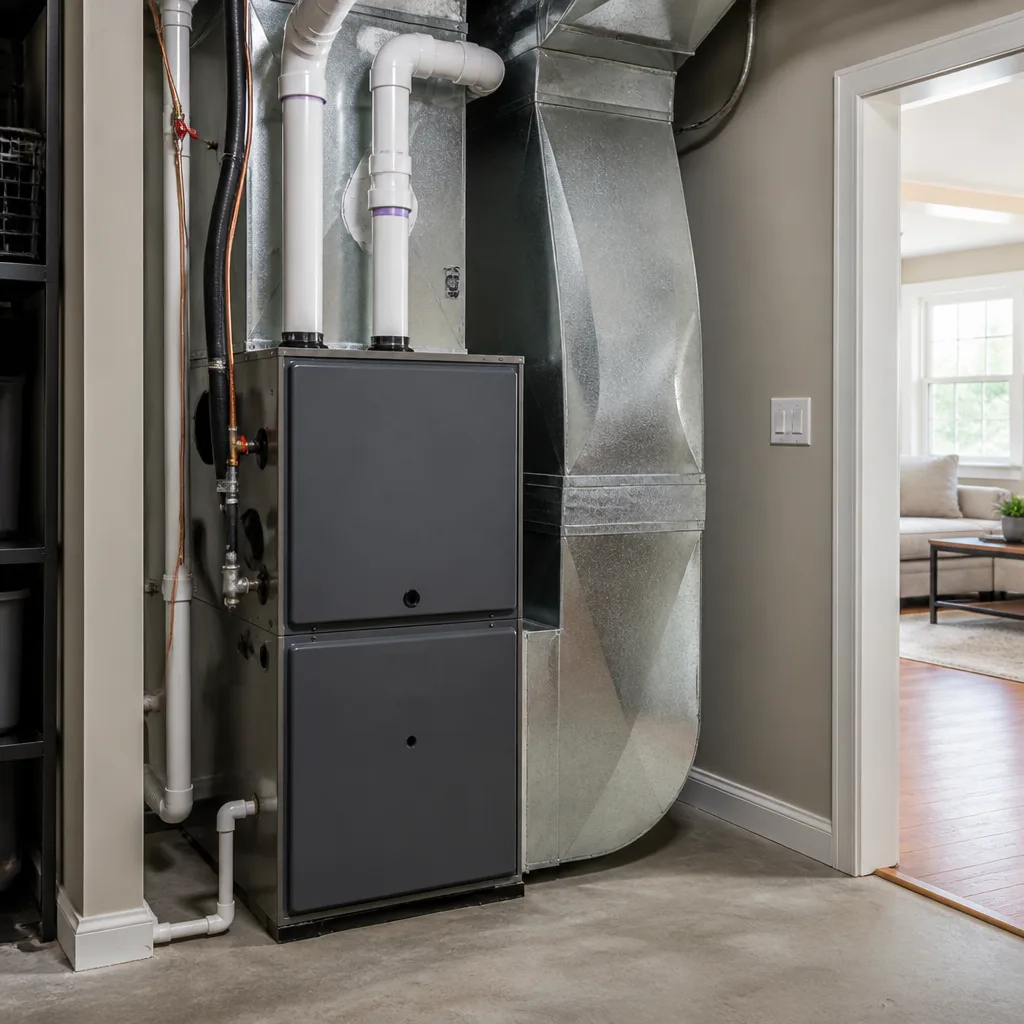 Furnace & heating
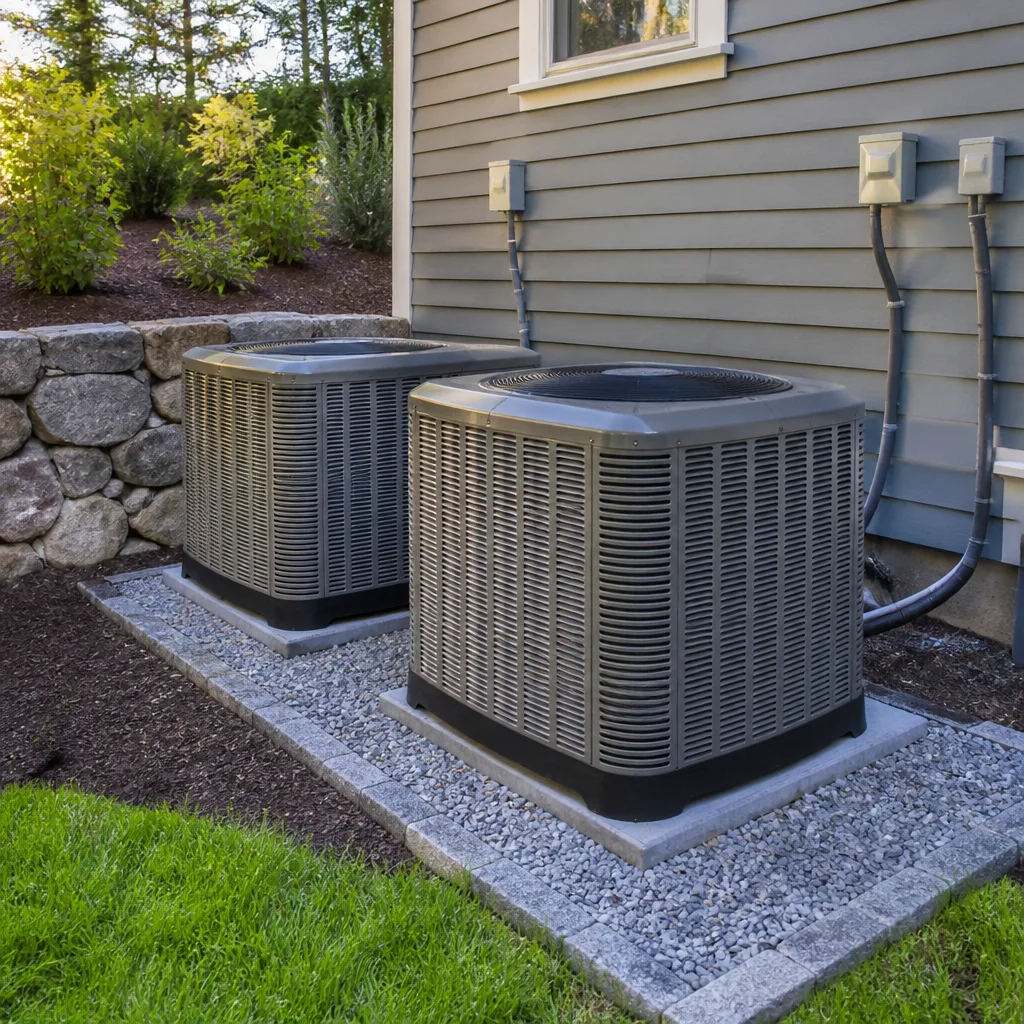 Heat pumps
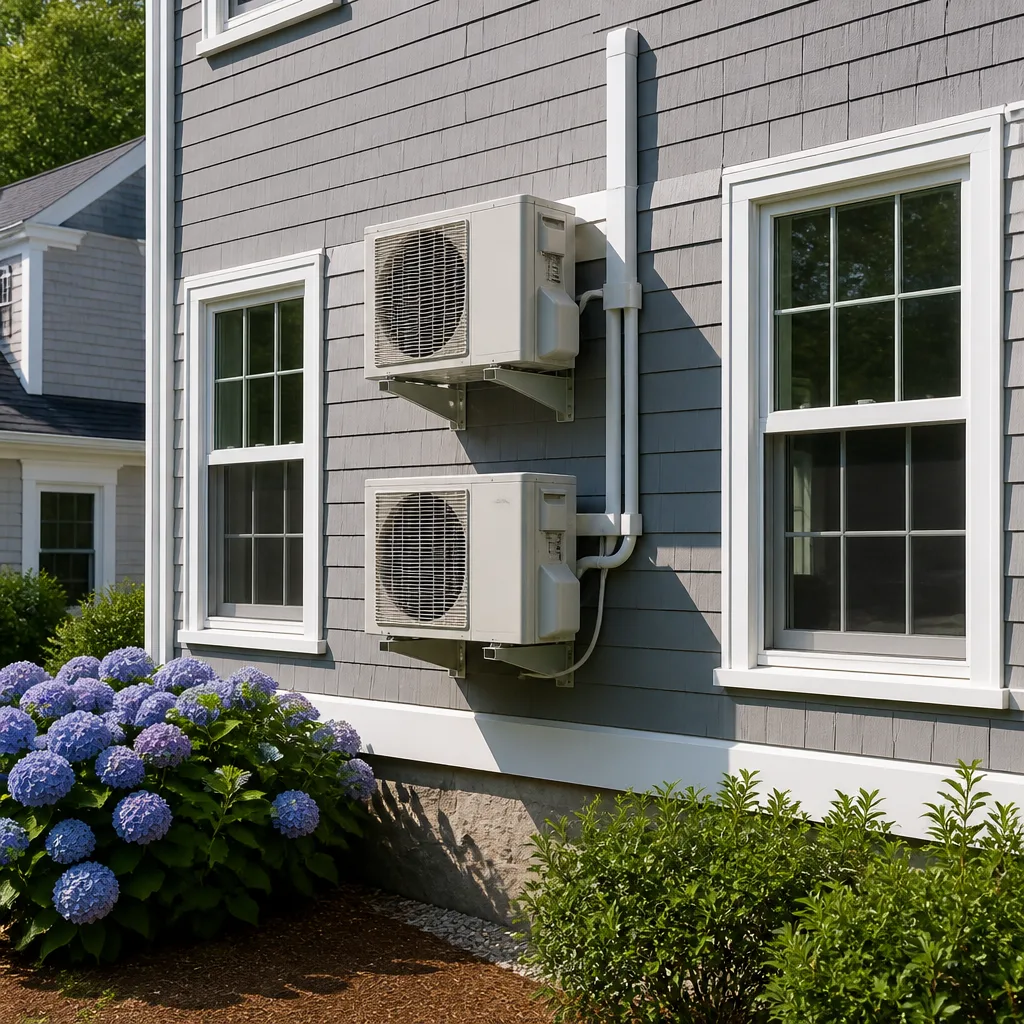 Ductless mini splits
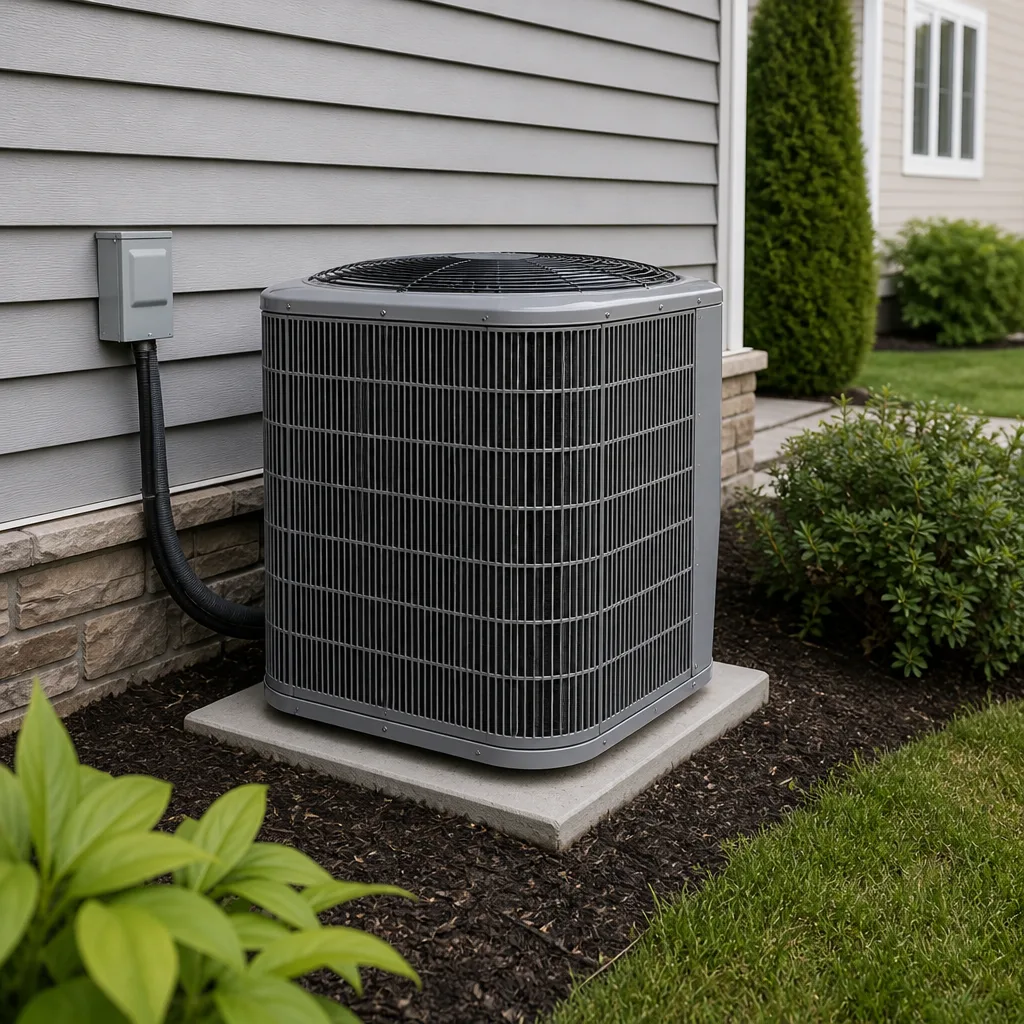 Carrier
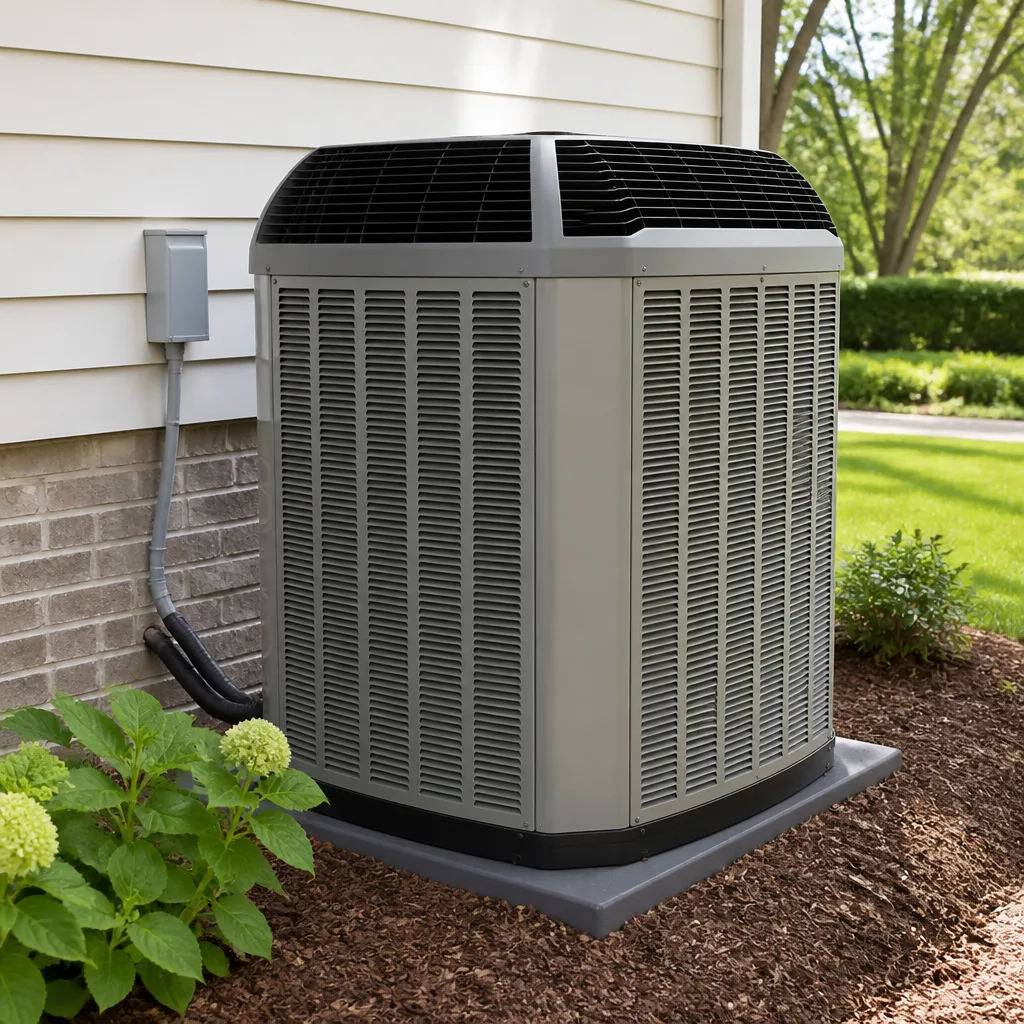 Trane
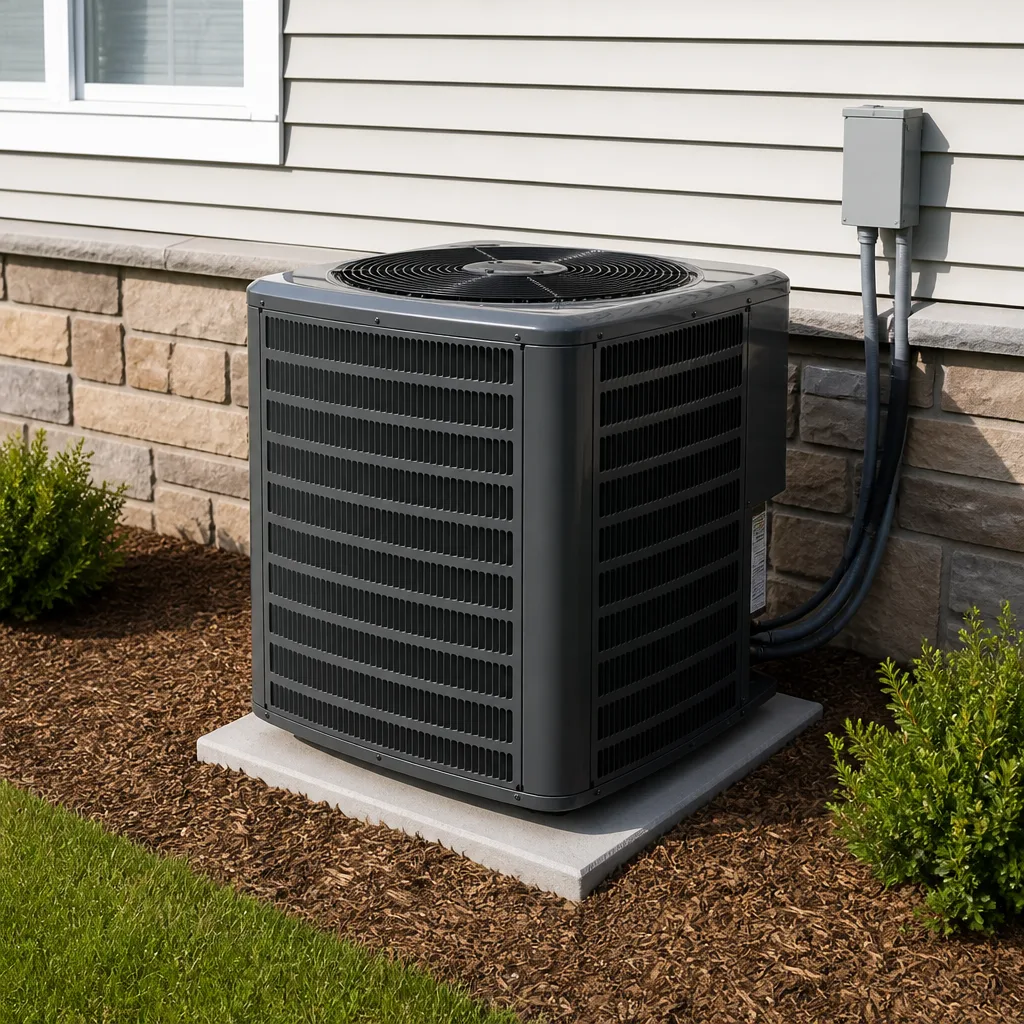 Goodman
Seasonal tune-up and full diagnostic on your Carrier, Trane, or Goodman system - readings shown to you before any repair is proposed
Diagnosis first, numbers second - you approve the repair price before a single part goes in.
Get your free estimateStyles & brands we work with
- AC repair
- Furnace & heating
- Heat pumps
- Ductless mini splits
- Carrier
- Trane
- Goodman
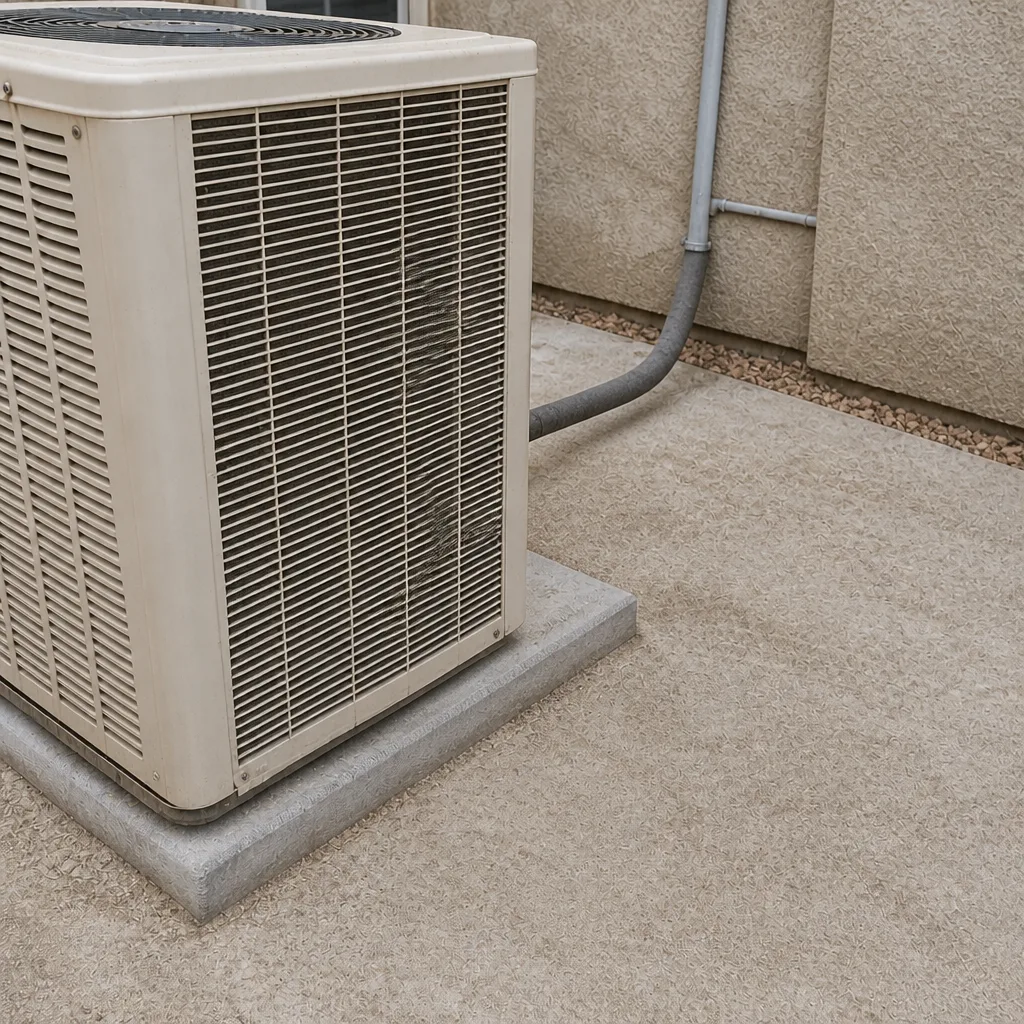
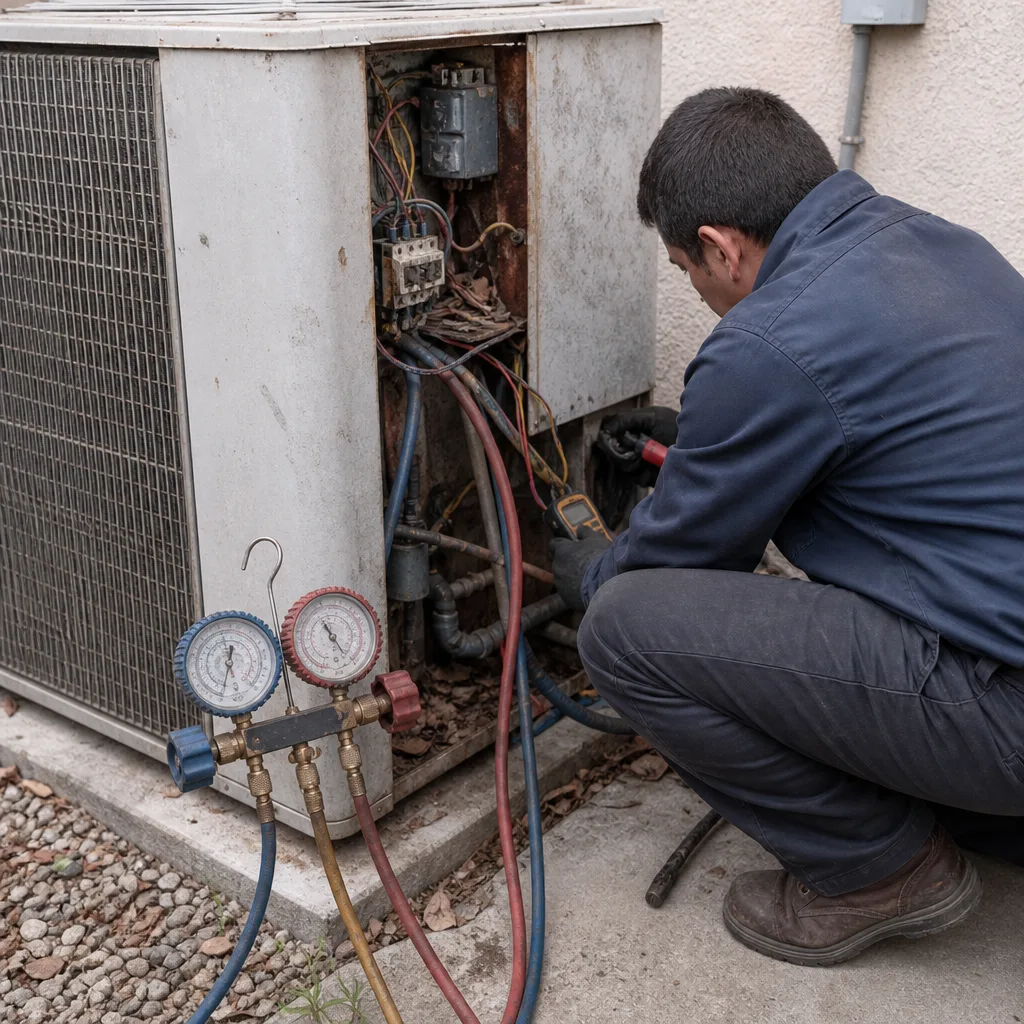
See the difference
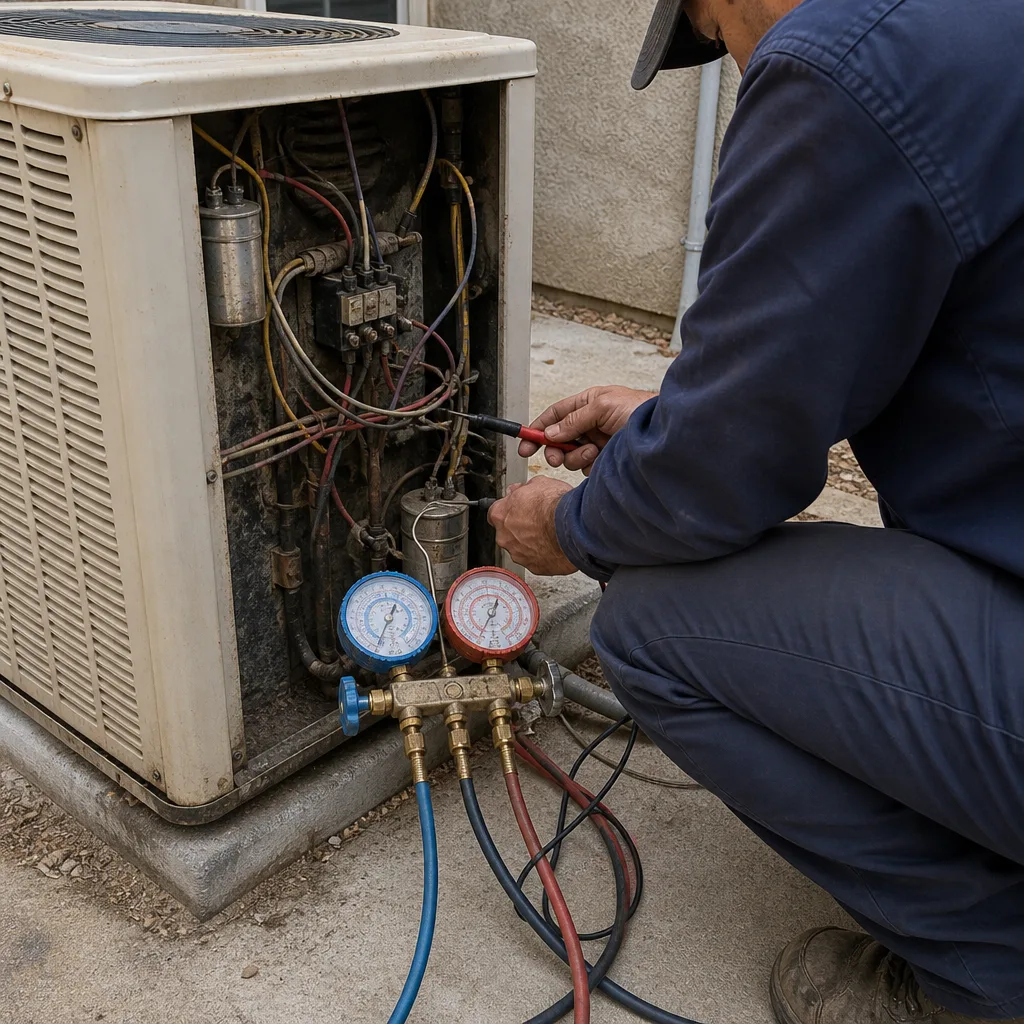 Before
 After
 Before
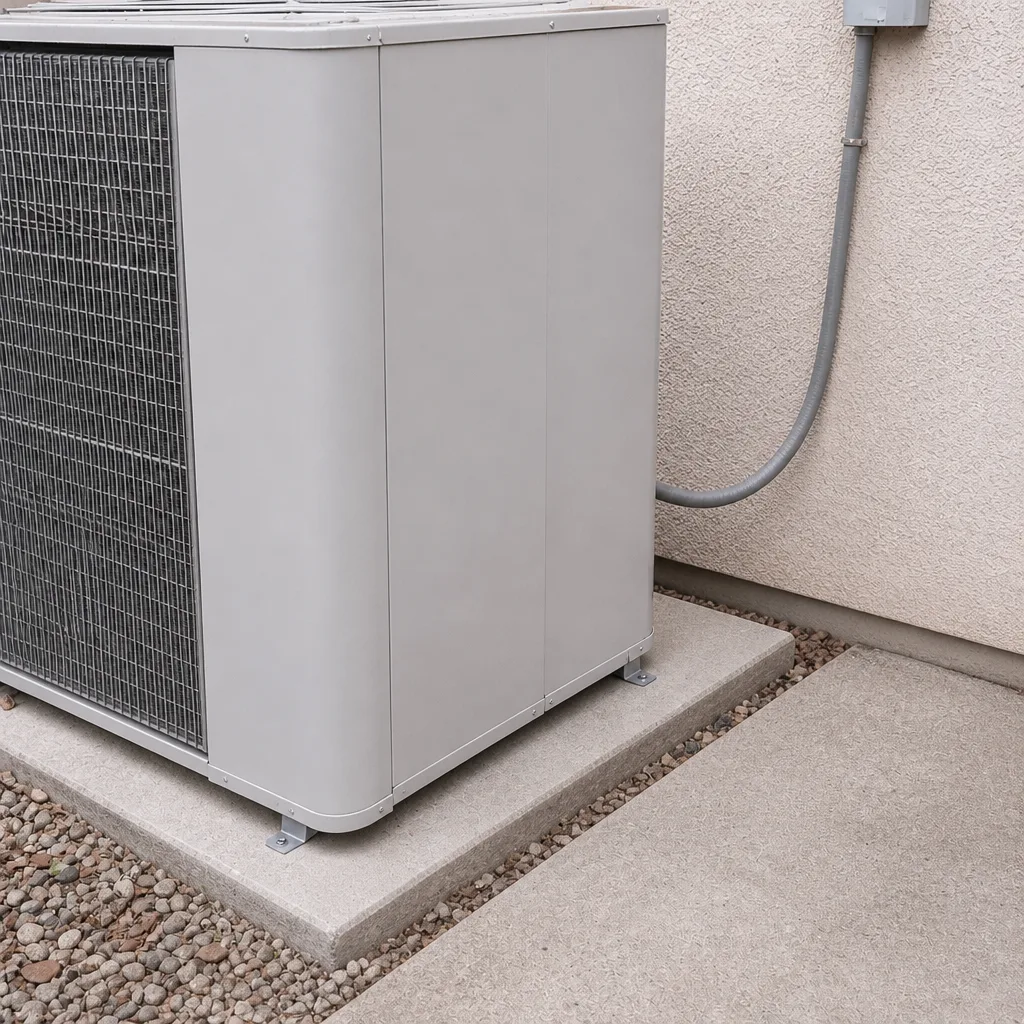 After
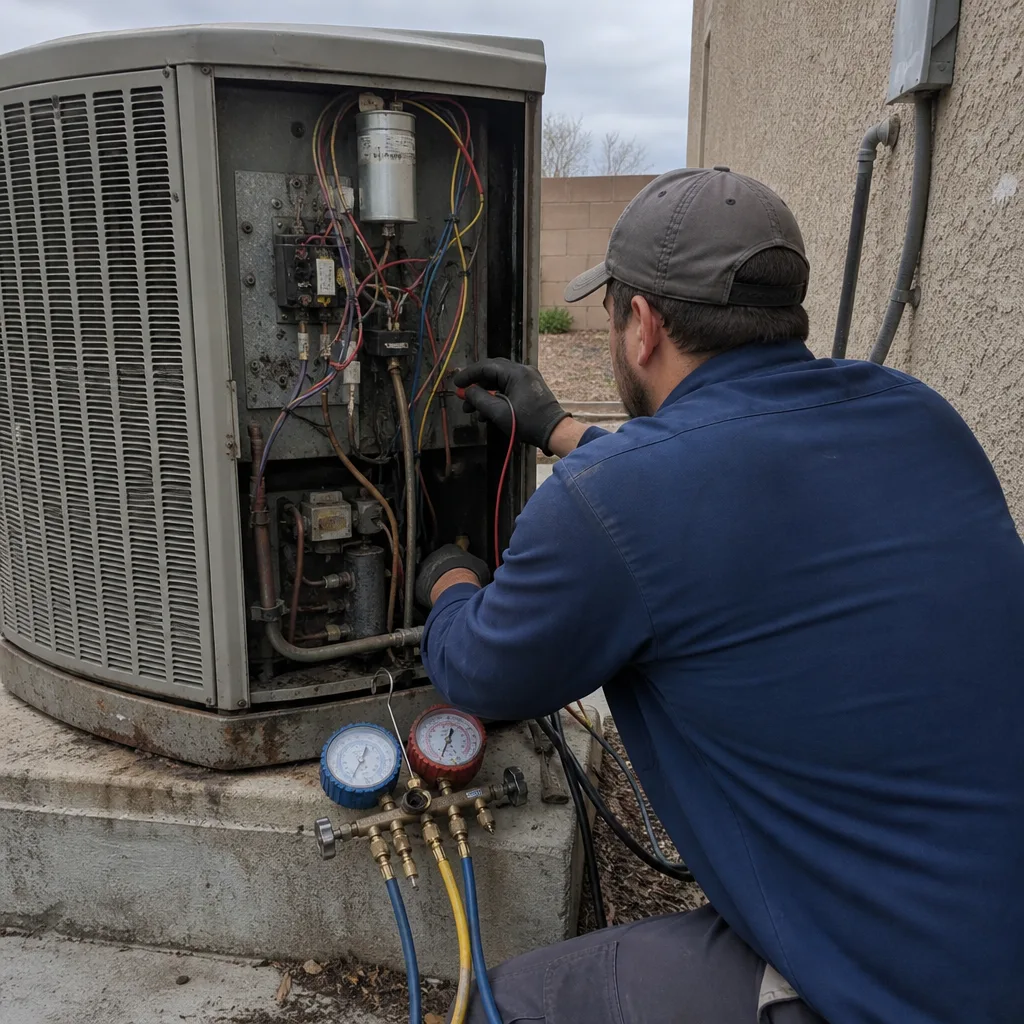 Before
 After
How Often to Replace an HVAC Air Filter in Enterprise, NV
In Enterprise, NV, HVAC air filters need replacing every 30 days from May through September, and every 60 to 90 days the rest of the year. The filter package that says “90 days” was written for a house running its air conditioner four to six hours a day. Yours runs fourteen to eighteen. To know whether yours is actually full, hold it up to a window in daylight: if you can’t see light through the media, it’s done, no matter what the calendar says. Not sure what you’re looking at? Call Brandt HVAC Enterprise at (844) 797-9490 and we’ll walk you through it before you spend a dime.
Why the 30-Day Rule Is Real in Enterprise
An air filter doesn’t fill up on a schedule. It fills up on air volume. That single distinction is the whole answer, and it’s the thing every generic “change it every three months” guide leaves out.
Here’s the arithmetic that matters. A home in a moderate climate runs its AC roughly four to six hours a day in summer. Around Enterprise, a system cycling through 115°F afternoons runs fourteen to eighteen hours daily, and often doesn’t fully shut off during a July heat wave. Same square footage, same filter, same blower. But the Enterprise system is pulling four to five times the air volume through that same square foot of filter media every day. A filter rated for 90 days of moderate-climate duty is loaded to capacity in about 30 days here. The calendar didn’t change. The load did.
That’s why the May-through-September window gets a monthly check, and the mild months get 60 to 90 days. Winters here rarely demand much heating, so filters load far more slowly from November through March. If you want the short version: summer is monthly, shoulder seasons are every other month, and winter is a judgment call.
The Specific Thing Clogging Your Filter in Enterprise
The culprit isn’t ordinary household dust. It’s caliche.
The Las Vegas Valley sits on alkaline desert soil, and the fine caliche dust that comes off it has a habit of clinging to filter media. It is abundant, it is electrostatically adhesive, and it packs into the pleats faster than the fluffy lint-and-skin-cell dust most filter guides are describing. A filter in a Las Vegas Valley home doesn’t just get dusty. It gets coated. We see this in every part of Enterprise, from the older ranch homes to the newest tract builds.
The new-construction problem in Enterprise’s growing developments
If you bought in one of Enterprise’s newer tract developments, your filter situation is different from your neighbor’s in a 1990s build. Construction is still active around you. Grading crews, foundation pours, and stucco work throw enormous amounts of particulate into the air for months, and it all finds its way into your return air. Add a tightly sealed energy-efficient home to the mix and you have a house that recirculates everything it pulls in.
Our advice for a first-year new-build owner: check the filter monthly for the first twelve months, not quarterly. Change it whenever it looks gray after a construction-heavy stretch. It’s the cheapest thing you’ll do for a system that just cost you thousands.
How to Tell It’s Time (Without Guessing)
Skip the calendar for a second. The filter will tell you what you need to know if you look at the right thing.
- Pull the filter out of the return grille and hold it up to a window in daylight.
- If light passes through the media, it still has life. Put it back.
- If the media is gray but still translucent, it’s about halfway there. Check again in two weeks.
- If you cannot see light through it, replace it now, regardless of how long it’s been installed.
- Check the month after a wind event or a nearby grading project even if you just changed it.
One caveat on filter selection: a higher MERV rating isn’t automatically better. A MERV 13 filter in an older Enterprise system with an undersized return can choke airflow and cause more problems than it solves. Match the filter to what your blower can handle, and call us if you’re not sure which one your system was built for.
What a Clogged Filter Actually Costs You
A dirty filter restricts airflow. Restricted airflow drops the temperature of the evaporator coil below freezing, and the coil ices over. In an Enterprise summer, that means your system shuts down on the afternoon you need it most. A frozen coil isn’t a filter problem anymore. It’s a repair bill.
Here’s what each option looks like on paper:
| Item | Typical Cost |
|---|---|
| Standard pleated filter (DIY) | $8-$20 |
| Thaw and restore a frozen coil | $150-$400 |
| Full AC repair (compressor, blower, coil) | $150-$650 |
| Seasonal tune-up (includes filter check) | $80-$200 |
An $8 filter replaced on time is the cheapest insurance against a $400 coil thaw. When you book a tune-up with us, the written price is on the page before any work starts, and every tune-up is backed by a written guarantee. If a repair fails within the guarantee period, our 365-Day Done Right Promise means we return at no charge.
The humidity wrinkle that catches Enterprise homeowners
Enterprise is a desert, but monsoon season brings humidity spikes, and those spikes matter to your system. Condensate lines that stay dry most of the year can clog and overflow when the air turns sticky, causing water damage and shutdowns. A filter change is also a good moment to look at the drain pan and line if you can reach them. If you see standing water near the air handler, that’s a call-the-pro moment. Our technicians are background-checked, identity-verified, and introduced to you by name and photo before they arrive, so you know exactly who’s at the door.
Why Filter Timing Depends on Your System, Not Just Your Address
Enterprise’s housing stock runs from original 1980s ranch homes with less efficient equipment to 2010s tract and custom builds with high-SEER, zoned systems. A zoned system in a large newer home cycles shorter but more often across different zones, and each zone pulls its own share of air through the same filter. An older undersized system in a smaller home can run nearly nonstop just to keep up, loading the filter faster. Same city, same summer, different filter clocks. We service every major residential brand, including Carrier, Trane, Lennox, Bryant, and American Standard, so we can tell you what your specific system is doing.
What Our Technicians See on the Job
The filter problem we run into most in Enterprise isn’t homeowners who ignore their filters. It’s homeowners who change them on the package schedule and wonder why the system still struggles in August. When we’re called out on an AC repair, the first thing we check is the filter, and more often than not a filter that “should” have had another month on it is already plugged with caliche dust. Our technicians have up to 23 years of experience, and the pattern here is consistent: monthly in summer really does make a difference.
If the rest of your air quality is a concern, our team also handles Air Quality & Ventilation in Enterprise, and you can learn more about our full residential services on our home page.
FAQs
Change it every 30 days from May through September and every 60 to 90 days the rest of the year. Enterprise systems run far more air volume through the filter than moderate-climate homes, so the standard 90-day recommendation simply doesn’t apply here. If you’re unsure, the daylight test tells you in five seconds. Call (844) 797-9490 and we’ll help you check.
A clogged filter restricts airflow and can freeze your evaporator coil, which shuts the system down on the hottest day of the year. Thawing and restoring a frozen coil typically runs $150-$400. Call (844) 797-9490 for a free estimate if your system has already stopped cooling.
No. Higher-MERV filters actually load faster because they trap finer particles, and they can restrict airflow in older systems that weren’t built for them. Filter choice should match your blower, not extend your interval. Our technicians can tell you which rating your system handles. Call (844) 797-9490 with your model number and we’ll advise.
Active construction and grading near new Enterprise developments push much more particulate into the air than an established neighborhood does. Check the filter monthly for your first year in a new build. Call (844) 797-9490 if you’d like us to inspect your return air and ductwork.
If you’d rather have it looked at, Brandt HVAC Enterprise offers a no-pressure assessment in Enterprise. A live person answers our phone 24 hours a day, so call (844) 797-9490 for a free estimate on any AC repair, furnace repair, or tune-up.
Written by the team at Brandt HVAC Enterprise, serving Enterprise, NV.