
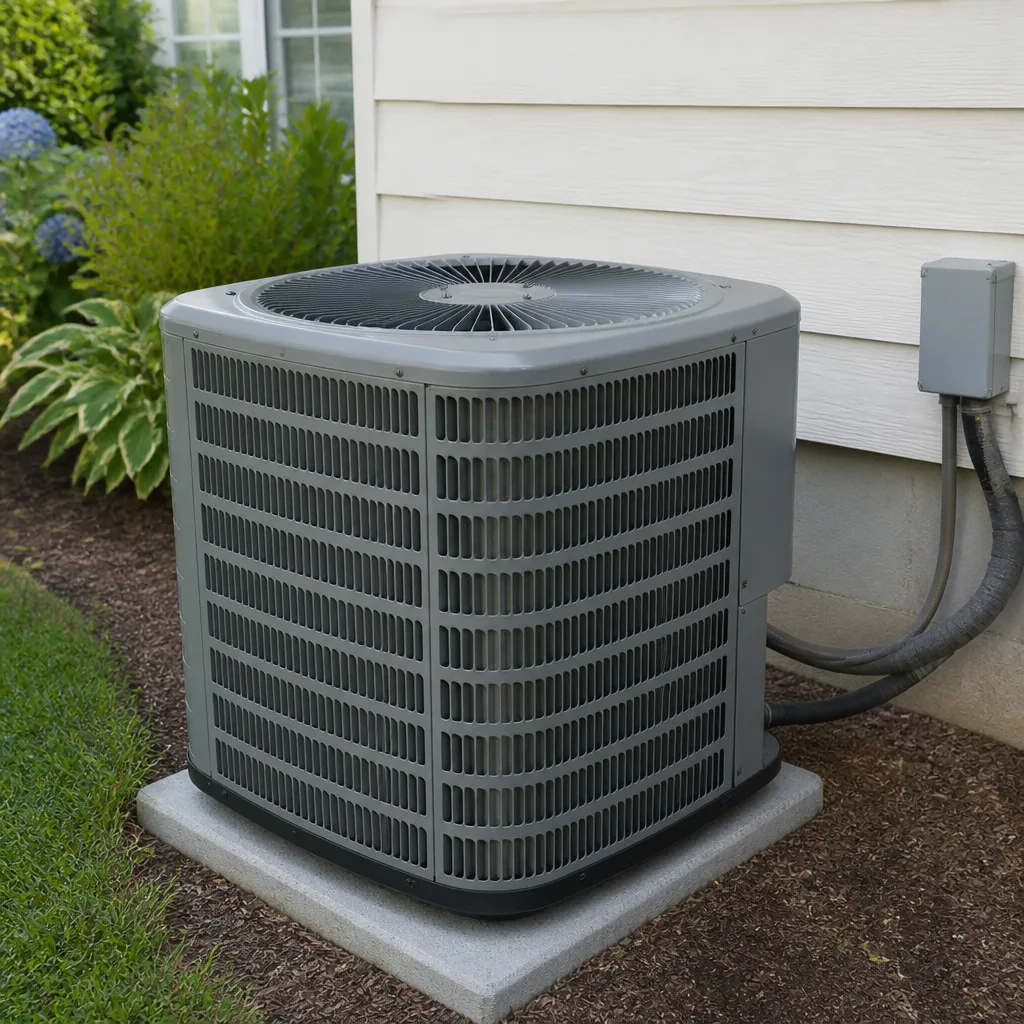
 AC repair
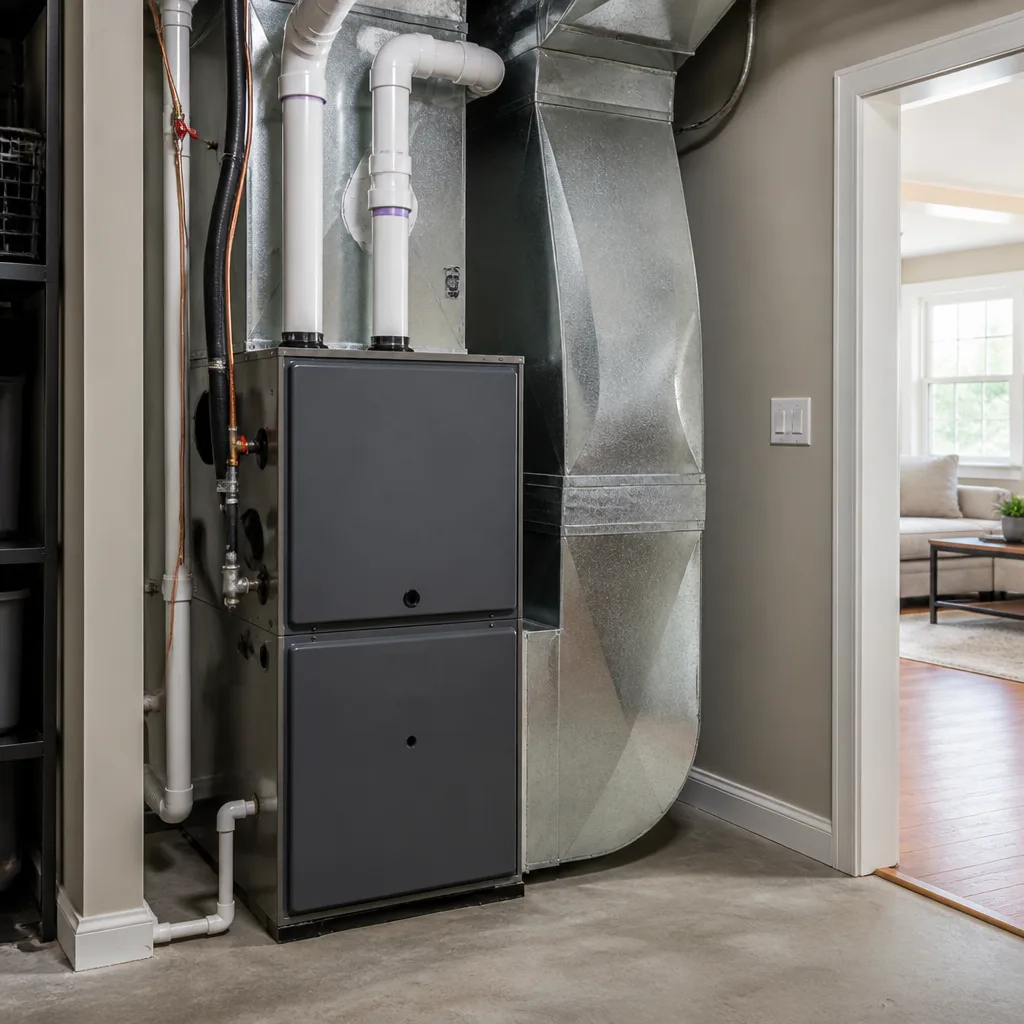 Furnace & heating
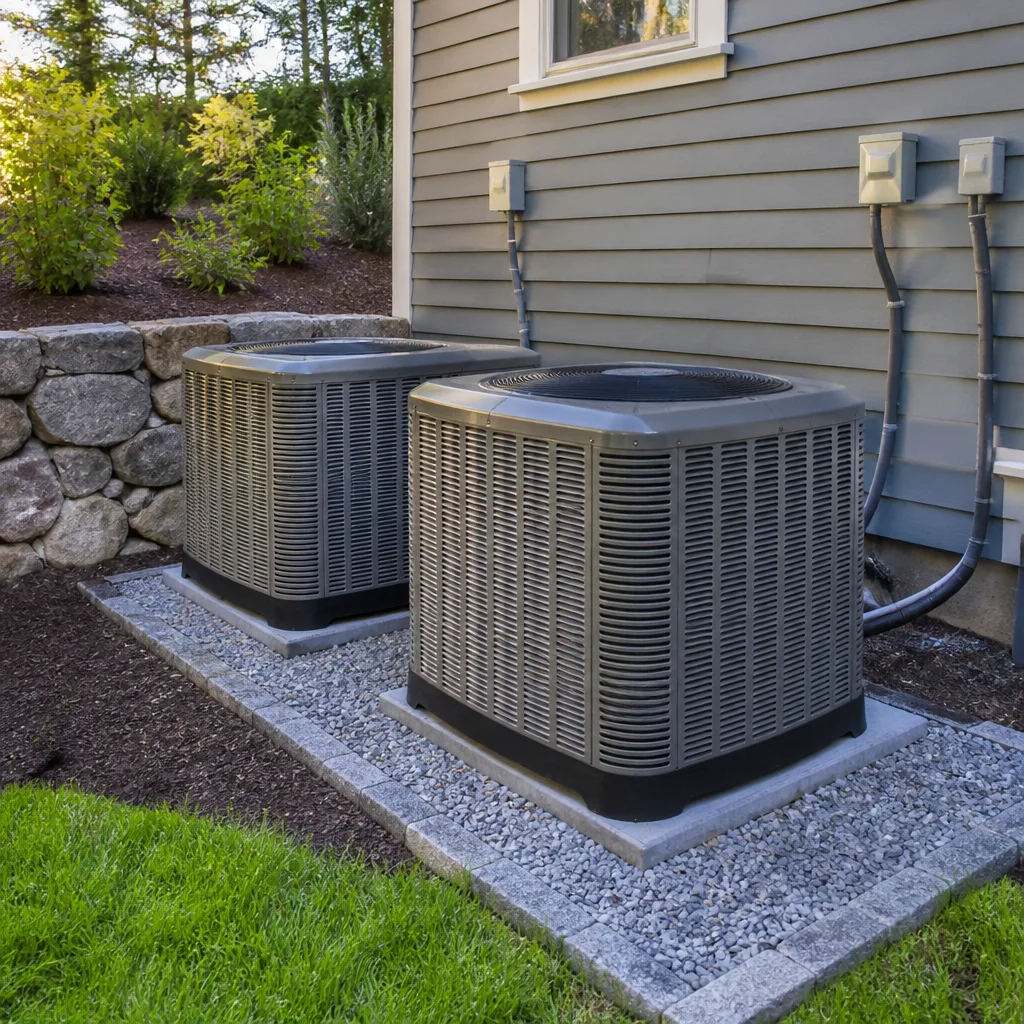 Heat pumps
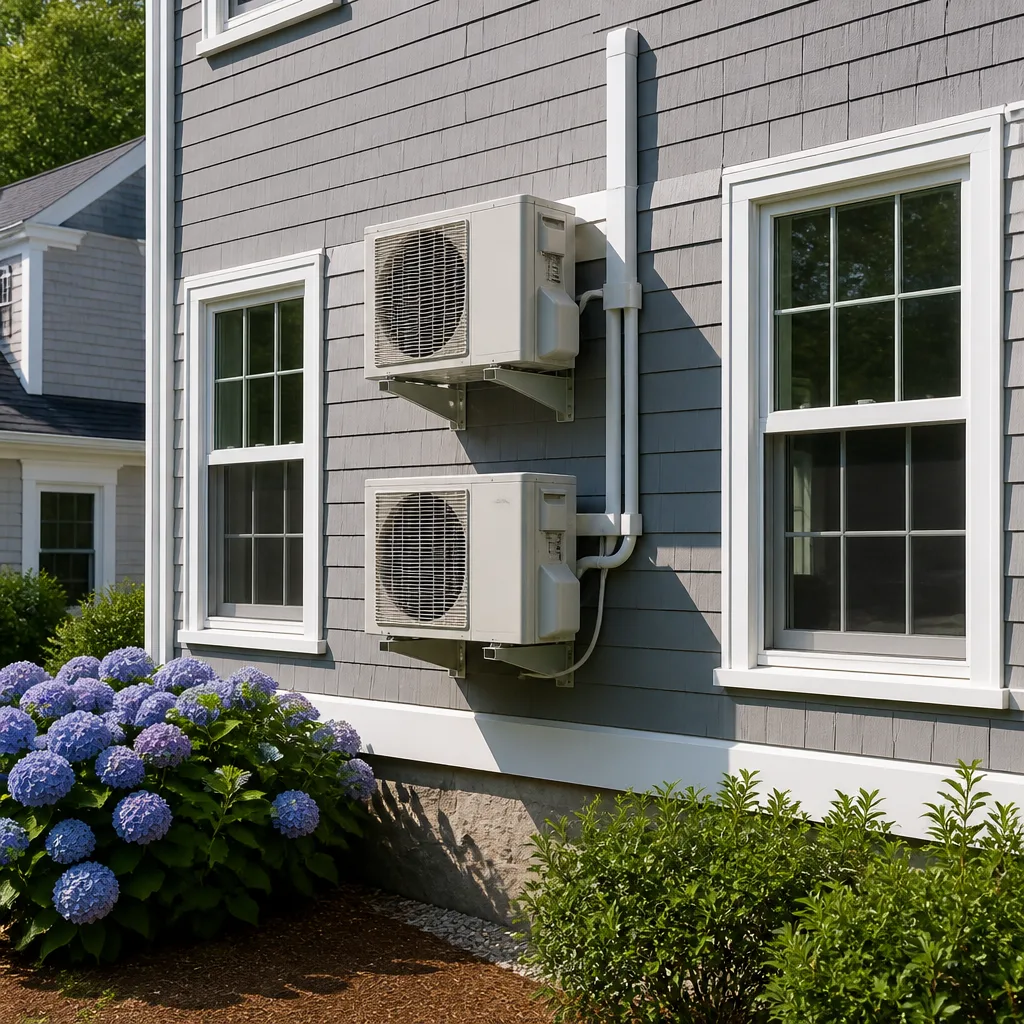 Ductless mini splits
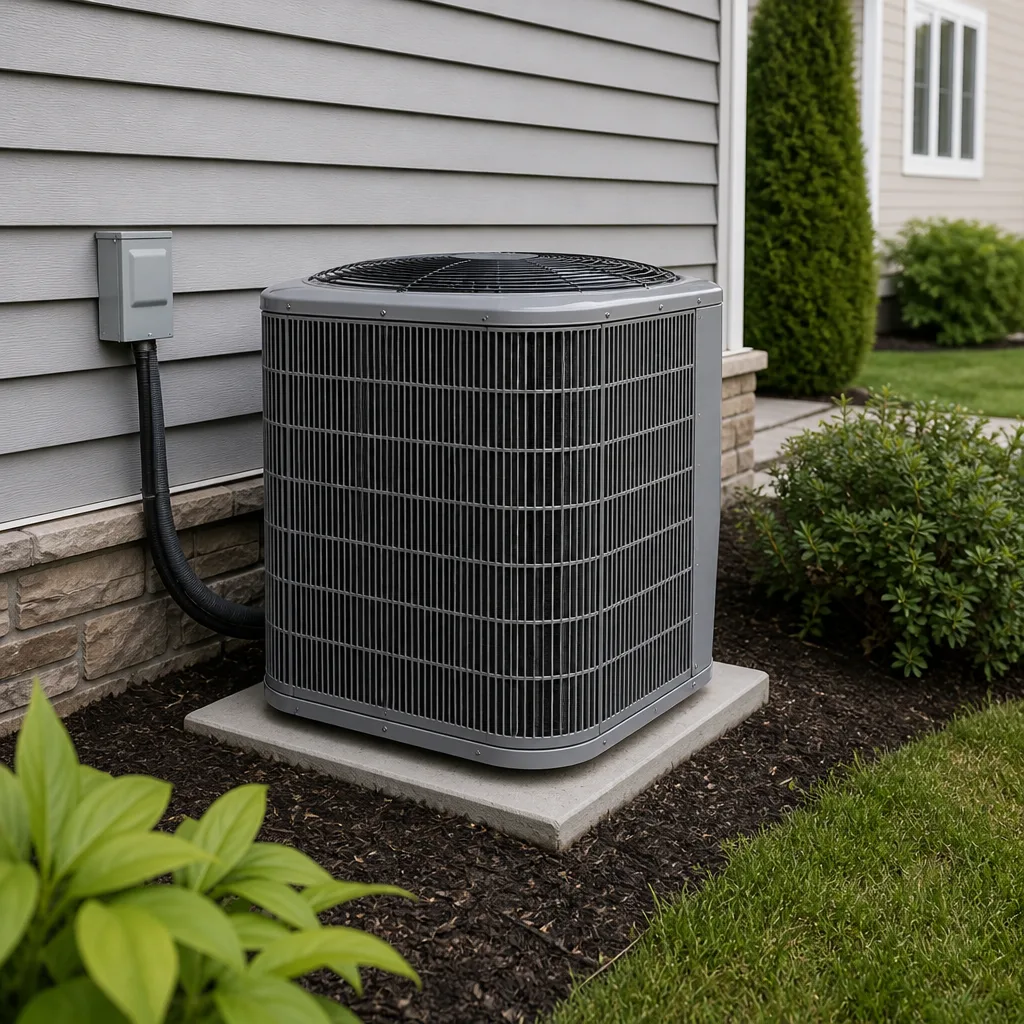 Carrier
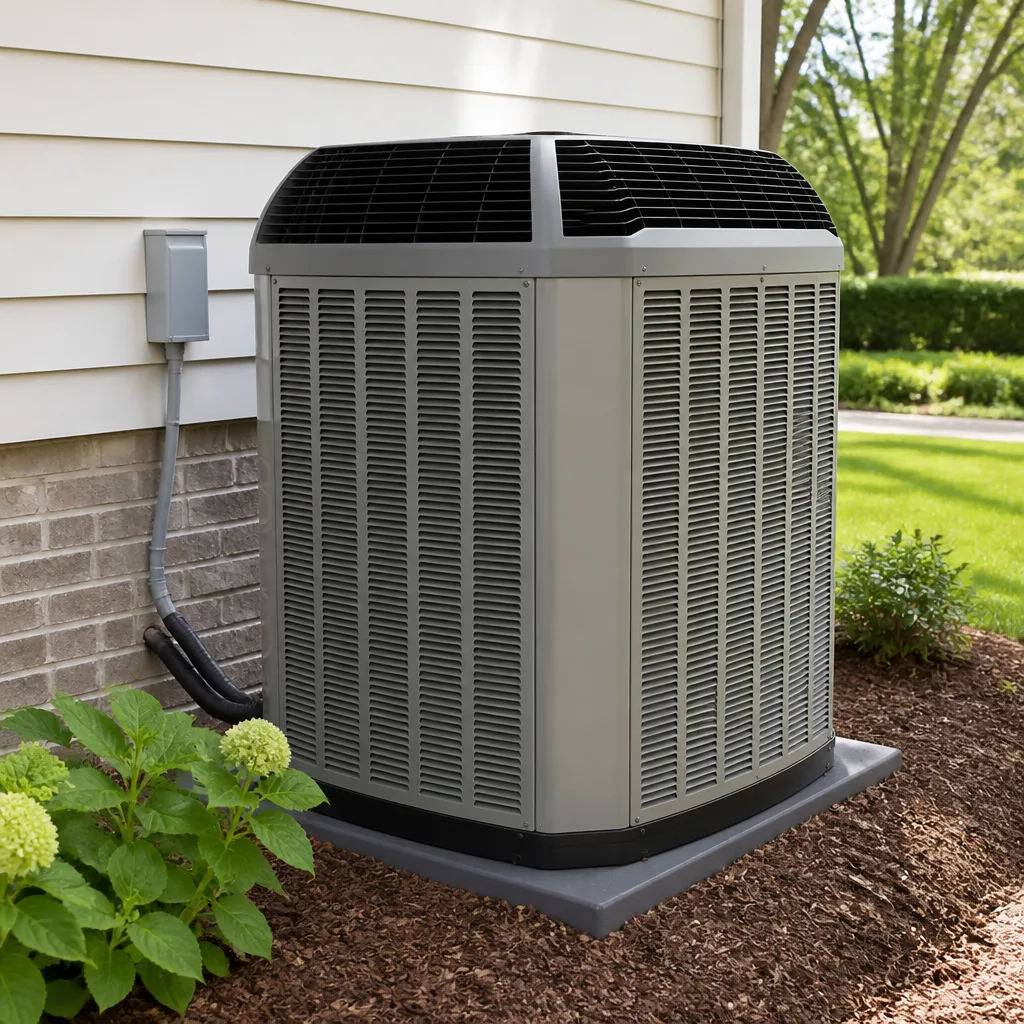 Trane
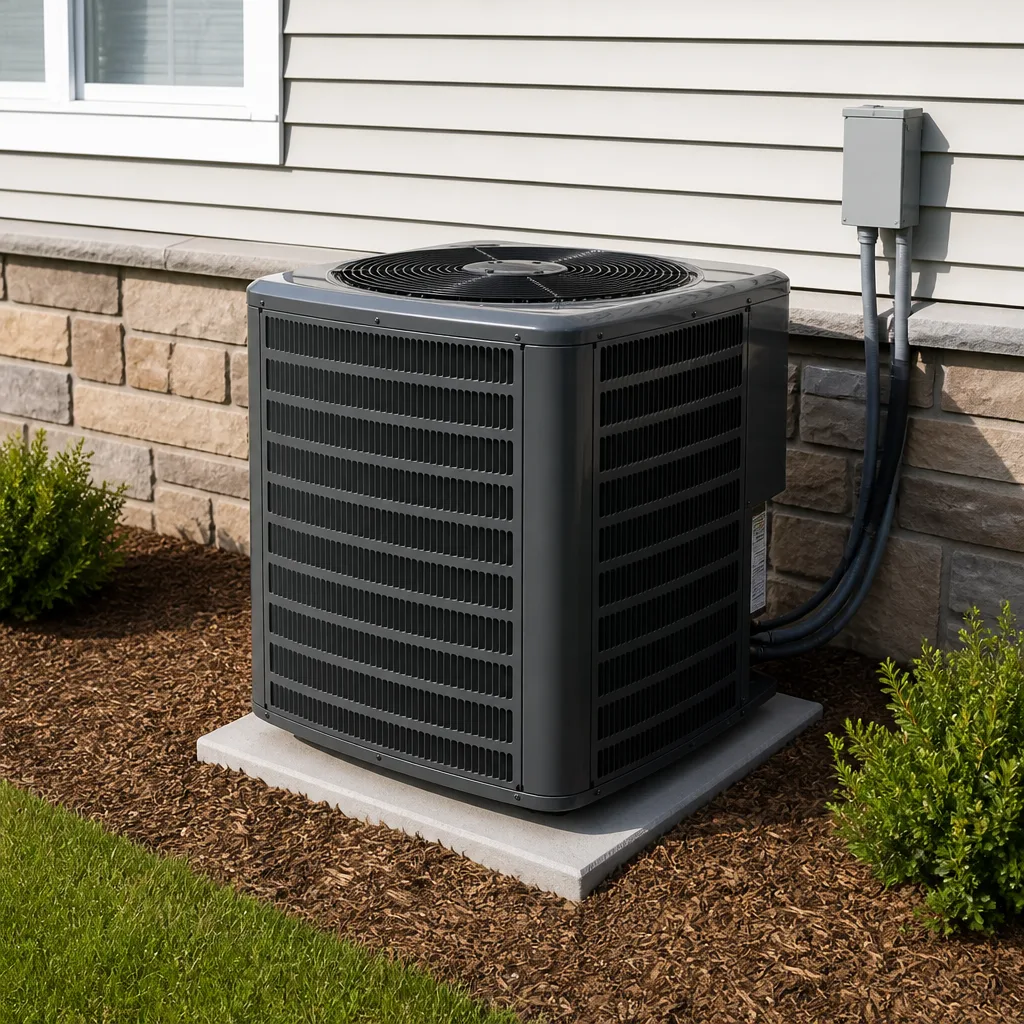 Goodman
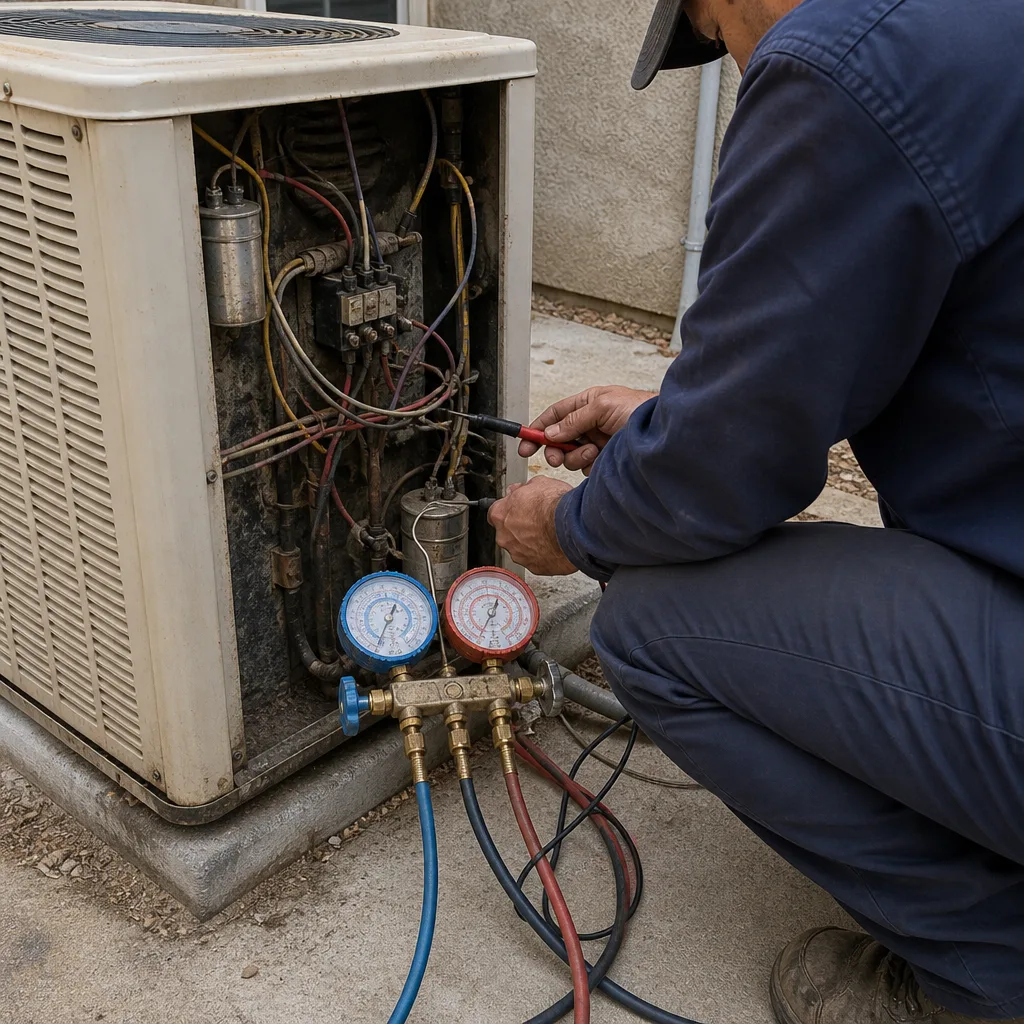
Seasonal tune-up and full diagnostic on your Carrier, Trane, or Goodman system - readings shown to you before any repair is proposed
Diagnosis first, numbers second - you approve the repair price before a single part goes in.
Get your free estimateStyles & brands we work with
- AC repair
- Furnace & heating
- Heat pumps
- Ductless mini splits
- Carrier
- Trane
- Goodman
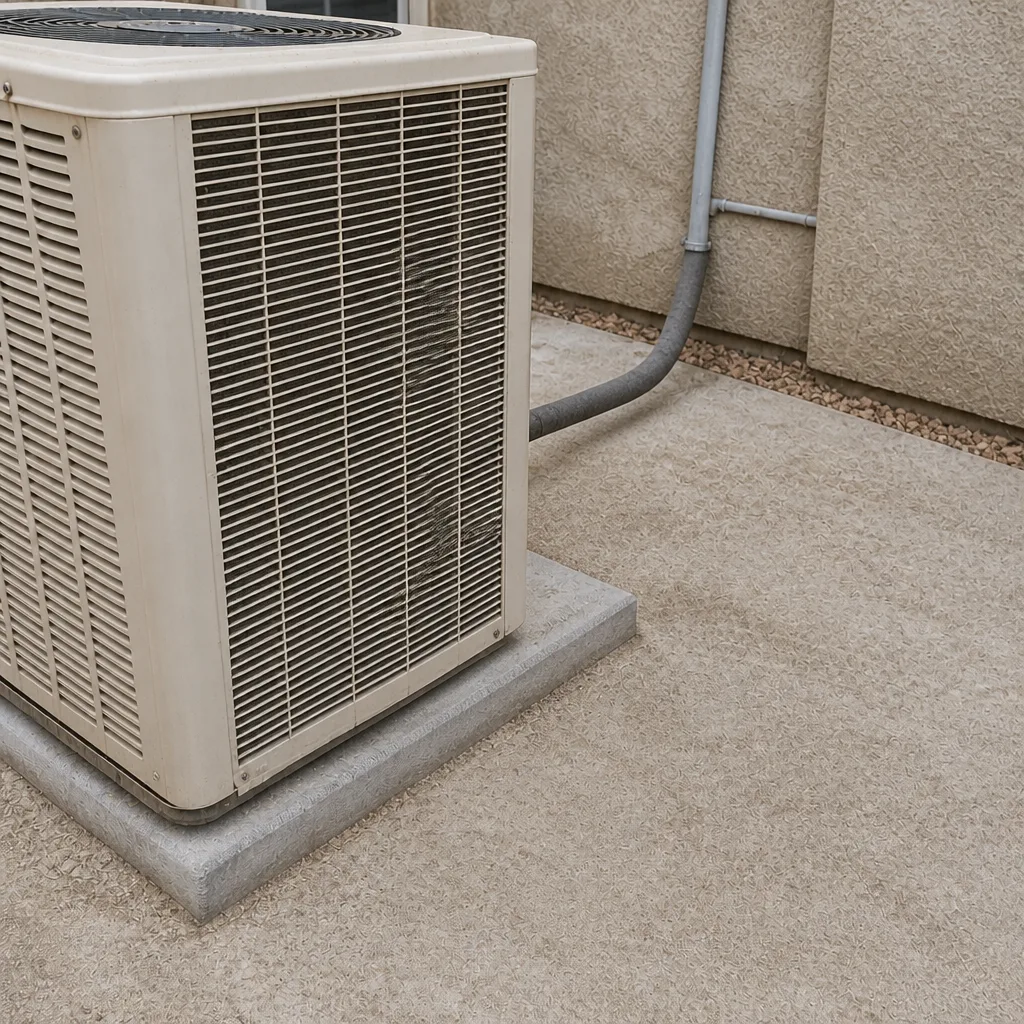
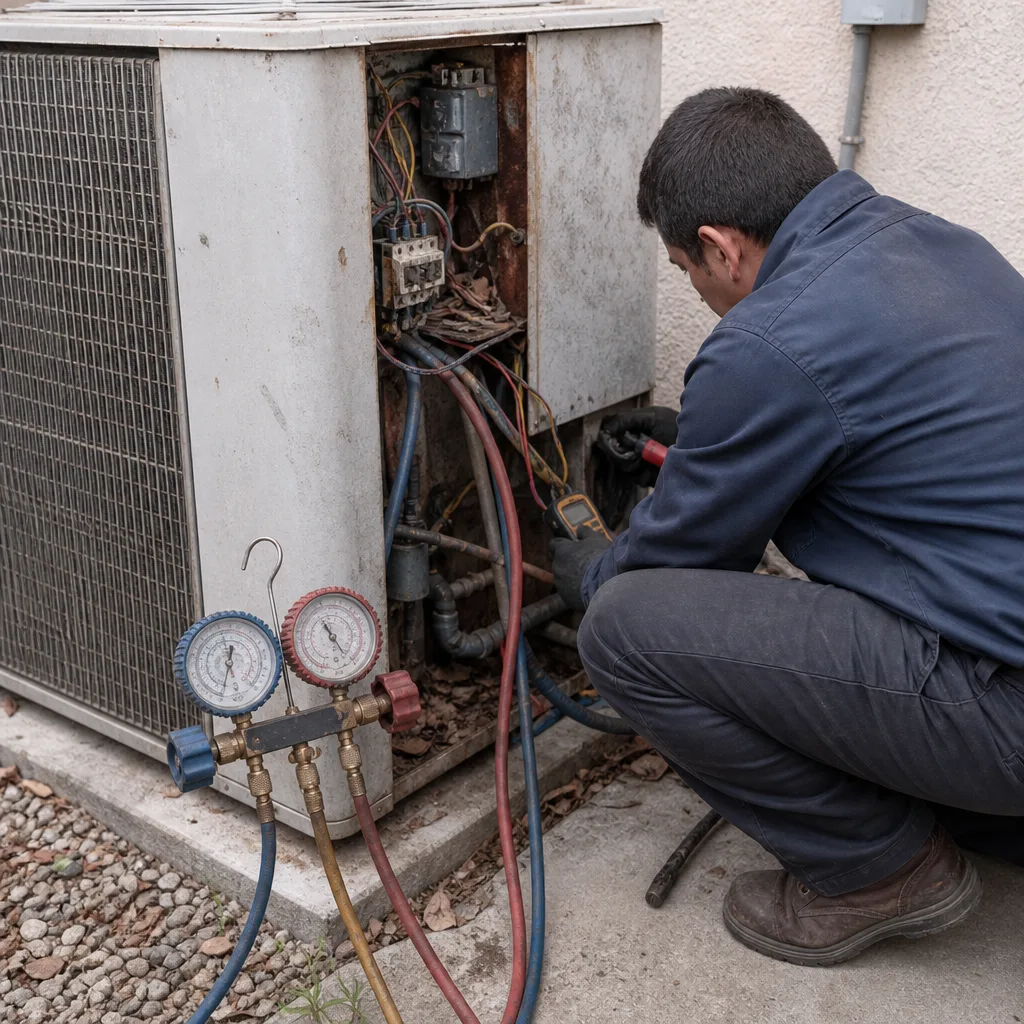
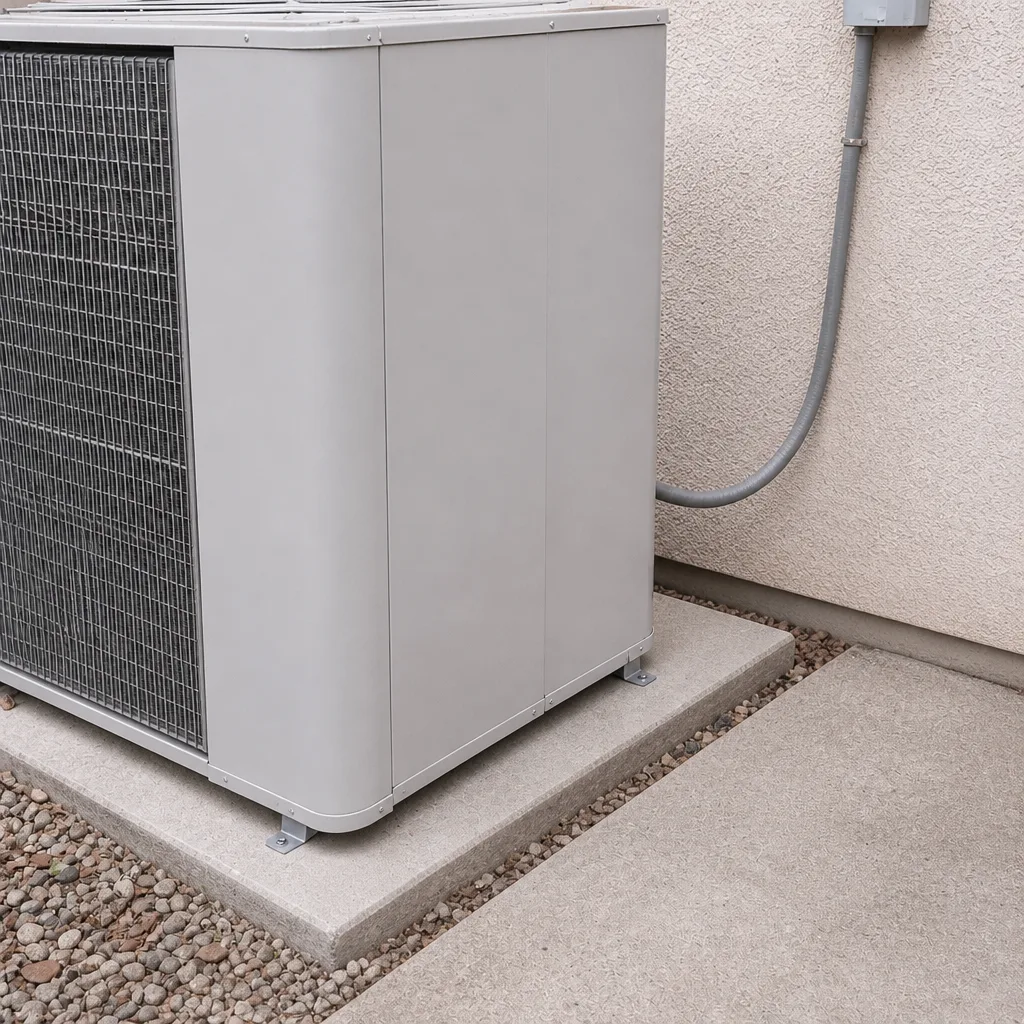
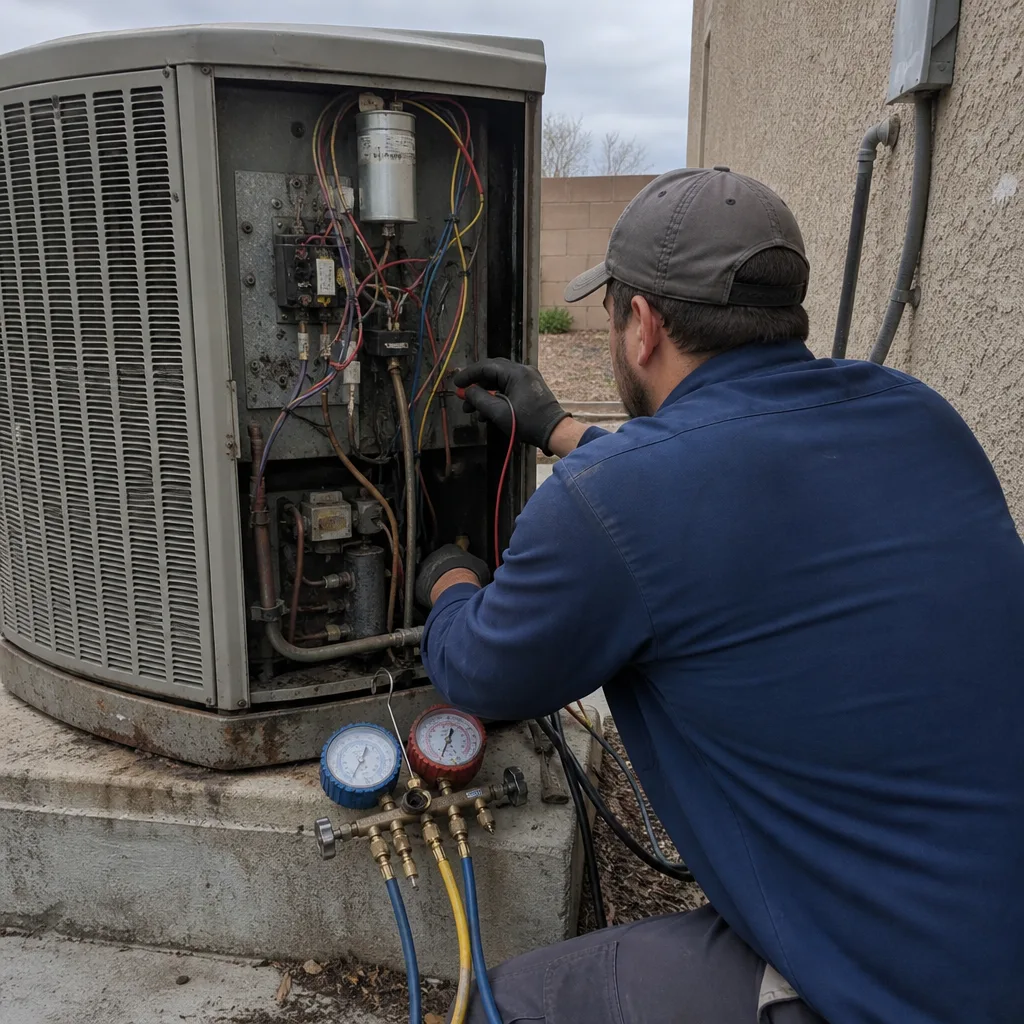
See the difference
 Before
 After
 Before
 After
 Before
 After
How to Improve Indoor Air Quality in Enterprise, NV: Fix What Your AC Recirculates
The most effective way to improve indoor air quality in an Enterprise home is to clean and service the air-handling components of your HVAC system first, then add filtration and ventilation – because in a climate where the air conditioner runs nearly nonstop for months, the coil and ductwork are what your family breathes most. A standalone purifier cannot fix biological growth on a damp evaporator coil, and it cannot seal a duct joint pulling 150°F attic air into a bedroom. If you want a real answer instead of a filter you swap and forget, call (844) 797-9490 and we’ll walk through what’s actually happening in your system.
Enterprise sits in the heart of the Las Vegas Valley, where summer temperatures routinely pass 110°F. When your AC runs from May through October without a break, your home’s air gets filtered – and re-filtered, and re-filtered – hundreds of times. That’s either your best defense or your biggest problem, depending on what’s growing in your coil. The advice you’ll find on most air quality pages assumes you run the system occasionally. Here, the system is the air supply. So the strategy has to be built for near-continuous operation.
What “Improve Air Quality” Actually Means When the AC Never Shuts Off
Most generic checklists put a portable purifier at the top. In Enterprise, we’d put coil condition first. Here’s why.
During long cooling cycles, the evaporator coil stays damp for extended stretches. Damp metal plus steady airflow is the condition biological growth needs. Once growth forms on the coil, every cubic foot of air that crosses it picks up spores and carries them into the living space. You can run a HEPA unit in the bedroom and still be recirculating the problem from the air handler in the hallway. Air purifiers help with particles; they don’t clean the coil. Coil cleaning is step one, and everything else builds on it.
The second thing competitors skip: your home’s tightness. The tract homes built across Enterprise’s 2000s-to-2010s subdivisions were designed to hold cool air in. That’s good for the power bill and bad for fresh-air exchange, which in some of these homes is close to zero. Without deliberate ventilation, the same air recirculates all season, and concentrations of allergens and volatile organic compounds from furniture, paint and cleaning products build up with nowhere to go. That’s a ventilation problem, not a filtration problem, and the fix is a ventilation audit, sometimes paired with an energy recovery ventilator (ERV) – a unit that brings in fresh air while transferring heat so you’re not throwing away the cooling you paid for.
Older 1980s and 1990s ranch-style homes in Enterprise have the opposite issue. Original ductwork often has unsealed joints, and in a Las Vegas Valley attic that hits 150°F in summer, those joints pull hot attic air, insulation fibers and dust straight into the living space. That’s heat load and particulate matter arriving together. Sealing and testing the ducts frequently does more for air quality, and for comfort, than any add-on device.
How We Approach It: A Comparison of What Helps and What Doesn’t
When homeowners ask us what to buy, we usually tell them what to check first. A quick comparison of the options people bring up:
| Approach | What it fixes | What it misses | Typical cost |
|---|---|---|---|
| Higher-MERV filter | Airborne dust and larger particles | Coil growth, duct leaks, stale air | $15-$40 per filter |
| Portable air purifier | Particles in one room | The system feeding every room | $150-$600 per unit |
| Coil and drain-pan cleaning | The source of recirculated growth | Duct leakage, ventilation | Included in a tune-up ($80-$200) or quoted with repair |
| Duct sealing and testing | Attic-air infiltration | Fresh-air exchange | Quoted after inspection |
| ERV / ventilation upgrade | Stale, trapped indoor air | Particles already in the coil | Quoted after a ventilation audit |
What to look for in whoever does the work: a written price before anything starts, a clear explanation of what they found on the coil and in the ducts, and a guarantee spelled out in writing. That last part matters more than most people realize. Ask any company what happens if the problem comes back. If the answer is vague, keep asking.
Why Enterprise’s Monsoon Season Is the Hidden Air Quality Risk
From July through September, monsoon moisture pushes into the valley. Even in an otherwise dry home, indoor relative humidity spikes for those weeks. That short, humid window is when condensate pans overflow and when mold gets its introduction into the air handler. Local technicians know that in Enterprise, this combination of extreme heat and brief humidity spikes causes condensate lines to clog and overflow, leading to water damage and system shutdowns – a failure mode far less common in more stable climates. If you’ve ever noticed a musty smell in early August that faded by September, that’s the pattern.
So the practical sequence for most Enterprise homes looks like this:
- Inspect and clean the evaporator coil and drain pan. Address any standing moisture or growth.
- Test the condensate line before monsoon season, not during it.
- Check filter fit and MERV rating. Too high a MERV on an older system can choke airflow; too low does little.
- Pressure-test and seal duct joints, especially in attics that reach 150°F.
- Audit ventilation. If fresh-air exchange is near zero, discuss an ERV.
That’s the order. Purifiers are a fine add-on at the end, but they don’t belong at the top.
Who’s Actually Checking Your Coil and Ducts?
Air quality work means someone is going into your attic, your closets and your air handler – often while you’re home alone with kids or on your own. We think you should know exactly who that is. Brandt HVAC Enterprise operates under the Threshold Verified standard: every technician is background-checked and identity-verified, and you’re told their name and shown their photo before the visit. At the door, they show a photo ID badge. If anyone arrives who you weren’t told to expect, that visit is on us and we make it right.
Every job begins with a written price, and no work starts before you’ve seen and agreed to it. Every repair carries a written guarantee, and if a repair fails within the guarantee period, we return at no charge under the 365-Day Done Right Promise. Calls are answered by a live person, day or night. That’s a different kind of promise than “we care about quality” – it’s something you can hold us to. Our technicians have up to 23 years of experience, and we service all major residential brands, including Lennox, Goodman and Rheem systems common in Enterprise homes.
For deeper detail on filtration, ventilation and ductwork, see our Air Quality & Ventilation in Enterprise page, and start from the home page to see everything we cover.
Frequently Asked Questions
The single highest-value step is having your evaporator coil and drain pan inspected and cleaned, because that’s the surface every breath of recirculated air crosses. After that, keeping a properly fitted filter changed on schedule and sealing obvious duct leaks costs little and does real work. Call (844) 797-9490 for an assessment – estimates are free.
It does both, depending on the condition of the system. A clean coil and tight ducts mean continuous operation filters your air hundreds of times a season. A damp, dirty coil and leaking ducts mean you’re continuously recirculating growth and attic dust. The system is doing the work either way; servicing it decides which outcome you get.
That’s usually the monsoon-season humidity spike meeting a condensate pan or line that hasn’t been serviced. From July through September, indoor humidity rises briefly and can push an air handler into conditions where growth starts. Have the drain line and pan checked before the season, not after the smell appears.
It can help with particles in a single room, but it’s not the first fix here. Because the AC recirculates your whole home’s air, a purifier in one bedroom can’t outrun a coil or duct problem feeding every room. Deal with the system first, then add filtration if you want more.
If you’d rather have it looked at than guess, Brandt HVAC Enterprise offers a no-pressure assessment in Enterprise. We’ll check the coil, the drain pan and the ducts, explain what we find, and give you a written price before any work begins. Call (844) 797-9490 and we’ll get you scheduled.
Written by the team at Brandt HVAC Enterprise, serving Enterprise, NV.