
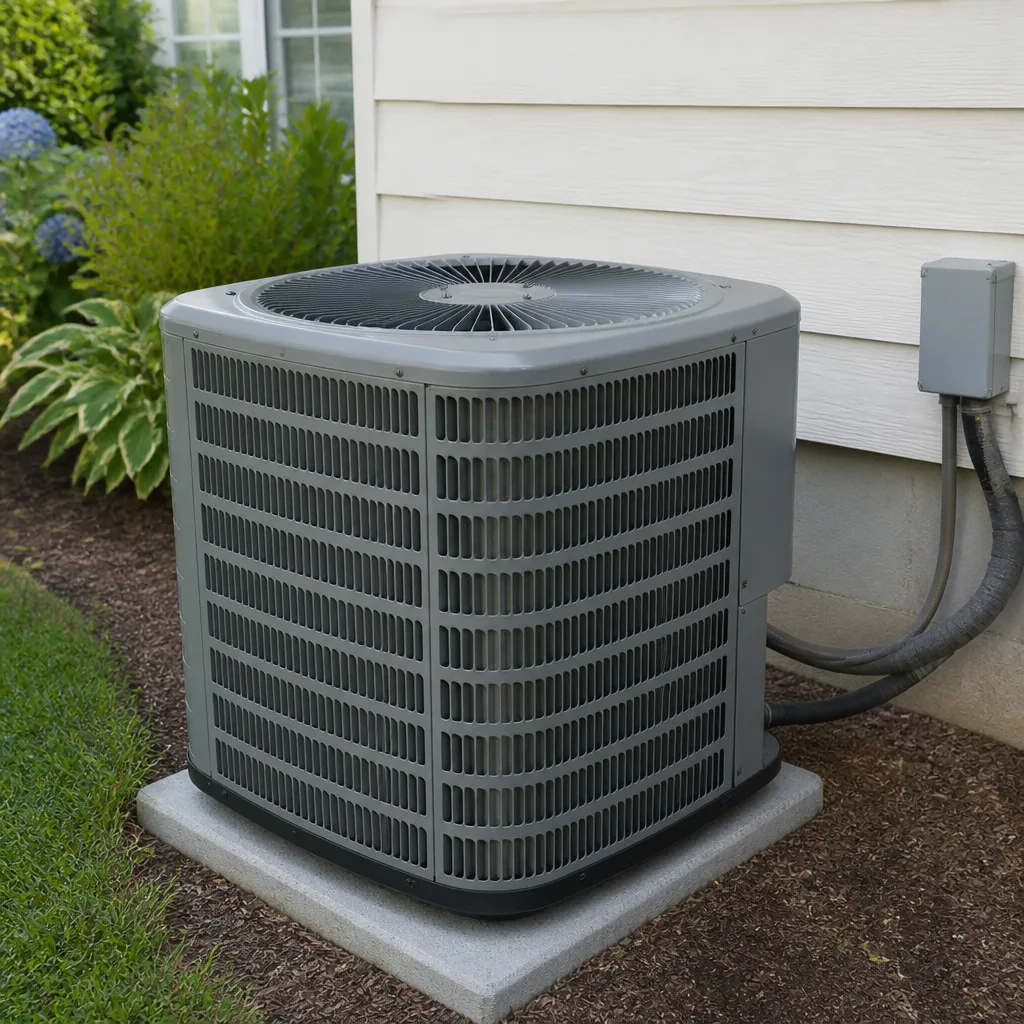
 AC repair
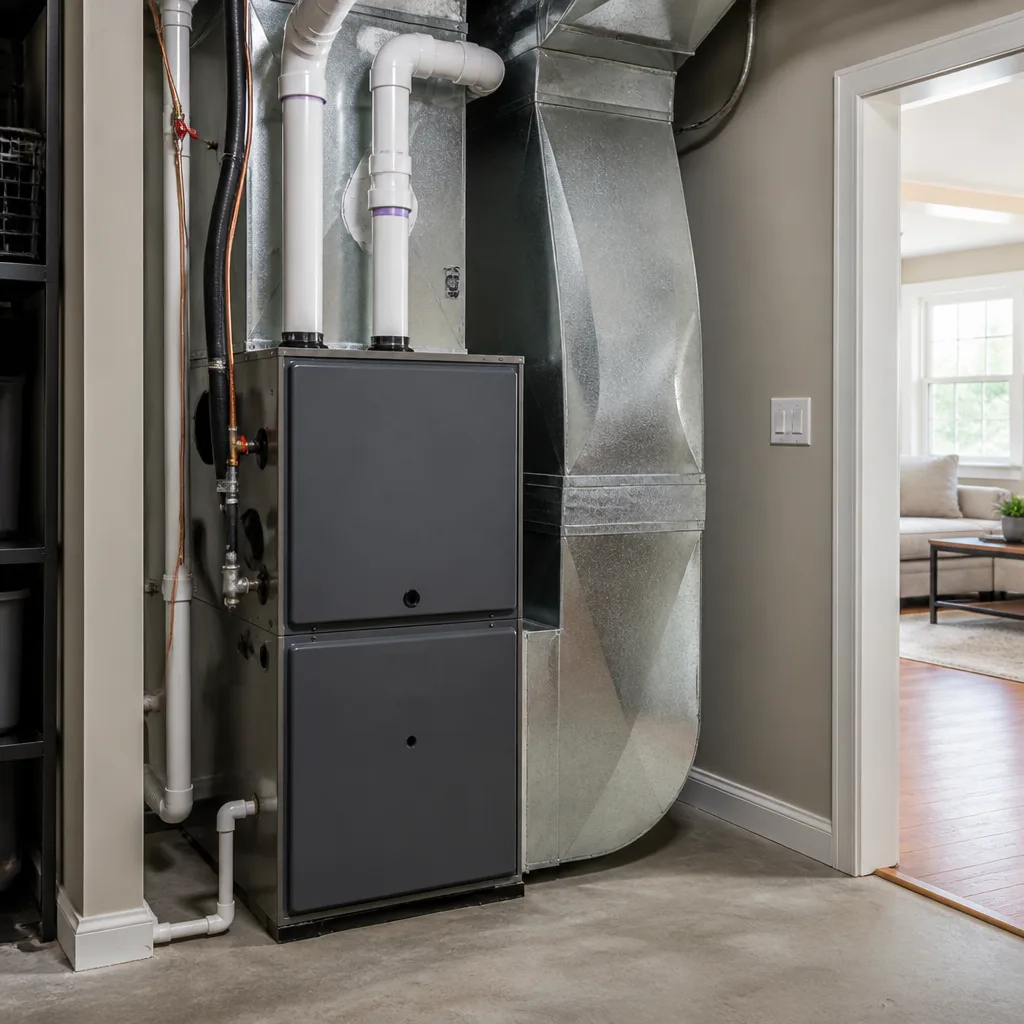 Furnace & heating
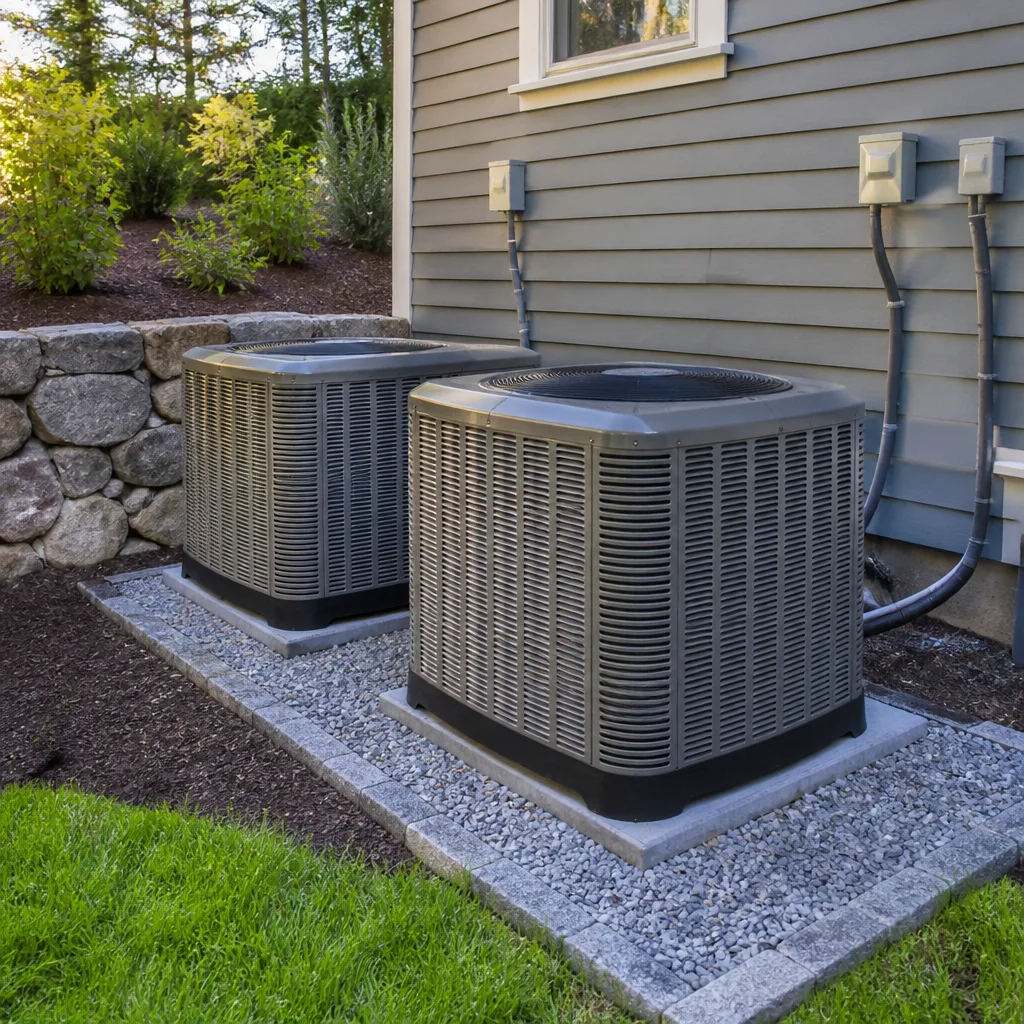 Heat pumps
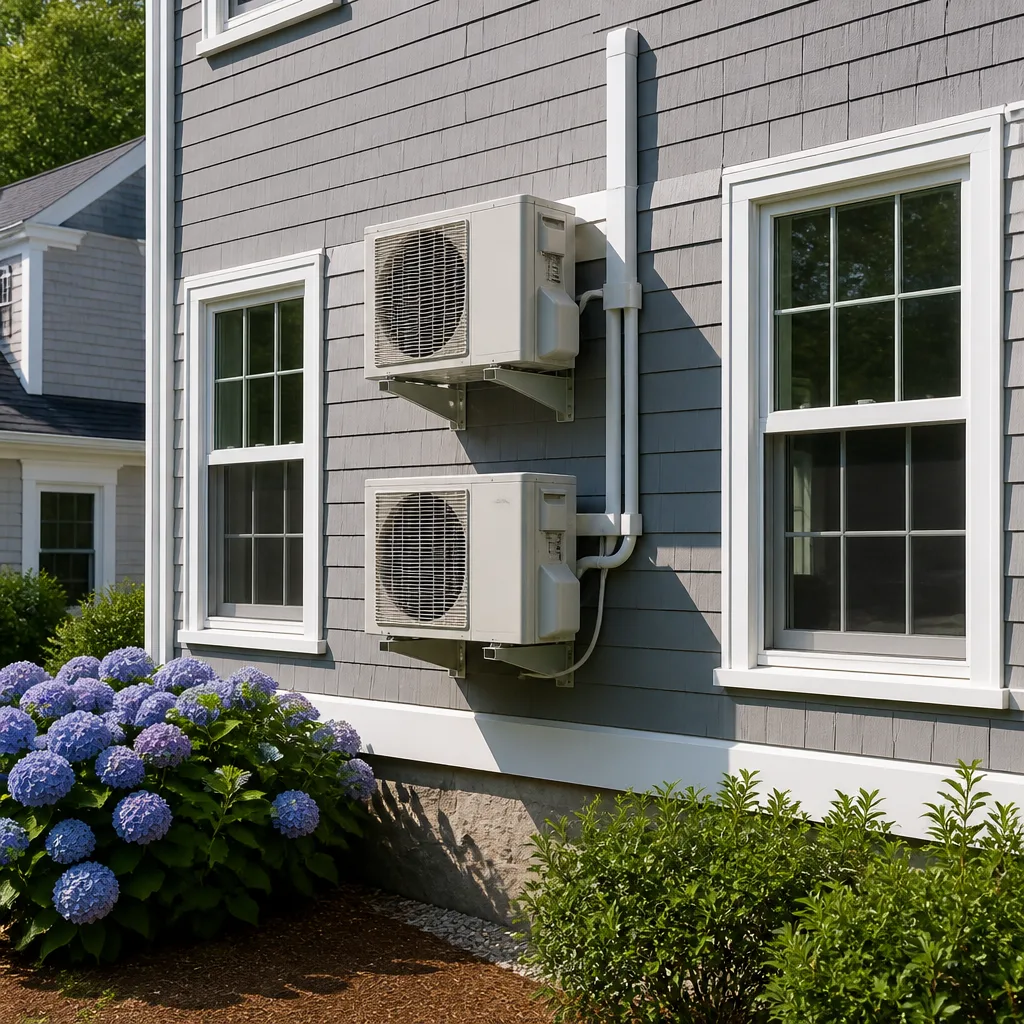 Ductless mini splits
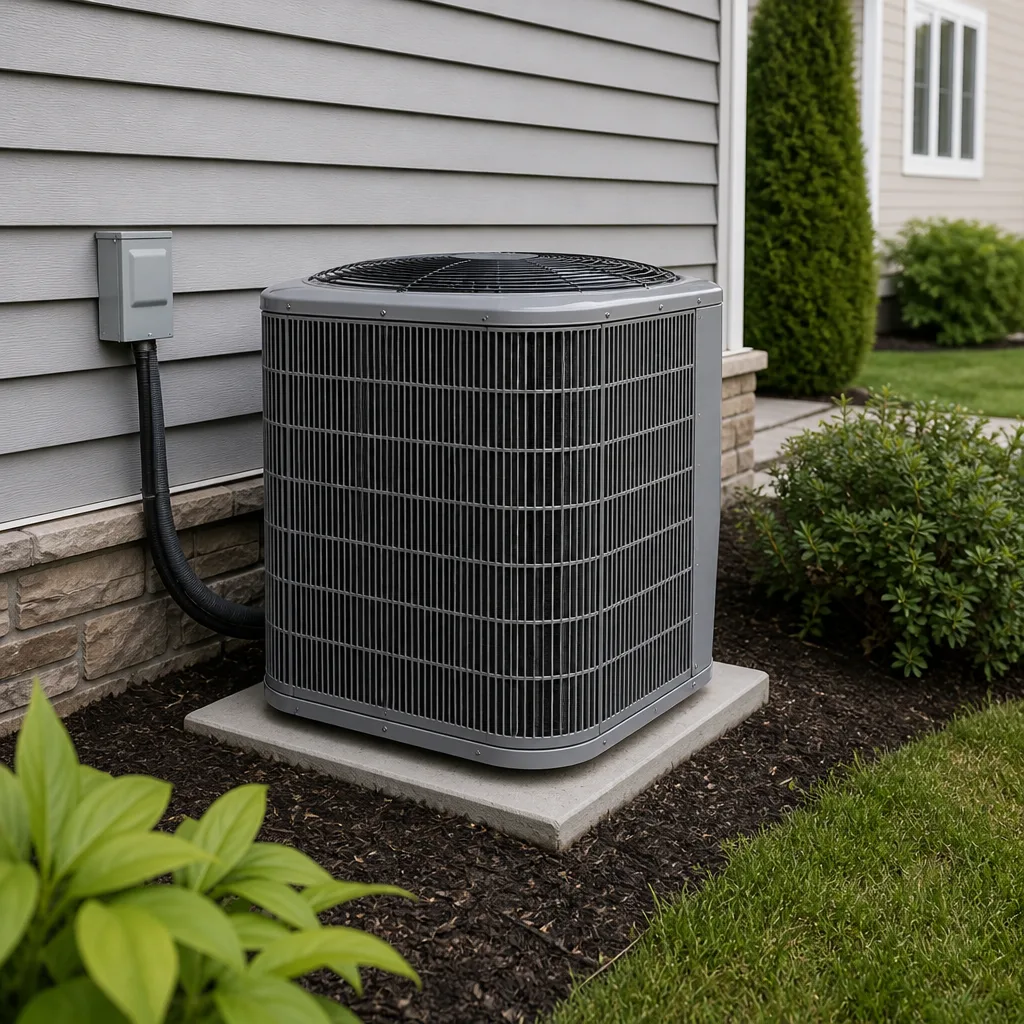 Carrier
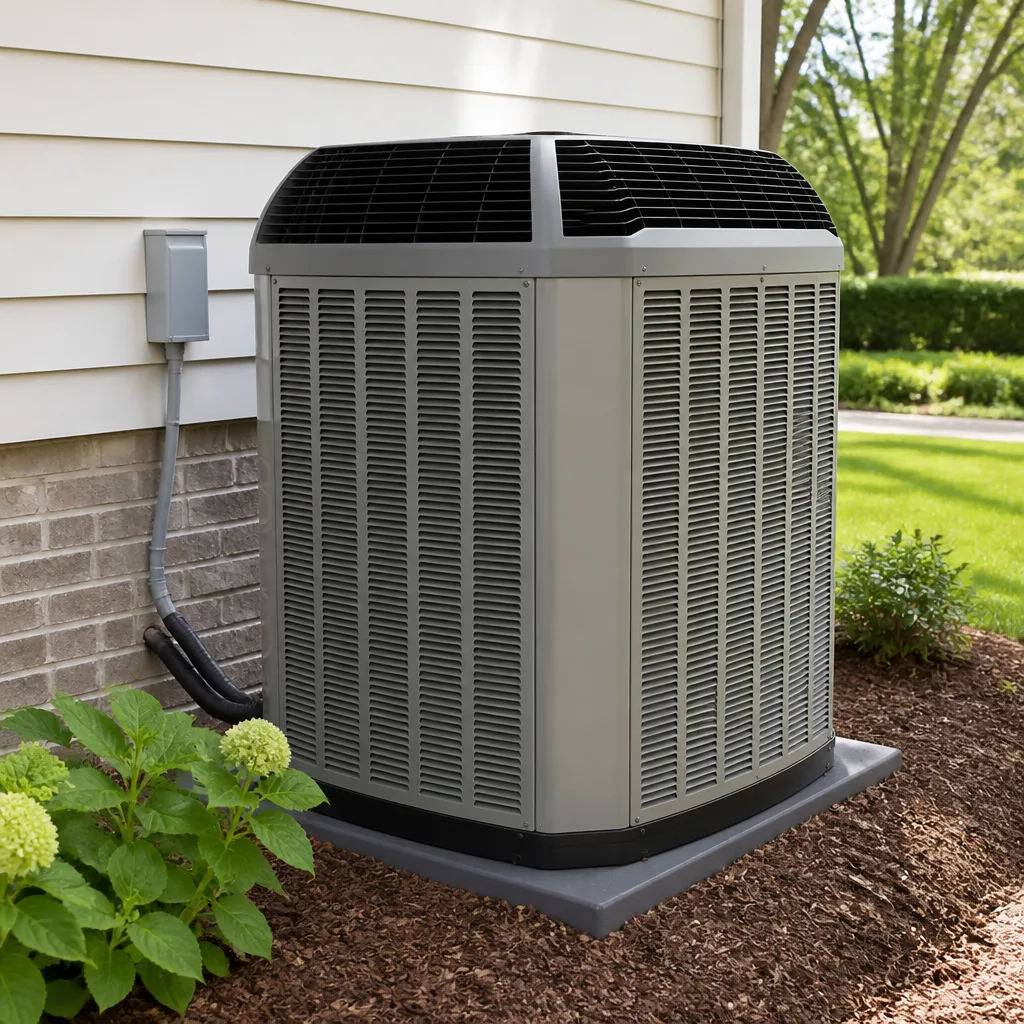 Trane
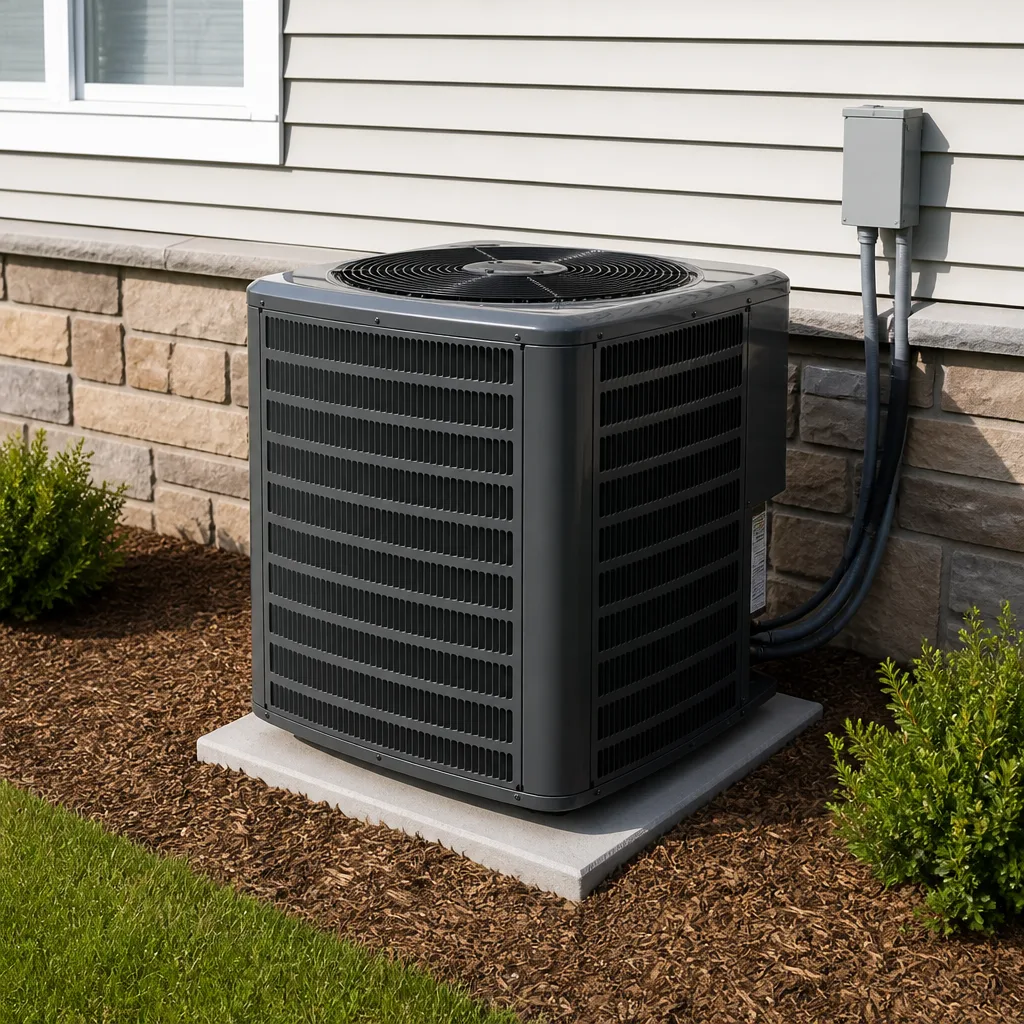 Goodman
Seasonal tune-up and full diagnostic on your Carrier, Trane, or Goodman system - readings shown to you before any repair is proposed
Diagnosis first, numbers second - you approve the repair price before a single part goes in.
Get your free estimateStyles & brands we work with
- AC repair
- Furnace & heating
- Heat pumps
- Ductless mini splits
- Carrier
- Trane
- Goodman
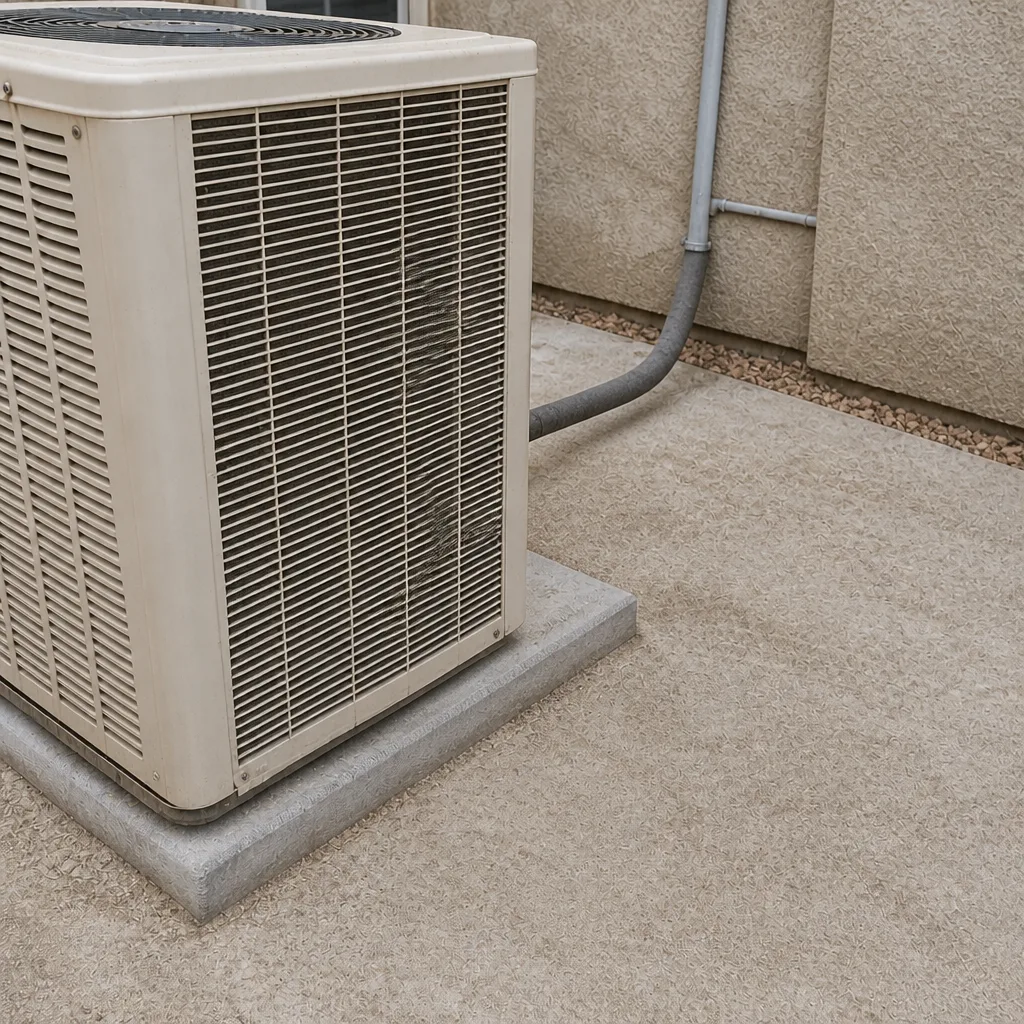
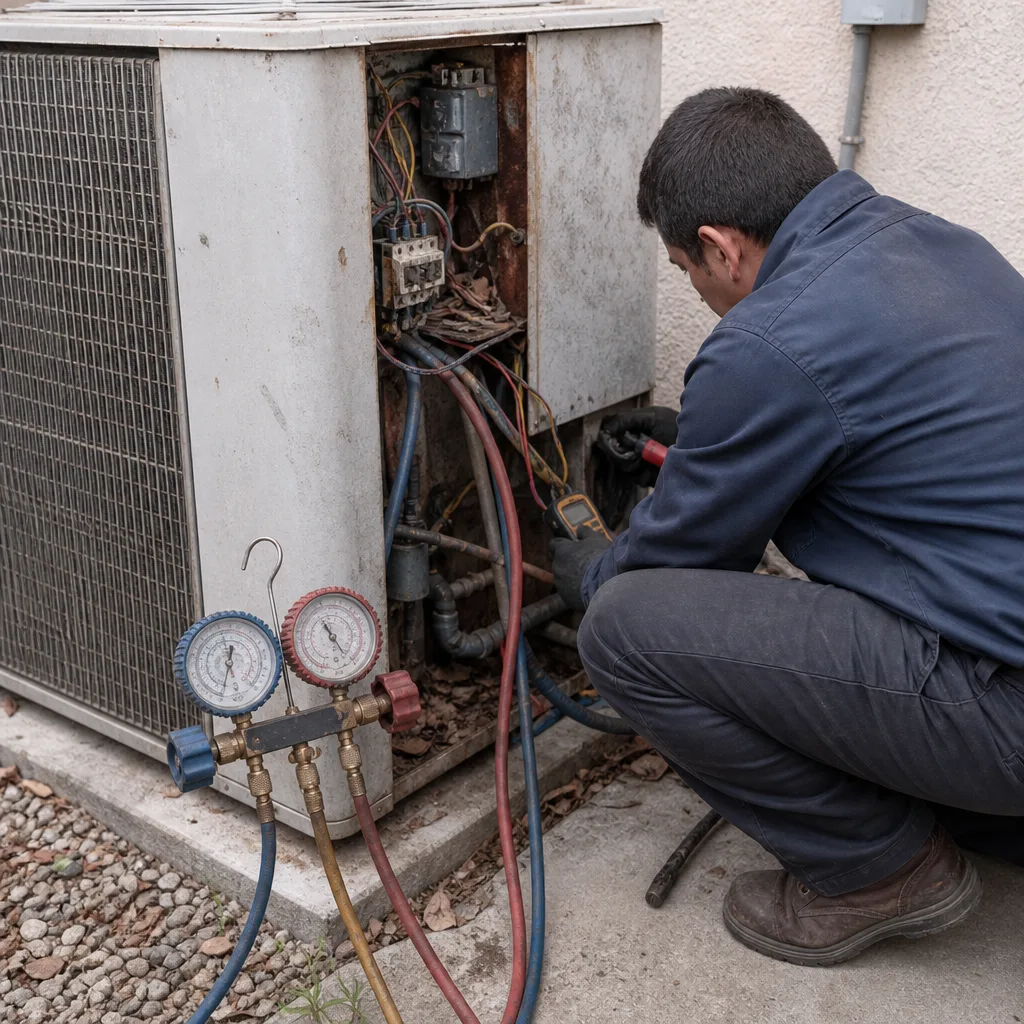
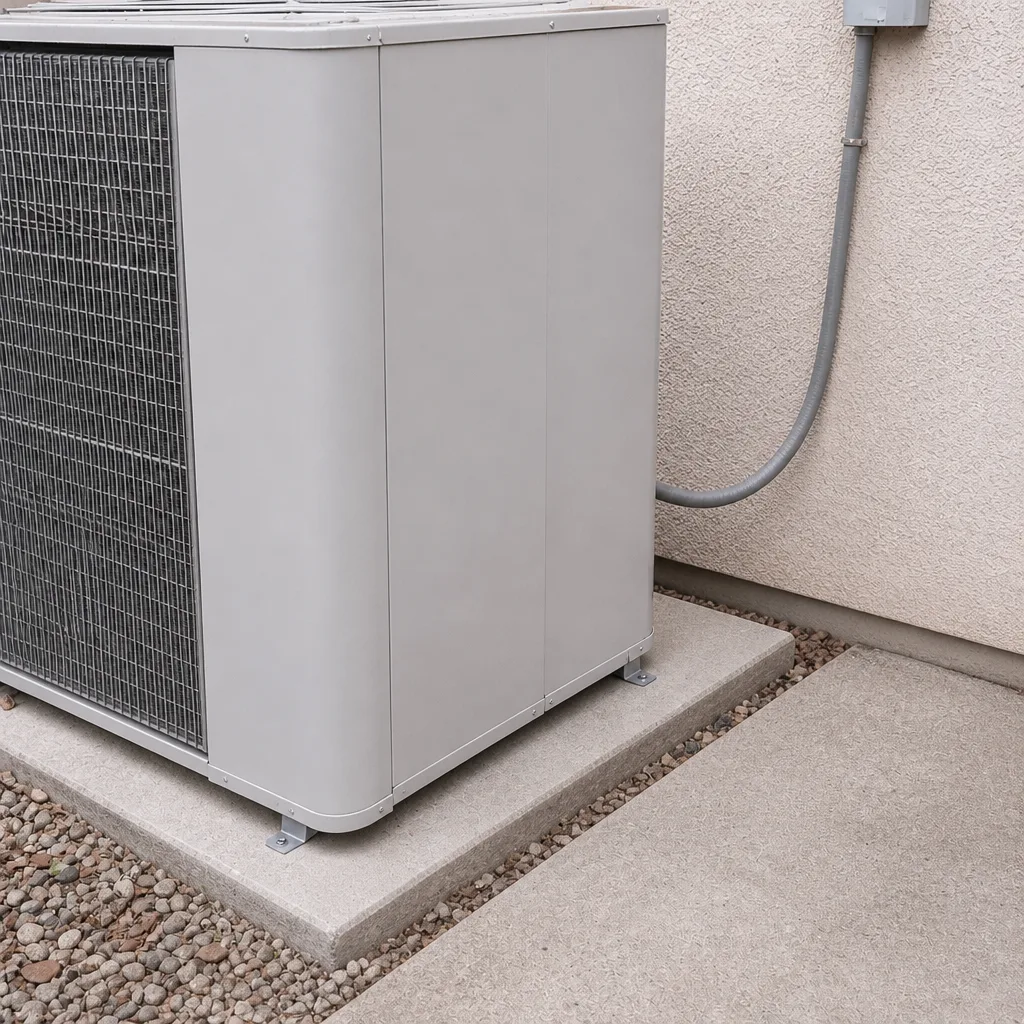
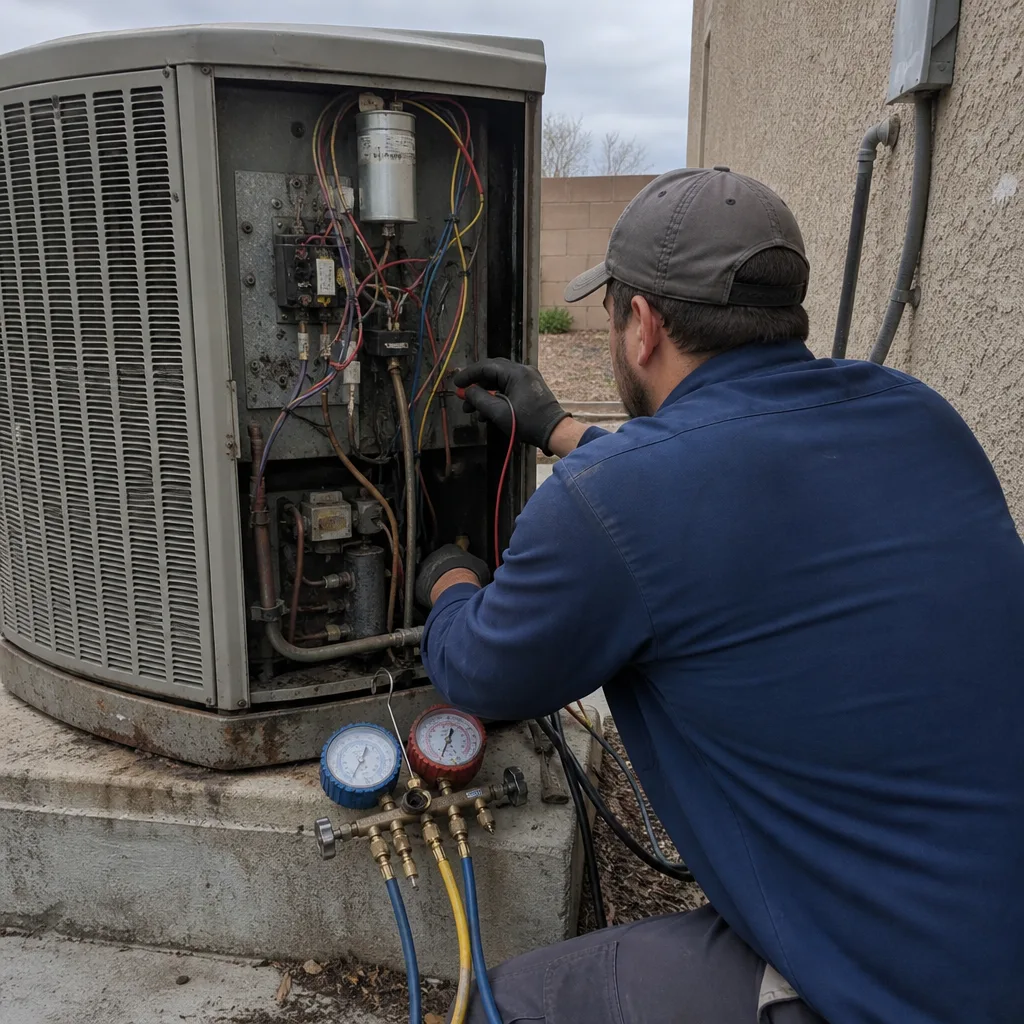
See the difference
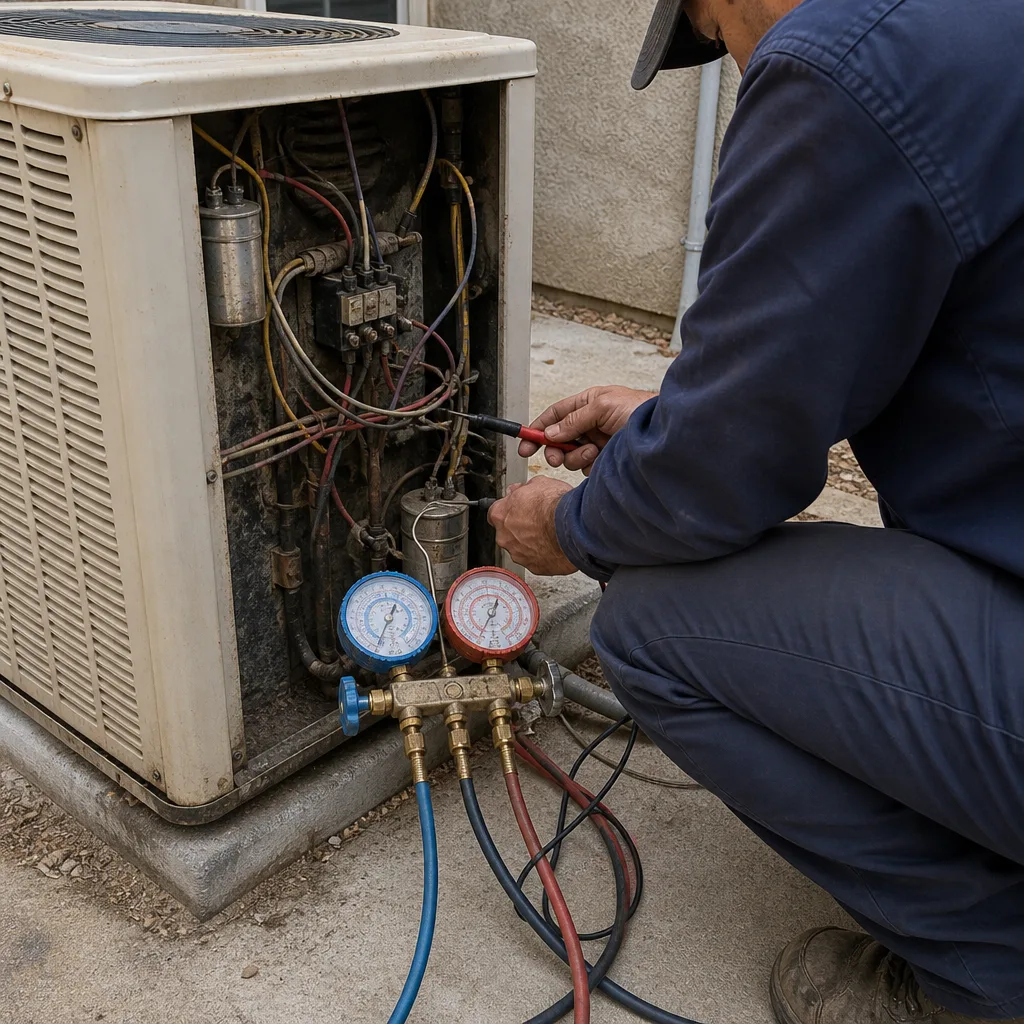 Before
 After
 Before
 After
 Before
 After
Why Your AC Won’t Turn On in Enterprise, NV: The Desert-Specific Answer
If your AC won’t turn on at all in Enterprise, the most likely cause is a high-pressure safety cutout, not a dead thermostat or a blown breaker. When your condenser coils are dust-clogged or outside temperatures hold above 110°F for long stretches, refrigerant head pressure climbs until a safety switch shuts the compressor down to protect it. Before you call anyone, walk outside and look at the disconnect box beside your condenser. In an Enterprise summer, this single check explains most no-start calls, and you can confirm it in about a minute. If the unit still won’t come back on, call (844) 797-9490 and a live person will walk you through the next steps.
Most troubleshooting guides assume a mild climate. That’s why they tell you to check your thermostat first, then your breaker, then call a pro. In Enterprise, that order is wrong, and following it can cost you a service call you didn’t need.
Key Takeaways
- A high-pressure cutout is the leading no-start cause in extreme desert heat, ahead of thermostats and breakers.
- The correct triage order in Enterprise is: outdoor disconnect, high-pressure cutout, capacitor, contactor.
- A system that tripped and restarted is not fixed. The underlying cause will trip it again.
- Low thermostat batteries matter here more than most places because your AC runs so many hours a day.
- Most AC repairs in Enterprise run $150-$650, with a written price before any work starts.
Start at the Outdoor Disconnect, Not the Thermostat
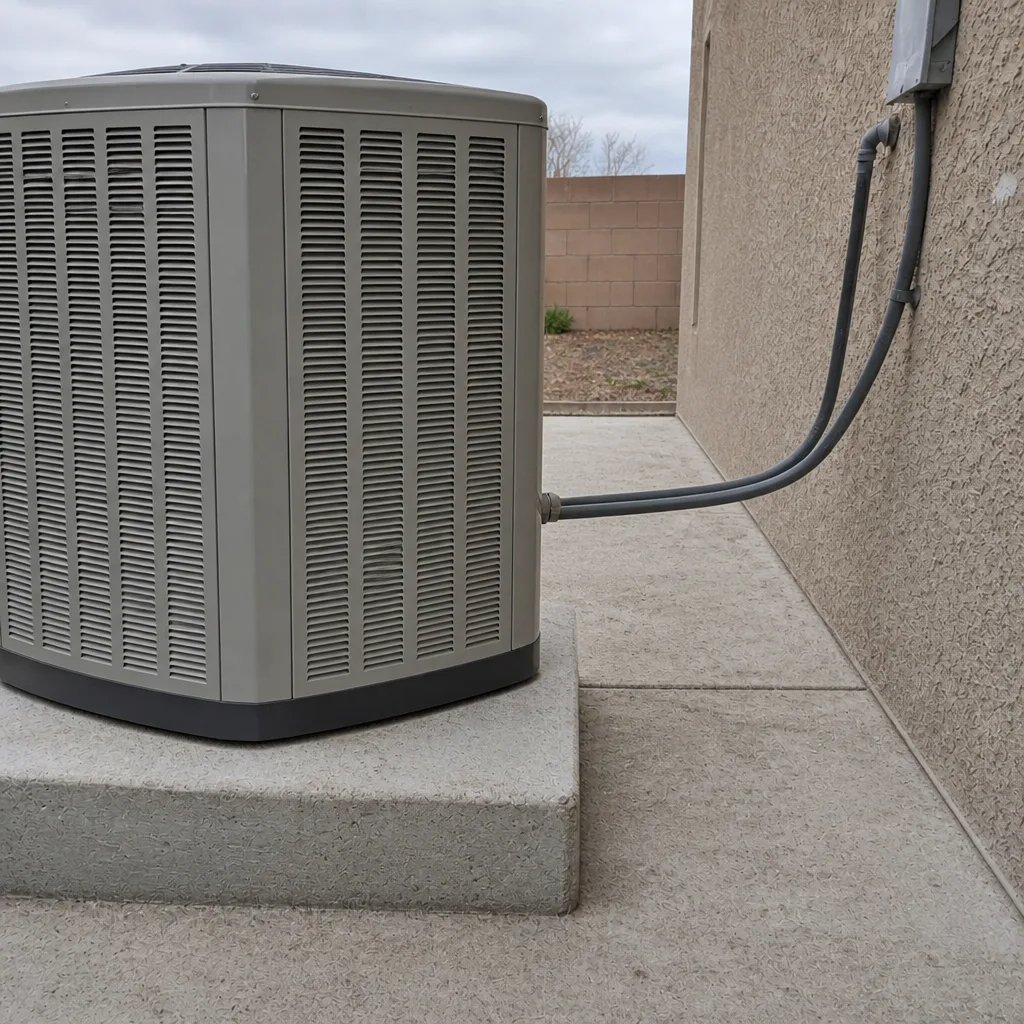
The disconnect box is the small gray pull-out switch on the wall next to your condenser. It’s the single fastest way to learn whether power is reaching your outdoor unit. If the pull-out handle is loose, missing, or the box looks scorched, stop there and call a technician. This is a safety matter, not a DIY job, and we say that plainly because the equipment carries high voltage.
Here’s the honest part about Enterprise: the disconnect is usually fine. Power is reaching the condenser. The system just won’t start because it’s protecting itself. That’s the cutout, and it’s why generic “check your breaker” advice lands flat here.
What Is a High-Pressure Cutout? (Plain Language)
A refrigerant system moves heat out of your home by compressing refrigerant and dumping that heat outside through the condenser coil. Head pressure is the pressure on the high side of that loop. When it climbs too high, a safety switch shuts the system off so the compressor doesn’t burn out. Replacing a compressor is one of the most expensive HVAC repairs there is, so the switch is doing you a favor.
Two things push head pressure up in Enterprise. First, dust. Stucco exteriors and the valley’s fine desert dust coat condenser coils faster than in wetter climates, cutting airflow across the coil. Second, ambient heat. When it stays above 110°F for days, the coil can’t shed heat efficiently, and pressure builds even with normal refrigerant charge. Add a failing capacitor or a charge that’s drifted low, and a cutout becomes likely.
This is also where Brandt HVAC Enterprise earns trust before anyone touches your system. Every technician is background-checked and identity-verified under the Threshold Verified standard, and you get their name and photo before they arrive. If someone shows up you weren’t told to expect, that visit is on us and we make it right.
The Enterprise Triage Order
Work through these in order. Steps 1 and 2 are safe to check yourself. Steps 3 and 4 need a trained technician, because capacitors and contactors sit in high-voltage equipment.
- Outdoor disconnect. Confirm the pull-out is seated and the box isn’t damaged. No power here means an electrical issue, and that’s a pro call.
- High-pressure cutout. Many units reset on their own once pressure drops. If your system tripped during a 110°F afternoon and starts again after the sun goes down, that’s your answer. Note it and call us anyway, because it will happen again.
- Capacitor. If the condenser hums but the fan or compressor won’t turn over, the run capacitor may have failed. Weak capacitors are common when a unit runs 16 or more hours a day for months.
- Contactor. If you hear the indoor blower but the outdoor unit is silent, the contactor may not be passing signal to the compressor. That’s a diagnostic step for a technician with a meter.
That order is different from what most guides tell you, and it saves Enterprise homeowners the unnecessary trip. It also explains why your neighbor’s AC in a 1990s ranch home with an original unit and your cousin’s newer high-SEER system in a 2010s build can fail the same afternoon for completely different reasons. Older, undersized systems in this part of the valley feel the heat load hardest, while tightly sealed newer homes still carry the same cooling demand. Either way, we service all major brands, including York, Daikin, Bryant, and American Standard, so you’re not boxed in by equipment age.
Why “It Came Back On” Doesn’t Mean It’s Fixed
A high-pressure trip is a warning, not a glitch. It means something in the system is running hotter or pressuring higher than it should. If a dirty coil caused the trip, running the same coil another week pushes the compressor closer to failure. If low refrigerant charge caused it, the leak hasn’t gone anywhere. If a failing capacitor caused the hum that led to the trip, it will fail again on the next 110°F afternoon, and that could be a Saturday after a long day working from home.
This is why we push a written price before any work starts. Diagnostics in Enterprise typically land within our $150-$650 AC repair range, depending on the part and the labor. Our technicians, who carry up to 23 years of experience, will show you the coil condition and the capacitor reading, explain the fix, and hand you a written price before touching anything. Every completed repair also comes with a written guarantee and the 365-Day Done Right Promise: if the repair fails within the guarantee period, we come back free of charge.
- Dirty condenser coil: most common cost driver, typically at the low end of the $150-$650 range.
- Failed capacitor: mid-range repair, often same-visit.
- Low refrigerant or leak: needs leak detection and recharge, at the higher end of the range.
- Failed contactor or compressor: diagnostic first, then a clear written quote before any work.
What About Thermostat Batteries and Monsoon Humidity?
Thermostat batteries drain faster here than in milder climates because your system runs so many hours a day, so it’s worth checking, just second or third in line. A dead thermostat can absolutely shut you down, but it’s rarely the first domino when the outside temp is pushing 110°F. Separately, when monsoon season brings humidity spikes, condensate lines clog more often, and an overflow safety switch can shut the system off. That’s a different repair, and it needs to be part of any honest diagnostic.
When to Stop Checking and Call
Call for help the moment you see scorched wiring, smell burning, or hear a repeated click without the compressor starting. Call if the system trips more than once in a week. And call early: our phones are answered by a live person 24 hours a day, seven days a week, so a homeowner can ring at 6 AM before the day heats up, get walked through the triage steps by phone, and if a visit is needed, know exactly who’s coming and when. You can also review our AC Repair & Installation in Enterprise page to see how the full repair process works.
FAQs About Your AC Not Turning On in Enterprise
The most likely reason is a high-pressure safety cutout triggered by extreme heat and dust-clogged condenser coils, not a dead thermostat or a tripped breaker. Check the outdoor disconnect first, then note whether the system tripped during peak afternoon heat. Call (844) 797-9490 for a free estimate if it doesn’t reset.
Yes. A dust-coated condenser coil can’t shed heat, so refrigerant head pressure climbs until the safety switch shuts the system down before the compressor is damaged. In Enterprise, where the coil gets coated faster than in wetter climates, coil cleaning is often the fix. Call (844) 797-9490 for an exact quote; estimates are free.
Most AC repair jobs here run $150-$650, and that depends on whether the cause is a capacitor, a dirty coil, a contactor, or a refrigerant issue. You’ll see a written price before any work starts. Call (844) 797-9490 for a free estimate.
In most cases, yes, and you’ll receive your technician’s name and photo before the visit plus a photo ID badge at the door. A live person answers at any hour, so early-morning calls get the fastest response before the heat peaks. Call (844) 797-9490 to check availability.
If you’d rather have it looked at, Brandt HVAC Enterprise offers a no-pressure assessment in Enterprise. Call (844) 797-9490, and we’ll send a verified technician with a written price in hand. If the repair fails within its guarantee, we come back at no charge. Visit our home page to see the full range of what we do.
Written by the team at Brandt HVAC Enterprise, serving Enterprise, NV.