
Last updated November 17, 2026
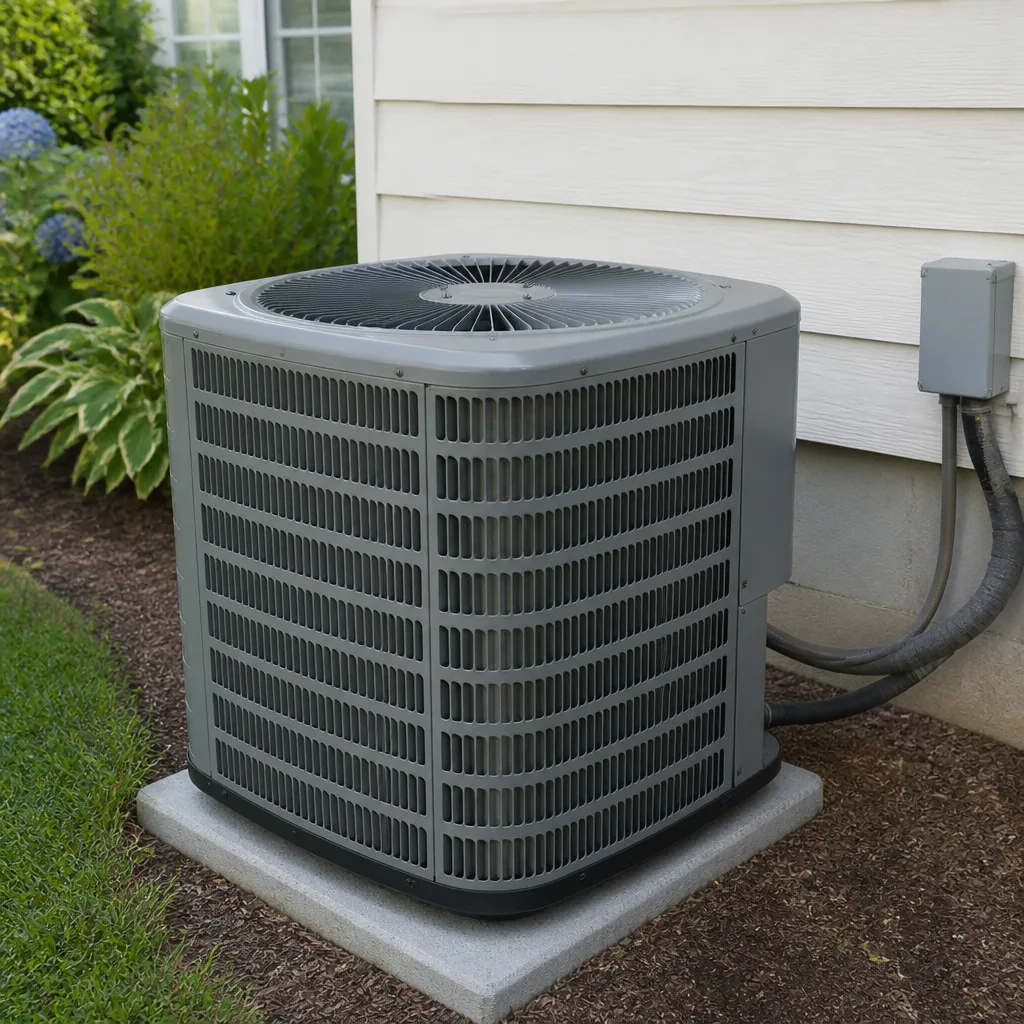 AC repair
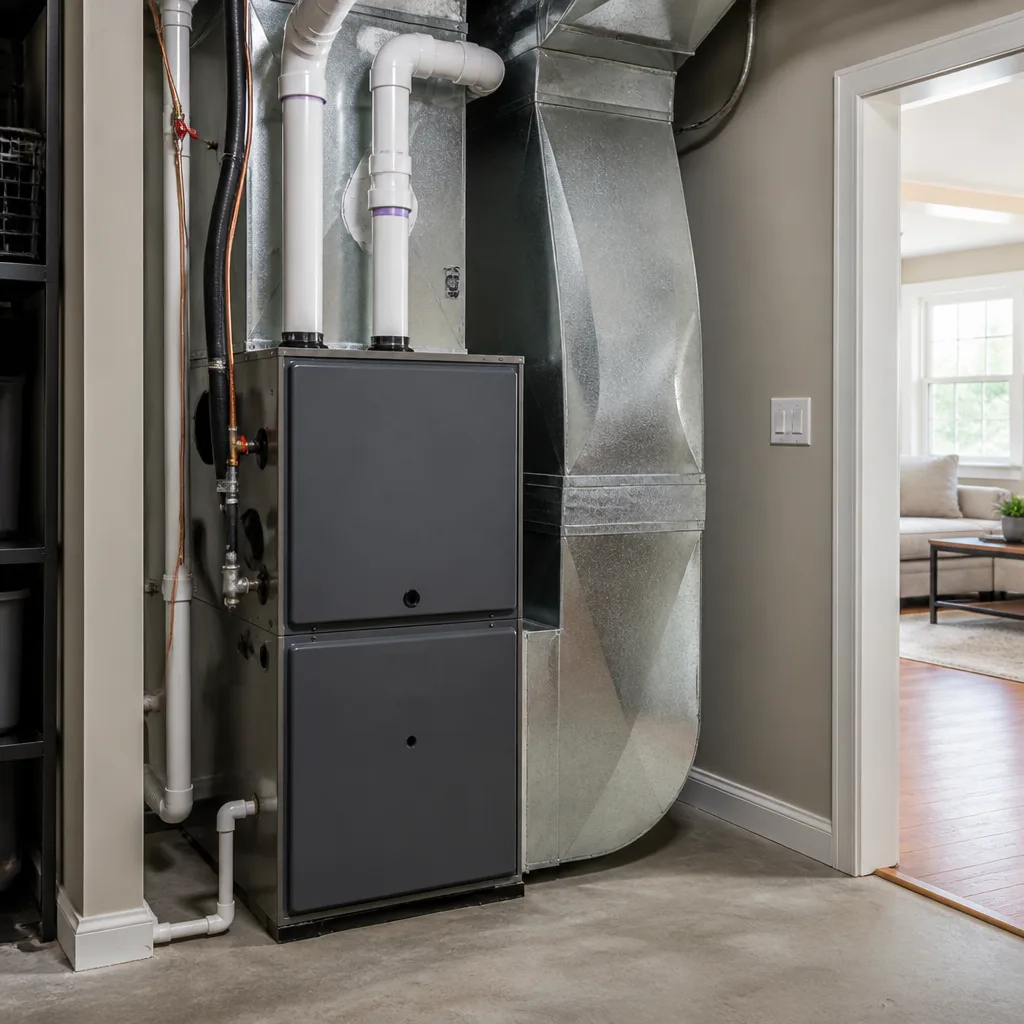 Furnace & heating
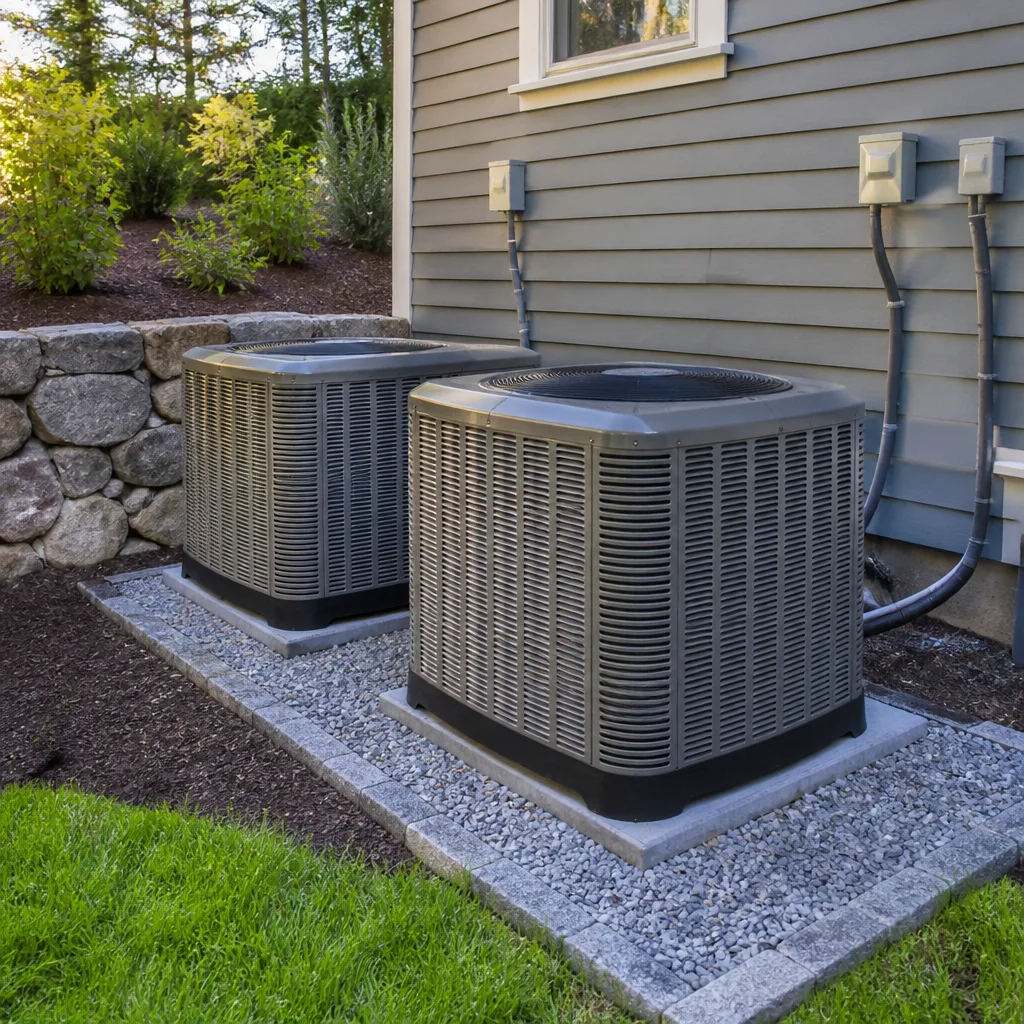 Heat pumps
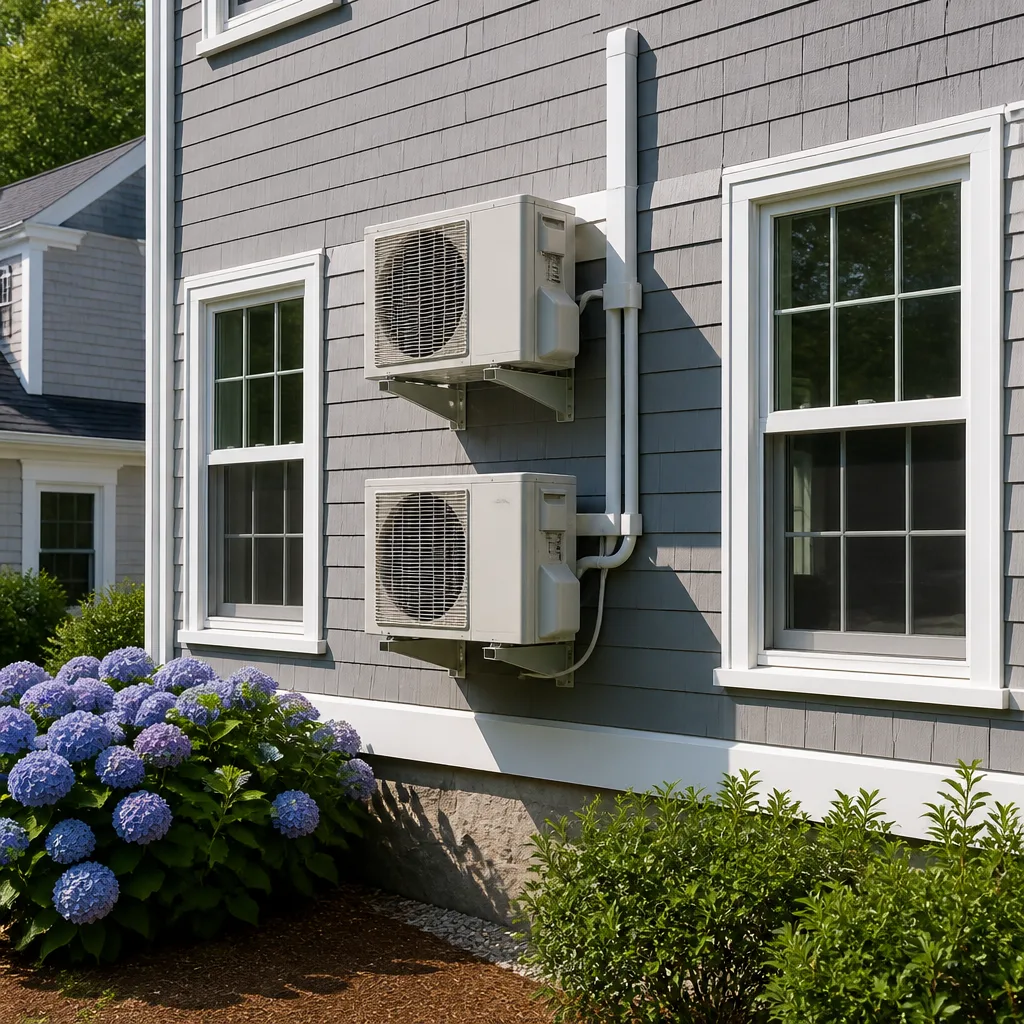 Ductless mini splits
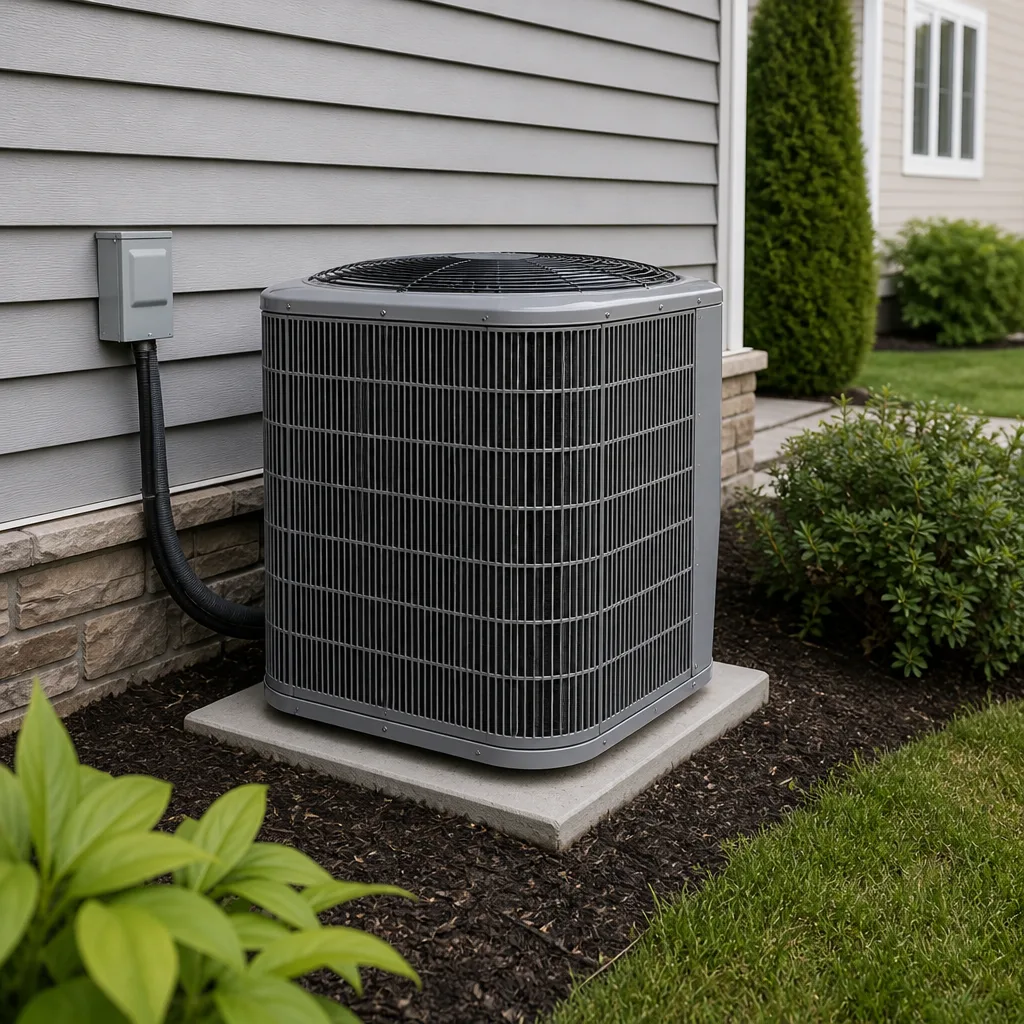 Carrier
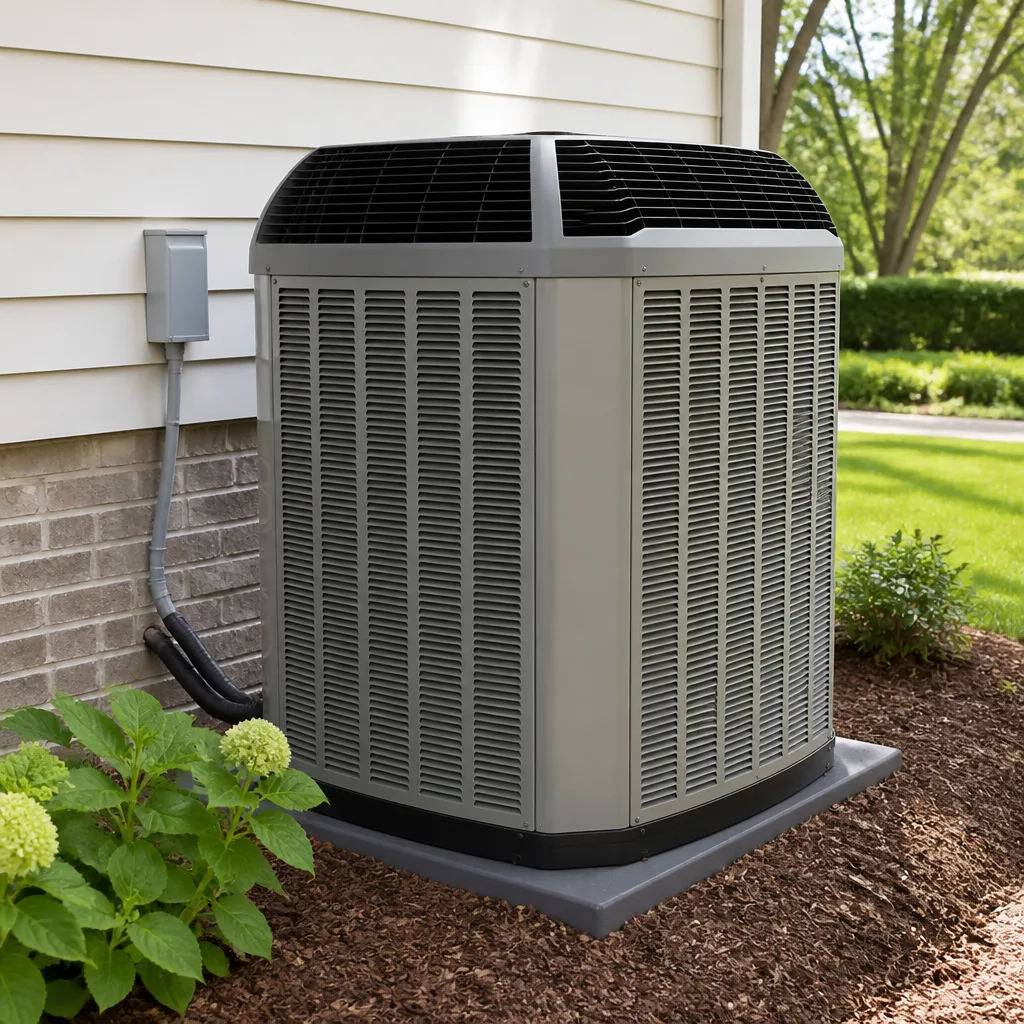 Trane
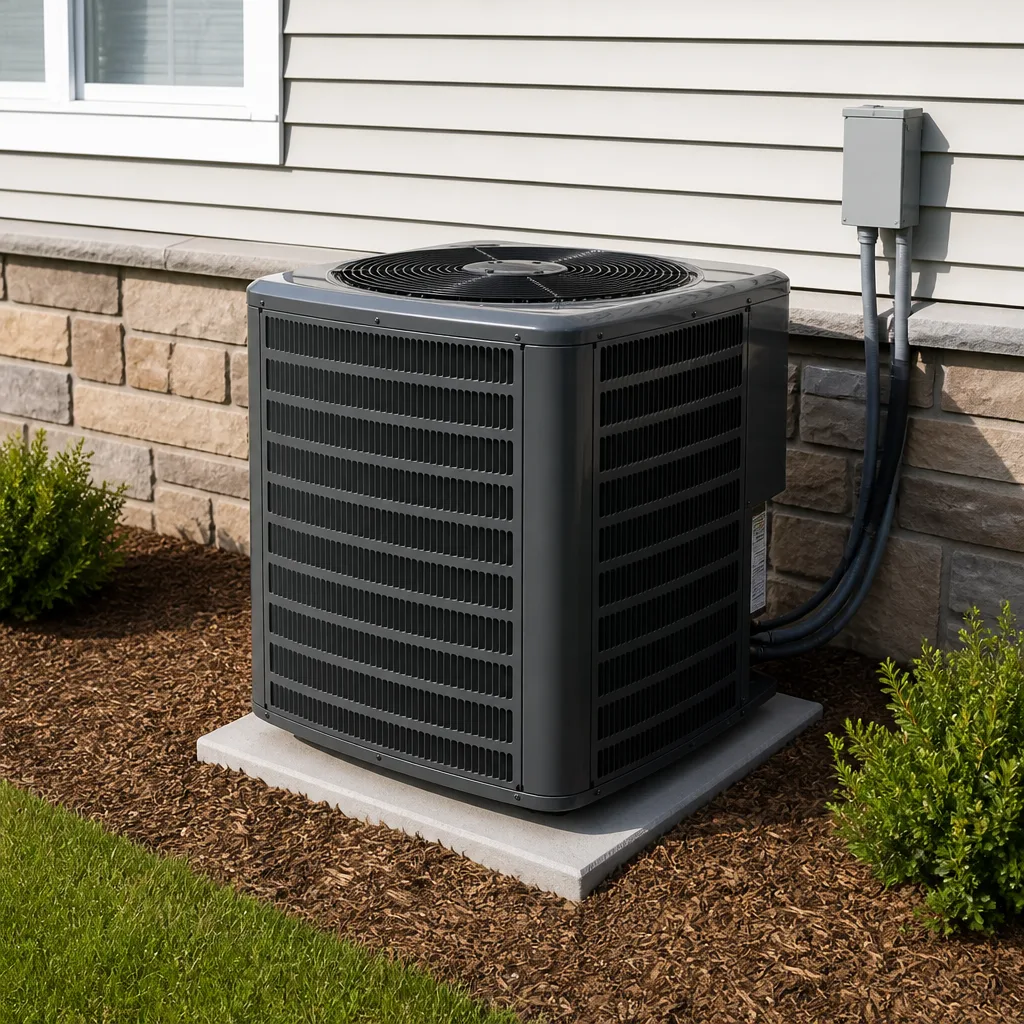 Goodman
Seasonal tune-up and full diagnostic on your Carrier, Trane, or Goodman system - readings shown to you before any repair is proposed
Diagnosis first, numbers second - you approve the repair price before a single part goes in.
Get your free estimateChoosing the Right HVAC Brand: A Buyer’s Guide for Enterprise
One major HVAC brand has only two authorized warranty service dealers covering the entire Las Vegas metro. That single fact changes how you should shop for a system in Enterprise. A warranty call in July can sit for two weeks waiting on an approved dealer, exactly as long as an out-of-warranty repair. National rankings, which are written for a country with mild average summers, don’t capture that reality. What matters here is whether the brand’s parts sit on a shelf in Clark County and whether a certified tech can reach your house before the house hits 95°F inside. This guide walks you through the checks most buyers skip: dealer lookups, SEER2 in extreme heat, warranty fine print, and the component specs that actually predict desert reliability.
Quick Answer
The best HVAC brand for an Enterprise home is the one with an authorized warranty dealer and a stocked parts distributor inside the Las Vegas metro, a compressor rated for high-ambient operation, and a contractor who can show you that network before you sign. Brand prestige ranks last. In a market that regularly runs above 110°F, service access and parts availability decide how long you go without cooling, not the logo on the condenser.
Styles & brands we work with
- AC repair
- Furnace & heating
- Heat pumps
- Ductless mini splits
- Carrier
- Trane
- Goodman
Table of Contents
- Check the Dealer and Parts Network Before You Check the Brand
- SEER2 Ratings in Extreme Heat: What the Number Doesn’t Tell You
- Warranty Terms Decoded: Registered vs. Unregistered
- Component Specs That Matter in Desert Operation
- Is Your Contractor’s Brand Recommendation Honest?
- How Goodman, Rheem, York, and Daikin Fit Different Budgets
- Common Mistakes to Avoid
- Frequently Asked Questions
Check the Dealer and Parts Network Before You Check the Brand
Most buyers start with a brand name and work backward. Flip that. Before you commit to any system, run what we call the two-step verification: confirm an authorized warranty dealer and confirm a stocked parts distributor, both within reasonable driving distance of Enterprise.
Step one is the manufacturer’s own dealer locator. Every major brand, from Goodman to Daikin, publishes a “find a dealer” or “find a contractor” tool on its website. Search your ZIP code and count how many results appear within a 20-mile radius. A brand with two authorized dealers in the whole Las Vegas valley means warranty repairs wait in a queue behind every other customer those dealers serve. A brand with a dozen gives you options when one shop is booked solid in August.
Step two is the parts distributor. Call the manufacturer’s customer line and ask directly: “Where is the nearest distributor that stocks warranty replacement parts for this model line?” Write down the answer and the distance. When a compressor or control board fails, the repair timeline depends on whether that part is on a shelf in Clark County or on a truck from a regional warehouse three states away.
In our experience around Enterprise, the brands that hold up best on this test are the ones with broad contractor coverage rather than the ones with the glossiest brochures. A mid-tier unit with a local parts shelf beats a premium unit with a two-week parts wait every single summer.
SEER2 Ratings in Extreme Heat: What the Number Doesn’t Tell You
SEER2 is the updated efficiency rating that replaced SEER in 2023. It measures cooling output divided by energy input over a standardized season. Here’s the catch for Enterprise homeowners: that standardized season assumes moderate temperatures. A unit rated 16 SEER2 in a mild climate and the same 16 SEER2 unit running here are not performing the same way in practice.
When the outdoor temperature climbs past 110°F, an air conditioner works harder to reject heat, draws more amps, and its real-world efficiency drops below the lab rating. The rating is a starting point, not a promise for desert conditions. That’s why the sticker number alone shouldn’t drive your decision.
What actually pencils out financially in Enterprise:
- 14.3 to 15 SEER2: The entry tier. Fine for a rental or a tight budget, but expect higher summer bills during the June-through-September stretch when the system runs nearly nonstop.
- 16 to 17 SEER2: The sweet spot for most owner-occupied homes in Enterprise. The efficiency gain pays back over a normal ownership period without the premium of the top tier.
- 18+ SEER2 or variable-speed systems: Worth the money if you have a large home, high summer usage, or plan to stay in the house for years. The premium is real, so run the math on your actual electric bills before committing.
The variable-speed point deserves a plain explanation. A variable-speed compressor ramps up and down instead of switching fully on and off. In a place where the system runs most of the day in summer, that steady low-speed operation holds humidity and temperature more evenly and uses less power than a single-speed unit cycling hard. If your Enterprise home runs hot on the west side, that’s worth asking about.
Warranty Terms Decoded: Registered vs. Unregistered
Manufacturer warranties are not one number. They’re usually two: a parts warranty and a compressor warranty, each with a registered period and a shorter unregistered period. Miss the registration window and you can lose years of coverage.
Here’s how the two states differ in practice:
- Registered limited warranty: Typically the longer period, often 10 years on parts and compressor for major brands. It usually requires you (or your contractor) to register the equipment with the manufacturer within a set window after installation, often 60 days.
- Unregistered limited warranty: Falls back to a shorter default, commonly 5 years on parts. No registration, less coverage. Same equipment, half the protection.
Then there’s the labor question, and this is where homeowners get surprised. A manufacturer warranty covers parts. It does not cover the technician’s time, the diagnostic fee, refrigerant, or the labor to swap a compressor. You still pay those. Some contractors sell a separate labor warranty to cover that gap, and it’s worth asking what it includes and for how long.
When you get a repair quote, ask two questions: “Is this part covered under warranty?” and “What will I still owe in labor?” A written price before any work starts answers the second one. That’s the standard we hold to on every job, and it’s the right question to ask any contractor in Enterprise.
Component Specs That Matter in Desert Operation
Brand prestige is a poor predictor of reliability here. Two specs beat it every time: compressor warranty length and high-ambient rating.
The compressor is the heart of the system and the most expensive single component to replace. A brand offering a 10-year compressor warranty is telling you something about its confidence in that part. A brand offering 5 years is telling you something too. Read that line carefully before you compare prices.
High-ambient rating is the outdoor temperature at which the manufacturer rates the unit to operate reliably. In a market that regularly hits 110°F and above, a unit rated to 115°F has headroom. A unit rated lower may struggle, trip its high-pressure limit, or wear faster on the hottest days. Ask the contractor for the published high-ambient rating on the specific model, not the brand’s marketing page.
Other desert-specific checks:
- Coil construction: Ask whether the condenser coil has a corrosion-resistant coating. Dust and heat stress coils, and a coated coil lasts longer.
- Filter-drier and charge: A properly sized filter-drier and correct refrigerant charge protect the compressor. Confirm the installer will verify charge at startup.
- Drain and condensate handling: In dry heat, drain lines still clog with dust and debris. A system with an accessible, serviceable drain pan is easier to maintain.
- Parts commonality: A model built on widely stocked components is easier to fix fast than a niche model with proprietary parts.
We service all major residential brands, including Carrier, Trane, Lennox, Goodman, Rheem, York, Daikin, Bryant, and American Standard. When we walk a homeowner through these specs, the conversation usually shifts from “which brand is best” to “which model in my budget has the right compressor warranty and ambient rating for Enterprise.” That’s the right conversation.
Is Your Contractor’s Brand Recommendation Honest?
Contractors have legitimate reasons to recommend certain brands: installer training, parts familiarity, and the reliability they’ve watched firsthand on hundreds of jobs. Those reasons serve you. But there’s a second set of reasons, and you should ask about them directly.
Manufacturers run co-op advertising programs. In simple terms, a manufacturer may help fund a contractor’s marketing in exchange for promoting that brand. That’s not illegal and it’s not automatically bad. It becomes a conflict of interest when the recommendation is driven by the incentive rather than by what fits your home and your service network.
How to tell the difference:
- Ask why. A contractor with a real reason can name the specific model, explain its high-ambient rating, and point to the local parts distributor. A contractor pushing an incentive gets vague.
- Ask if they install more than one brand. A shop that carries several brands can match you to the right one. A single-brand shop may simply not have the option.
- Ask to see the written price for the exact model recommended. A written price before any work starts gives you a document to compare against another contractor’s quote. No written price, no commitment.
- Ask about their service capability on that brand. If they can’t get parts or don’t have techs trained on the equipment, the recommendation doesn’t help you when it breaks.
The name Brandt comes from an old word for a firebrand, which fits the work of keeping a home warm in winter and cool in summer. Our approach follows the same plain standard: tell you exactly what we recommend and why, in writing, before anything starts.
How Goodman, Rheem, York, and Daikin Fit Different Budgets
Brand tiers exist for a reason, and matching the tier to your situation beats chasing a name. Here’s how the common brands stack up in practical terms for an Enterprise buyer.
Goodman is widely available and parts are easy to source through local distributors, which makes it a common choice for budget-conscious replacements and rentals. It’s a workhorse tier: reliable when installed correctly, straightforward to service.
Rheem sits in a similar value-to-mid range with broad contractor coverage and generally good parts access. If you want a step up in component quality without the premium-tier price, it’s worth a quote.
York offers a range of efficiency levels and is common enough in the market that service access is rarely an issue. Check the specific model’s compressor warranty and ambient rating before deciding.
Daikin has grown into a strong mid-to-premium option with a solid reputation for inverter and variable-speed systems. If you’re considering a high-efficiency or variable-speed system for a large Enterprise home, it’s a name to put on the shortlist.
All four can work well here. The difference between a system that lasts and one that frustrates you comes down to correct sizing, proper install, and whether the parts network can reach you fast. That’s why our Brandt HVAC Enterprise home page leads with service access and written pricing rather than brand logos, and why a proper AC maintenance in Enterprise schedule does more for equipment life than any brand badge.
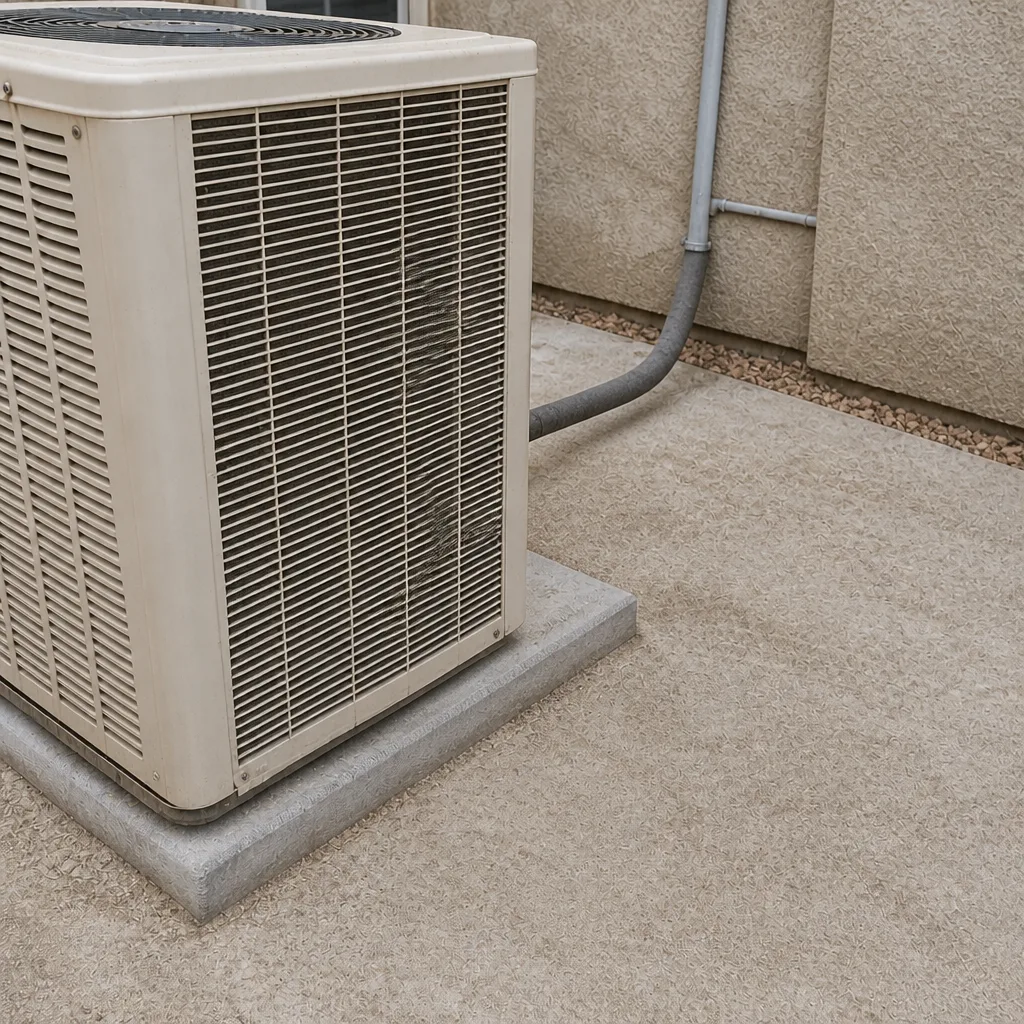
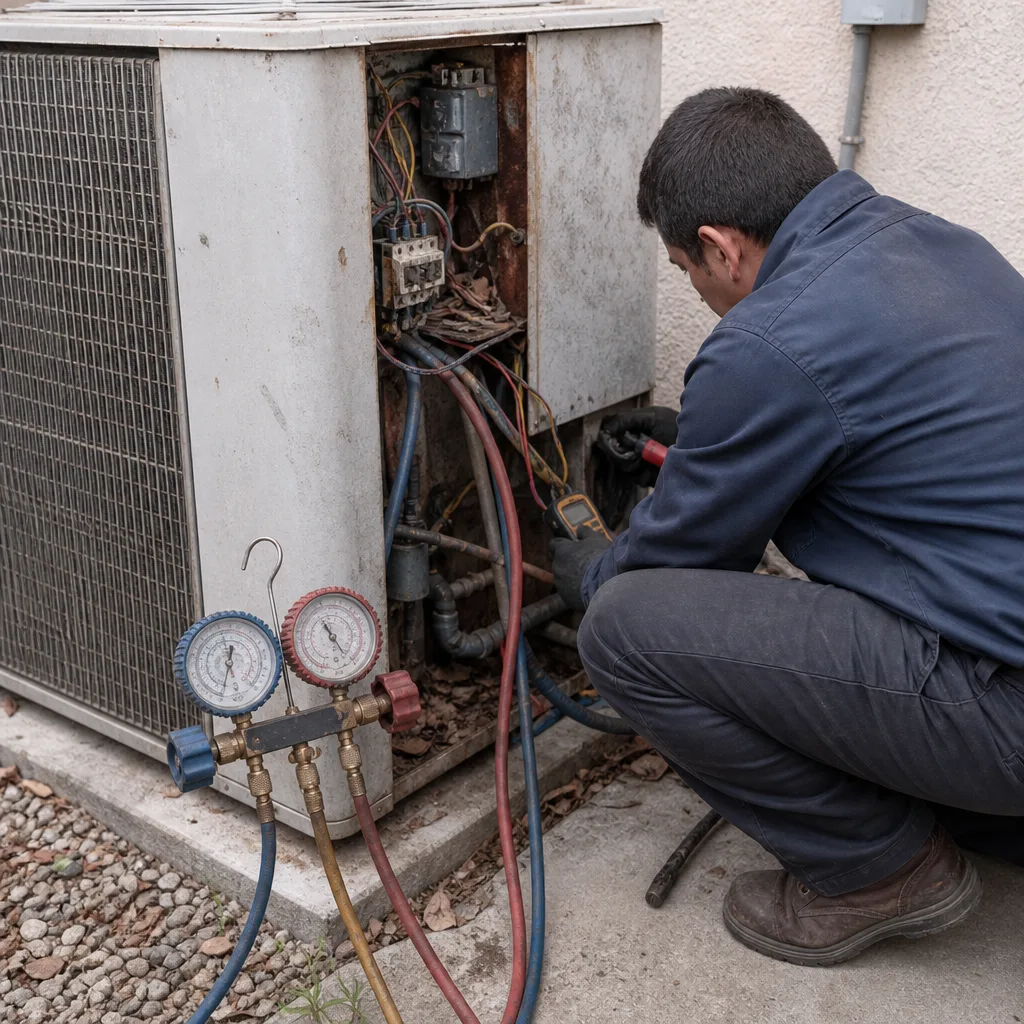
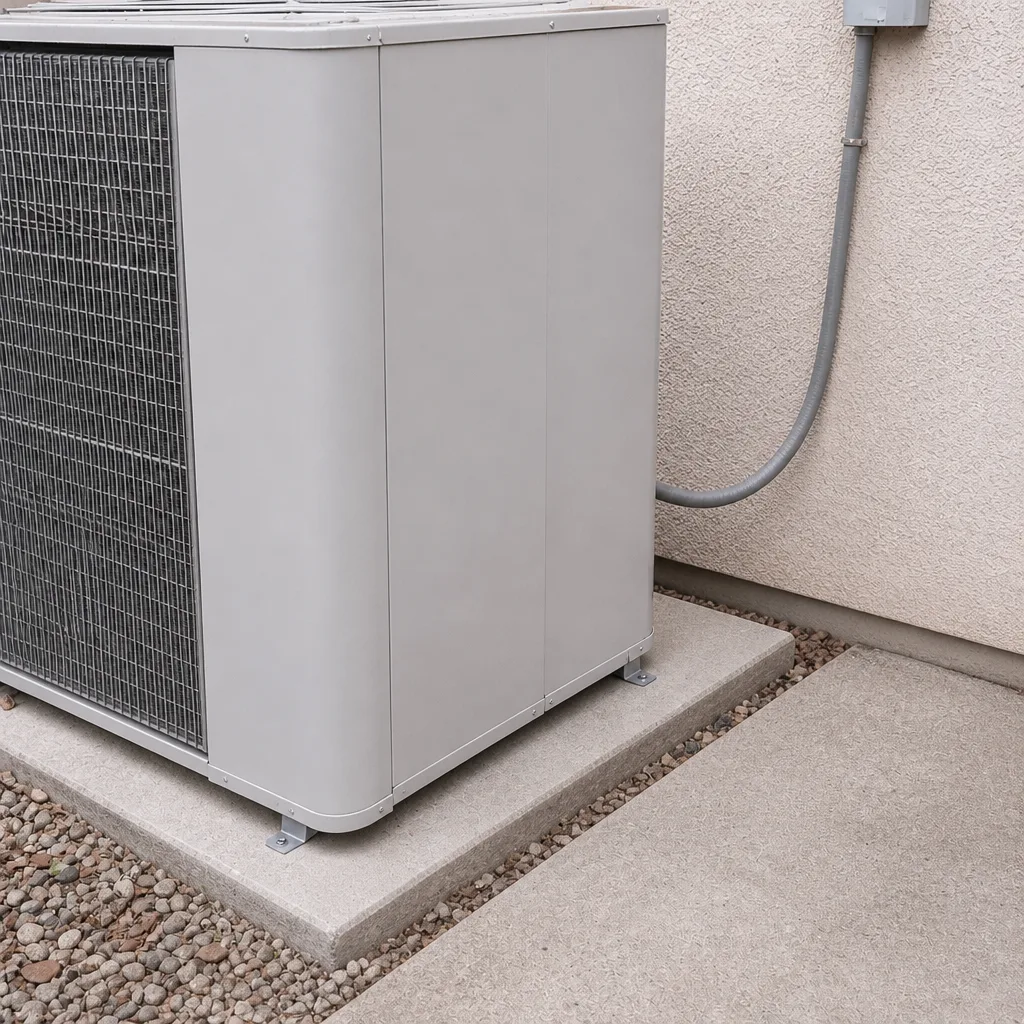
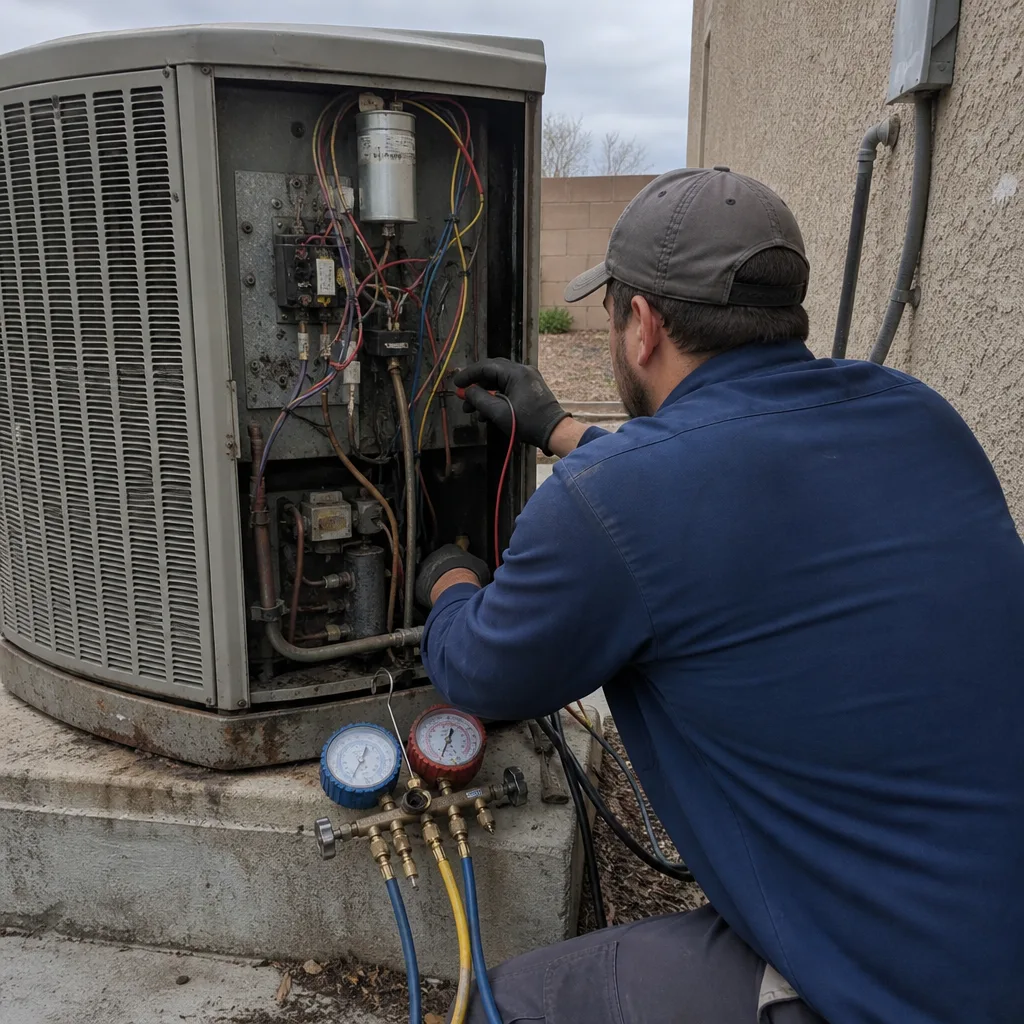
See the difference
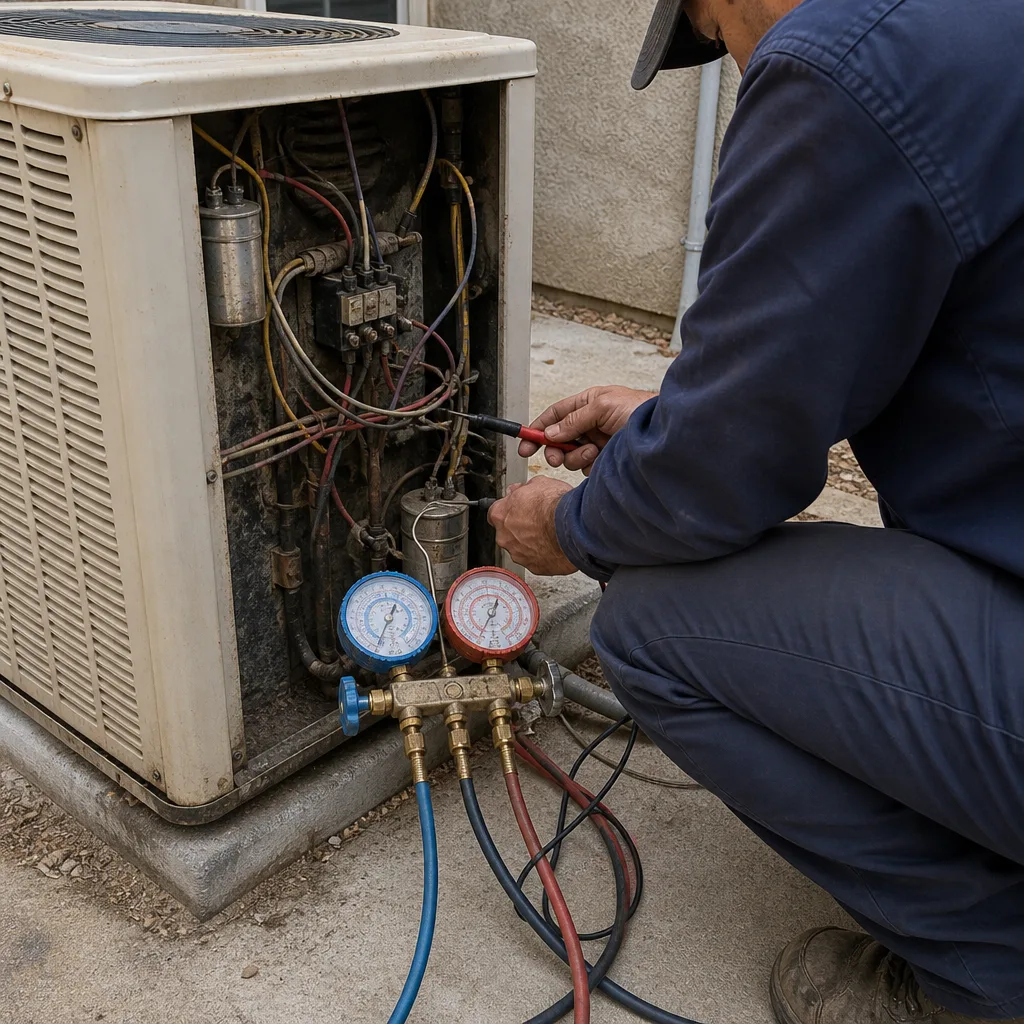 Before
 After
 Before
 After
 Before
 After
Common Mistakes to Avoid
- Buying on a national ranking alone. A top-ranked brand in a national survey may have thin dealer coverage in the Las Vegas metro. Check the local network first, because rankings don’t measure whether a tech can reach your house in July.
- Skipping the parts distributor check. Two authorized dealers in a metro this size means a warranty call can take two weeks in peak summer. Call the manufacturer and confirm where the nearest stocked distributor sits before you buy.
- Letting the registration window lapse. An unregistered unit can drop from 10-year to 5-year parts coverage. Confirm in writing that the contractor will register the equipment and send you the confirmation.
- Assuming the warranty covers labor. Manufacturer warranties cover parts. You still owe labor, refrigerant, and diagnostic fees. Ask what you’ll owe out of pocket on a typical repair.
- Ignoring the high-ambient rating. A unit rated below the temperatures Enterprise sees in July and August will work harder and wear faster. Ask for the published number on the exact model.
- Buying the biggest SEER2 number without running the math. The 18+ SEER2 premium doesn’t pay back for every home. Match the efficiency tier to your usage and how long you plan to stay.
- Not asking why a contractor recommends a brand. Co-op advertising incentives can quietly steer a recommendation. Ask directly whether the brand choice is driven by training and parts familiarity or by a marketing arrangement.
When to Call a Professional
Call for help when the system won’t cool during a heat wave, when you hear grinding or clicking from the outdoor unit, when your energy bills jump without a usage change, or when you’re weighing repair against replacement and need a written comparison. Those are the moments when guessing gets expensive. System replacement and new installs are load-calculated and scheduled, so we’ll give you a written fixed price and a set install date rather than a same-day promise on that work. A failed furnace in winter and a dead AC in summer are health questions, not just comfort questions, and those get priority. Brandt HVAC Enterprise offers free estimates in Enterprise – call (844) 797-9490. Live people answer the phones around the clock, and every technician is background-checked and introduced by name and photo before arrival under the Threshold Verified standard. If anyone shows up you weren’t told to expect, that visit is on us.
Frequently Asked Questions
The most reliable brand is the one with a compressor rated for high-ambient operation, a long compressor warranty, and a stocked parts distributor in the Las Vegas metro. Brand rankings matter less than that service network. Want help comparing models? Call (844) 797-9490 for a free estimate – we’ll walk you through the specs on paper.
Most owner-occupied homes here land well at 16 to 17 SEER2, which balances upfront cost and real-world savings without the premium-tier price. Homes with heavy summer usage or long ownership plans may benefit from 18+ SEER2 or a variable-speed system. Call (844) 797-9490 and we’ll run the numbers against your actual bills.
No. Manufacturer warranties cover parts, and you still owe labor, refrigerant, and diagnostic fees on a covered repair. Ask your contractor what you’ll owe out of pocket before the work starts, and get it in writing. Call (844) 797-9490 to review what your current system’s warranty does and doesn’t cover.
You can lose years of coverage. Unregistered limited warranties commonly default to 5 years on parts and compressor instead of the registered 10. Confirm your contractor will handle registration and send you the confirmation. Call (844) 797-9490 if you’re unsure whether your system was ever registered.
Repair usually wins if the unit is under about 10 years old and the fix costs a fraction of replacement. Replace when the compressor fails on an aging system or when summer bills keep climbing without a usage change. Call (844) 797-9490 for a free written comparison so you can decide on paper.
Often yes on repairs, and emergency summer failures get priority because a home without cooling in extreme heat is a health risk. New system installs are load-calculated and scheduled, not same-day. Call (844) 797-9490 and a live person will answer, day or night, with a written price before any work starts.
The Bottom Line
Brand selection in Enterprise is a service-access question first and a nameplate question second. Run the two-step verification: authorized warranty dealer and stocked parts distributor, both in the Las Vegas metro. Then check the compressor warranty and the high-ambient rating on the exact model, confirm the registration window, and read what the labor coverage actually pays. Match the SEER2 tier to your usage and your plans for the house. Ask your contractor why they recommend a brand, and expect a specific answer. Every repair and AC Repair in Enterprise visit from us ends with a written guarantee, and a failed Furnace Repair in Enterprise comes back free under the 365-Day Done Right Promise. Call (844) 797-9490 for a free estimate and we’ll help you sort the options.
Written by the team at Brandt HVAC Enterprise.