
Last updated November 17, 2026
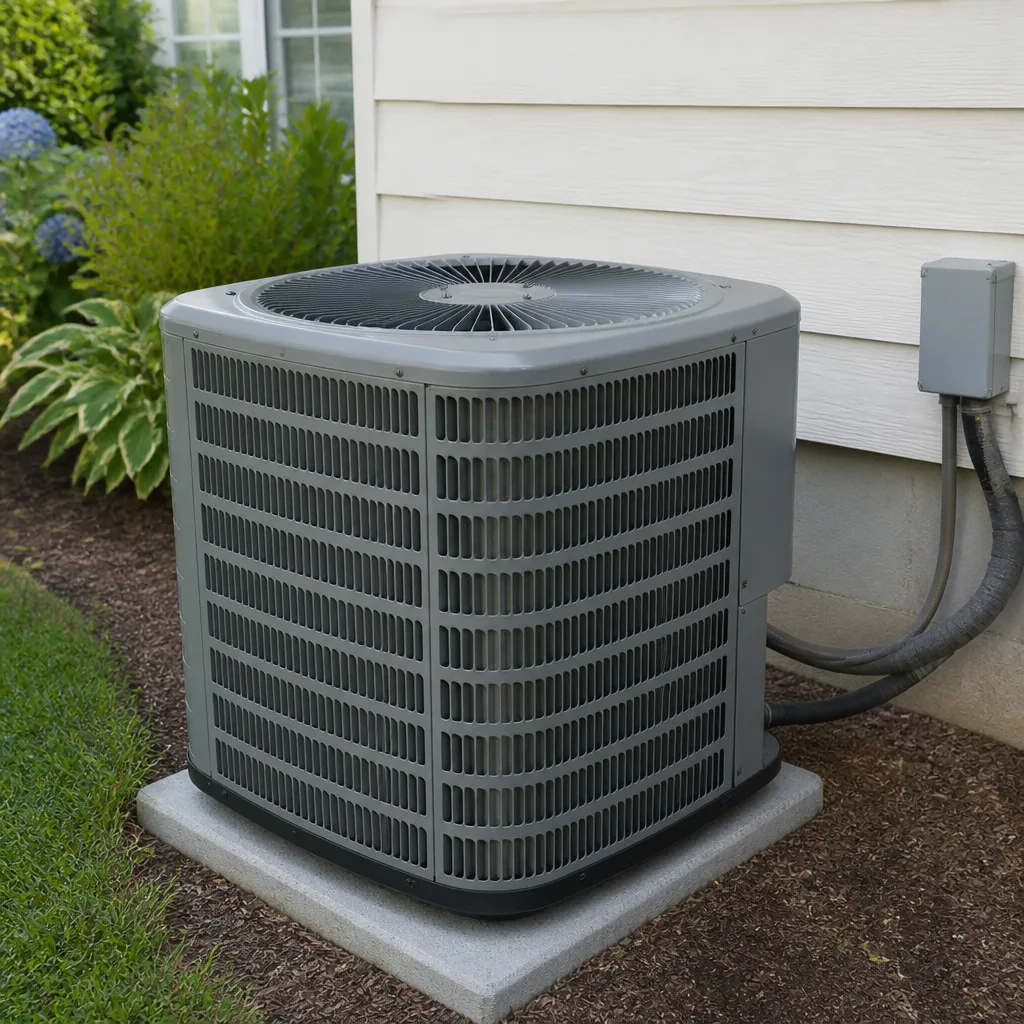 AC repair
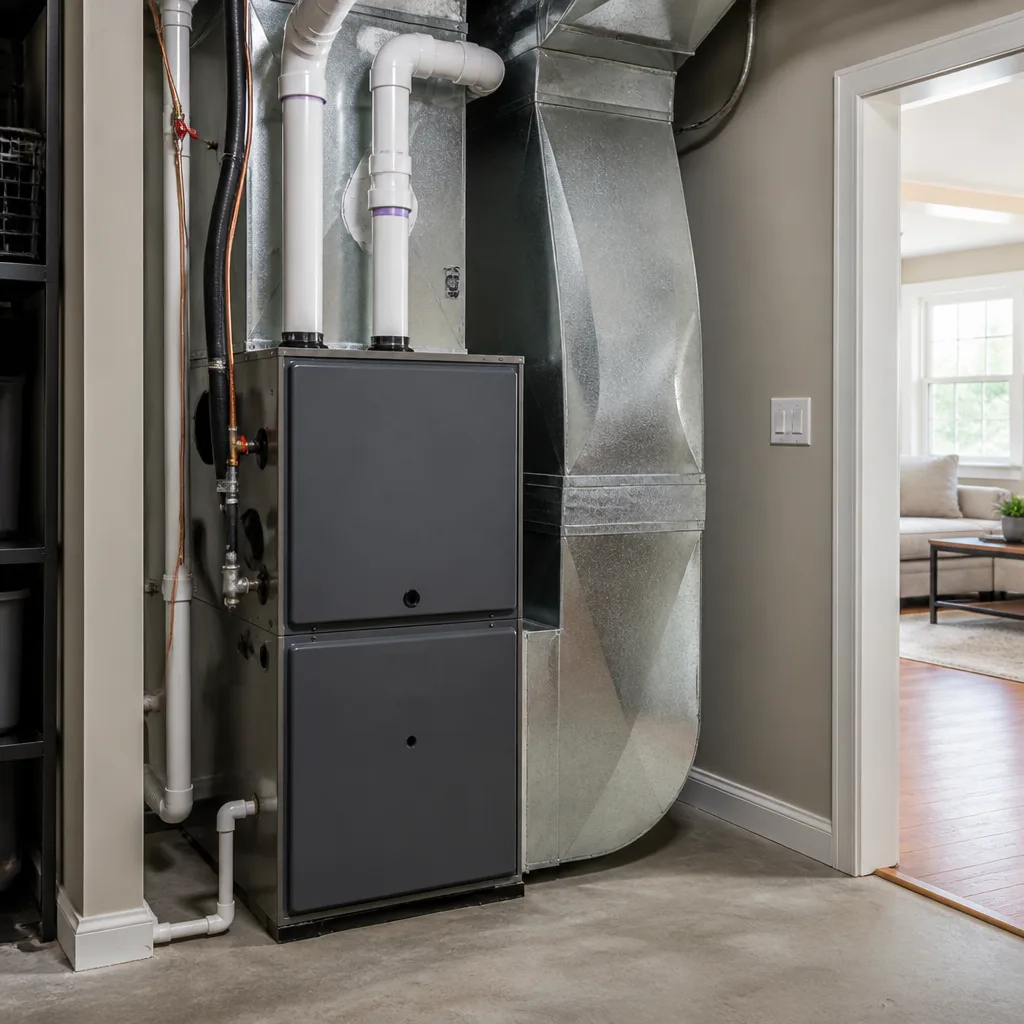 Furnace & heating
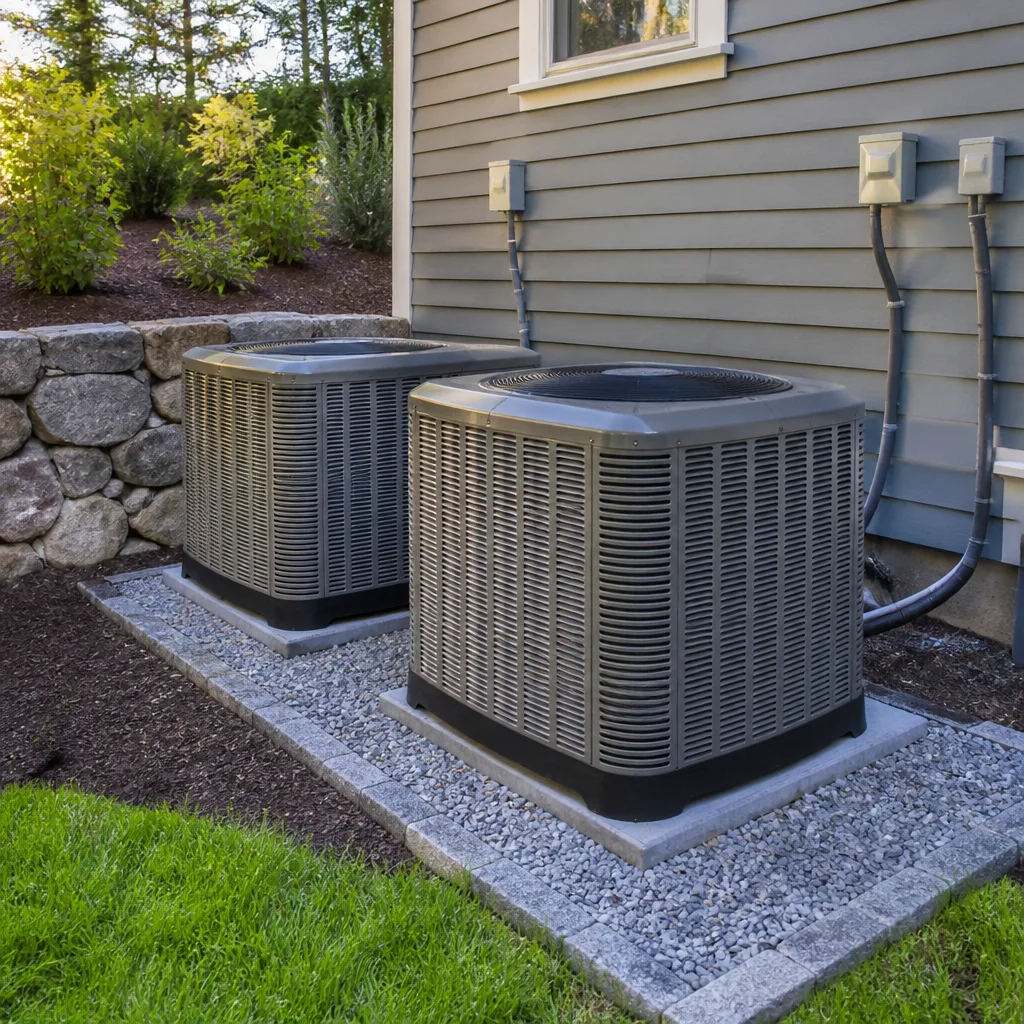 Heat pumps
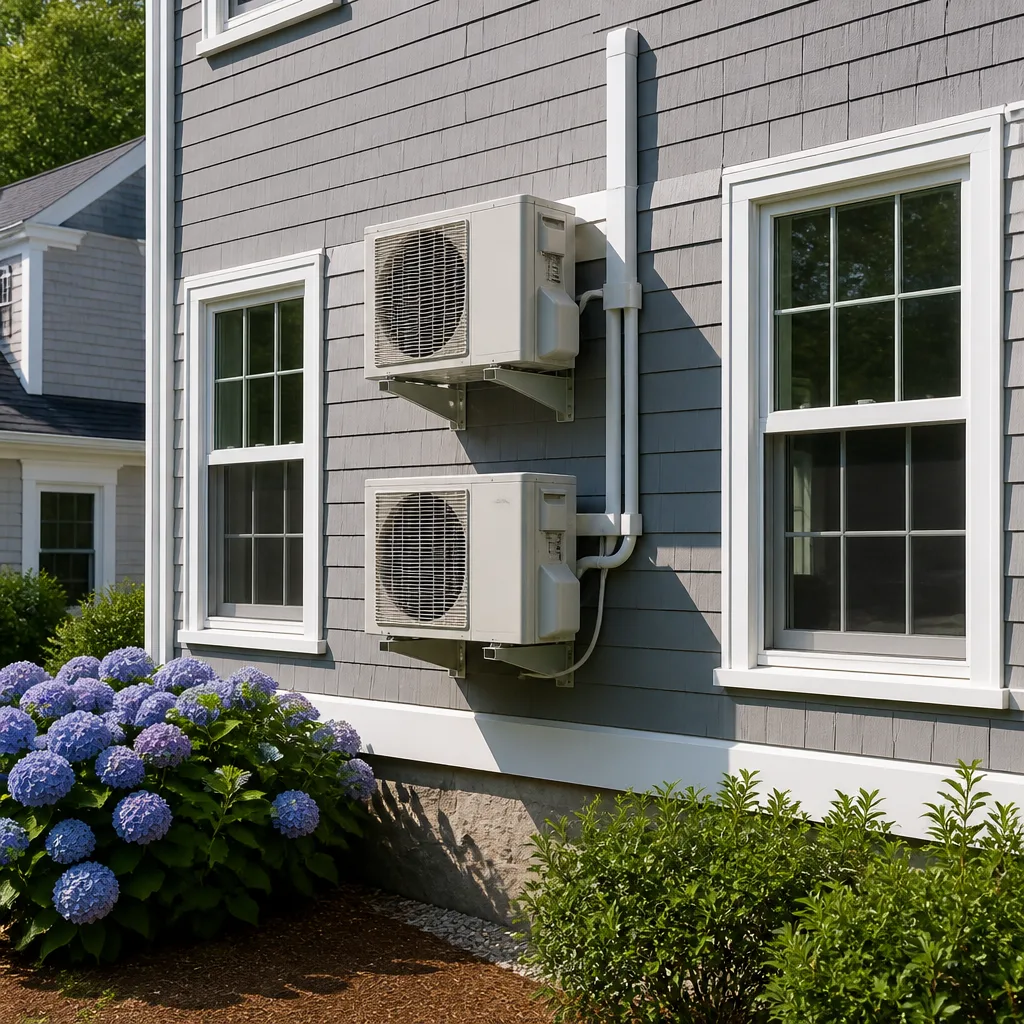 Ductless mini splits
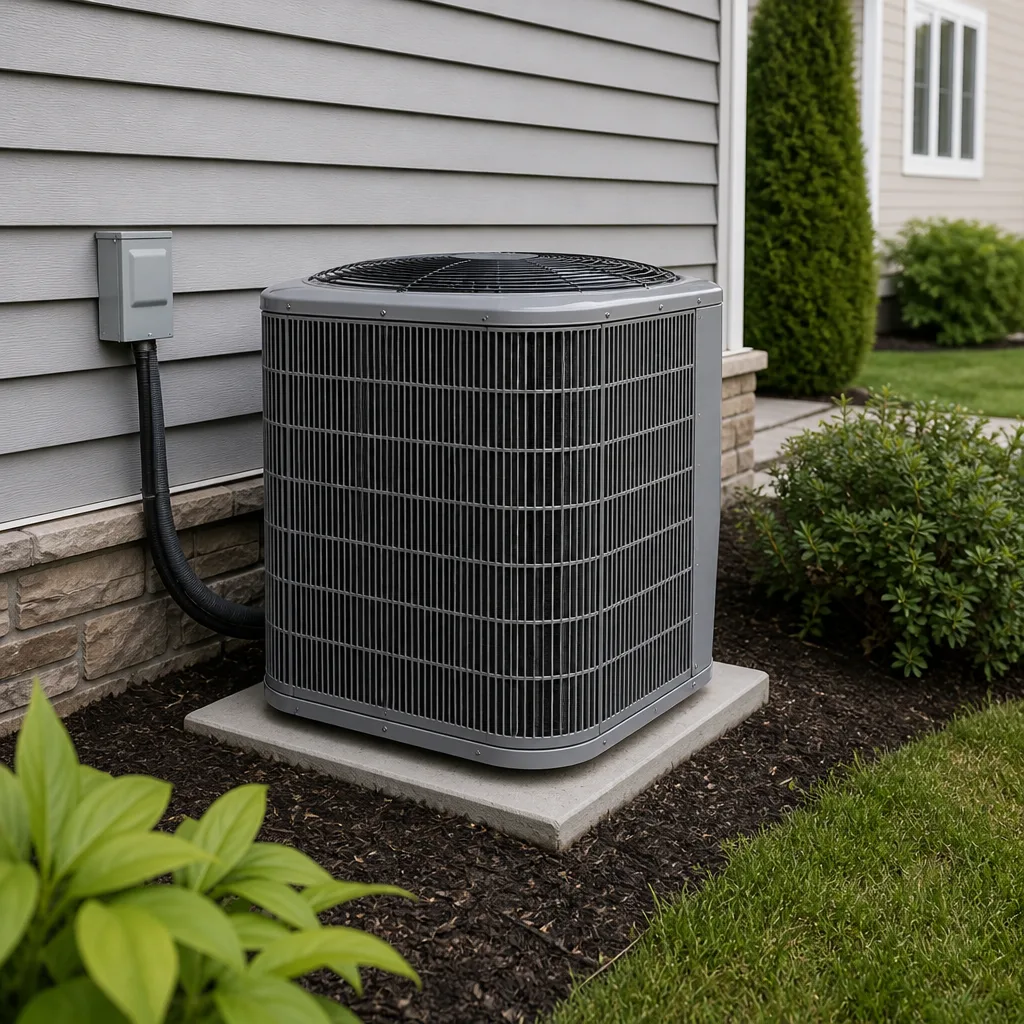 Carrier
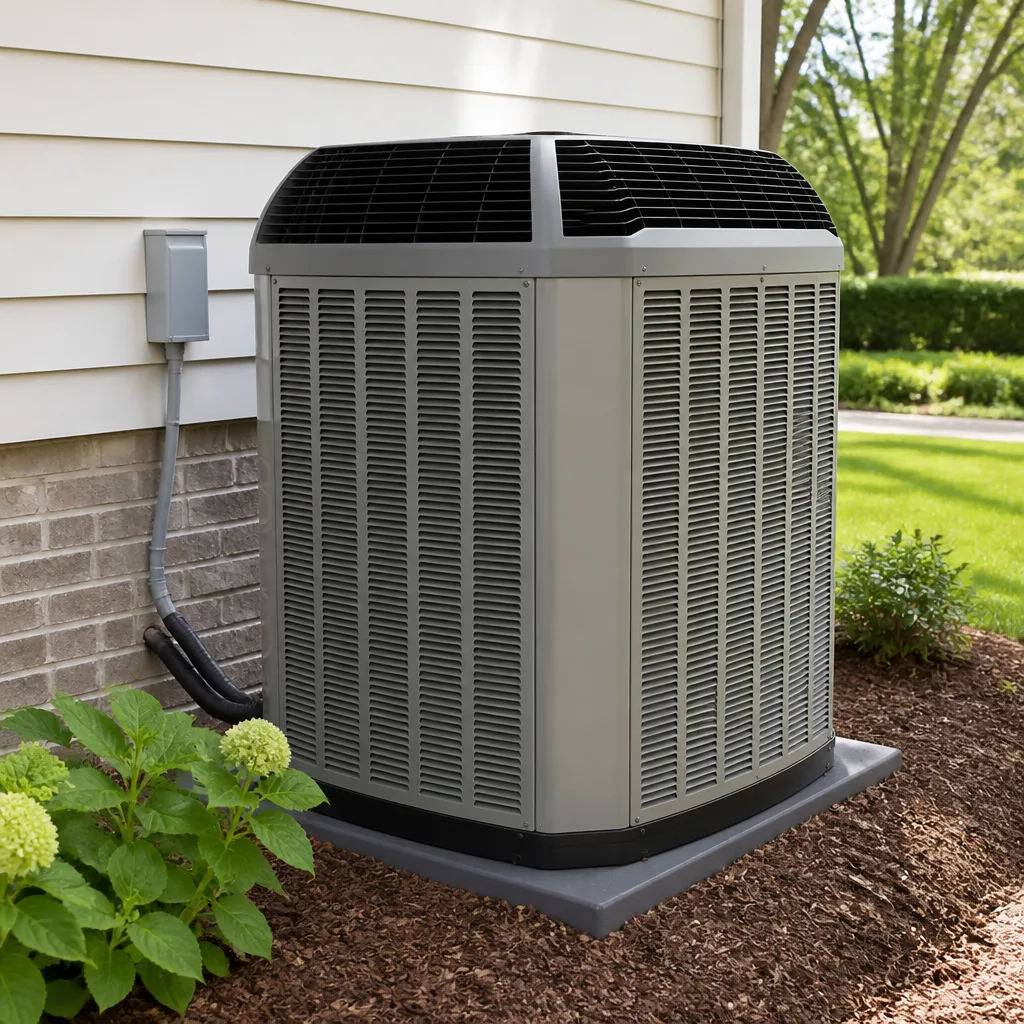 Trane
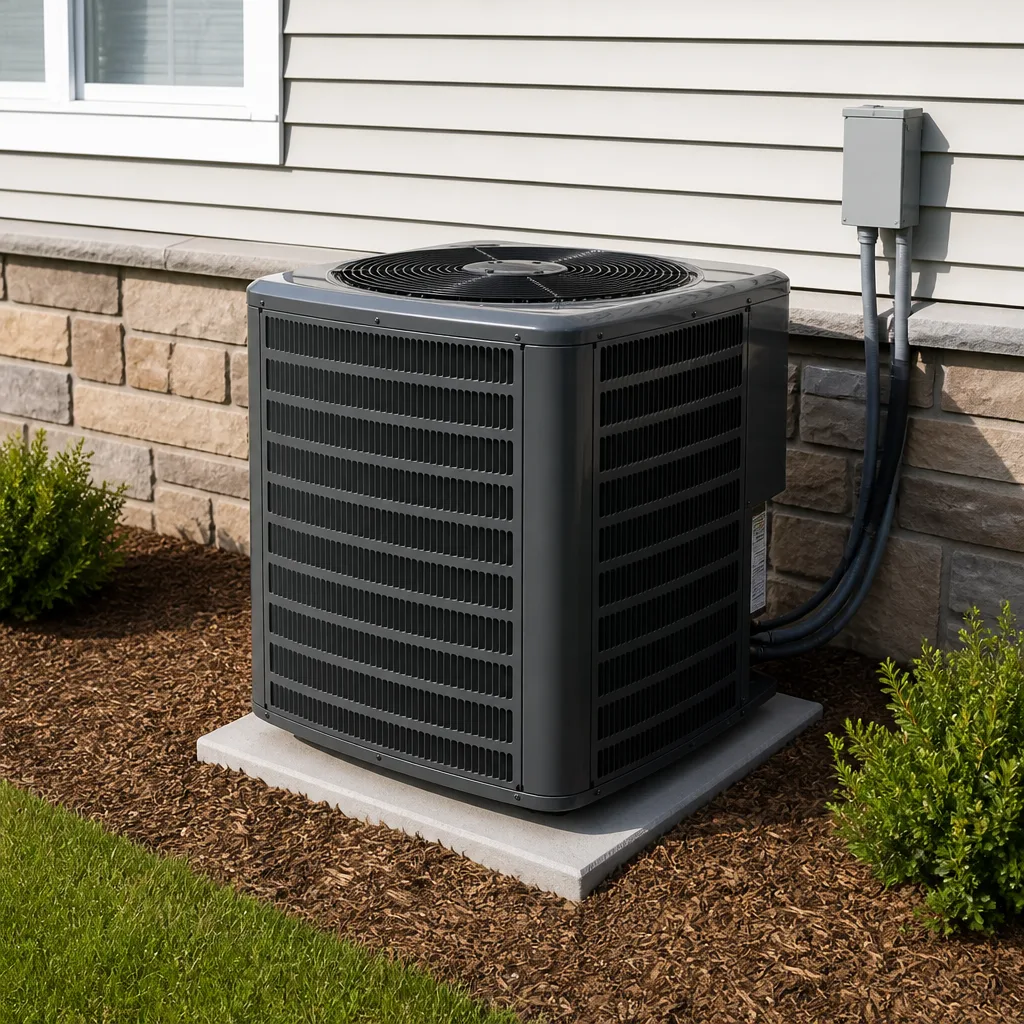 Goodman
Seasonal tune-up and full diagnostic on your Carrier, Trane, or Goodman system - readings shown to you before any repair is proposed
Diagnosis first, numbers second - you approve the repair price before a single part goes in.
Get your free estimateFurnace Repair Troubleshooting: Common Problems and How to Fix Them
A yellow or orange furnace flame is not a color variation. It’s a carbon monoxide warning, and it means you should shut the system off and open a few windows before you read another word of this guide. Most furnace troubleshooting advice treats every symptom as a mystery, but a gas furnace actually tells you what’s wrong – through its flame, its startup sounds, its blower behavior, and its blinking error code – if you know what you’re looking at. Below we walk through what a healthy furnace does in its first 90 seconds, how to decode the codes modern systems flash at you, and the three symptoms homeowners almost always blame on the thermostat when the thermostat is fine. Everything here is written from what we see on service calls in Enterprise, where desert temperature swings put furnaces through a very particular kind of wear.
Quick Answer
Most furnace failures come down to one of five things: a dirty flame sensor, a failed igniter, a blocked or dirty filter choking airflow, a faulty pressure switch, or a thermostat setting or wiring problem. You can safely rule out the thermostat, check and change the filter, and read the furnace’s error code yourself. Flame color, gas smell, or repeated lockouts are stop-and-call situations – turn the system off and get a technician out.
Styles & brands we work with
- AC repair
- Furnace & heating
- Heat pumps
- Ductless mini splits
- Carrier
- Trane
- Goodman
Table of Contents
- What a Healthy Startup Looks and Sounds Like
- How to Read Furnace Error Codes
- The Flame Color Diagnostic
- Three Symptoms That Aren’t the Thermostat
- What to Tell the Dispatcher When You Call
- Safety Limits: What You Should Never Touch
- What Common Furnace Repairs Cost
What a Healthy Startup Looks and Sounds Like
Before you can spot what’s wrong, you need to know what right looks like. When your thermostat calls for heat, a standard gas furnace runs through a sequence that should take 30 to 90 seconds. Watch and listen through one full cycle. Here’s the order:
- The draft inducer fan starts. You’ll hear a low whir – the blower that vents exhaust. No whir means no ignition.
- The pressure switch confirms venting. A small click, sometimes faint. This switch refuses to let gas flow if the exhaust path is blocked.
- The igniter glows or clicks. Hot-surface igniters glow orange for 15 to 30 seconds. Spark igniters click rapidly.
- The burners light with a soft “whump.” Blue flame, steady, within two seconds of ignition.
- The flame sensor proves the flame. A small rod in the flame path confirms fire is present.
- The main blower starts, 30 to 60 seconds later. Warm air reaches your registers.
Every deviation tells you something. Draft inducer runs but no ignition click points to the igniter or the pressure switch. Igniter glows, burners light, then die after a few seconds points to the flame sensor. Burners stay lit but the blower never starts points to the blower motor or a limit switch tripping. In Enterprise, we regularly see flame-sensor failures in the fall because a furnace that sat idle through the hot months collects a thin oxidation film on the sensor rod. It’s a 10-minute fix that gets misdiagnosed as a “bad board” more often than it should.
How to Read Furnace Error Codes
Modern furnaces from Carrier, Trane, Lennox, and most other major brands store a fault code when something trips, and that code usually points to a specific component. Find the viewing window on the lower access panel – most units have a small LED or a two-digit display. Some show a steady light with a code flashed as a pattern of blinks; others show numbers.
Check the sticker inside the blower compartment or the owner’s manual for that model’s code chart. What you’re looking for:
- Continuous short blinks with no pause: often “no call for heat” – a thermostat issue, not a furnace issue.
- One blink, pause, repeat: frequently a flame-sensor or ignition lockout. Try a filter change and a reset, but if it returns, call.
- Two or three blinks: on most brands, a pressure-switch or draft-inducer fault. Restricted venting is a stop-and-call condition.
- Rapid flashing or a persistent lockout code: turn the system off at the breaker and call. Do not keep resetting it – repeated lockouts waste gas and can damage the control board.
Write the code down before you call. We take it as one of the first pieces of information when you ring Brandt HVAC Enterprise, because it lets us send a technician with the right part on the first trip rather than the third. That saves you a day of waiting and a second diagnostic fee. If you’re not comfortable pulling the door panel to see the window, don’t – the code is printed for a reason, and the panel is where the live wiring lives.
The Flame Color Diagnostic
This is the most underused diagnostic in the whole house. A healthy gas flame is blue and steady, with maybe a tiny flicker of orange at the very tip. That’s normal combustion. What is not normal:
- Yellow flame throughout. Incomplete combustion. That’s carbon monoxide, plain and simple, and it means a dirty burner, a misadjusted air-fuel mixture, or a blocked flue.
- Orange flame. Often dust in the air stream or a burner issue – sometimes benign, sometimes the first sign of a cracked heat exchanger. Either way, it needs a look.
- Flickering or lifting flame. Pressure problems or a heat exchanger crack pulling air where it shouldn’t.
- No flame at all but you smell gas. Stop. Leave the house and call from outside.
If you see a yellow or orange flame, shut the furnace off at the thermostat or the breaker, open windows, and get out of the house if you feel lightheaded or smell gas. Then call. In our experience, the dry desert air and heavy dust of Enterprise can accelerate burner and pilot fouling, especially in homes near the open desert edge. A furnace that burns clean in March can be yellow by November. The Brandt name comes from an old word for a firebrand – a fitting name for the work of keeping a home warm, and a fitting reminder that fire belongs inside the combustion chamber, not in your living room air.
Three Symptoms That Aren’t the Thermostat
Homeowners call us about “thermostat problems” all the time. In most of those calls, the thermostat is doing exactly what it was told. Here’s how to rule it out in under two minutes, and the three symptoms that get blamed on it most often.
The two-minute thermostat rule: set the thermostat to “Heat,” crank it five degrees above current room temperature, and confirm the display shows a heat call. Then go to the furnace and listen for the draft inducer. If it starts, the thermostat is working and the problem is downstream. If nothing happens at the furnace, the thermostat or its wiring is the suspect.
- “Short cycling” – heat turns on and off every few minutes. That’s usually a dirty filter starving the airflow, a limit switch tripping on overheating, or a flame sensor dropping out. Ruling the thermostat out is step one, then look at airflow.
- “Blows cold air on heat mode.” The thermostat is calling for heat; the blower is running; the burners are not lighting. That’s an igniter, flame sensor, or gas-supply issue – not a thermostat.
- “Won’t turn on at all.” Check the breaker first, then the furnace door switch. If both are fine and the thermostat shows a call, the control board or transformer is the likely culprit.
One more thing: programmable and smart thermostats with a schedule can make a healthy furnace look broken. Check the schedule before you call. We’ve made a lot of service visits where the “repair” was turning off an “Away” setting.
What to Tell the Dispatcher When You Call
The five minutes you spend on the phone can shave an hour off the repair. When you call a live person two things happen that a voicemail can’t do – they confirm the appointment, and they collect the diagnostic information a technician needs. Here’s what to have ready:
- The furnace make and model. On the sticker inside the access door or on the side panel. Example: “Carrier 59SC5” or “Trane XR80.”
- The error code you saw, verbatim. Or “no code, steady light.”
- The symptom in plain language. “Burners light, then die after five seconds” is worth ten generic “it’s not working” calls.
- What you’ve already done. Filter changed, thermostat ruled out, breaker reset – tell them what you’ve tried.
- Anyone in the home who needs heat urgently. Infants, older adults, medical equipment. This affects scheduling priority.
- How you’ll verify the technician’s arrival. At Brandt HVAC Enterprise we text you the technician’s name and photo before the visit, and the technician shows a photo ID badge at the door. Threshold Verified is our standard – if anyone arrives who you were not told to expect, that visit is on us and we make it right.
We service American Standard, Carrier, Trane, and most other major residential HVAC brands, so the model number tells us which parts kit to load and which known issues to expect on that platform.
Safety Limits: What You Should Never Touch
Some of this troubleshooting is genuinely safe for a homeowner: checking the thermostat, changing a filter, reading an error code, listening to the startup sequence. Everything else is a professional’s job, and we say that not to protect our business but to protect you.
- Never open the burner compartment if you smell gas. Leave the house first. Call from outside.
- Never bypass or jumper a pressure switch or limit switch. Those switches exist because gas and fire are involved. Bypassing them can cause a fire or a CO event.
- Never scrub a flame sensor with anything abrasive. Fine steel wool only, and only if you’re comfortable getting to it. Hundreds of sensors are destroyed every year by sandpaper.
- Never keep resetting a unit that keeps locking out. The furnace is telling you something failed. Repeated resets can damage the control board.
- Never clean a heat exchanger yourself. It’s the part between the fire and your air, and a crack in it is a carbon monoxide path into your home.
Carbon monoxide is odorless and colorless, and the yellow-flame scenario at the top of this guide is the most common way it gets into a home. If your CO detector has ever gone off, treat it as a stop-and-call event, not a reset-and-forget. When it comes to the parts of a furnace that touch fire or gas, the smart homeowner’s troubleshooting stops at the door of the burner compartment.
What Common Furnace Repairs Cost
Price ranges are how you walk into a service call informed rather than surprised. Here are the ranges we see most often for the repairs described above. Your actual cost depends on the model, parts availability, and whether the technician finds a second issue once the unit is open.
- Flame sensor cleaning or replacement: $150 – $300, parts and labor.
- Hot-surface igniter replacement: $150 – $300, parts and labor.
- Pressure switch replacement: $200 – $400.
- Inducer motor replacement: $400 – $700.
- Control board replacement: $400 – $800.
- Blower motor replacement: $500 – $900.
- Diagnostic visit (often waived if you proceed with the repair): call for current pricing.
One of the standard items at Brandt HVAC Enterprise is that no work starts until you’ve seen and agreed to the price in writing – always, on every job, with no exceptions. Every repair carries a written guarantee: 365 days, and if the repair fails within that period, we return at no charge under the 365-Day Done Right Promise. Compare that to the thermostat rule and the flame color diagnostic: those two are things you can do yourself for free before you ever pick up the phone. Most of what’s on this page is.
Common Mistakes to Avoid
- Ignoring a yellow flame for “just a few more days.” Every winter we visit homes where the flame has been yellow since October. By December the family is sleeping in a house with a CO source. Turn it off when you see it.
- Replacing the thermostat first. A thermostat is the most commonly replaced part that wasn’t the problem. Rule it out with the two-minute test before you buy a new one.
- Skipping the filter. A clogged filter is the single most common cause of short cycling and overheating limit trips. In dusty Enterprise, we recommend checking it every 30 days through the heating season, not every 90.
- Buying parts online based on a guess. The igniter, sensor, and pressure switch all look alike and fail with similar symptoms. Reading the error code first is the difference between a $40 part and a $200 shelf of wrong parts.
- Letting a lockout cycle repeat all night. A unit that locks out and resets repeatedly is distributing heat into a fault condition. Shut it down and call.
- Assuming “no heat” means furnace. In some Enterprise homes, a tripped breaker at the panel or a failed blower capacitor is the whole story. Rule out the thermostat and the breaker before you panic.
- Hiring based on price only. A cheap fix that fails in three weeks isn’t cheap. Ask exactly what the guarantee covers and how long it lasts, in writing, before any work begins.
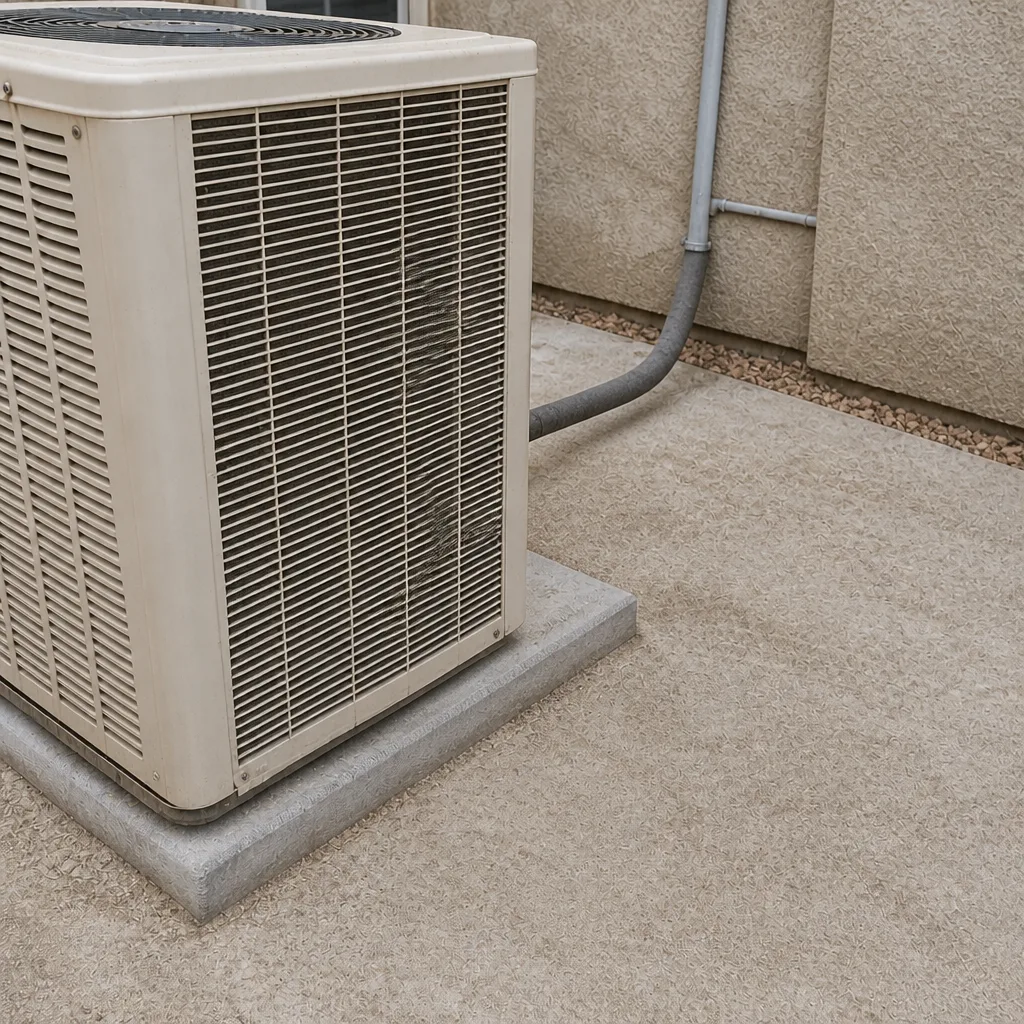
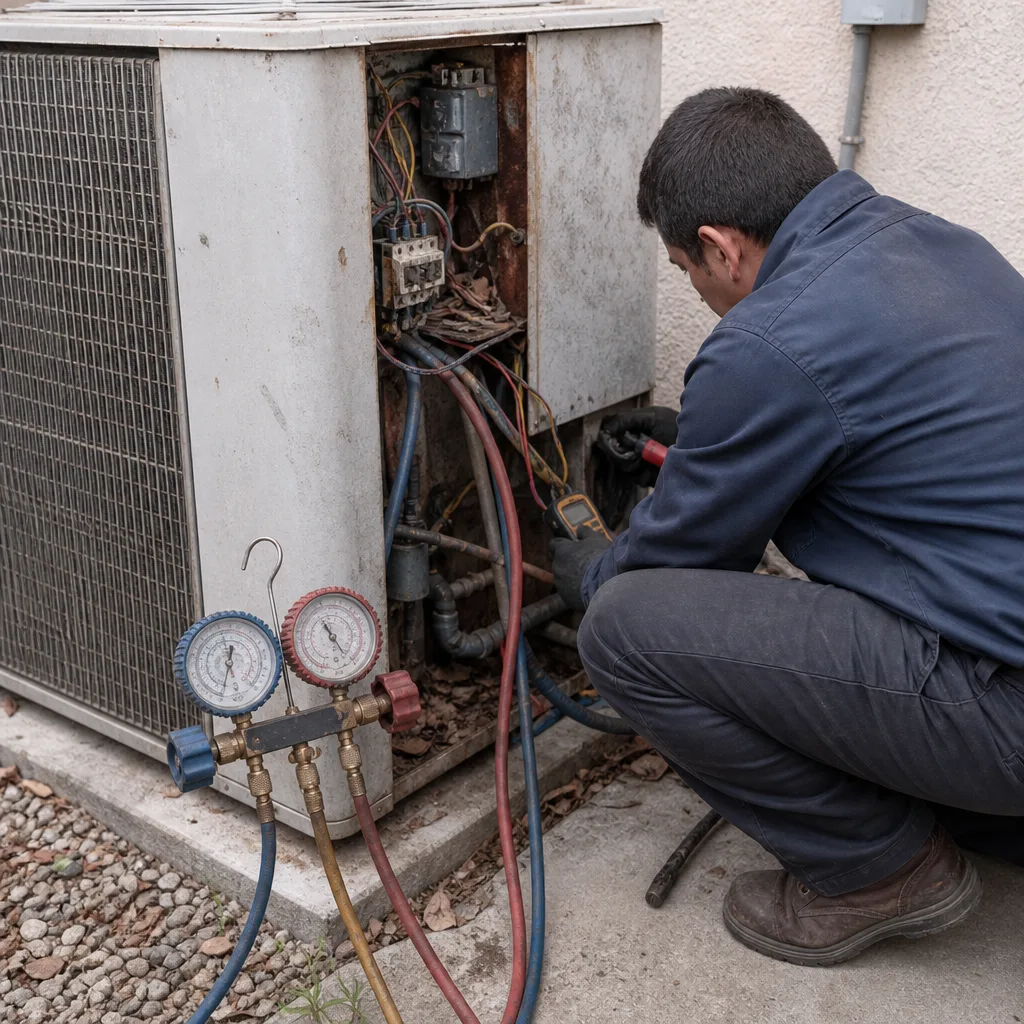
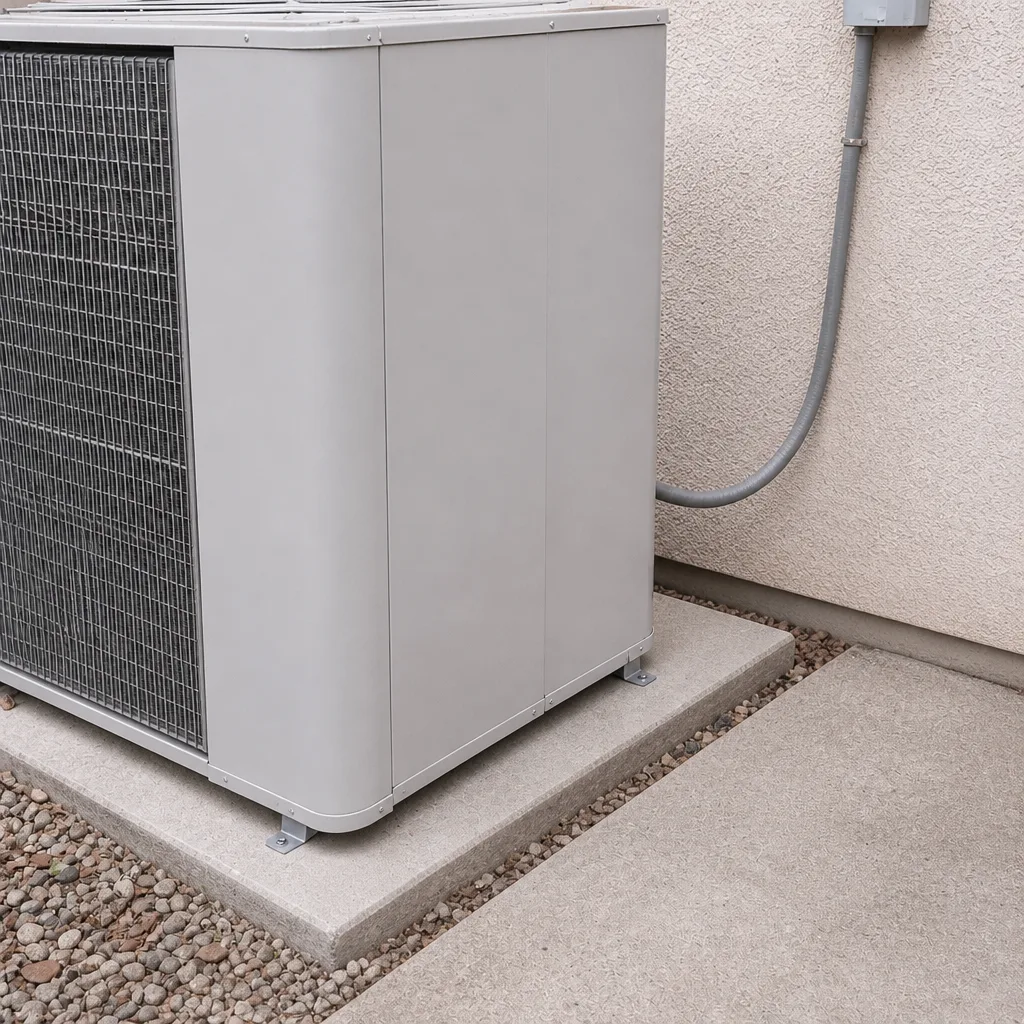
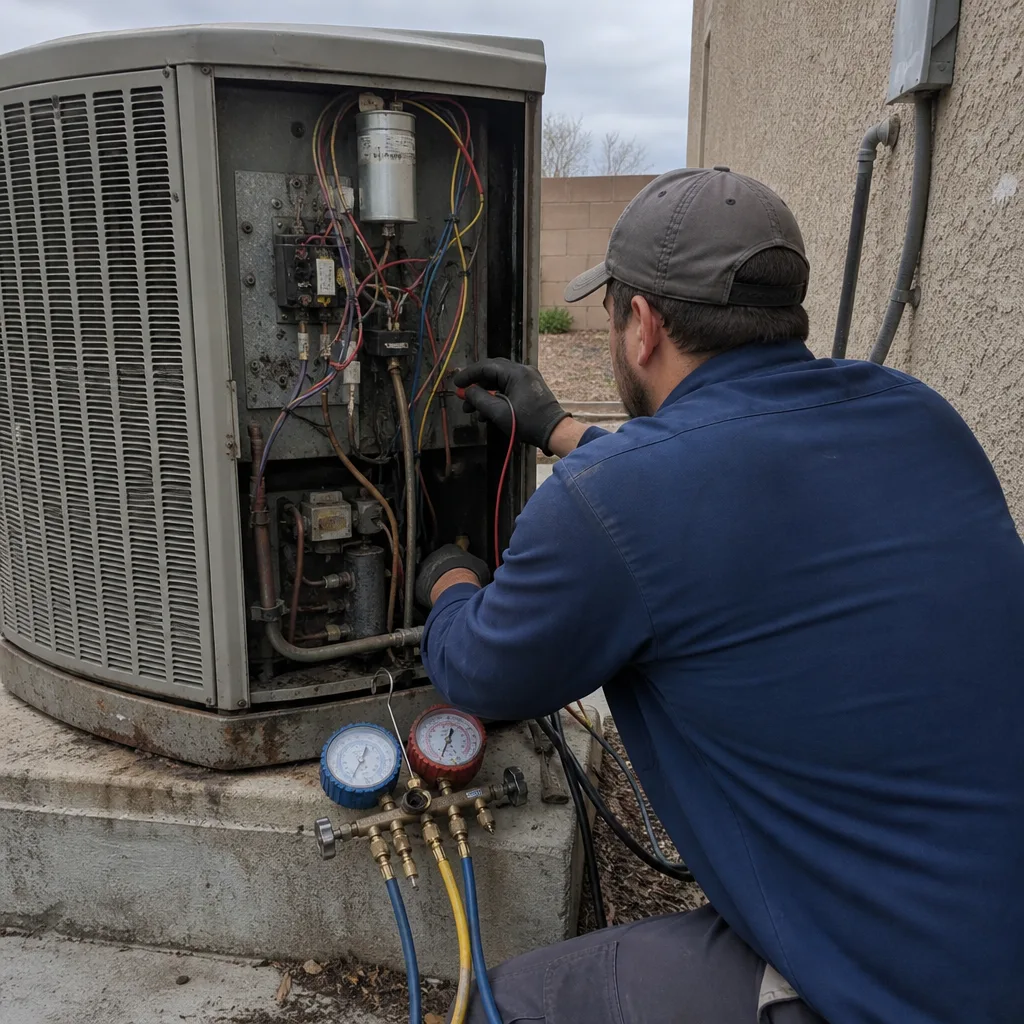
See the difference
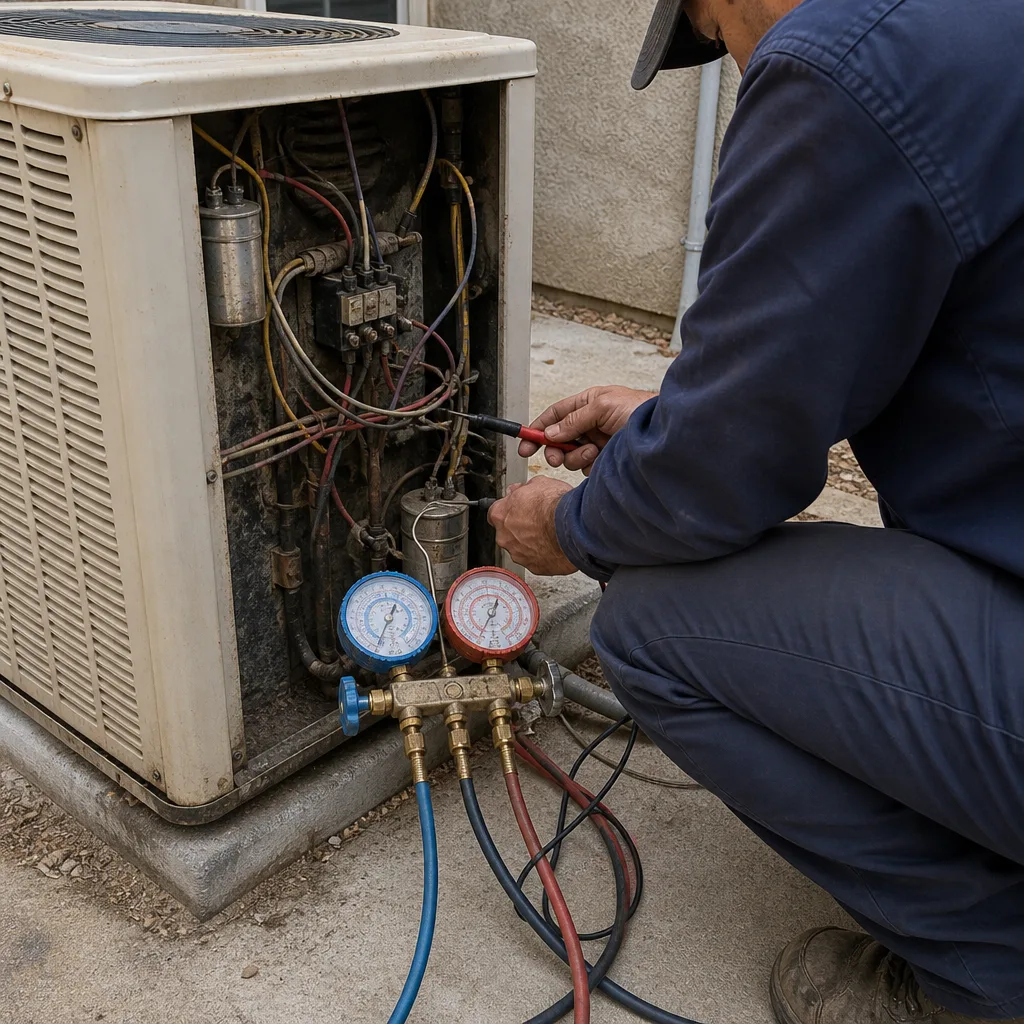 Before
 After
 Before
 After
 Before
 After
When to Call a Professional
Call a professional the moment you see yellow or orange flame, smell gas, hear a repeated lockout, notice a cracked or dusty-looking heat exchanger, or when two rounds of the safe steps above haven’t fixed the heat. You should also call if anyone in the home is at elevated risk from cold – infants, older adults, or someone on home medical equipment – and the heat isn’t working by evening. The thermostat rule, filter check, and error-code reading you can do yourself; igniters, sensors, boards, blowers, and anything inside the burner compartment are a technician’s job. When you call us, a live person answers the phone 24 hours a day, seven days a week – nights, weekends, and holidays – and a Brandt technician is introduced by name and photo before arrival. Brandt HVAC Enterprise offers free estimates in Enterprise – call (844) 797-9490. For a fuller look at the repair service itself, see our furnace repair in Enterprise page, and for seasonal upkeep on the cooling side, our AC maintenance in Enterprise guide.
Frequently Asked Questions
The most common cause is a flame sensor that needs cleaning or an igniter that has failed. The burners attempt to light, don’t, or light and die within seconds, and the blower runs without warming the air. Read the furnace’s error code and check the filter first; if the code points to the igniter or sensor, that’s a repair, not a reset.
Yes. A steady yellow or orange flame means incomplete combustion, which produces carbon monoxide. Shut the furnace off at the thermostat or breaker, open windows, and call a technician before you run the system again. A healthy flame is blue and steady.
Look for a small LED window on the lower access panel of most modern furnaces. The light flashes a pattern of blinks, or a two-digit display shows a number. The code chart is usually on a sticker inside the blower compartment or in the owner’s manual for that model. Write the code down exactly as you see it before you call.
Same-day availability depends on the day, but we schedule furnace calls with priority and we answer live every hour of every day. If your heat fails in cold weather or someone in the home is at risk, tell the dispatcher – it changes how quickly a technician is routed.
Yes. Every repair at Brandt HVAC Enterprise includes a written guarantee – 365 days – and if the repaired fault returns within that period, we return at no charge under the 365-Day Done Right Promise. The written price is provided before any work starts, so you know exactly what you’re paying and what the guarantee covers.
We service all major residential HVAC brands, including Carrier, Trane, Lennox, Goodman, Rheem, York, Daikin, Bryant, and American Standard. Have your model number ready when you call – it helps us bring the right parts on the first visit. Call (844) 797-9490 and we’ll confirm the estimate is free.
The Bottom Line
A broken furnace is rarely a mystery once you know what to watch for. The startup sequence tells you which component stopped working. The error code confirms it. The flame color tells you whether the situation is urgent or can wait for a scheduled visit. And a two-minute thermostat test can rule out the part homeowners replace most often when it wasn’t the problem to begin with. Do the safe steps yourself – check the filter, read the code, watch the flame, rule out the thermostat. Call a professional the moment fire, gas, or a lockout code is involved. That’s the whole troubleshooting guide, and it works whether you’re in Enterprise or anywhere else the desert cools off fast at night. For AC and maintenance support, visit the AC repair in Enterprise page or start from the Brandt HVAC Enterprise home page.
Contact
If your furnace is telling you something and you’d rather talk to a person than a phone tree, call us at (844) 797-9490 for a free estimate. A live person answers 24 hours a day, seven days a week. You’ll know the technician’s name and see their photo before they arrive, and they’ll show a photo ID badge at the door – Threshold Verified, every visit. The written price comes before any work starts, and every repair carries a full written guarantee. Let’s get your heat back on and done right.
Written by the team at Brandt HVAC Enterprise.