
Last updated November 17, 2026
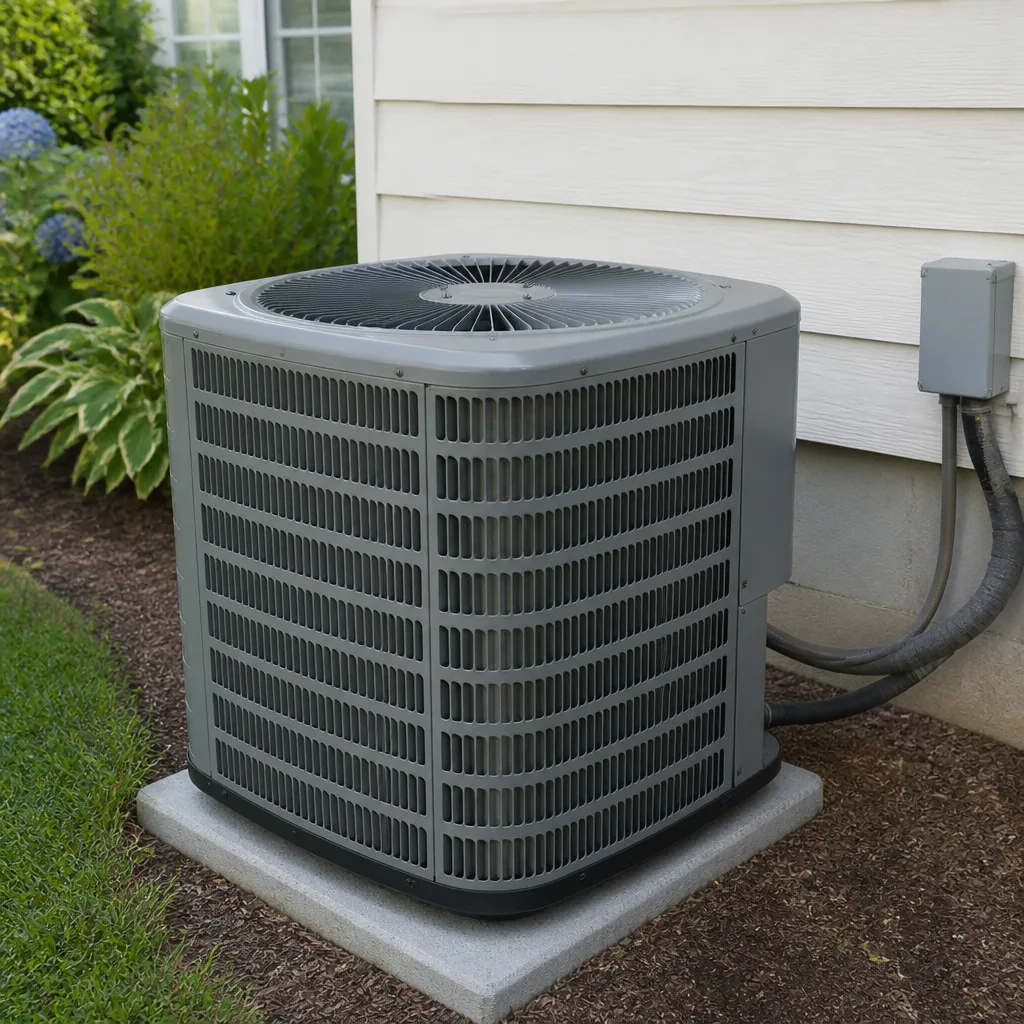 AC repair
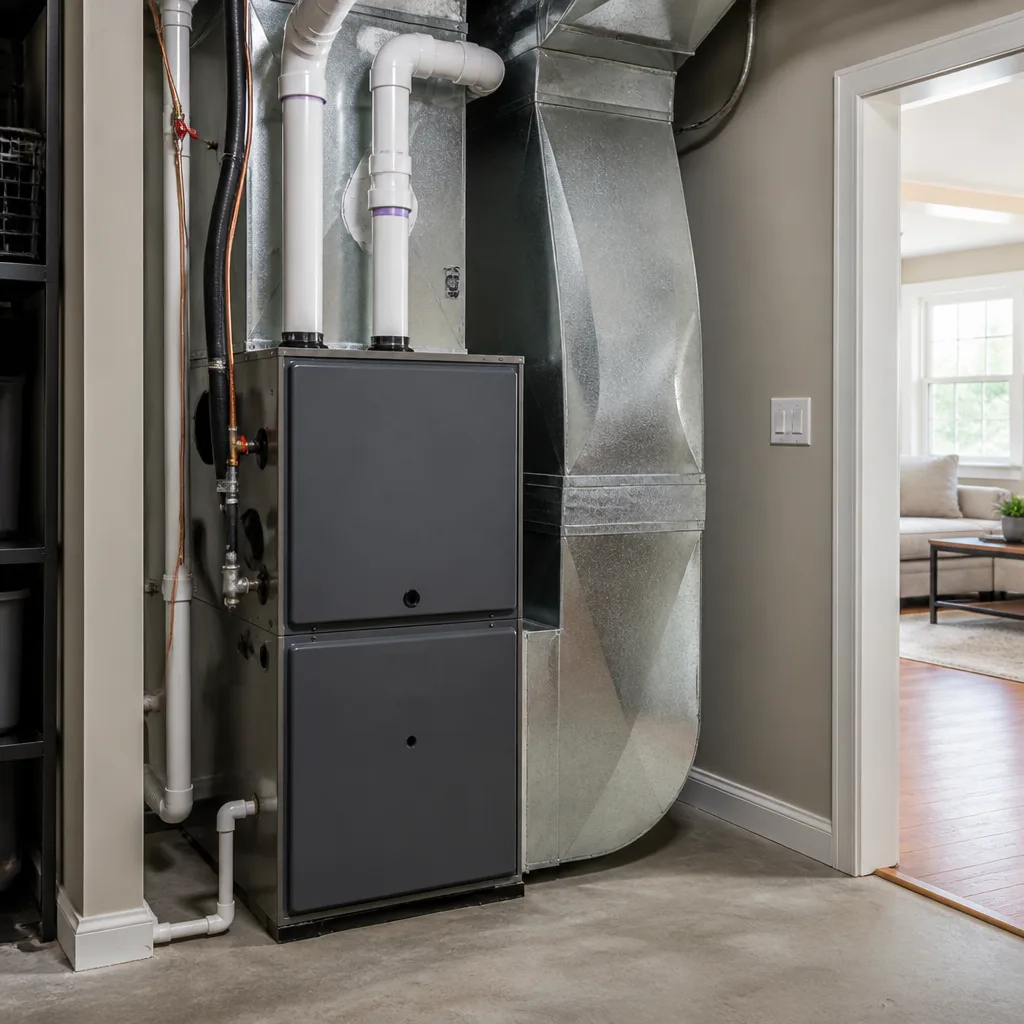 Furnace & heating
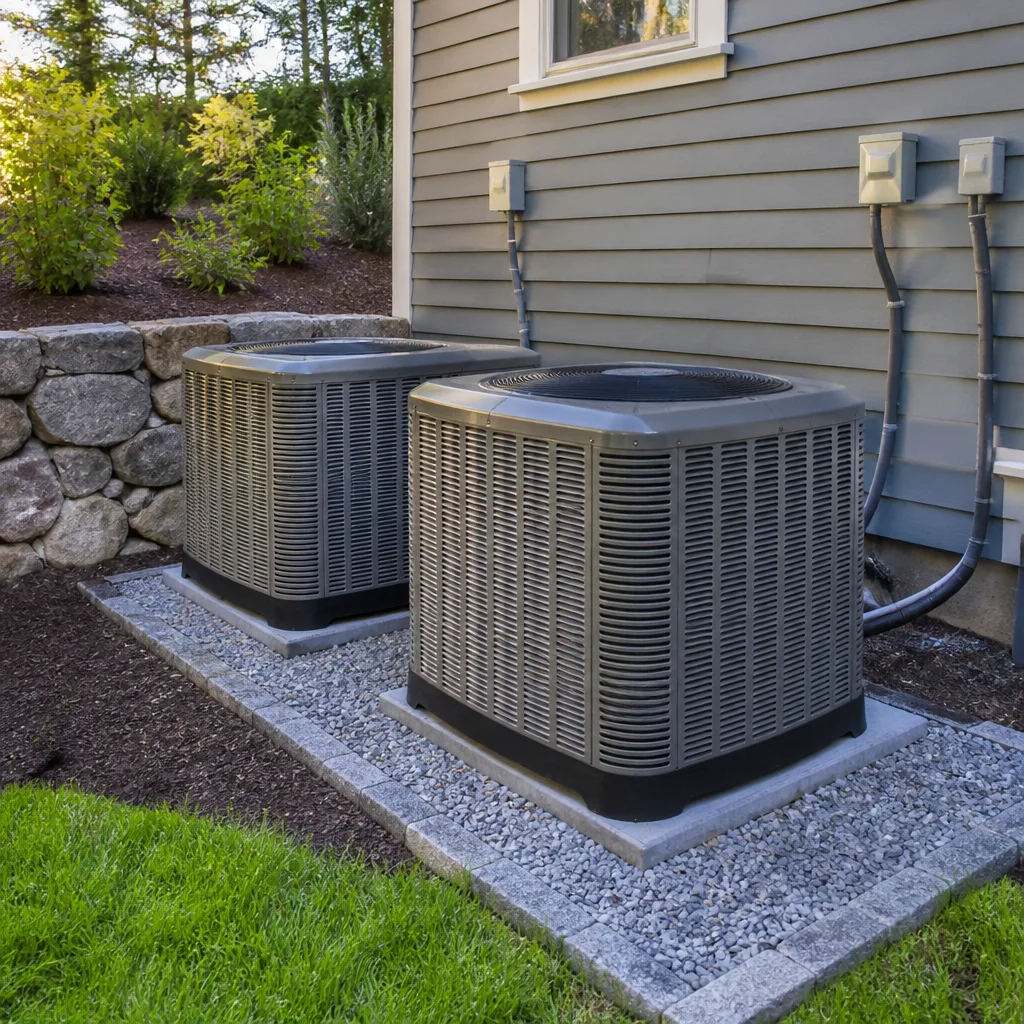 Heat pumps
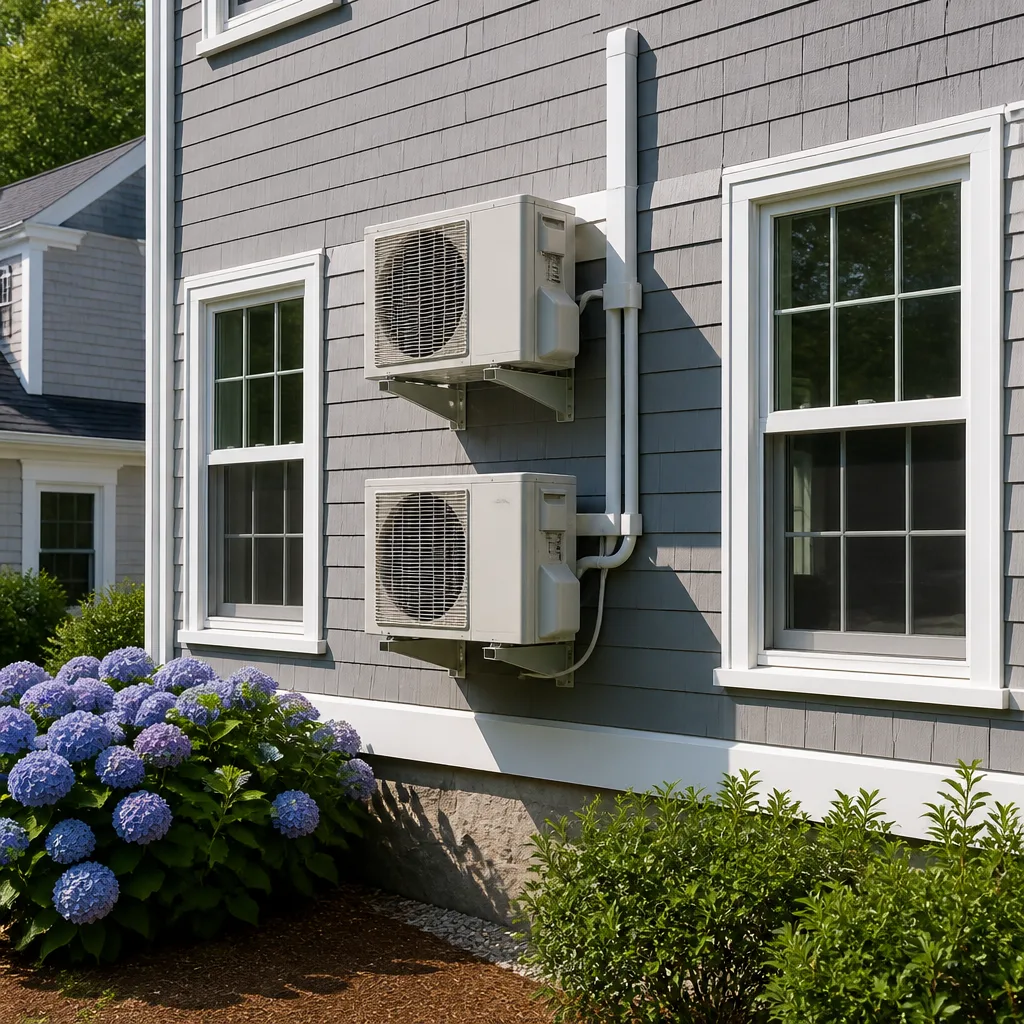 Ductless mini splits
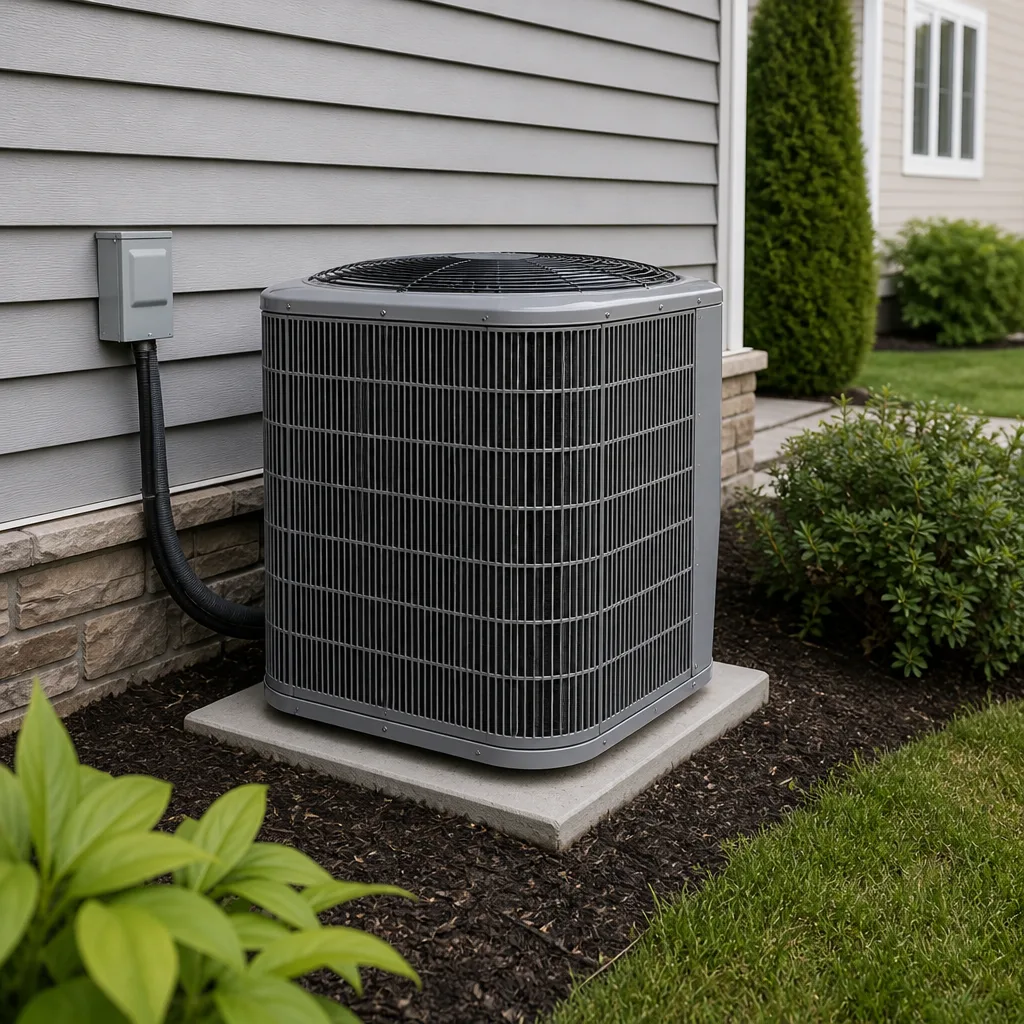 Carrier
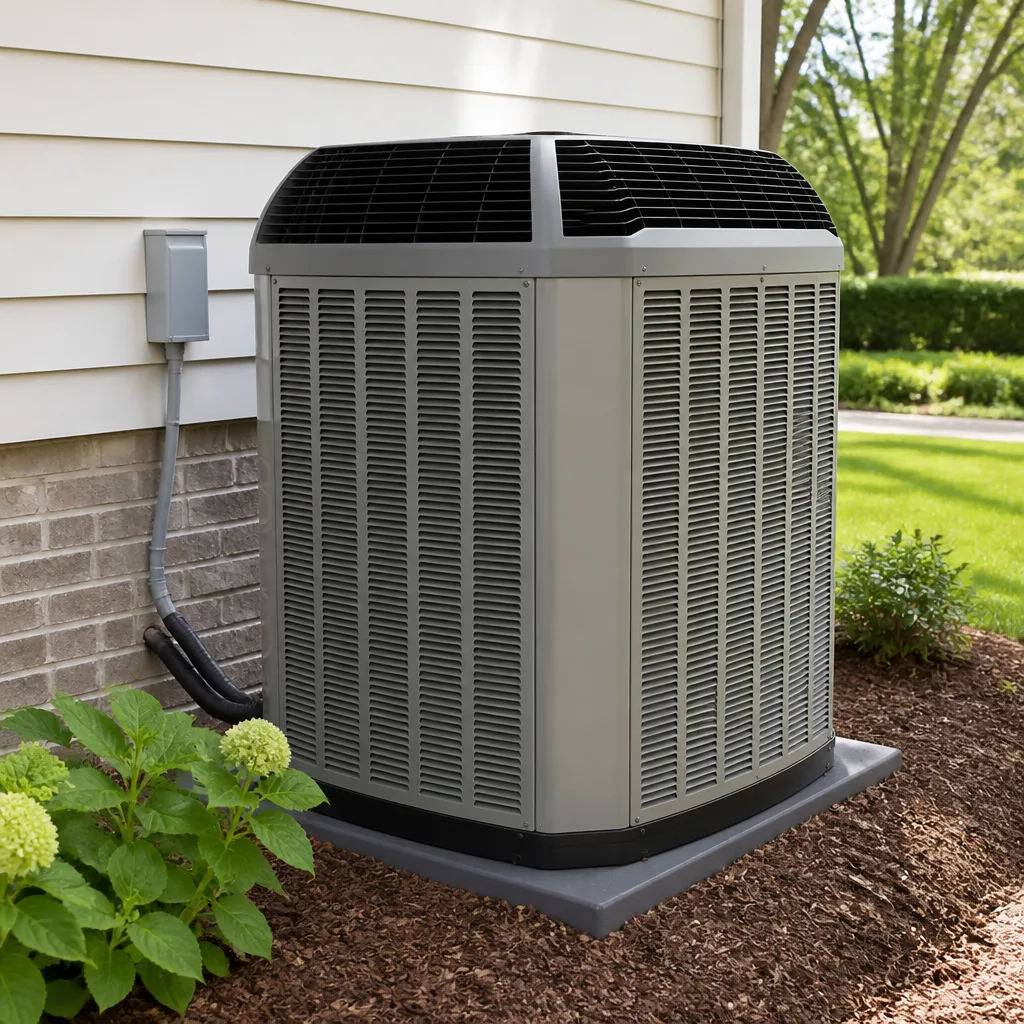 Trane
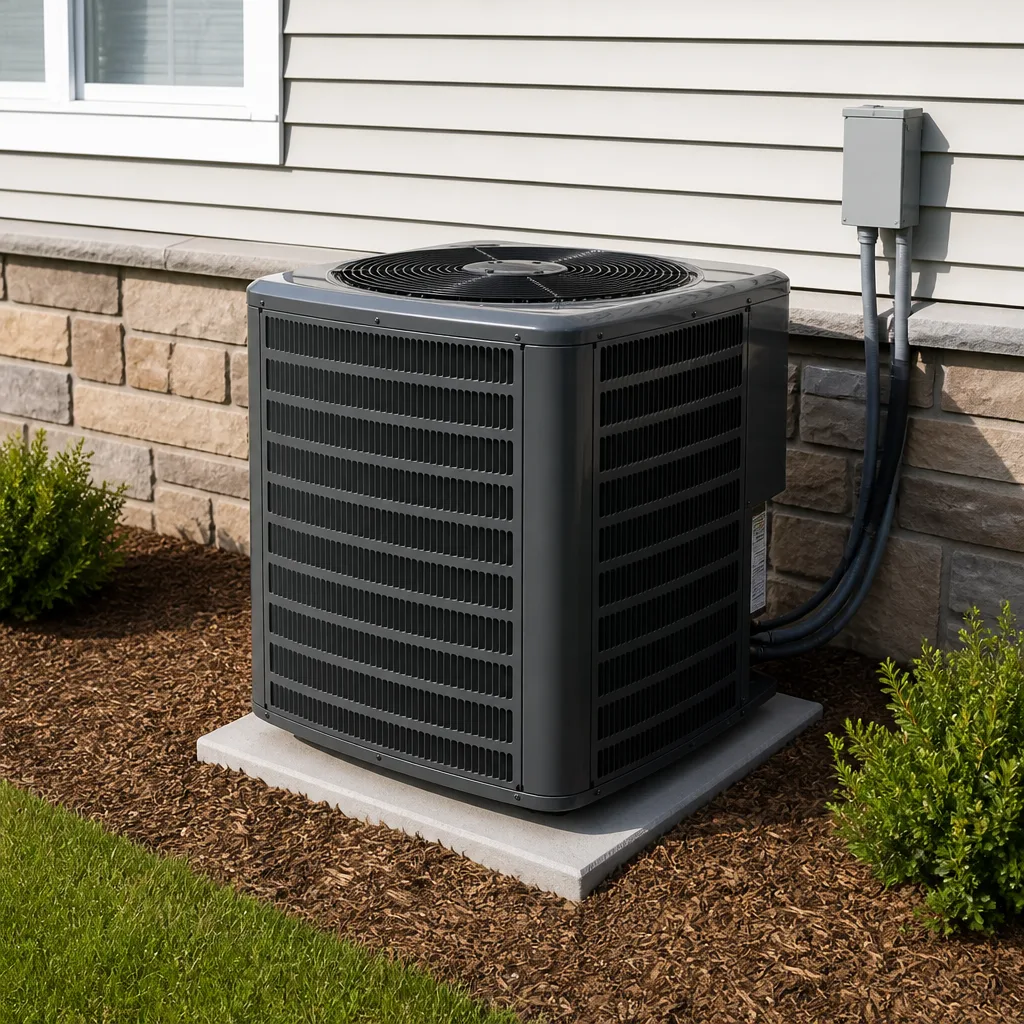 Goodman
Seasonal tune-up and full diagnostic on your Carrier, Trane, or Goodman system - readings shown to you before any repair is proposed
Diagnosis first, numbers second - you approve the repair price before a single part goes in.
Get your free estimateAC Maintenance Troubleshooting: Common Problems and How to Fix Them
Before you call anyone, check this: if your AC runs but blows warm air, the fix is almost never the compressor. It’s one of three cheaper problems, and any technician will diagnose it in the first ten minutes. In our experience across Enterprise, nine out of ten “my AC stopped working” calls trace back to five failure points. A homeowner who can correctly identify which one is acting up walks into the service call with power, knowing what the repair should cost before anyone gives them a number. That’s what this guide gives you.
Quick Answer
Most home AC problems fall into five categories: warm air from running vents, no airflow at all, short cycling, ice on the outdoor unit, or water leaking near the indoor unit. Each points to a specific cause and a realistic repair cost. You can safely check the breaker, thermostat settings, and air filter yourself; refrigerant, electrical contacts, and compressor work require a licensed technician. In Enterprise, the desert heat pushes equipment hard from May through September, so seasonal maintenance matters more here than in mild climates.
Styles & brands we work with
- AC repair
- Furnace & heating
- Heat pumps
- Ductless mini splits
- Carrier
- Trane
- Goodman
Table of Contents
- Symptom 1: AC Runs But Blows Warm Air
- Symptom 2: No Air Coming From the Vents
- Symptom 3: The Unit Short-Cycles On and Off
- Symptom 4: Ice on the Outdoor Unit
- Symptom 5: Water Leaking Near the Indoor Unit
- What a Refrigerant Leak Actually Looks, Sounds, and Smells Like
- Realistic Cost Ranges for the Five Common Failures
- The One Shutdown That’s a Safety Feature, Not a Failure
Symptom 1: AC Runs But Blows Warm Air
Warm air from a running system is the single most common call we get in Enterprise during the first heat wave of June. Before you assume the worst, check three things in order: the air filter, the thermostat, and the outdoor unit’s breaker.
A clogged filter restricts airflow so badly that the evaporator coil freezes and stops cooling. We see this constantly in Enterprise during dust season, when wind-blown particulate loads filters faster than the manufacturer’s 90-day suggestion. Pull the filter. If you can’t see light through it, replace it.
Next, confirm the thermostat is set to COOL, not FAN or HEAT, and that the set temperature is at least 3 degrees below room temperature. This sounds obvious, but a bumped switch or a schedule override accounts for a surprising share of “broken AC” calls.
Finally, check the breaker at your electrical panel. AC systems run on a dedicated double-pole breaker, and a tripped one is a five-second fix. If the breaker holds and the filter is clean but the air is still warm, you’re most likely looking at one of these:
- Low refrigerant charge from a slow leak (most common cause)
- Failed capacitor preventing the compressor from starting
- Seized or failed compressor (least common, most expensive)
- Ductwork disconnected in the attic or crawlspace, bleeding cold air before it reaches your vents
Any of those four requires a technician. For a deeper look at what repair actually involves, see our guide to AC Repair in Enterprise.
Symptom 2: No Air Coming From the Vents
No air at all is different from warm air. When the system produces nothing, the problem is usually upstream of the refrigerant circuit. Work through this numbered checklist before calling:
- Set the thermostat to FAN ON. If the blower runs, the indoor fan and control board are fine and the issue is with the outdoor unit. If nothing happens, the blower or its power supply is the problem.
- Check the breaker again. Both the indoor air handler and the outdoor condenser have separate circuits on many installations.
- Look for a float switch trip. Modern air handlers have a safety float that shuts the system off when the condensate pan fills. If you see standing water, that’s your culprit.
- Confirm the outdoor unit is running. Listen at the condenser. A humming compressor with a still fan points to a failed capacitor.
In Enterprise, we’ve learned to ask about the float switch early. Our monsoon humidity spikes in July and August produce far more condensate than the dry spring months, and a clogged drain line will shut down a system that’s otherwise healthy. It’s a $150-$250 fix, not a compressor.
A blower that won’t run at all may be a failed motor or a control board issue. For a complete picture of when repair makes sense and when replacement is the smarter call, our Brandt HVAC Enterprise home page lays out how we approach both.
Symptom 3: The Unit Short-Cycles On and Off
Short cycling means the system starts, runs for a few minutes, shuts off, then restarts. It’s inefficient, it wears out the compressor, and it usually signals one of four things:
- Refrigerant overcharge or undercharge causing the compressor to hit a pressure limit
- Oversized system cooling the space too fast to dehumidify properly
- Dirty evaporator coil reducing heat transfer and triggering a safety cutoff
- Faulty thermostat or thermistor reading the room temperature incorrectly
The oversized-system scenario is more common than homeowners expect, and it’s a design problem, not a repair. A contractor who sized the unit by square footage alone, rather than by a proper load calculation, will leave you with a system that cools fast and shuts off. In Enterprise’s dry climate that’s a real comfort issue, because a short-cycling system never runs long enough to pull moisture out of the air.
If your system short-cycles, take note of how many minutes it runs before shutting off. A technician can use that number to narrow the cause quickly. Systems that run three to five minutes before stopping usually have a refrigerant or coil issue. Systems that quit after one or two minutes often have a control or pressure-switch problem.
Symptom 4: Ice on the Outdoor Unit
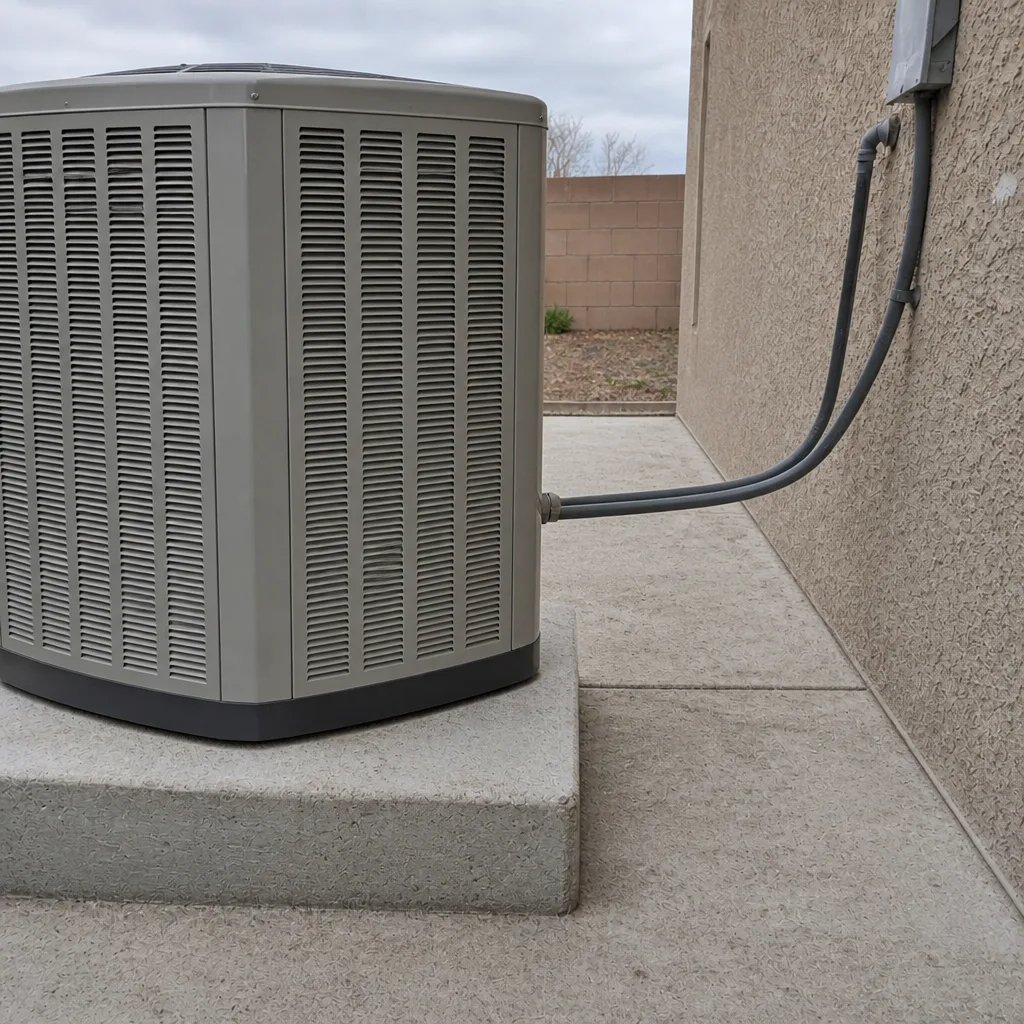
Ice on the outdoor coil or the refrigerant lines is a clear sign of low refrigerant or restricted airflow. Your air conditioner is not supposed to freeze, ever. If you see ice, turn the system off at the thermostat, let it thaw completely, and don’t turn it back on until a technician has looked at it.
Running a frozen system can slug liquid refrigerant back to the compressor and destroy it. That’s a compressor replacement, not a recharge. In our Enterprise experience, the frozen-unit calls we get almost always come after a homeowner ignored ice for a few days hoping it would “work itself out.” It doesn’t.
A frozen evaporator coil indoors produces the same symptoms from the other side: weak airflow, then none at all. If you notice the indoor unit icing up or the vents suddenly going quiet, check the filter and confirm the outdoor fan is running. If both are fine, refrigerant is the next suspect.
Symptom 5: Water Leaking Near the Indoor Unit
Water pooling around the indoor air handler almost always means a clogged condensate drain line. Dust, algae, and in Enterprise the fine dust that comes off our desert lots all collect in the drain trap and form a plug. The pan fills, the float switch trips, and the system stops cooling.
You can check the visible drain outlet outside. If nothing is dripping while the system runs, the line is blocked. A technician clears it with a vacuum or nitrogen flush, usually as part of a maintenance visit. That’s a $150-$300 repair depending on the run length and whether the trap needs replacement.
Less common: a cracked or rusted drain pan, a frozen coil melting faster than the drain can handle, or a leak from the refrigerant line insulation. Any of those needs a technician to diagnose on site. Routine AC maintenance prevents most of these calls. Our page on AC Maintenance in Enterprise explains what a proper tune-up covers and how often to schedule it in our climate.
What a Refrigerant Leak Actually Looks, Sounds, and Smells Like
Homeowners often ask us to “just recharge” the system. Here’s the plain truth: refrigerant doesn’t get used up. If your system is low, it’s leaking. A recharge without a leak repair buys you a few weeks and then you’re back where you started. Refrigerant leaks look, sound, and smell like this:
- Looks like: oily residue or dark staining on the copper line connections, frost at one specific fitting, or greenish corrosion on the coil.
- Sounds like: a faint hiss or bubbling at a fitting, or gurgling in the line set. Most leaks are silent, so don’t wait for noise.
- Smells like: the older R-22 refrigerant has a faint sweet, chloroform-like odor. The newer R-410A and R-454B blends are largely odorless, which is why visual and pressure testing matter more than your nose.
Leak detection involves electronic sniffers, UV dye, and pressure testing, and in our experience it takes 30 to 60 minutes to find most leaks. Repair runs $250-$600 for an accessible line set fitting and $600-$1,200 or more if the evaporator coil itself is leaking and needs replacement. A recharge alone typically runs $200-$500, but we don’t recommend paying for it without a leak repair. For systems still running R-22, the refrigerant alone can cost $100-$150 per pound, which often makes replacement the better call.
Realistic Cost Ranges for the Five Common Failures
Here’s what these repairs actually cost, so you can sanity-check any quote you receive. Prices vary by system size, brand, and accessibility, and every job starts with a written price before work begins.
| Failure | Most Likely Cause | Typical Repair Cost |
|---|---|---|
| Warm air | Low refrigerant charge | $250-$600 (leak repair plus recharge) |
| No air | Tripped float switch or failed blower | $150-$700 |
| Short cycling | Dirty coil or faulty thermostat | $150-$450 |
| Ice on unit | Restricted airflow or refrigerant leak | $180-$600 |
| Water leaking | Clogged condensate drain | $150-$300 |
| Compressor failure | Seized compressor or failed start components | $1,200-$2,400 |
A capacitor replacement, one of the most common fixes, runs $150-$350 parts and labor. A failed contactor runs $150-$300. If a quote for a simple capacitor comes in at $600, ask what else is included. We service all major brands, including Carrier, Trane, Lennox, and American Standard, so we can usually price a repair on the spot. If the system is a Goodman or Rheem and the compressor itself has failed, replacement often makes more sense than repair, and we’ll tell you that plainly.
The One Shutdown That’s a Safety Feature, Not a Failure
If your unit shuts itself off after a few minutes and won’t restart for 10 to 30 minutes, it may have tripped the high-pressure switch. That’s a safety device, not a fault. It opens when discharge pressure climbs too high, protecting the compressor from damage. The unit is doing exactly what it should.
What triggers high pressure? A dirty outdoor coil is the most common cause in Enterprise, where dust and cottonwood collect on condenser fins fast. Restricted airflow from a failed condenser fan, an overcharged system, or a non-condensable gas in the refrigerant circuit can do the same. The behavior looks the same either way: the system cools, then quits, then restarts on its own an hour later.
The mistake homeowners make is assuming that self-restart means the problem is gone. Each trip stresses the compressor. A technician needs to measure the pressure differential, confirm the outdoor coil is clean, and check the fan motor. That diagnostic visit typically runs $89-$150 and often credits toward the repair. If the coil simply needs cleaning, the fix is around $150-$300. If the compressor is overcharged or the switch is failing, expect $250-$500.
Furnace Season Is Right Behind AC Season
One thing Enterprise homeowners tell us every fall: they spent all summer chasing AC problems and forgot the furnace. Our desert nights get cold fast in November. If you schedule a maintenance visit for the AC, ask about the furnace at the same time. A tune-up on both systems costs less than two separate visits, and it catches the cracked heat exchanger or failing igniter that would otherwise leave you without heat on the first cold night. Our Furnace Repair in Enterprise page covers the symptoms to watch for.
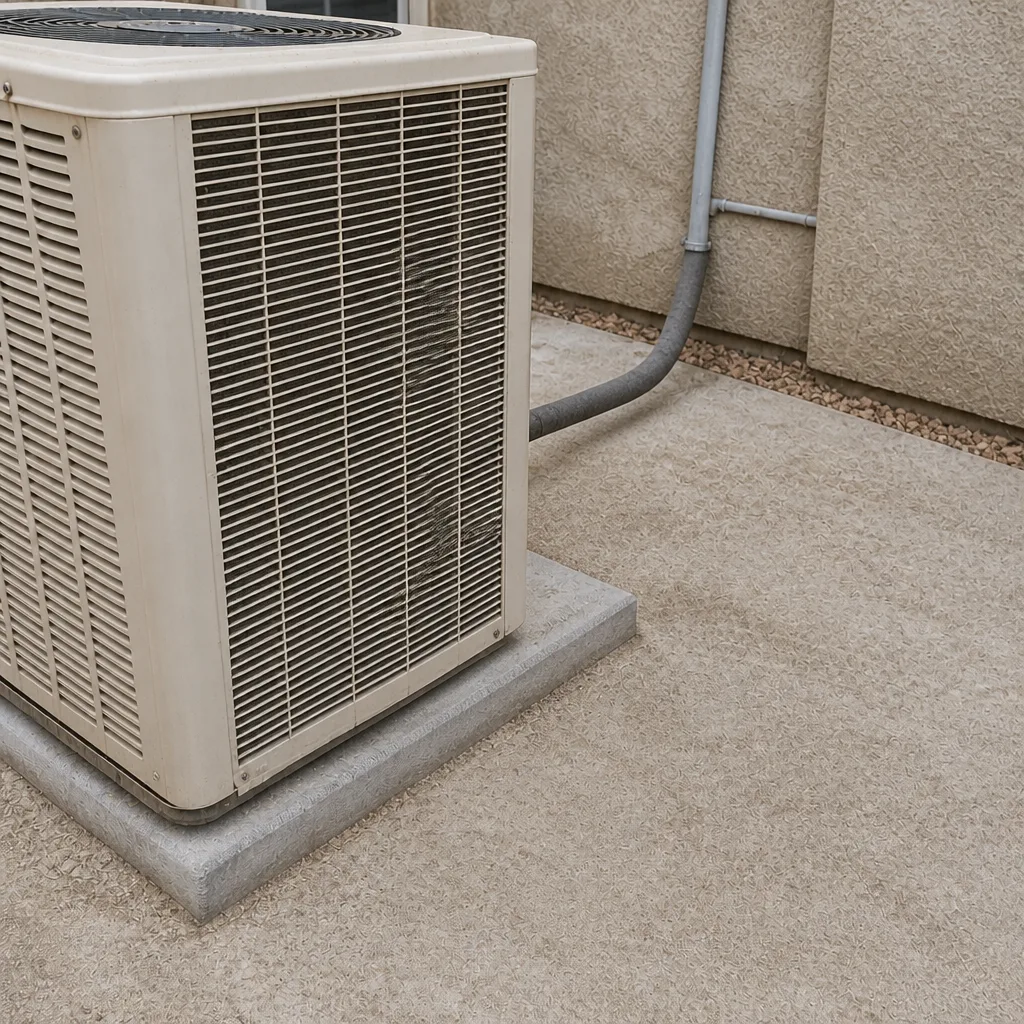
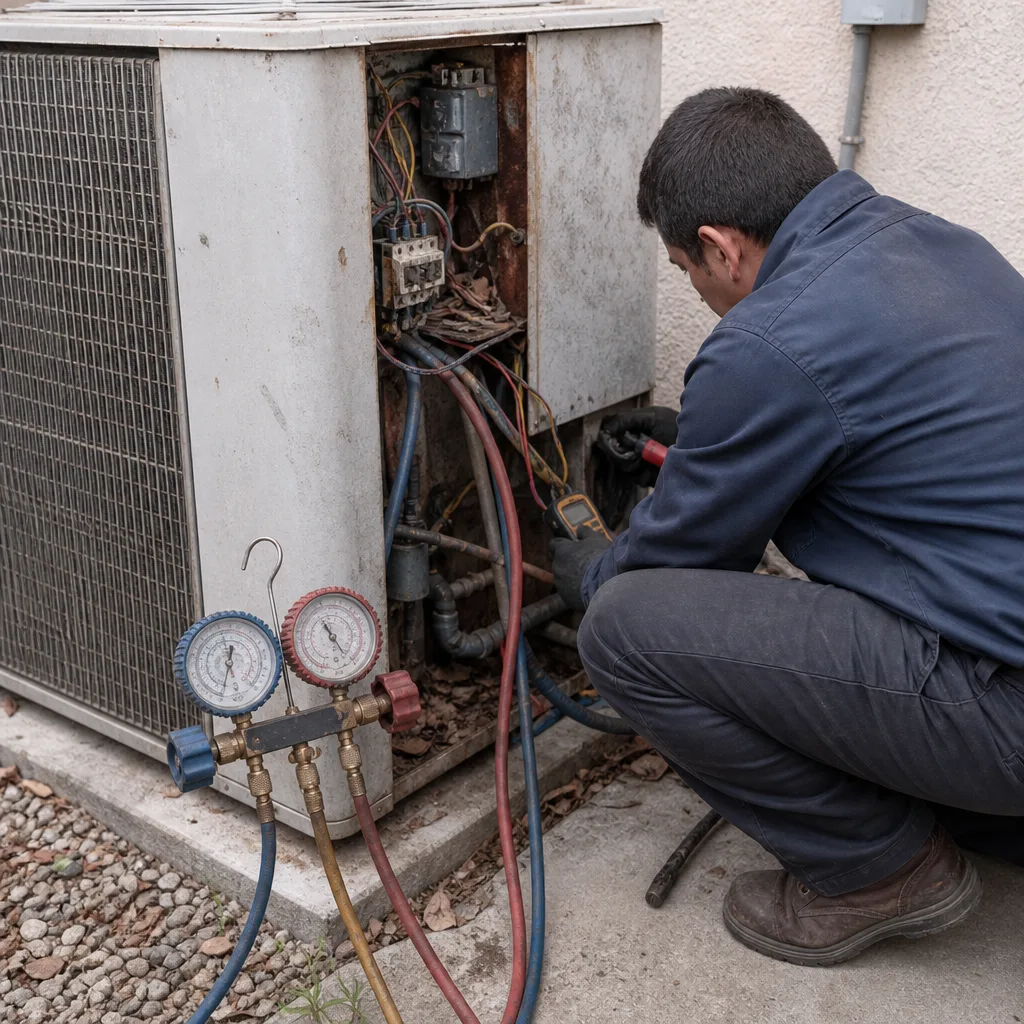
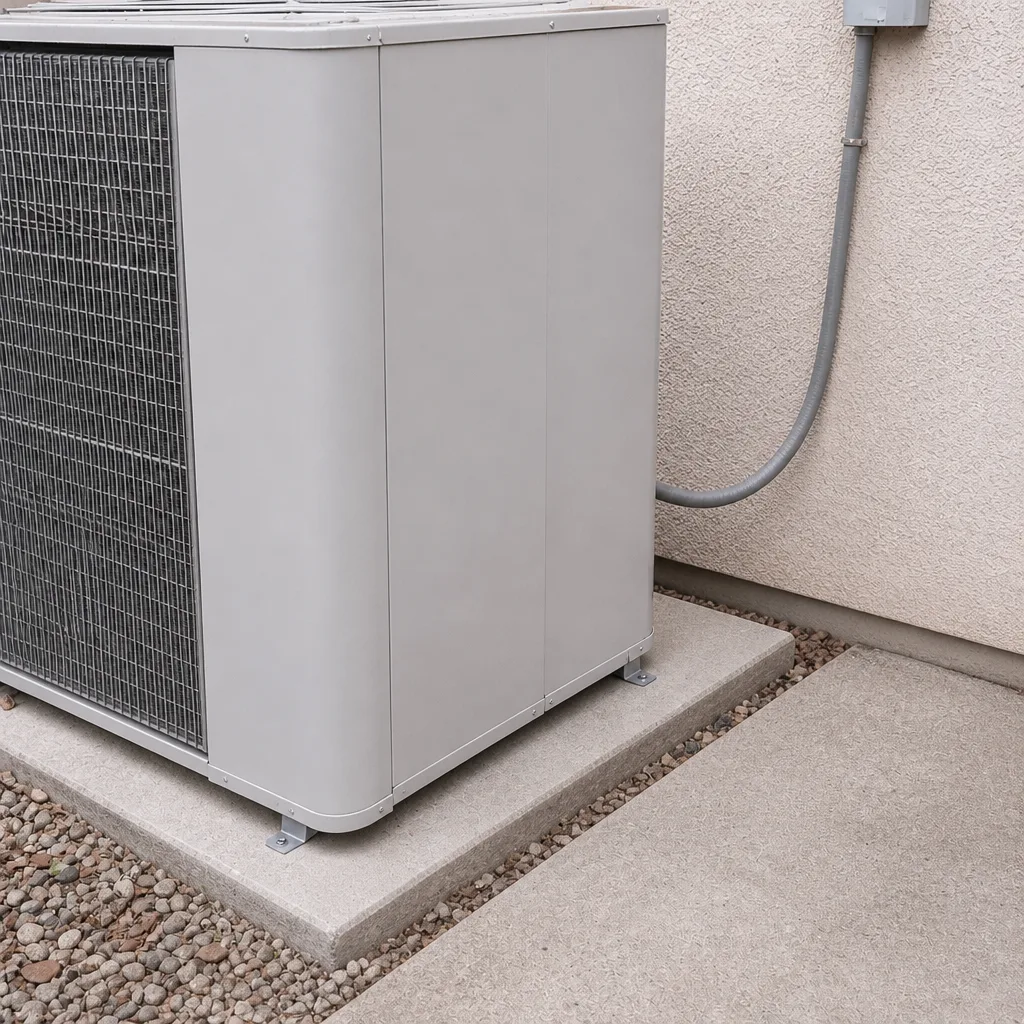
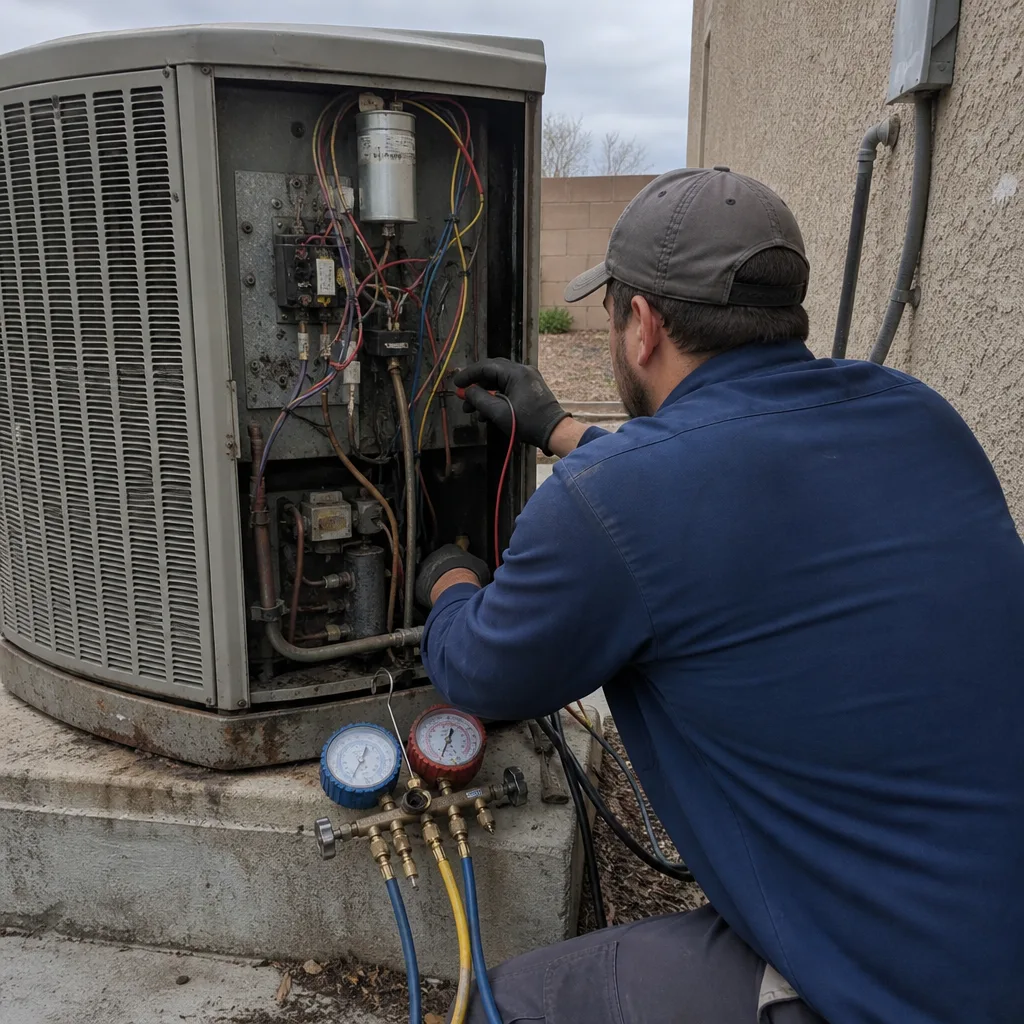
See the difference
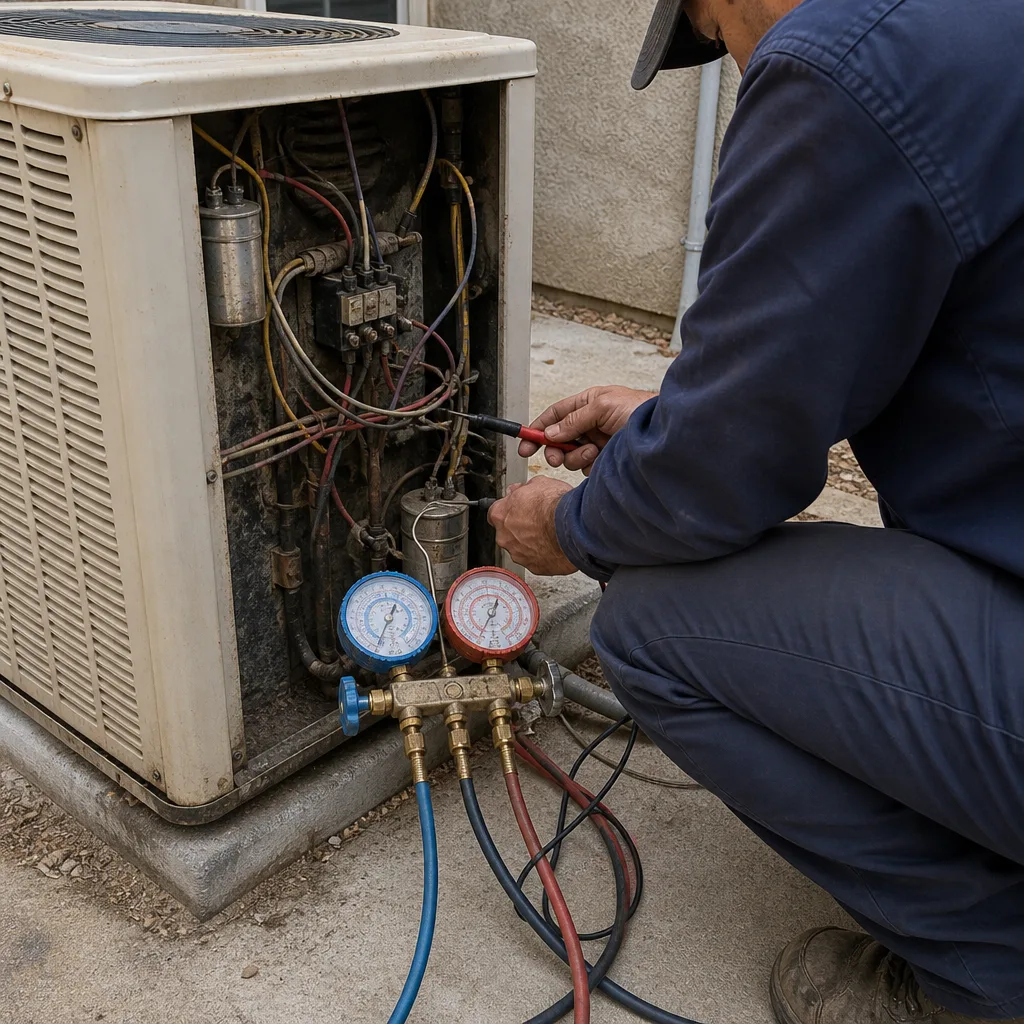 Before
 After
 Before
 After
 Before
 After
Common Mistakes to Avoid
- Recharging without finding the leak. Refrigerant doesn’t wear out. If the system is low, it’s leaking, and a recharge without a leak repair just delays the problem. In Enterprise, sun-baked line sets develop fitting leaks faster than most homeowners expect.
- Running a frozen system. Ice on the coil is a sign of trouble. Turn the system off, let it thaw, and call for service. Running through a freeze can kill the compressor.
- Ignoring the air filter. A clogged filter restricts airflow, freezes coils, and drives up electric bills. During Enterprise’s dusty spring, check it monthly instead of quarterly.
- Replacing the thermostat first. A failed thermostat is real, but low refrigerant, dirty coils, and float switch trips are far more common. Diagnose before you buy parts.
- Oversizing a new system. A contractor who sizes by square footage alone will leave you with short cycling and poor humidity control. Ask for a load calculation.
- Skipping maintenance after a repair. A repair restores function. Maintenance keeps it there. Schedule a tune-up every spring, which is exactly when Enterprise temperatures start climbing.
- Assuming a shutoff means failure. A tripped high-pressure switch is a safety mechanism working as designed. Don’t assume the system is broken; call for a pressure check.
When to Call a Professional
Call a licensed technician whenever the problem involves refrigerant, electrical contacts, the compressor, or gas. That covers every fix downstream of the breaker, thermostat, and filter. You should also call if the system has tripped the high-pressure switch more than once, if ice appears on the outdoor unit, or if water is pooling near the indoor air handler. In the meantime, refuse to touch the refrigerant lines, the capacitor, or the contactor. Those components carry lethal voltage and pressurized refrigerant. Brandt HVAC Enterprise offers free estimates in Enterprise, so you can get a written price before committing to anything. Call (844) 797-9490, and a live person will answer, day or night.
Frequently Asked Questions
Warm air from a running system is almost always low refrigerant from a slow leak, though a failed capacitor or a disconnected duct run can cause it too. Start with the air filter, thermostat settings, and breaker. If those are fine, call for a refrigerant pressure check. Call (844) 797-9490 for a free estimate before you authorize any repair.
No. Refrigerant handling requires licensed equipment, recovery tools, and a proper leak diagnosis. Buying refrigerant at retail is not only ineffective, it’s dangerous and often illegal without certification. A technician has to find the leak, repair it, evacuate the system, and charge it to the correct pressure. Add a leak repair to your service call and you’ll only pay for the recharge once.
Most AC repairs in Enterprise run $150-$600, and the most common fixes are capacitors, float switch trips, and clogged drain lines. Compressor replacement runs higher, typically $1,200-$2,400. Ask for a written price before work begins. Brandt HVAC Enterprise provides a written price on every job, so you know the total before anyone starts. Call (844) 797-9490 for an exact quote.
Once a year, ideally in March or April before the first long heat wave. Enterprise’s dust and summer highs above 100 degrees push equipment harder than milder climates do, so spring maintenance matters. A tune-up catches dirty coils, low charge, and drain clogs before they become breakdowns.
That behavior usually points to a tripped high-pressure switch, a dirty outdoor coil, or a failing condenser fan. It’s a safety response, not a random glitch. Each trip stresses the compressor, so don’t wait. A diagnostic visit usually runs $89-$150 and often credits toward the repair. Call for a pressure check before more damage builds up.
The rule we use: if the repair costs more than a third of replacement and the system is 12 years or older, replacement usually wins. Older systems also run R-22 refrigerant, which has become expensive and hard to source. We service all major brands, including American Standard and Lennox, and we’ll tell you honestly which call makes sense. Call (844) 797-9490 for a free estimate either way.
The Bottom Line
Most “broken AC” calls trace back to five failure points, and the fix is cheaper than the fear suggests. Warm air usually means low refrigerant, no air usually means a float switch or blower, short cycling points to a dirty coil or thermostat, ice means a leak or airway restriction, and water means a clogged drain. Check the breaker, thermostat, and filter yourself; leave refrigerant, capacitors, and compressors to a technician. And if the unit shuts itself off as a safety measure, don’t wait it out. In Enterprise, the heat finds every weak spot in June. A spring tune-up and a written price on every repair keeps the surprises out of your summer.
Ready to stop guessing? Call Brandt HVAC Enterprise at (844) 797-9490 for a free estimate. Every job starts with a written price before any work begins.
Written by the team at Brandt HVAC Enterprise.