
Last updated November 17, 2026
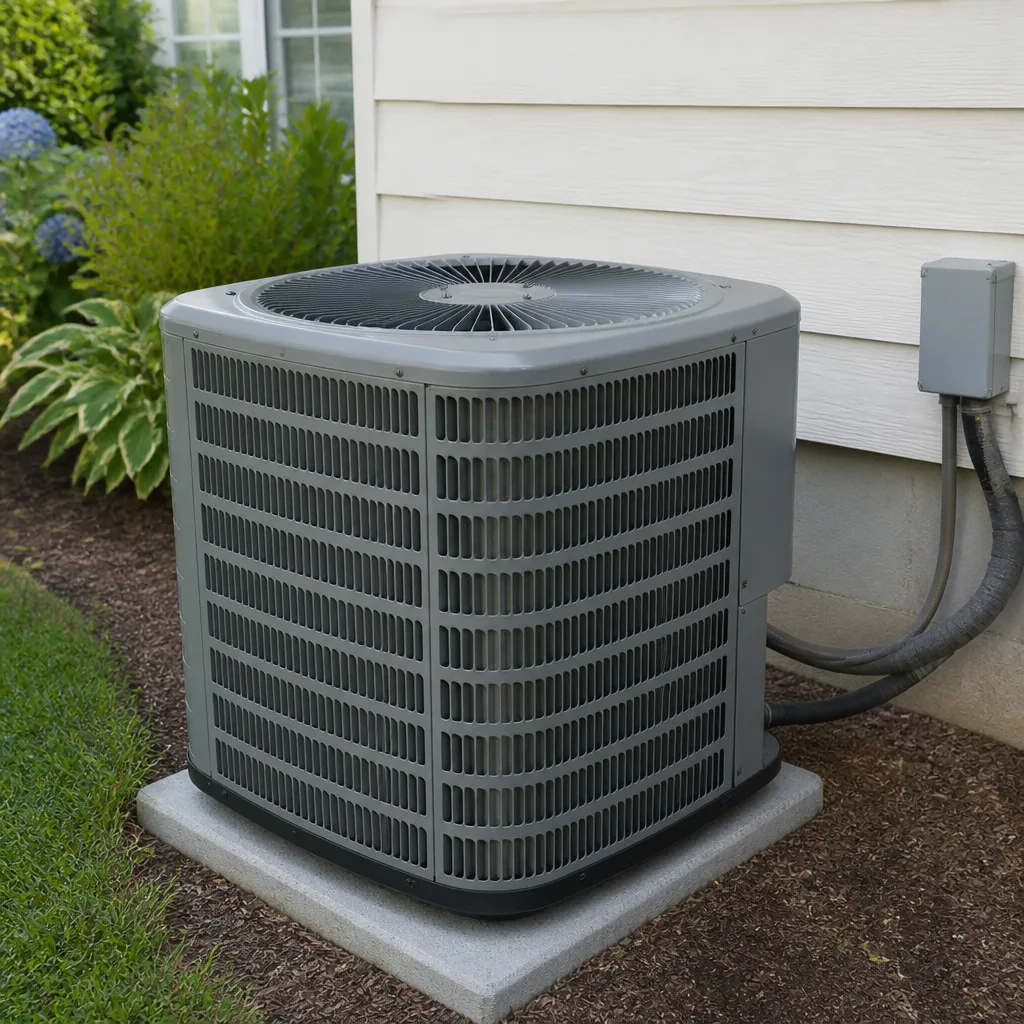 AC repair
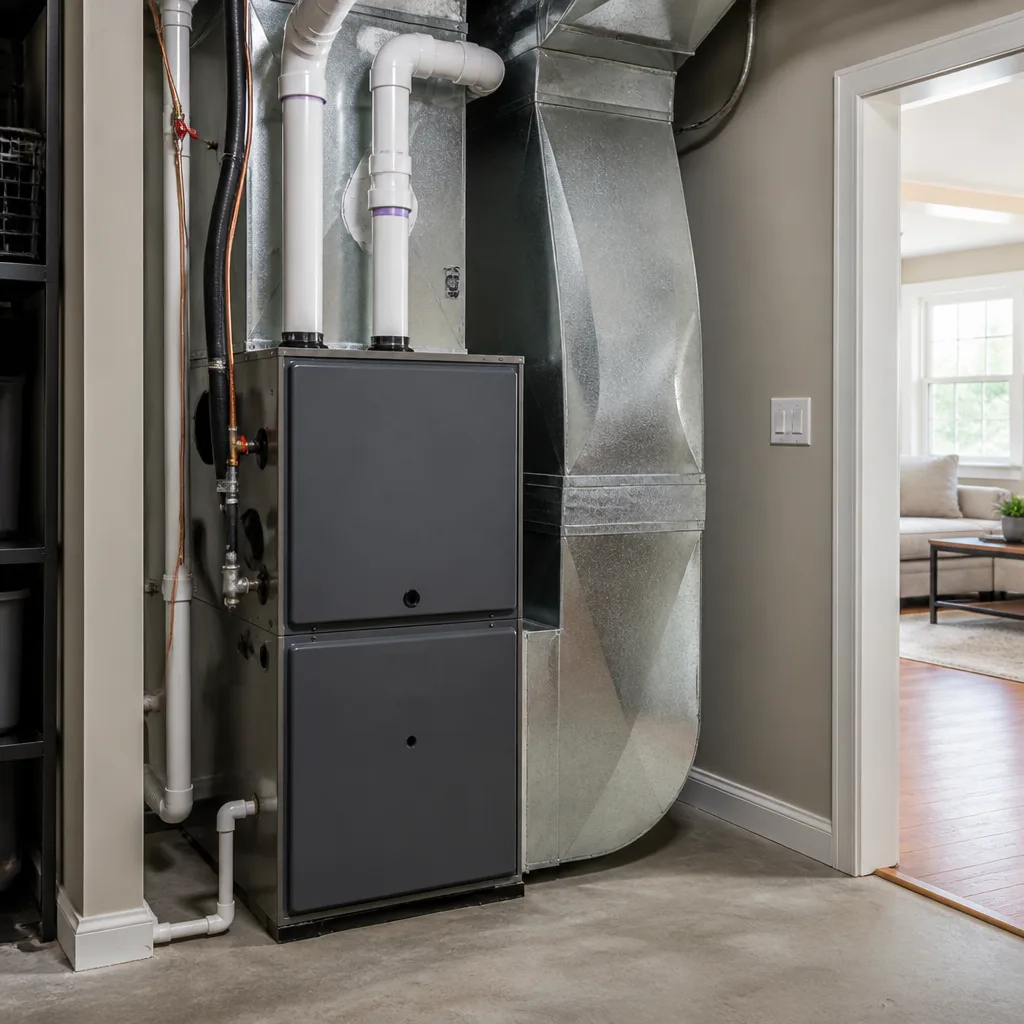 Furnace & heating
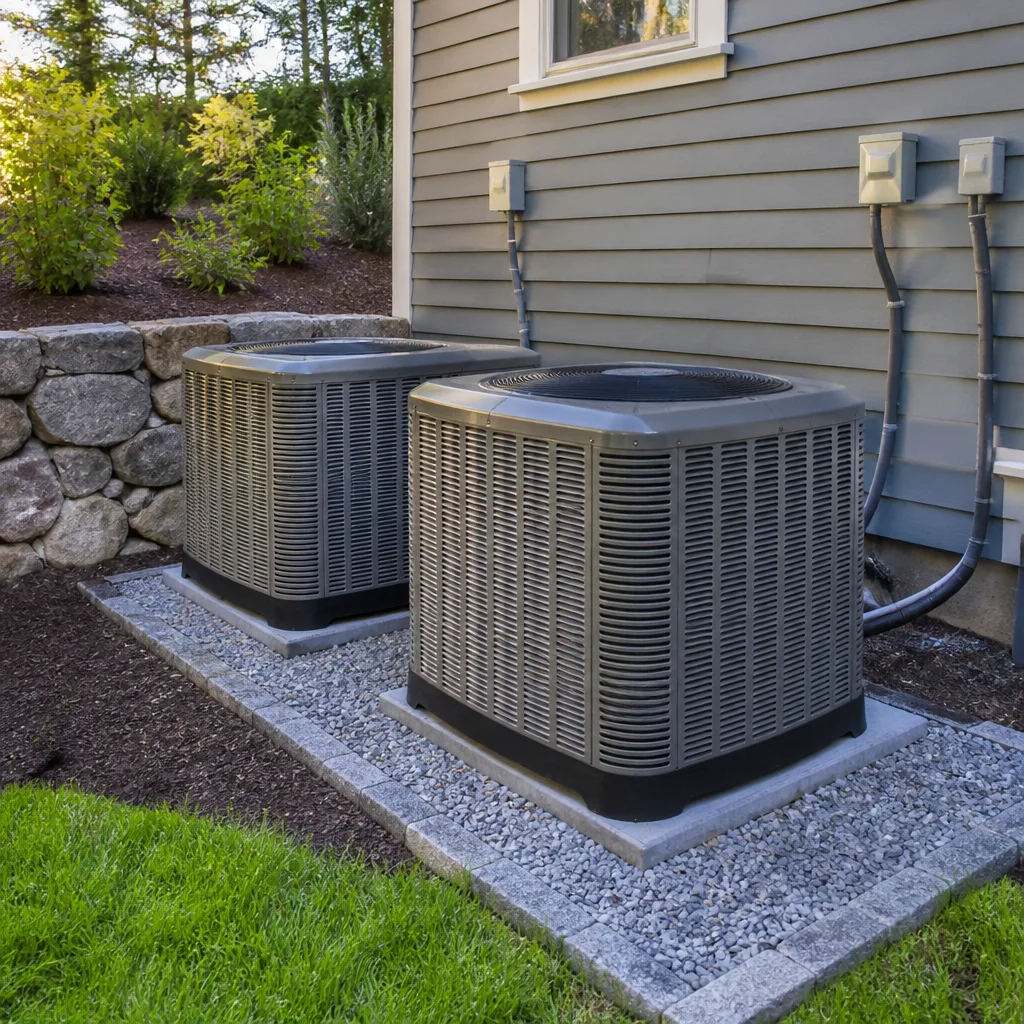 Heat pumps
 Ductless mini splits
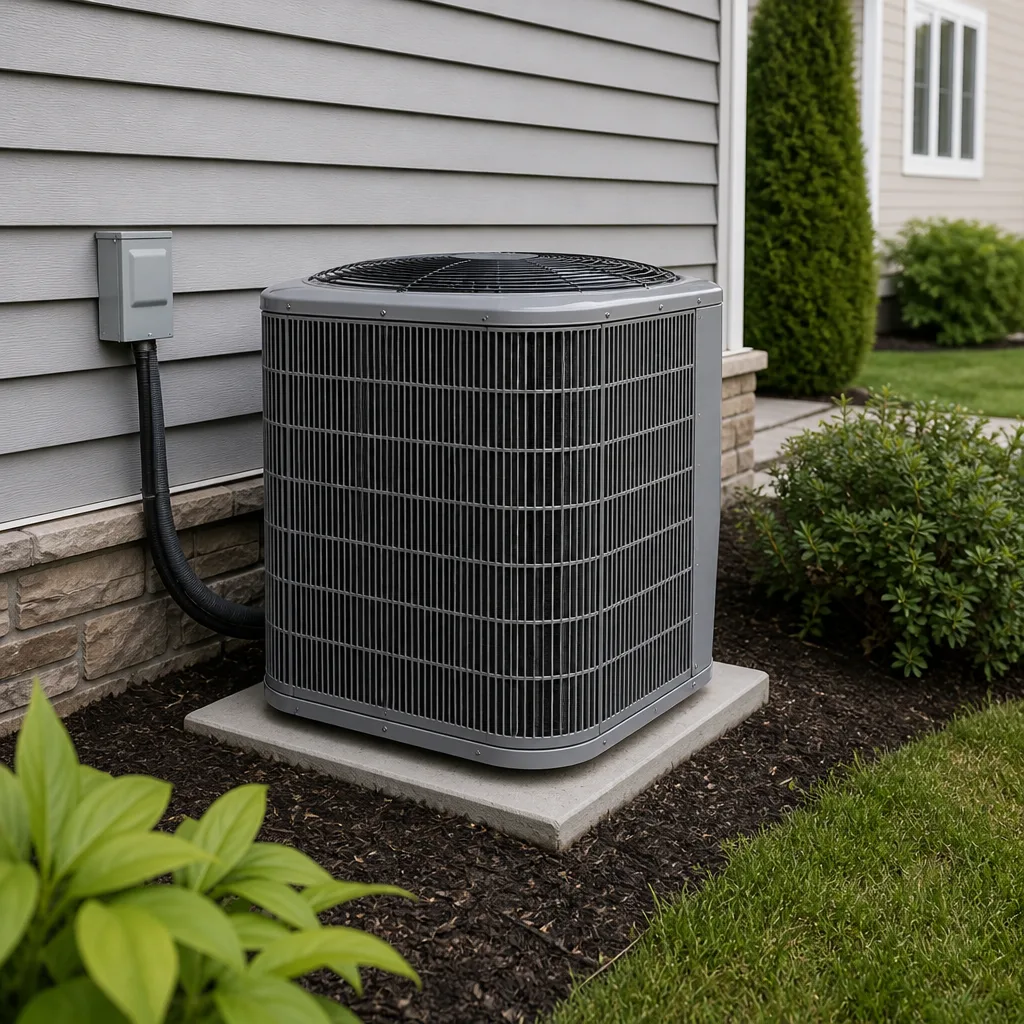 Carrier
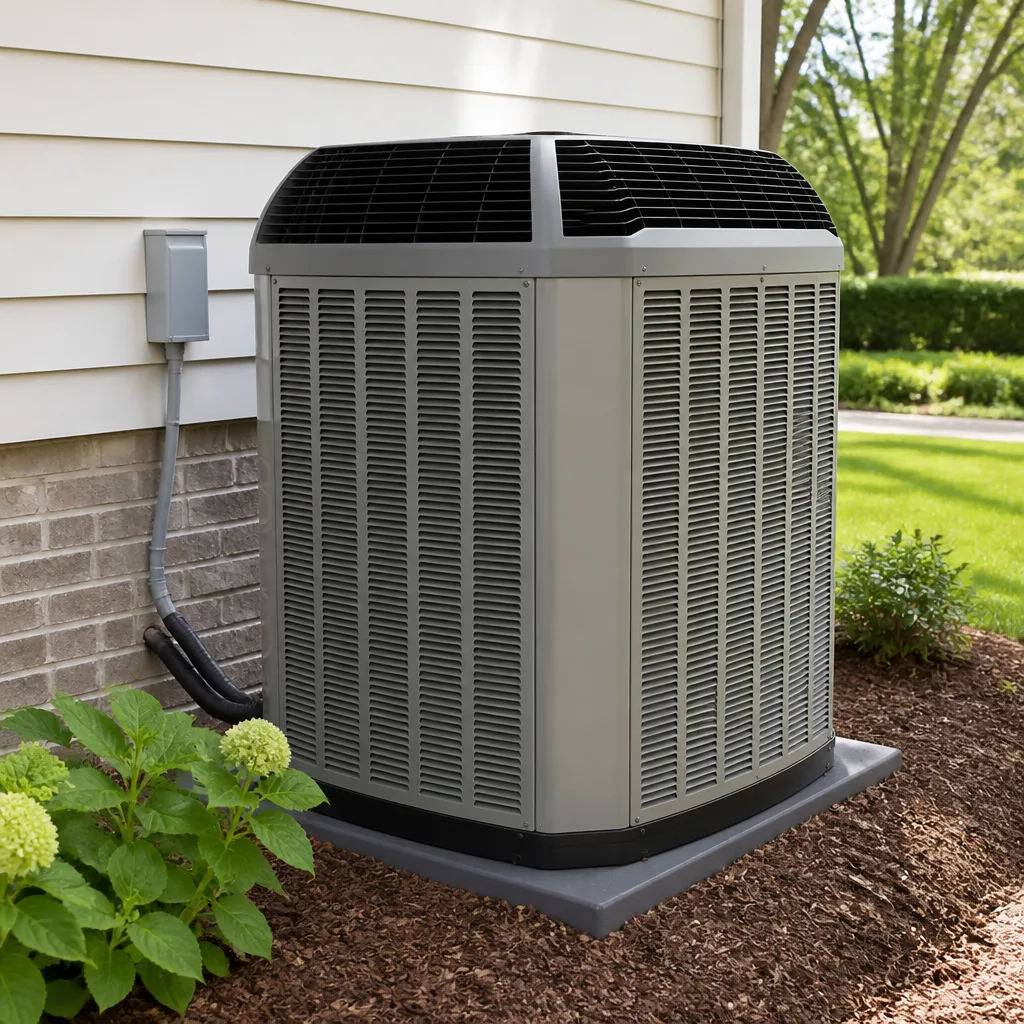 Trane
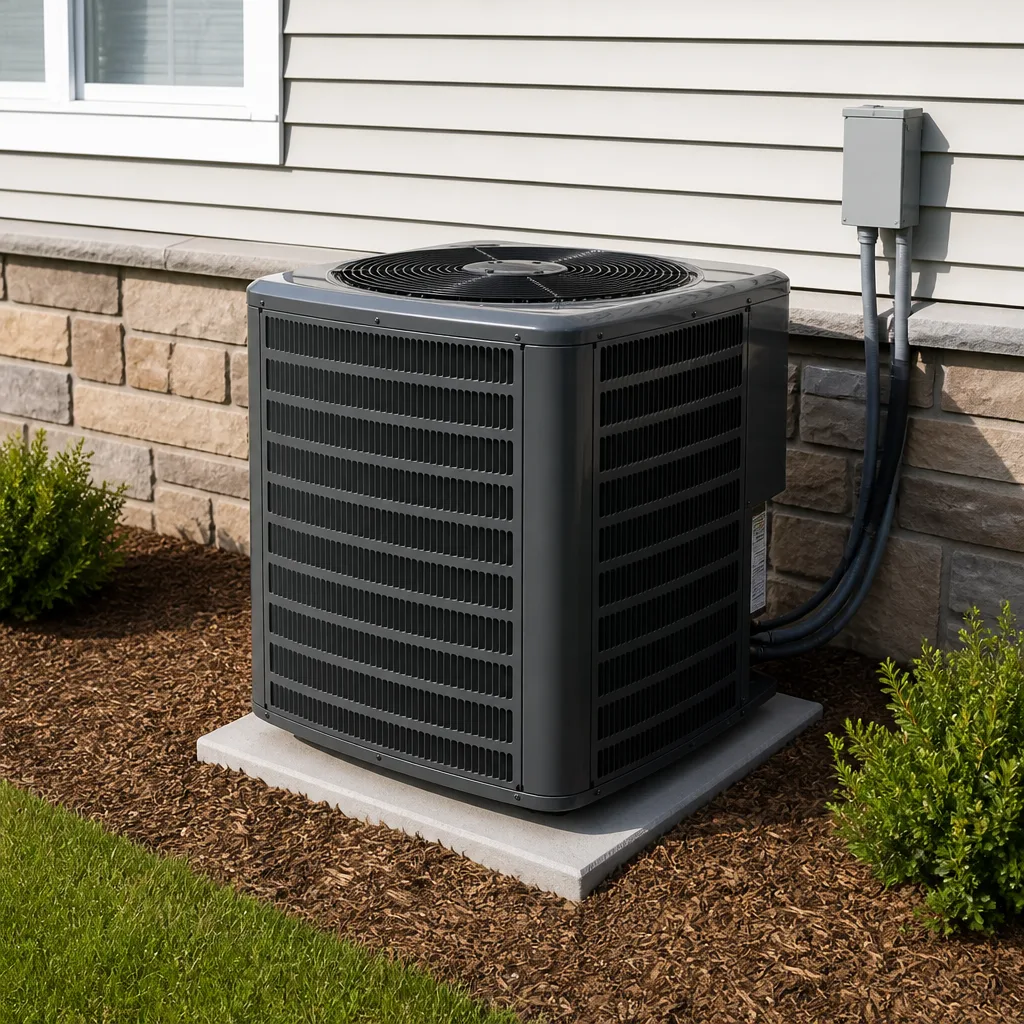 Goodman
Seasonal tune-up and full diagnostic on your Carrier, Trane, or Goodman system - readings shown to you before any repair is proposed
Diagnosis first, numbers second - you approve the repair price before a single part goes in.
Get your free estimateAC Maintenance Schedule: What to Do and When
Most homeowners know they’re “supposed to” change their filter regularly. Almost none know that in a dusty southern Nevada home, waiting three months instead of one can cut airflow enough to freeze the evaporator coil by mid-July. That frozen coil means a service call, a thaw-out, and often a repair bill that a five-dollar filter would have prevented. Enterprise sits in one of the harshest cooling climates in the country, and the maintenance calendar here doesn’t look like the one printed on the sticker inside your air handler. Below is a month-by-month schedule built for Enterprise, with every task tied to the exact breakdown it prevents and what that breakdown typically costs.
Styles & brands we work with
- AC repair
- Furnace & heating
- Heat pumps
- Ductless mini splits
- Carrier
- Trane
- Goodman
Quick Answer
In Enterprise, homeowners should change or clean the filter every 4 to 6 weeks during cooling season, flush the condensate drain in April and again in August, and schedule a professional AC tune-up in March or April before the first 100-degree week. A fall shutdown inspection in October and a post-dust-storm filter and coil check in late summer prevent the two most expensive failures we see in this climate: frozen coils and clogged drains that overflow into ceilings.
Table of Contents
- Why the Enterprise Climate Breaks Generic Maintenance Schedules
- The 12-Month Enterprise AC Maintenance Calendar
- Homeowner Tasks: What You Do Yourself
- Technician Tasks: What a Professional Handles
- Each Task Mapped to the Failure It Prevents
- The Post-Dust-Storm Check Every Enterprise Home Needs
- Why the October Shutdown Inspection Saves Spring Money
- Common Mistakes to Avoid
- When to Call a Professional
- Frequently Asked Questions
- The Bottom Line
Why the Enterprise Climate Breaks Generic Maintenance Schedules
Enterprise doesn’t get four gentle seasons. It gets a long, punishing cooling season that starts earlier than most national maintenance guides assume, a dry spring that loads the air with construction and desert dust, and a summer monsoon window that pushes fine grit into every outdoor unit in the valley. Those three patterns converge on your HVAC system in ways a generic “spring and fall” schedule simply doesn’t address.
Here’s the practical effect. During the peak weeks in Enterprise, a residential system runs nearly around the clock, sometimes 18 to 22 hours a day. That’s far more runtime than the same equipment sees in a mild climate, and runtime is what wears parts out. The compressor, the contactor, the capacitor, the blower motor: all of them age in operating hours, not calendar years. A system that runs double the hours of one in a cooler market reaches its service milestones in roughly half the time.
The dust matters just as much. Fine desert particulate coats condenser coils, and a dirty coil makes the compressor work harder and run hotter. In our experience across Enterprise neighborhoods, the outdoor coil is the single most overlooked maintenance item and the most common reason we find a system pulling high amps in August. Our AC Maintenance in Enterprise visits are scheduled around exactly this reality rather than a one-size-fits-all national checklist.
The point of this guide is a schedule you can actually follow: specific months, specific tasks, and the specific breakdown each one prevents. Keep it on the fridge and the guesswork disappears.
The 12-Month Enterprise AC Maintenance Calendar
Print this. Post it. Each row names the month, who does the task, and the failure it heads off. Notice that the busiest months for maintenance are the shoulder months (March, April, October), not the peak-heat months when you’re least able to be without cooling.
- January: Homeowner changes filter if the system ran through winter. Technician checks heat-side operation if you have a heat pump or furnace.
- February: Homeowner inspects and vacuums the outdoor unit’s fins free of winter debris. Book your spring tune-up now, before slots fill.
- March: Technician pre-season AC tune-up: refrigerant check, electrical torque check, capacitor test, coil clean, drain flush. This is the most important appointment of the year.
- April: Homeowner flushes the condensate drain line and tests the float switch. Confirm filters are stocked for the season.
- May: Homeowner changes filter every 4 to 6 weeks from here through September. Watch for the first long-runtime days.
- June: Homeowner checks the outdoor unit has clear airflow (no stored items, no overgrown shrubs against the coil).
- July: Homeowner continues filter changes. If the system runs nonstop and doesn’t keep up, call before it fails completely.
- August: Homeowner flushes the drain again and does the post-monsoon dust-storm check after any major storm.
- September: Technician mid-to-late-season check if your system ran hard through summer. Catches worn capacitors and low refrigerant before fall.
- October: Technician fall shutdown inspection: full electrical and refrigerant review, drain test, and a written report on what’s wearing out.
- November: Homeowner changes filter entering the heating season. Technician verifies the heating components are ready if applicable.
- December: Homeowner keeps an eye on runtime and any new noises. Schedule winter heating check if you run a furnace or heat pump.
If you run a furnace or heat pump alongside your AC, your calendar carries a second track. Our Furnace Repair in Enterprise team handles the heating side, and the seasonal timing works the same way: service the heating equipment in October and November before you need it, not in January when it quits.
Homeowner Tasks: What You Do Yourself
Some maintenance belongs in your hands because it’s simple, safe, and needs doing more often than any technician will visit. Here’s the honest split. These tasks are genuinely yours:
- Change or clean the filter. Every 4 to 6 weeks during cooling season in Enterprise, and monthly during dust-storm season. Use the correct size and note the airflow direction arrow.
- Flush the condensate drain. In April and again in August, pour a cup of distilled white vinegar down the drain access to keep the line clear. This is the single cheapest task on the list and prevents a very expensive overflow.
- Clear the outdoor unit. Keep at least two feet of clearance around the condenser. Trim shrubs, move stored items, and hose off loose debris from the fins (gently, low pressure).
- Test the float switch. Many systems have a safety switch that shuts the unit off if the drain backs up. Confirm it’s working each spring.
- Watch the runtime. If your system starts running noticeably longer than last summer, note the date. That observation is diagnostic gold for a technician.
These five tasks cost almost nothing and cover the majority of preventable failures. Everything below the surface belongs to a trained technician, and that line matters for your safety as much as your wallet.
Technician Tasks: What a Professional Handles
Some of what keeps your system alive is genuinely dangerous to touch. Refrigerant is under pressure and requires recovery equipment and handling certification. The electrical panel and the capacitors that store a charge can shock even after the power is off. We list these as “what a technician does” rather than “how to do it yourself” on purpose: a homeowner should never open the electrical compartment or crack a refrigerant line.
- Refrigerant charge check. A technician measures superheat and subcooling to confirm the system holds the right charge. Low refrigerant usually means a leak, not just a top-off.
- Electrical torque check. Loose connections at contactors and terminals cause arcing and burned wires. Torquing to spec prevents it.
- Capacitor and contactor testing. These are the components that fail first on long-runtime systems. Testing them catches a weak capacitor before it strands you in July.
- Coil cleaning. The outdoor condenser coil and, where accessible, the indoor evaporator coil get cleaned so the system can shed heat efficiently.
- Condensate drain and pan inspection. Beyond the vinegar flush, a technician confirms the slope, the trap, and the pan are sound.
- Blower motor and belt review. Checks amperage draw and bearing condition so a failing blower doesn’t take the system down.
A thorough tune-up on a AC Repair in Enterprise visit or a dedicated maintenance appointment covers all of this and gives you a written report. When you work with us, the report is part of the deal, and no technician is paid on what they sell, so there’s no incentive to invent a problem.
Each Task Mapped to the Failure It Prevents
This is where the schedule earns its keep. A task only gets done if you understand what skipping it costs. Here’s roughly what the preventable failures run in the Enterprise market, parts and labor included for a typical residential system:
- Filter neglect → frozen evaporator coil. A restricted filter cuts airflow and ices the indoor coil. Thaw-out, diagnosis, and often a drain or blower repair run $150 – $350. A filter costs a few dollars.
- Dirty condenser coil → high-amp compressor strain. A compressor that overheats can fail outright. Compressor replacement is a major repair, commonly $1,200 – $2,500 depending on the unit, sometimes more.
- Clogged condensate drain → water overflow. A backed-up drain can stain ceilings, ruin drywall, and reach flooring. Water damage repair plus the HVAC fix is often $300 – $900.
- Weak capacitor → no-cool mid-summer. A failed run or start capacitor stops the compressor or fan cold. Replacement typically runs $150 – $350 when caught in a routine visit; an emergency weekend call adds cost and delay.
- Loose electrical connection → burned contactor or worse. Arcing at a terminal can damage the wiring and the board. Repair often lands $200 – $450, and it’s a fire risk you don’t want to gamble on.
- Low refrigerant (undetected leak) → compressor overwork. Running low on charge wears the compressor. A leak search, repair, and recharge is commonly $400 – $900 depending on the leak location.
Run the totals. Every one of these repairs costs several times more than the maintenance that would have prevented it. The schedule isn’t an expense line; it’s the cheapest insurance on your system. For a fuller picture of what repairs and tune-ups run in Enterprise, our AC Repair in Enterprise team is glad to talk through a written price before any work starts.
The Post-Dust-Storm Check Every Enterprise Home Needs
Late summer in Enterprise brings monsoon-season dust storms, and they do something a normal maintenance schedule never anticipates: they dump a heavy load of fine grit directly into your outdoor condenser coil and your return air filter in a matter of hours. A system that was clean in June can be choked by the end of a single windy afternoon in August.
After any significant dust event, do three things:
- Pull and check the filter. If it’s visibly coated, replace it. Don’t wait for the calendar.
- Look at the outdoor coil. Fine dust collects between the fins. If the unit looks caked, book a technician to clean it properly. High-pressure DIY washing can bend fins and make it worse.
- Listen for strain. A system working against a dirty coil gets louder and runs longer. If you hear that, call before the compressor pays the price.
This one check, timed to the desert Southwest’s storm patterns, prevents the compressor strain that a two-month-old cleaning was supposed to solve. It’s a detail most generic maintenance guides leave out entirely, and in Enterprise it’s one of the highest-value steps on the calendar. If you’d rather not track the storms yourself, an AC Maintenance in Enterprise plan can include a late-summer reset visit.
Why the October Shutdown Inspection Saves Spring Money
Most people think of maintenance as a spring thing. In our experience, the October shutdown inspection is where the biggest savings hide, because it catches the slow damage that sits quietly all winter and then shows up as a blown repair the first hot week of spring.
Here’s the mechanism. Through a brutal Enterprise summer, parts wear: capacitors weaken, connections loosen, refrigerant slowly seeps from a small leak, the blower motor draws a little more current than it should. If nobody looks at these in October, they sit unaddressed through the milder winter. Then in March or April, the first 100-degree day hits, the system runs hard, and the weakened part fails at the worst possible moment, when every HVAC company in the valley is slammed and you’re facing an emergency call.
An October inspection inverts that. A technician documents what’s wearing, replaces the vulnerable $150 capacitor before it strands you, and finds that small refrigerant leak before it becomes a compressor problem. You go into spring with a system that’s been checked, not a system that’s a gamble. The components that are cheapest to replace in October are the exact ones that are most expensive to replace in a spring emergency, both because of the part cost and because of the premium on emergency scheduling.
That’s the philosophy behind our Brandt HVAC Enterprise home approach to maintenance: front-load the catching, back-load nothing. A fall inspection finds problems on your terms instead of the weather’s.
Common Mistakes to Avoid
- Running one filter for the whole summer. In Enterprise’s dust load, a three-month filter is a restricted filter. Change every 4 to 6 weeks in cooling season, monthly during storms. The frozen-coil repair will cost far more than the filters.
- Skipping the drain flush because “it’s been fine.” A slow-clogging condensate line works right up until it doesn’t, and then it’s water in your ceiling. Flush in April and August.
- Power-washing the outdoor coil. High pressure bends the fins and packs the dust deeper. Rinse gently or let a technician clean it properly.
- Waiting for a breakdown to schedule service. Emergency repairs cost more and come with a wait during peak demand. Book the March tune-up and October inspection while the calendar is calm.
- Ignoring a system that “just runs longer.” Longer runtime is the earliest warning sign of a dirty coil, low refrigerant, or a weak capacitor. It’s a signal, not normal.
- Opening the electrical compartment or adding refrigerant yourself. Both can seriously injure you. Capacitors hold a charge and refrigerant requires certified handling. Leave these to a technician.
- Treating a national schedule as gospel. The sticker in your air handler was printed for a mild climate. Enterprise’s runtime hours and dust load call for a tighter calendar than it recommends.
When to Call a Professional
Some of the tasks above are yours; some are not. Call a professional immediately if you notice ice on the indoor or outdoor coil, water around the indoor unit or staining on the ceiling below it, a burning smell or scorched wiring, a system that runs nonstop without keeping up, or any refrigerant concern at all. Those are not “wait and see” situations, and a couple of them are genuine safety issues. For routine work, book your seasonal tune-up before peak season rather than after a failure. When you call, you get a live person 24 hours a day, seven days a week, and a written price before any work begins. Brandt HVAC Enterprise offers free estimates in Enterprise, so you know the number before anyone touches the system. Call (844) 797-9490 whenever you want the schedule turned into an appointment.
Frequently Asked Questions
Every 4 to 6 weeks during cooling season, and monthly after a dust storm. Enterprise’s desert dust loads a filter faster than the “every three months” advice you’ll find online, and a restricted filter is what freezes evaporator coils by mid-July.
A seasonal tune-up typically runs $90 – $180 and covers the refrigerant check, electrical torque check, capacitor test, coil clean, and drain flush. You get a written report of what was actually found, and our technicians aren’t paid on what they sell. Call (844) 797-9490 for an exact quote before we start.
As a rule, if a repair costs more than a third of a new system and the equipment is nearing the end of its service life, replacement is the better long-term call. We’ll give you a written price on both options so you can decide without pressure. Call (844) 797-9490 to walk through it.
A frozen coil almost always means restricted airflow or low refrigerant. The most common cause in this climate is a dirty filter or a dirty evaporator coil. Turn the system off, let it thaw, and have a technician check the charge and airflow.
Yes. We service all major residential HVAC brands, including Trane, Lennox, Goodman, and Rheem. Same written price, same written guarantee, whichever brand is on the label.
You’ll be told the technician’s name and photo before the visit, and they’ll show a photo ID badge at the door. Every technician is background-checked and identity-verified under the Threshold Verified standard. If anyone arrives you weren’t told to expect, that visit is on us.
The Bottom Line
A maintenance schedule works when it’s tied to real dates and real consequences. For an Enterprise home, that means a filter change every 4 to 6 weeks in cooling season, drain flushes in April and August, the big pre-season tune-up in March, a post-dust-storm check each late summer, and a fall shutdown inspection in October that catches slow damage before spring. Each task on this calendar heads off a repair that costs several times more than the maintenance itself. Post the calendar, split the work between what you can safely do and what belongs to a trained technician, and you’ll spend far less on your AC than the homeowners who wait for something to break.
Questions about your specific system, or want to turn the schedule into an appointment with a technician you can verify by name and photo? Call (844) 797-9490 for a free estimate. You’ll reach a live person, and you’ll see a written price before any work starts.
Written by the team at Brandt HVAC Enterprise.
See the difference
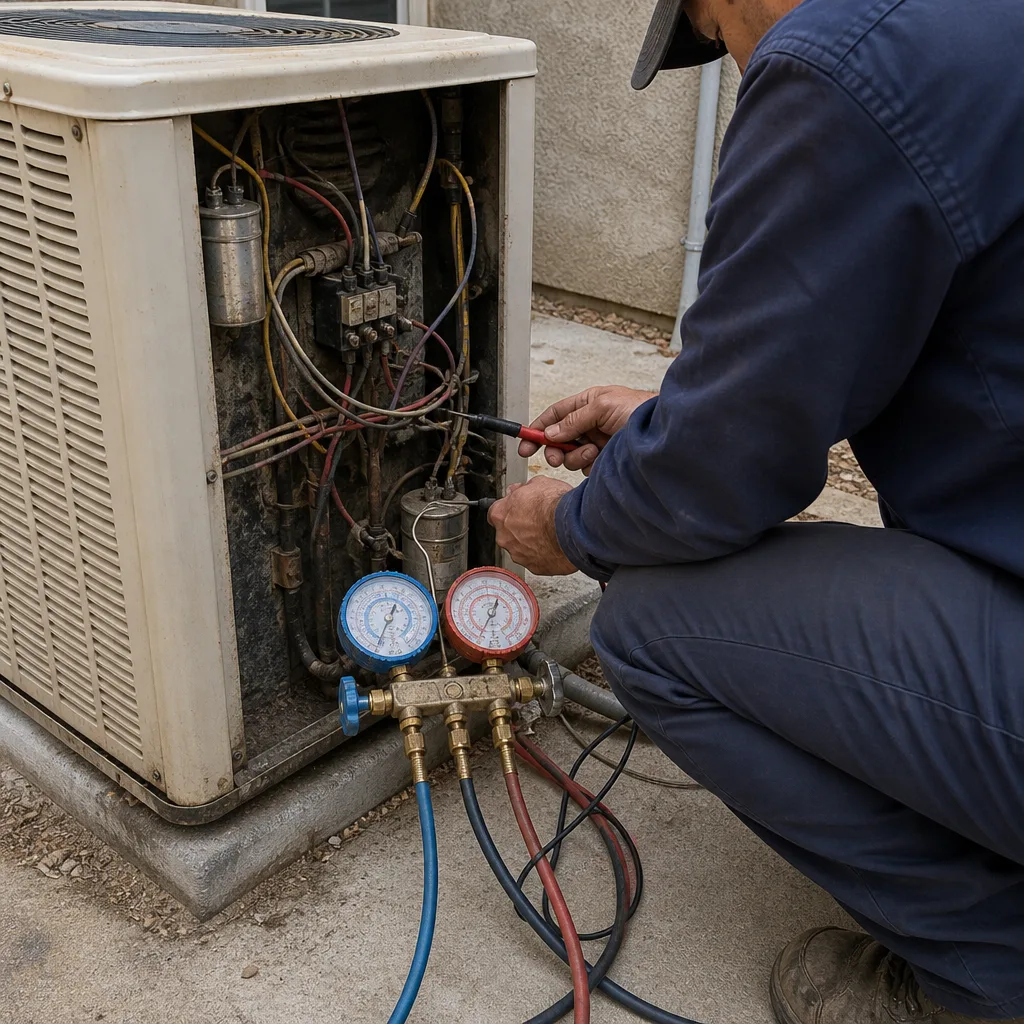 Before
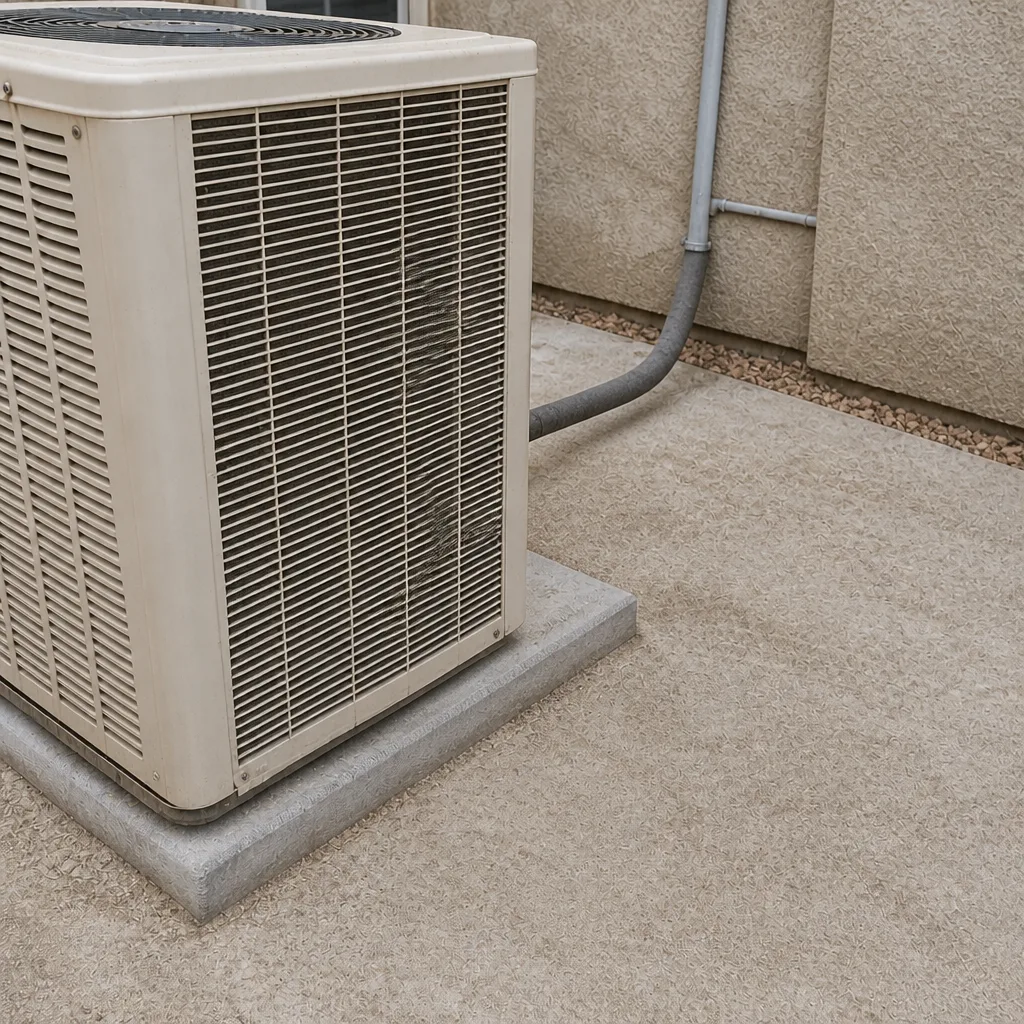 After
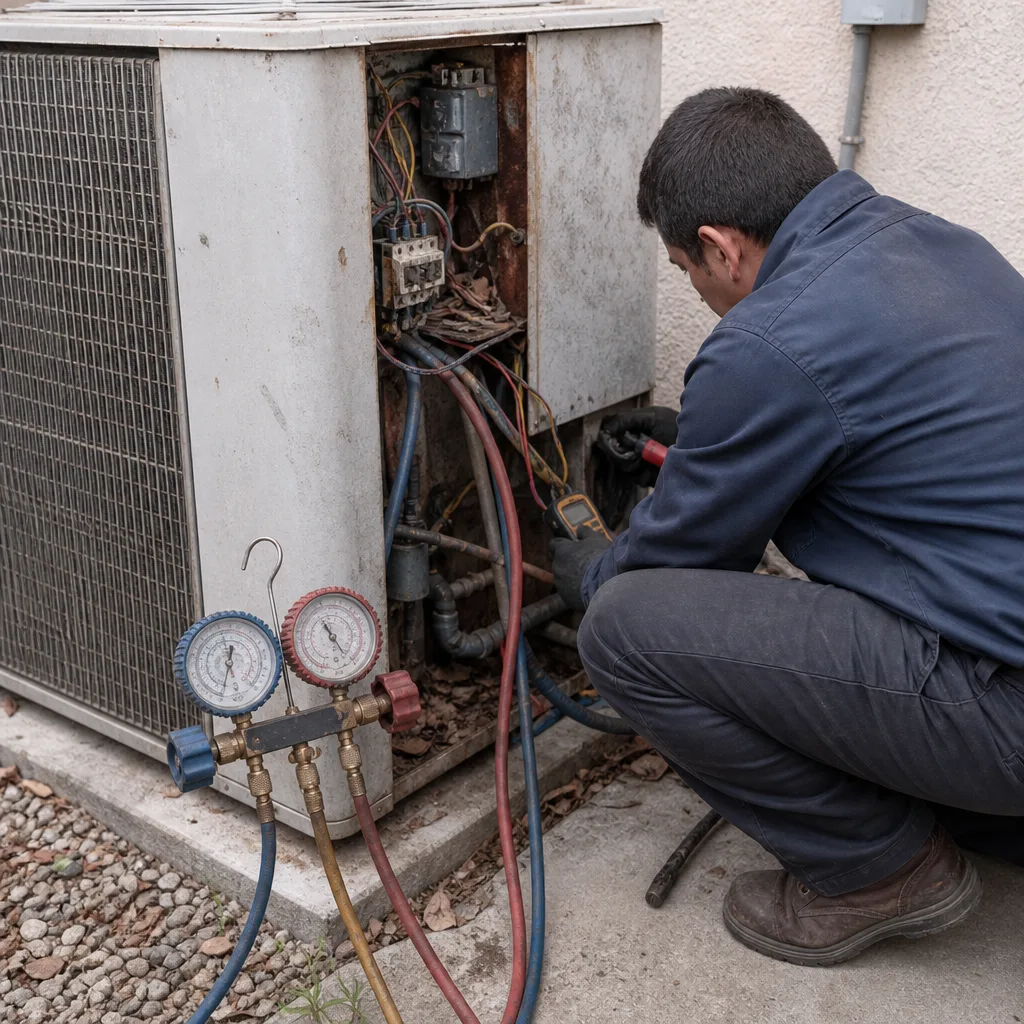 Before
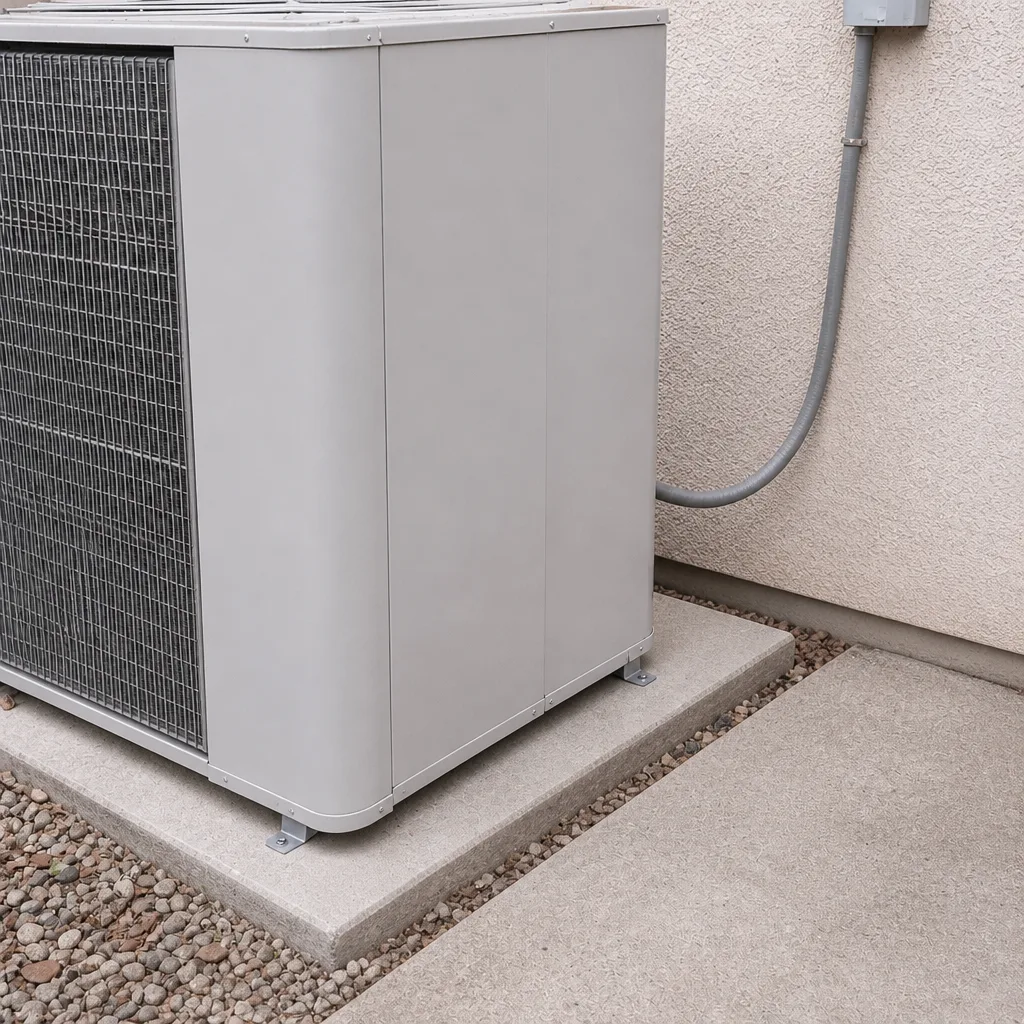 After
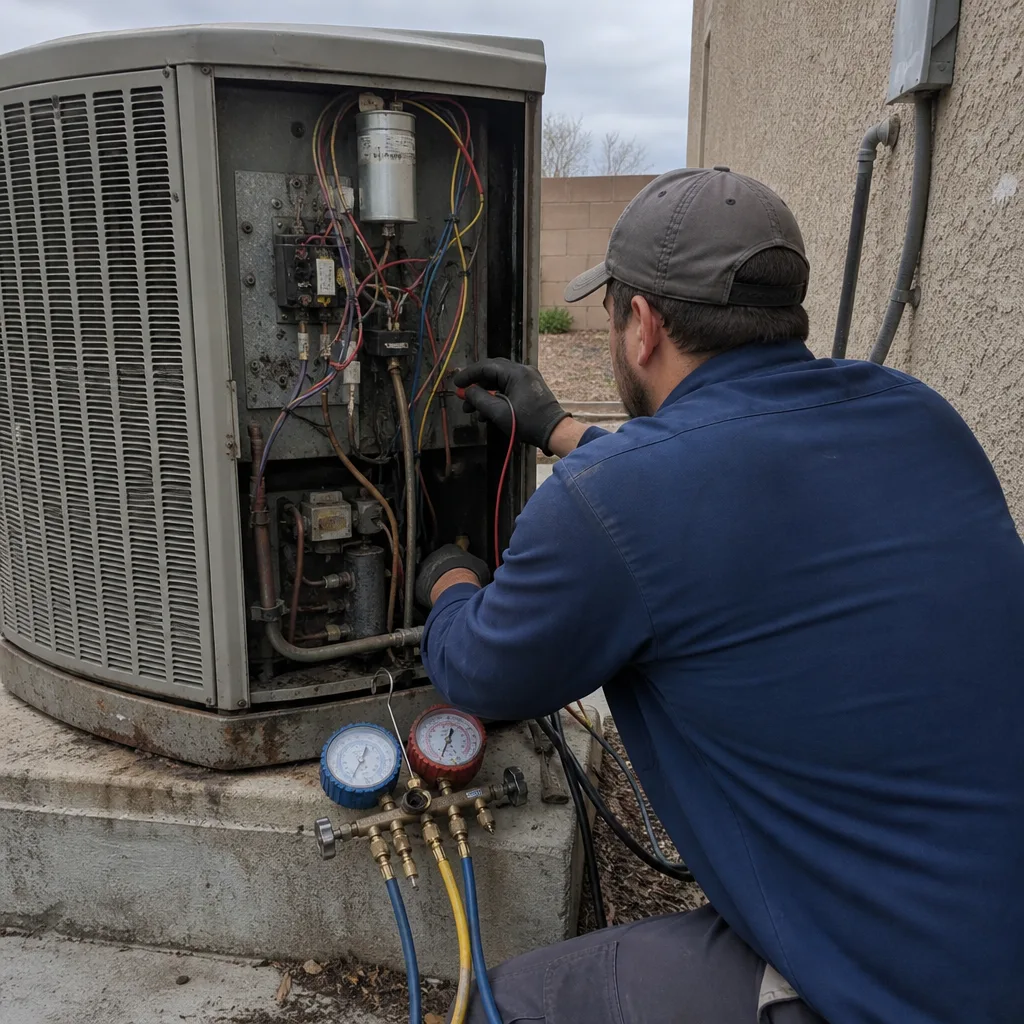 Before
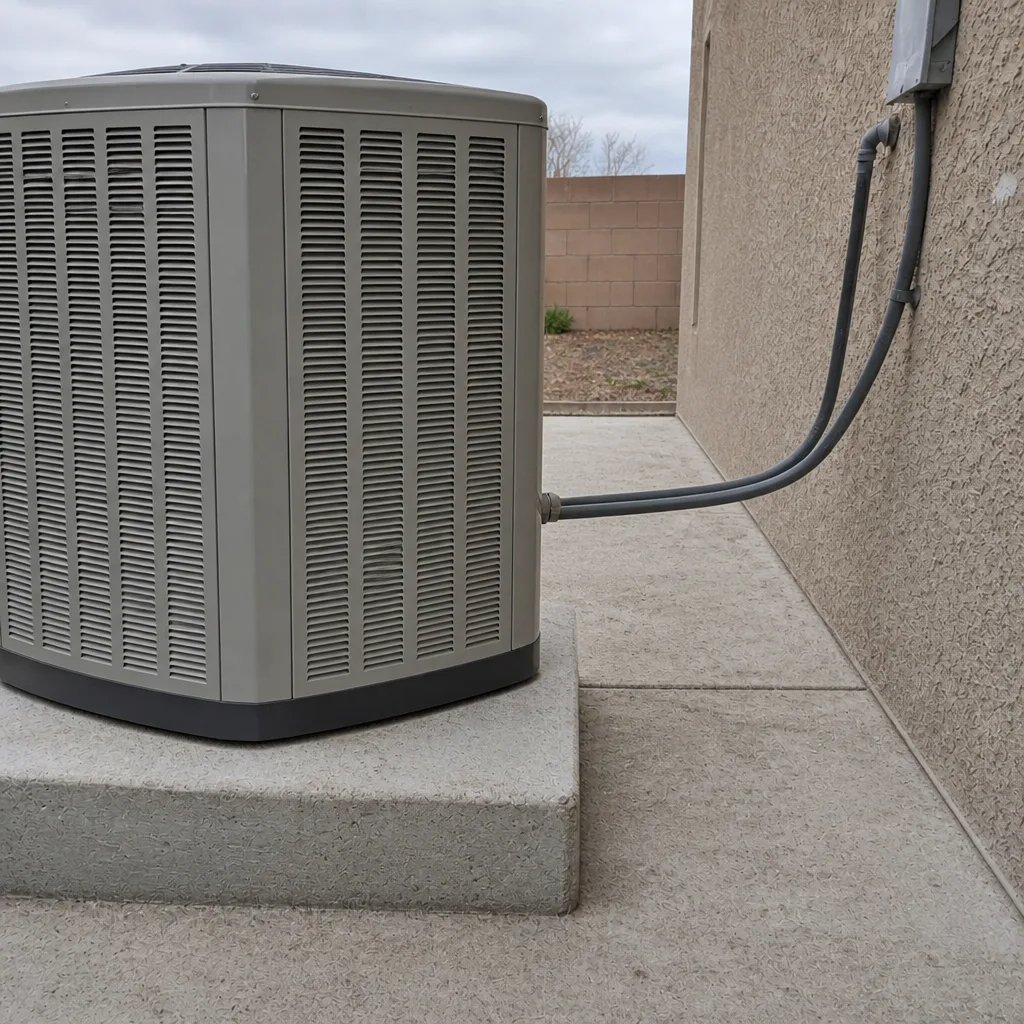 After