
Last updated November 17, 2026
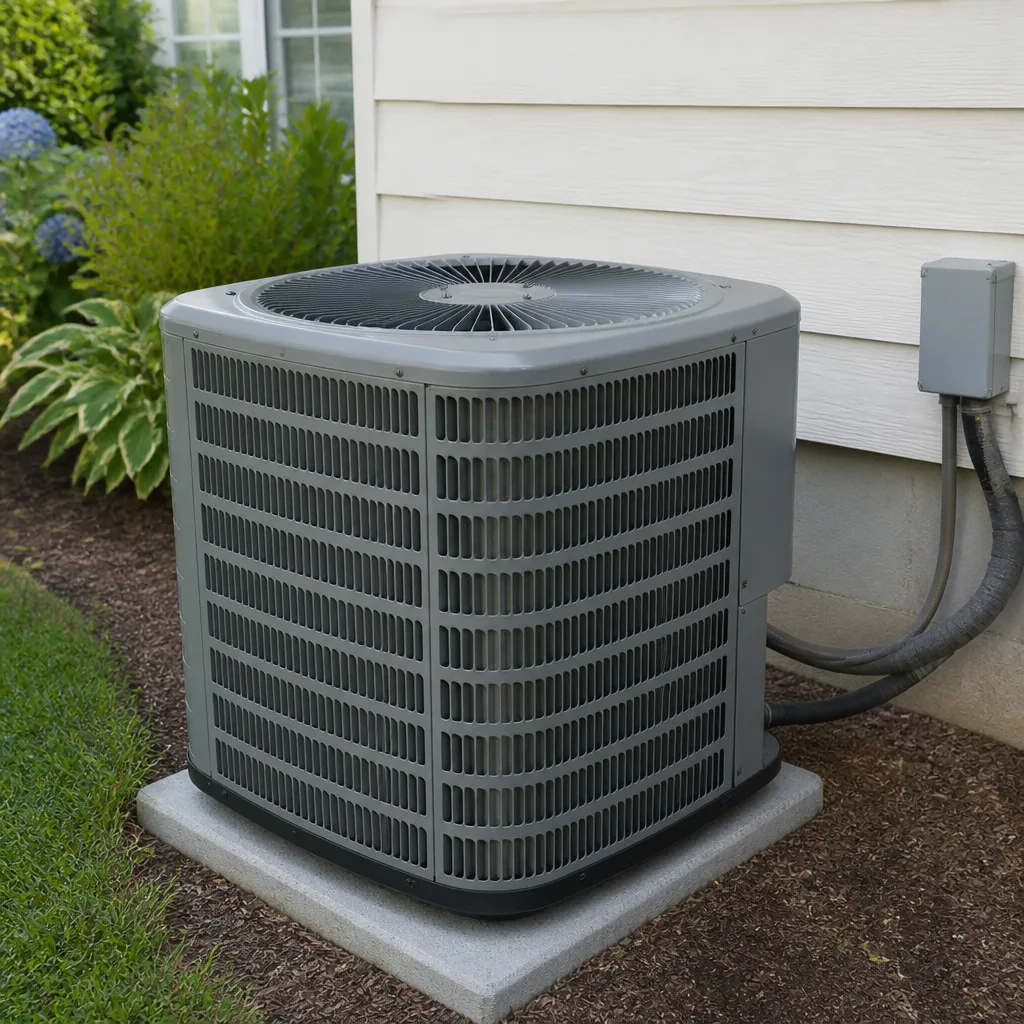 AC repair
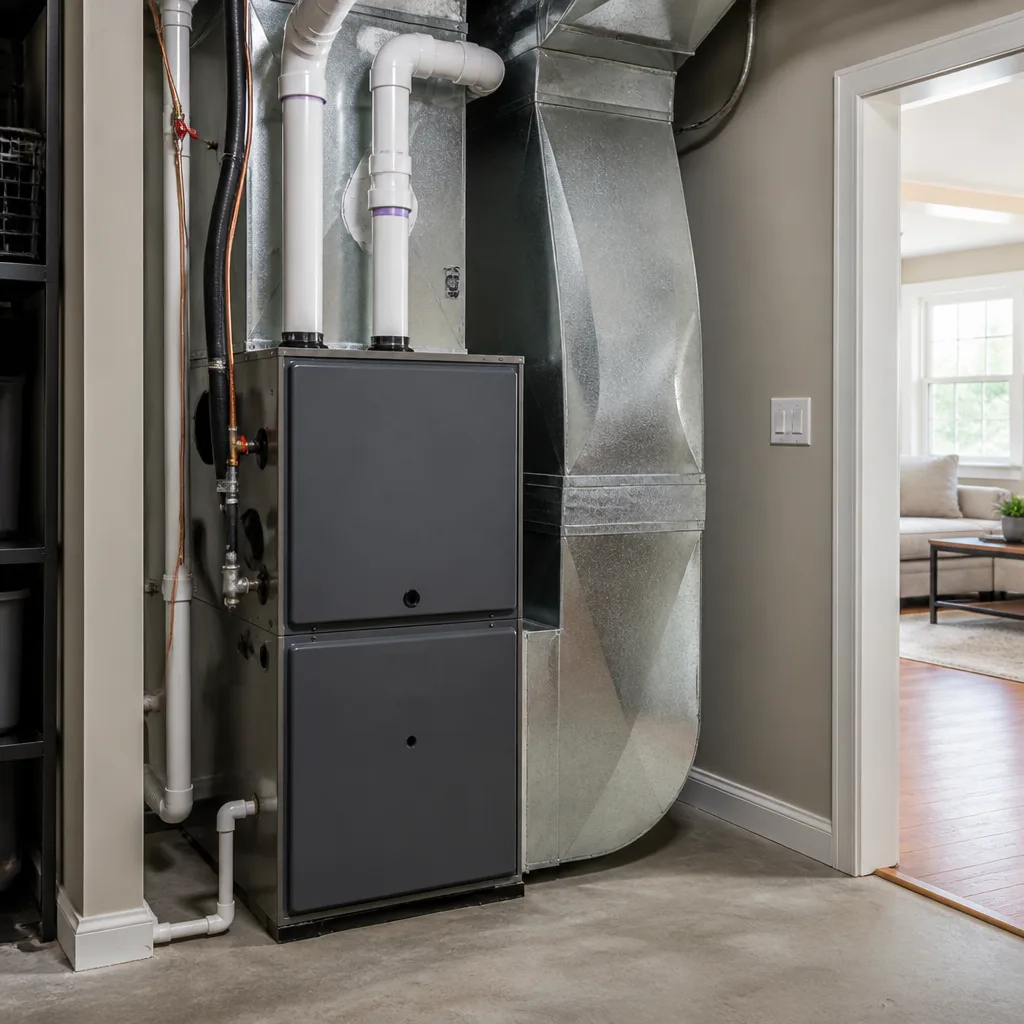 Furnace & heating
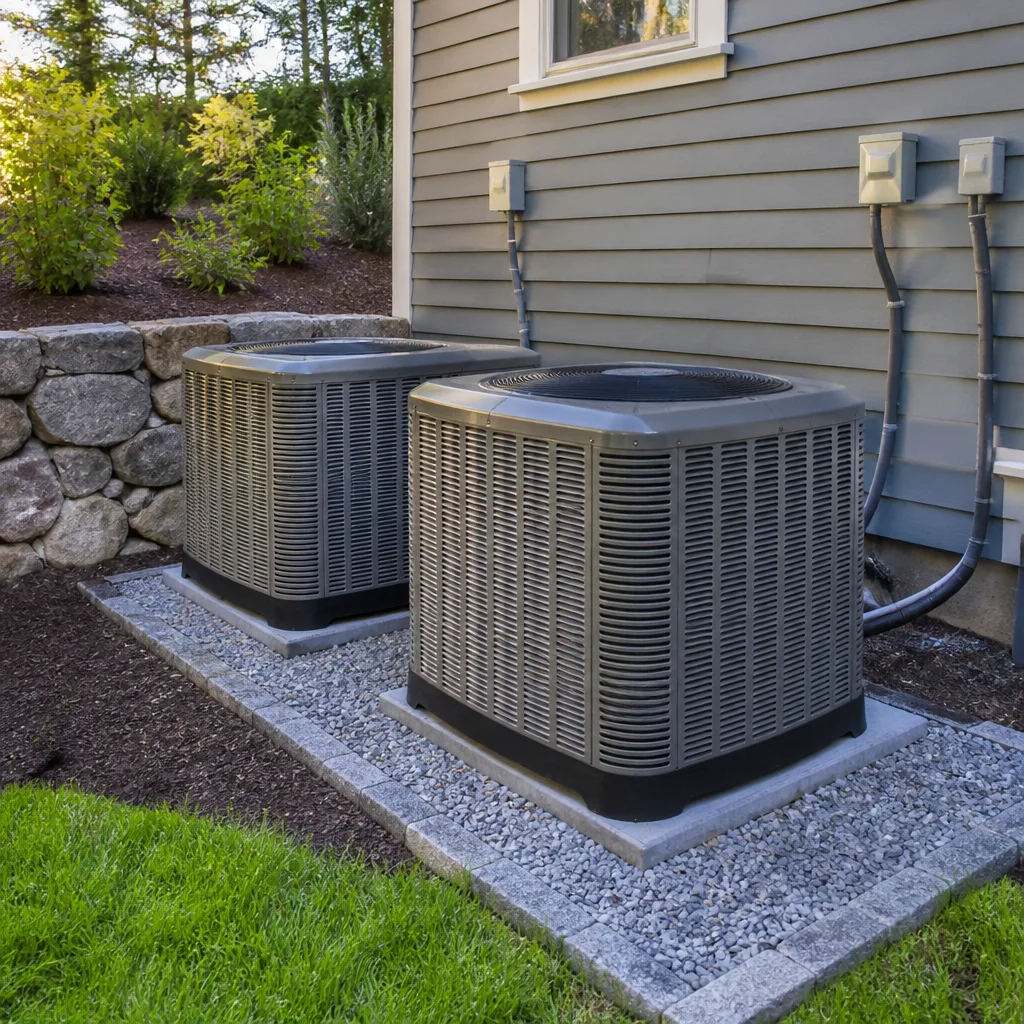 Heat pumps
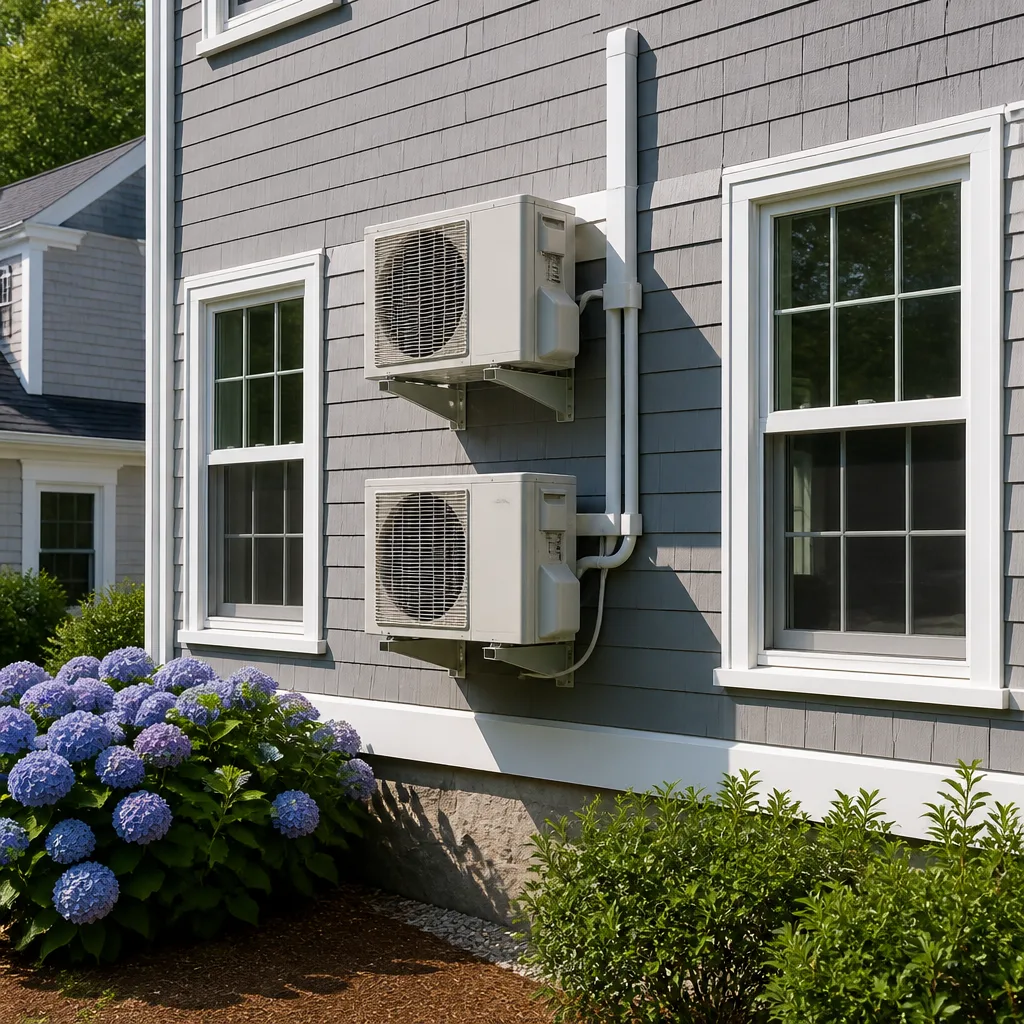 Ductless mini splits
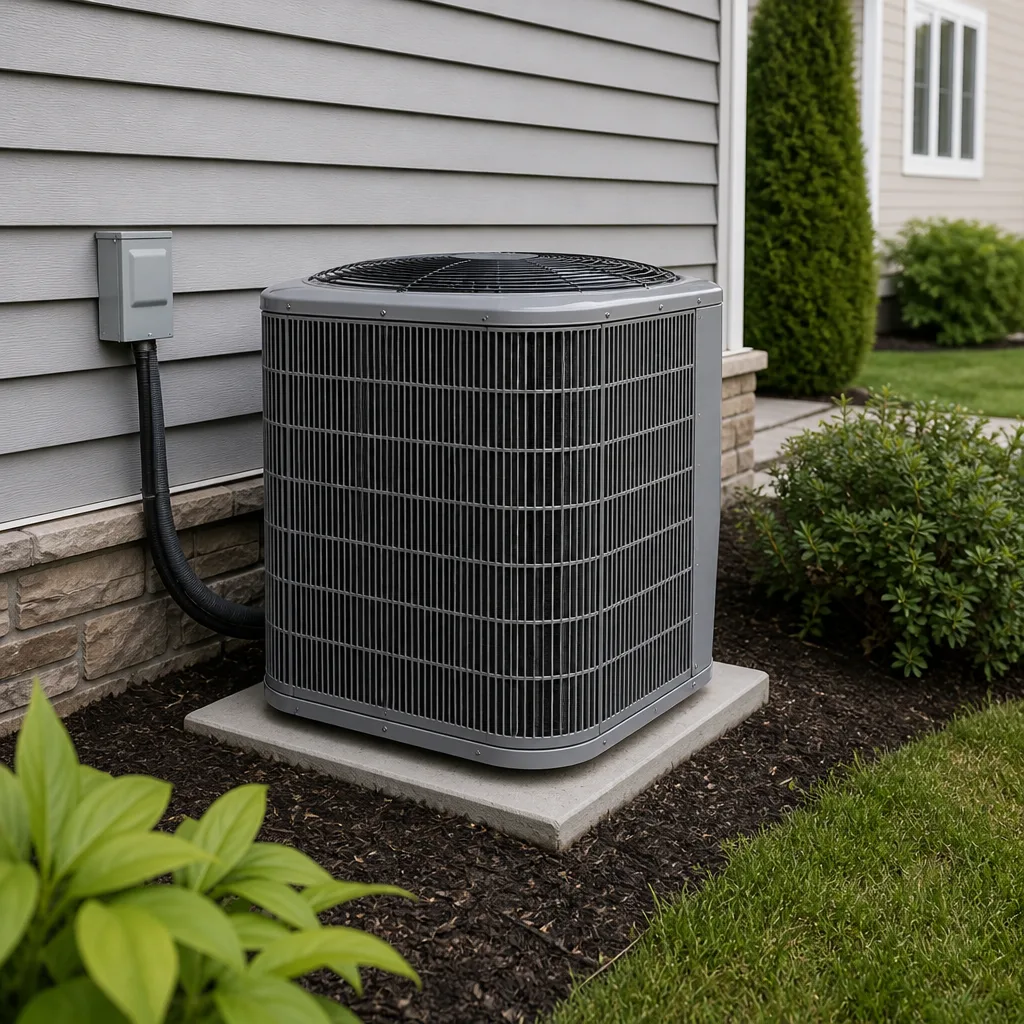 Carrier
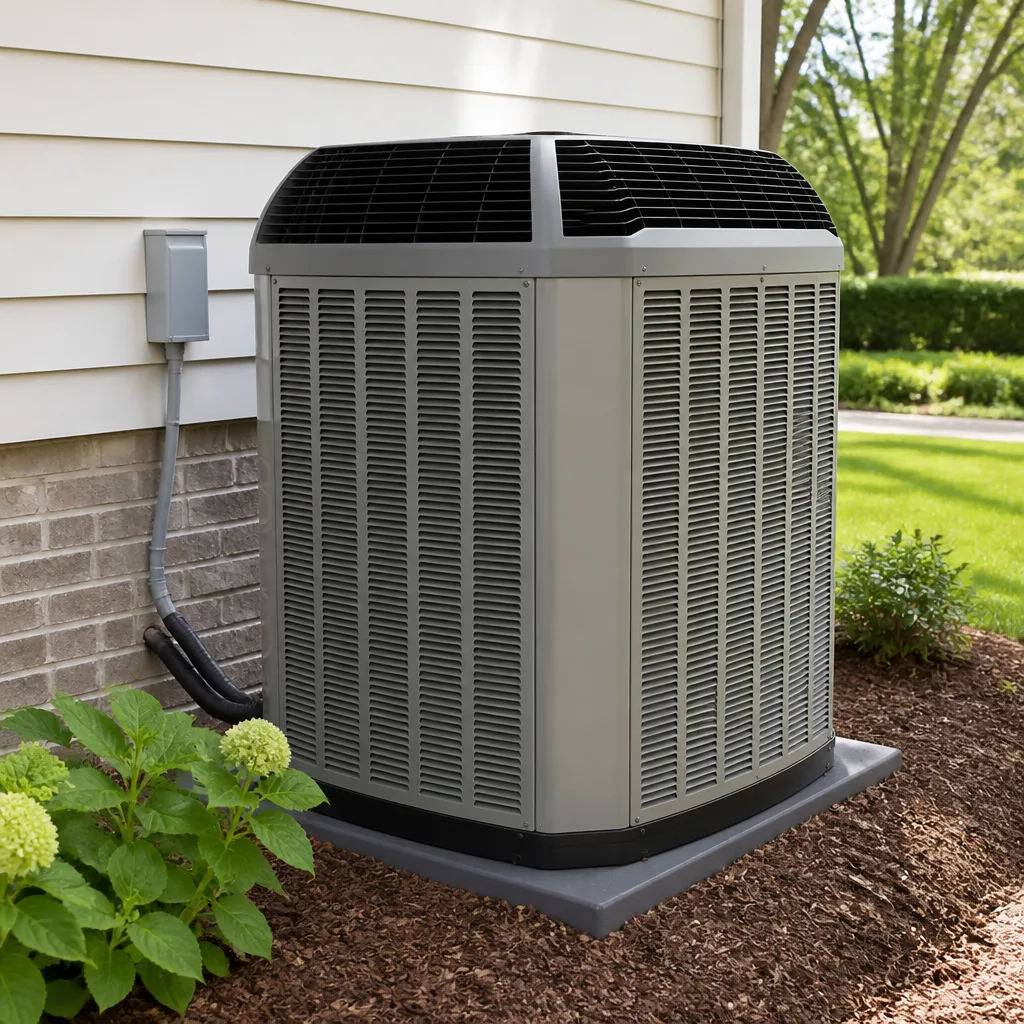 Trane
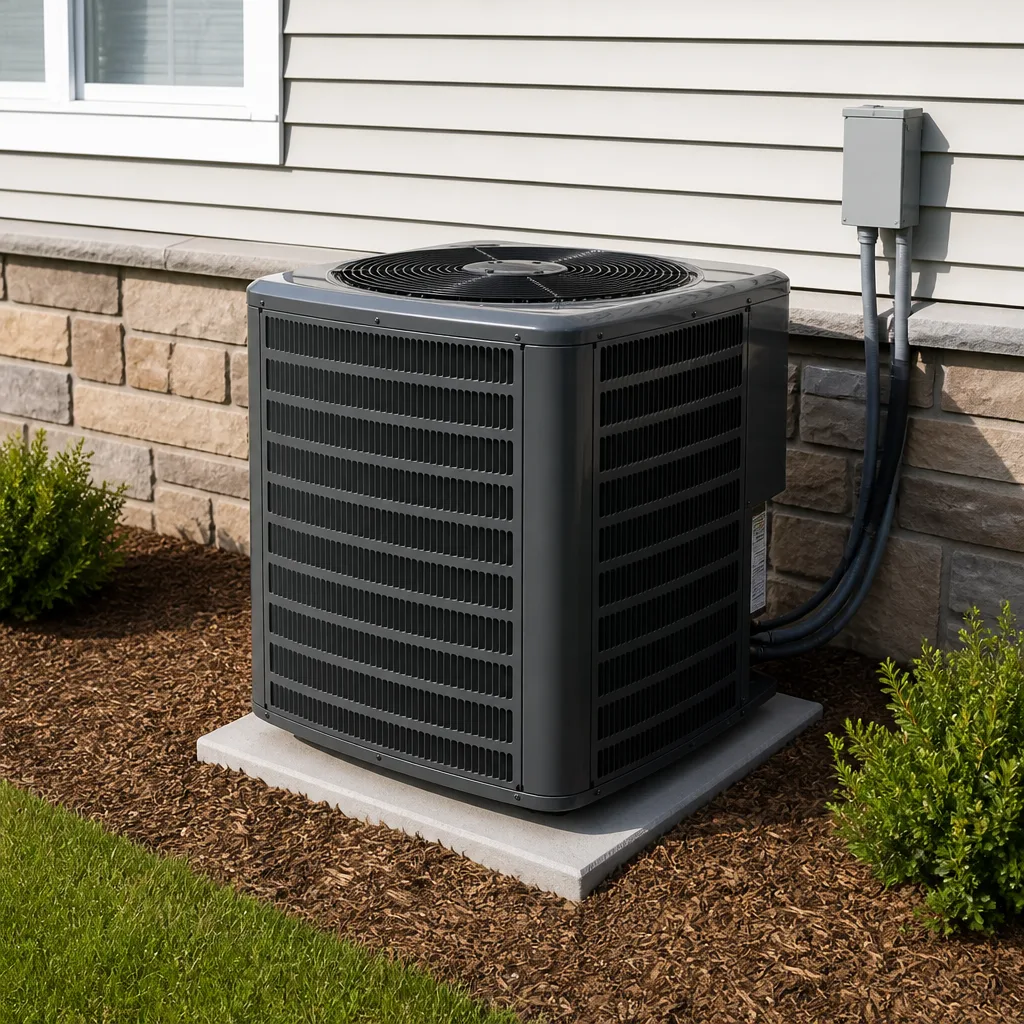 Goodman
Seasonal tune-up and full diagnostic on your Carrier, Trane, or Goodman system - readings shown to you before any repair is proposed
Diagnosis first, numbers second - you approve the repair price before a single part goes in.
Get your free estimateDIY vs Professional HVAC: The Enterprise Homeowner’s Decision Guide
Replacing your own capacitor is legal and straightforward. Touching the refrigerant lines is a federal EPA Section 608 violation that can carry fines up to $44,539 per day. Most DIY guides skip that distinction entirely, and it’s the one that matters most in Enterprise, NV. This guide draws a clear line between what you can safely do yourself and what crosses into licensed-contractor territory under Nevada law. You’ll learn which tasks carry real legal exposure, how a single DIY repair can void a manufacturer warranty months before a bigger failure, and how to confirm a professional repair was actually done right after the technician leaves.
Quick Answer
The DIY-versus-professional question isn’t really about skill level. It’s about legal exposure, warranty survival, and what happens when a repair made in June fails in July with your house at 95 degrees. In Nevada, a homeowner can change filters, swap a thermostat, and flush a condensate drain without a license. Anything involving refrigerant handling, gas lines, electrical panel work, or the sealed refrigeration circuit requires a licensed C-21 contractor. Everything else is a judgment call about risk.
Styles & brands we work with
- AC repair
- Furnace & heating
- Heat pumps
- Ductless mini splits
- Carrier
- Trane
- Goodman
Table of Contents
- What Nevada Law Actually Lets You Do Yourself
- How DIY Voiding a Warranty Actually Works
- The Risk Matrix: Low, Medium, and High
- Discharging a Capacitor Safely: The Step Most People Skip
- How to Verify a Professional Repair Was Done Right
- Why Enterprise’s Climate Makes This Decision Harder
- What DIY Really Saves You, Line by Line
- Before Anyone Walks In: Verifying the Technician
What Nevada Law Actually Lets You Do Yourself
Nevada draws a firm line, and it’s more precise than most homeowners realize. The state licenses HVAC work under the C-21 classification through the Nevada State Contractors Board. C-21 covers the installation, alteration, repair, and maintenance of heating, ventilation, and air conditioning systems. That includes anything that touches refrigerant, combustion, gas piping beyond a simple appliance connection, or the electrical circuits feeding your equipment. In Enterprise, we’ve watched homeowners assume the whole category is off-limits when it isn’t. Filter changes, thermostat swaps, and condensate drain flushing are all legal for you to do yourself.
Here’s what’s clearly on your side of the line:
- Changing air filters. No permit, no license. Pull the old filter, match the size printed on the frame, slide the new one in with the arrow pointing toward the blower.
- Replacing a thermostat. A straight 1:1 swap on low-voltage wiring is legal for a homeowner. Adding a new circuit or running wire into the wall is where it gets murkier.
- Flushing the condensate drain line. In Enterprise’s dry summer, drain lines clog with algae and dust faster than in humid climates, and a vinegar flush is legal, fast, and prevents a costly water overflow.
- Cleaning the outdoor condenser coil from the outside with a garden hose, with the power off.
- Checking and resetting a tripped breaker at the panel.
What crosses the line into C-21 territory:
- Any refrigerant handling. The EPA Section 608 rules are federal, and they don’t care whether you’re a homeowner. Charging, recovering, or evacuating refrigerant without Section 608 certification is illegal, with civil penalties that can climb to $44,539 per day per violation.
- Gas line work. Any modification to a gas line feeding your furnace or water heater requires a licensed contractor and usually a permit.
- Electrical panel work. Adding a circuit for a new condenser or air handler requires a licensed electrician and an inspection.
- Opening the sealed refrigeration circuit. Even if you have the tools, you don’t have the certification.
If you’re unsure which side a specific task falls on, a quick call settles it. Our team at Brandt HVAC Enterprise can tell you plainly whether the job is one you can do or one that requires a licensed contractor.
How DIY Voiding a Warranty Actually Works
Manufacturers don’t void warranties for the whole system when you do something wrong. They deny the specific claim tied to the specific part your action affected. That distinction matters enormously in Enterprise, because a homeowner who changes their own filter every 90 days keeps their warranty intact. A homeowner who adds refrigerant from a can bought online and later has a compressor failure is facing a denial, and the compressor is the expensive part.
Here’s what the fine print actually says on a Carrier, Trane, Lennox, or American Standard residential warranty. The parts warranty covers manufacturing defects for a set period, commonly 5 to 10 years on the compressor. It excludes failures caused by improper installation, improper service, refrigerant contamination, and any work performed by someone not licensed to perform it. The word “improper” gets interpreted by the manufacturer’s claims adjuster, not by you, when a claim is filed. That is the practical problem with DIY on the sealed system: even if your repair worked, if a later failure traces back to it, the manufacturer gets to say no.
The three actions that most commonly trigger a warranty denial down the road:
- Adding refrigerant without recovering the system first. Mixing refrigerant types or introducing air and moisture contaminates the system. Months later, a compressor failure gets denied because the adjuster sees evidence of the contamination.
- Replacing a capacitor with an underrated or wrong-spec part. A cheap generic capacitor that fails in six weeks and takes the compressor with it is a denial waiting to happen.
- Bypassing the low-voltage safety switch. Jumpering a float switch to stop a nuisance shutoff is a common homeowner move. When the drain eventually overflows and damages the ceiling or the air handler, the claim is denied.
The warranty survival rule is simple: anything that touches refrigerant, the sealed circuit, the combustion path, or the electrical supply is professional territory. Anything that stays outside the equipment is fair game for a careful homeowner.
The Risk Matrix: Low, Medium, and High
Here’s how we’d sort common HVAC tasks by what actually goes wrong when they go wrong. Every task in the low column is a job you can safely do this weekend. Every task in the high column requires a licensed professional, and the reasoning isn’t about whether you’re capable. It’s about what the failure looks like when it happens.
Low risk (safe for a homeowner):
- Changing a 1-inch or 4-inch air filter. In Enterprise, with our dust and wind, a filter can load up in 60 days even on a good filtration setup.
- Replacing a thermostat on existing low-voltage wiring.
- Flushing the condensate drain with vinegar or a wet/dry vac.
- Cleaning debris off the outdoor condenser coil.
- Checking that the outdoor disconnect switch is on (a surprising number of no-cool calls in Enterprise are this exact thing).
Medium risk (attempt with documented steps, but know when to stop):
- Replacing a run capacitor. Legal, common, and inexpensive. Requires discharging the capacitor before you touch it, matching the microfarad rating exactly, and killing the breaker at the panel. Get any of those wrong and you’re either in the ER or buying a compressor.
- Replacing a blower motor. Legal for a homeowner, but the wiring harness and mounting brackets are model-specific. Order the wrong one and you’ve wasted a weekend.
- Replacing a contactor. Same idea. Straightforward once you’ve done it, unforgiving if you haven’t.
High risk (professional only):
- Any refrigerant work, including recharge, leak detection, and recovery.
- Compressor replacement.
- Gas line work, including furnace valve replacement and combustion tuning.
- Anything behind the electrical panel.
- Evaporator coil replacement, which requires opening the sealed system, brazing, and a full evacuation and recharge.
- Diagnosing an intermittent failure that only shows up when the outdoor temperature climbs past 105, which is exactly when you can’t wait for a callback.
If you’re staring at a task in the high column, our team at AC Repair in Enterprise handles the whole category, and a written price comes before any work starts.
Discharging a Capacitor Safely: The Step Most People Skip
The one DIY repair most homeowners skip is also the one that sends people to the ER: discharging the capacitor before touching it. A run capacitor holds a charge even after you’ve killed the breaker. It’s the electrical equivalent of a loaded spring. The charge is real, it’s stored, and it will find you if you don’t discharge it properly. This is the single most consequential safety step in any DIY HVAC task, and it’s covered in one line of most online guides.
Here’s the sequence, and pay attention to where the danger actually sits. We’re describing how the discharge works, not coaching you through a repair, because a mistake here is genuinely dangerous.
- Turn off the breaker at the panel and confirm it’s off, then pull the outdoor disconnect.
- Wait five minutes. Capacitors hold their charge, and the internal bleed resistor (present on some but not all parts) needs time.
- Locate the terminals. Look for the “HERM,” “FAN,” and “C” labels on a dual-run capacitor.
- Short the terminals to ground using an insulated screwdriver with a properly insulated handle, touching from one terminal to another, with a metal blade bridging the gap. You’ll see or hear a small pop if the capacitor was holding charge.
- Repeat for each terminal pair. Once per pair, no shortcuts.
- Verify with a multimeter set to DC volts, which should read near zero before you handle the part.
That sequence is where most DIY guides stop. The part they leave out is that the capacitor’s job is to store enough energy to start a compressor that draws 20 to 40 amps on startup. That stored energy is measured in microfarads, not in the thousandths of an amp that trips a heart rhythm. We’ve seen the aftermath, and it isn’t a small burn. If you don’t own the insulated screwdriver and the multimeter, you don’t own the tools to do this job safely. That’s a legitimate reason to call us instead, and it’s not a reason to skip the discharge step.
How to Verify a Professional Repair Was Done Right
You don’t need a technician’s trade school diploma to know whether a repair worked. There are three outcomes you can confirm yourself after any technician leaves, and if all three check out, the repair is likely sound. If any one of them doesn’t, that’s your signal to call back before the guarantee period expires.
One: the temperature split. After a repair or tune-up, measure the air temperature at the return grille and again at the closest supply register, with the system running for 15 minutes. A healthy split on a properly charged system sits around 15 to 22 degrees Fahrenheit. If you’re seeing 8 or 10, something’s still off.
Two: the cycle behavior. Watch the system through one full run cycle. A properly repaired system runs continuously until the thermostat hits setpoint, then shuts off cleanly. A system that short-cycles, meaning it runs for 3 or 4 minutes and shuts down before reaching setpoint, has an unresolved problem.
Three: the sound and the water. Listen at the outdoor unit for a clean, steady hum without rattling, clanging, or a clicking that repeats on a short interval. Then look at the condensate drain and the pan under the indoor unit. Dry pan, steady drip to the drain line, no pooling. If the pan has water in it, the drain isn’t flowing.
Any one of those failing is worth the second visit. Our technicians don’t argue about it, because the guarantee we write on every repair is specific: this repair is guaranteed for 365 days, and if it fails within that window, we return at no charge under the 365-Day Done Right Promise. That’s the standard, and it’s stated in writing before any work starts.
Why Enterprise’s Climate Makes This Decision Harder
Enterprise sits in the Mojave, and the desert changes the math on DIY. Summer afternoons run past 105 degrees regularly, which means a system that’s offline for a home repair isn’t just uncomfortable, it’s a health risk for older homeowners and families with young kids. The heat pushes equipment harder and shortens the window between “the capacitor is getting weak” and “the compressor has failed.” That’s the reason we see so many of these calls in July and August in Enterprise: a homeowner got through June with a marginal repair, and the first real heat wave caught up to it.
The dust is the other issue. Enterprise wind throws fine particulate through the air at a rate that clogs filters faster than the manufacturer’s “every 90 days” guidance assumes. On a system in the newer neighborhoods off the southern edge of Enterprise, we’ve seen filters load up in 45 to 60 days during a windy spring. Clogged filters restrict airflow and force the system to run longer cycles, which is the exact condition that turns a small capacitor problem into a compressor failure. On the other hand, the low desert humidity means condensate drain overflow is less common than in other markets, so you’re less likely to face a water-damage claim from a jammed float switch. It happens here, but not at the rate we see in wetter climates.
The practical takeaway for an Enterprise homeowner: the low-DIY-end of the list (filters, drains, coils) is worth doing on a tighter schedule than the manufacturer suggests, because the local conditions push them to fail faster. The high-DIY-end (anything in the sealed system) is worth taking to a professional sooner than you think, because the desert doesn’t give you the luxury of waiting for the next pay period.
What DIY Really Saves You, Line by Line
Here’s a fair comparison, in real dollars, between common HVAC jobs done yourself versus done by a licensed professional. The numbers assume a standard residential system in an Enterprise home, and they include parts and labor on the professional side.
- Filter change. DIY: $15 to $45 for the filter. Professional: $40 to $90 installed, and usually part of a AC Maintenance in Enterprise visit. DIY wins on this one easily.
- Thermostat swap. DIY: $80 to $250 for the thermostat. Professional: $190 to $400, because the technician has to verify the wiring and confirm the system reads correctly afterward. DIY saves $100 to $200 if the wiring is already there.
- Condensate drain flush. DIY: $5 to $10 for a gallon of white vinegar. Professional: $85 to $150 as a standalone visit, often less inside a maintenance call. DIY wins, and it’s the single best preventative task in the list.
- Run capacitor replacement. DIY: $15 to $40 for the part. Professional: $150 to $300 installed, because a technician also tests the compressor start circuit and confirms the new capacitor’s rated correctly. DIY saves the labor, but only if you have the discharge tools and match the microfarad spec.
- Igniter replacement. DIY: $25 to $50 for the part. Professional: $150 to $300 installed, with the combustion check that comes with it. In our experience, most furnace igniter replacements land in that range. DIY is doable but the safety stakes are higher with gas.
- Refrigerant recharge. DIY: illegal under Section 608. There’s no legitimate comparison. Professional only, $250 to $600 depending on refrigerant type and the size of the charge.
- Compressor replacement. DIY: not legal, not realistic, not safe. Professional: $1,500 to $3,200, and often the point at which replacement of the whole system becomes the better financial decision.
Notice the pattern. The DIY savings on the low-risk tasks are meaningful, and the work is genuinely safe to do yourself. The DIY savings on the high-risk tasks are either illegal or disappear the moment something else fails. You don’t want to be the homeowner who saved $200 on a capacitor and paid $2,400 for a compressor nine weeks later, and the warranty claim that would have covered the compressor was denied because of the DIY install.
Before Anyone Walks In: Verifying the Technician
One more decision point that belongs in this guide, and it’s the one most guides skip entirely: verifying who is at your door before you open it. If you’re home alone, or you have young kids in the house, the identity of the technician matters as much as the technical work. The Threshold Verified standard exists to close that gap. Every technician we send is background-checked and identity-verified, and you have their name and photo in hand before they arrive. When they knock, they show a photo ID badge at the door. If anyone arrives who you weren’t told to expect, that visit is on us, and we make it right.
Here’s a quick checklist for anyone hiring a professional HVAC contractor in Enterprise, whether they’re on the Threshold Verified standard or not:
- Get the technician’s name and photo before arrival. A reputable company should offer this without hesitation.
- Confirm the price in writing before any work begins. Not a verbal estimate. A written price.
- Confirm the guarantee in writing. It should state exactly what’s covered and for how long, on paper.
- Ask about the free return policy if the repair fails. If they don’t have one, that tells you something about the confidence they have in the work.
- Call the office and confirm the dispatch if the name doesn’t match what you were told.
The trouble with an anonymous technician isn’t just a security risk. It’s also a warranty issue. A company that can’t tell you who’s coming to your door can’t tell you who performed the repair six months later, when you need to know for the paperwork. Both problems get solved by the same standard.
Common Mistakes to Avoid
- Jumpering a safety switch. Bypassing the float switch to stop a nuisance shutoff is the most common homeowner workaround we see, and it’s the one that causes ceiling damage when the drain finally overflows. A float switch that trips is doing its job.
- Buying a capacitor at a big-box store without checking the microfarad rating. The label on the side of the capacitor matters. A 35/5 isn’t interchangeable with a 25/5, even if they look identical.
- Skipping the discharge step. This is the mistake we see most in the aftermath of emergency-room visits tied to HVAC DIY. A charged capacitor can knock you off a ladder, and the ladder fall is often worse than the shock.
- Adding refrigerant from a can. Besides the Section 608 violation, most “recharge” cans sold online are blended refrigerants that contaminate the system and can void the manufacturer warranty on the compressor, which is the most expensive part of the system.
- Waiting for the first heat wave to call. In Enterprise, the first 105-degree week of the year is when every HVAC company in the valley gets slammed. A marginal capacitor diagnosed in April is a $150 repair. In July, it’s a $2,000 compressor failure with a same-day call you probably can’t get.
- Trusting a quote given over the phone without a written price. HVAC repairs don’t lend themselves to phone quotes, because the actual fault shows up on-site. Any company that gives you a firm number before seeing the equipment is either guessing or planning to change the price once they arrive.
- Not verifying the technician’s identity. It’s not a courtesy, it’s a standard. If a company can’t tell you who’s coming to your door, that’s your answer.
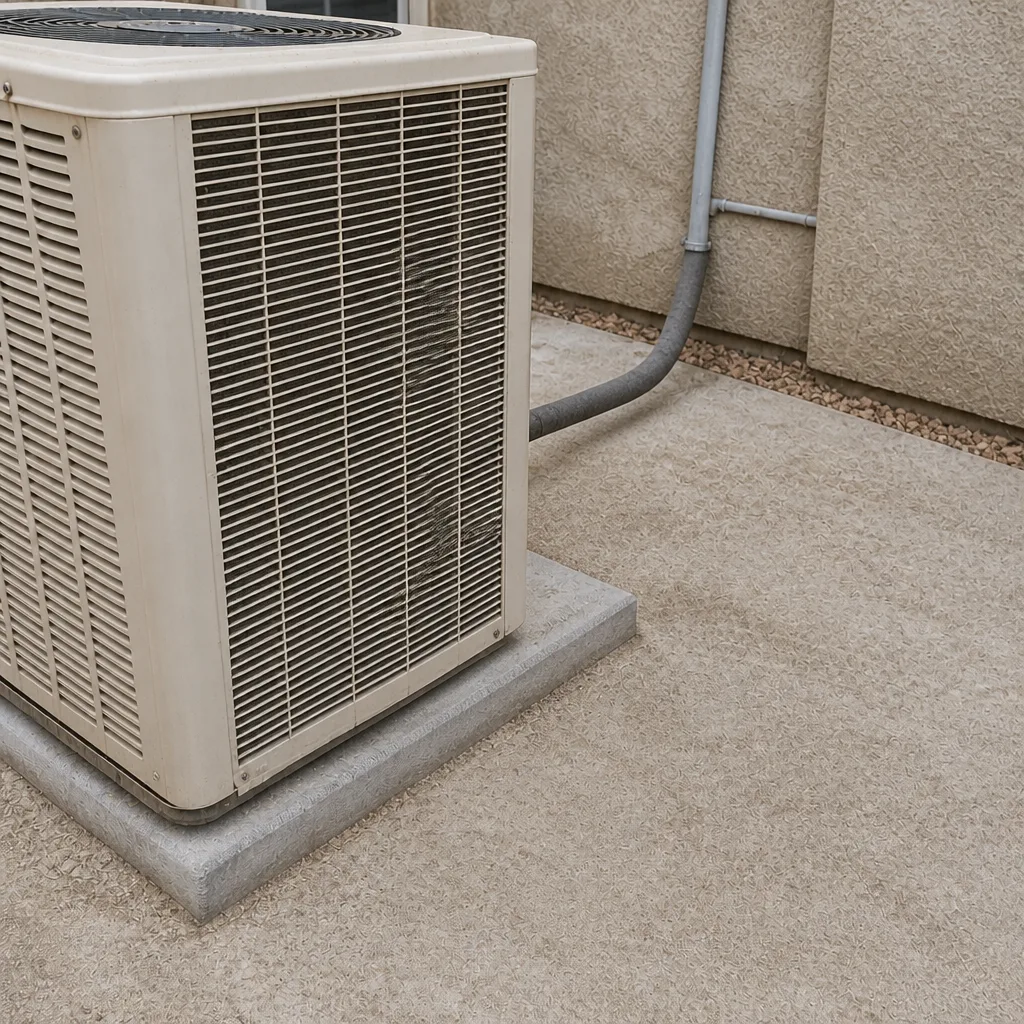
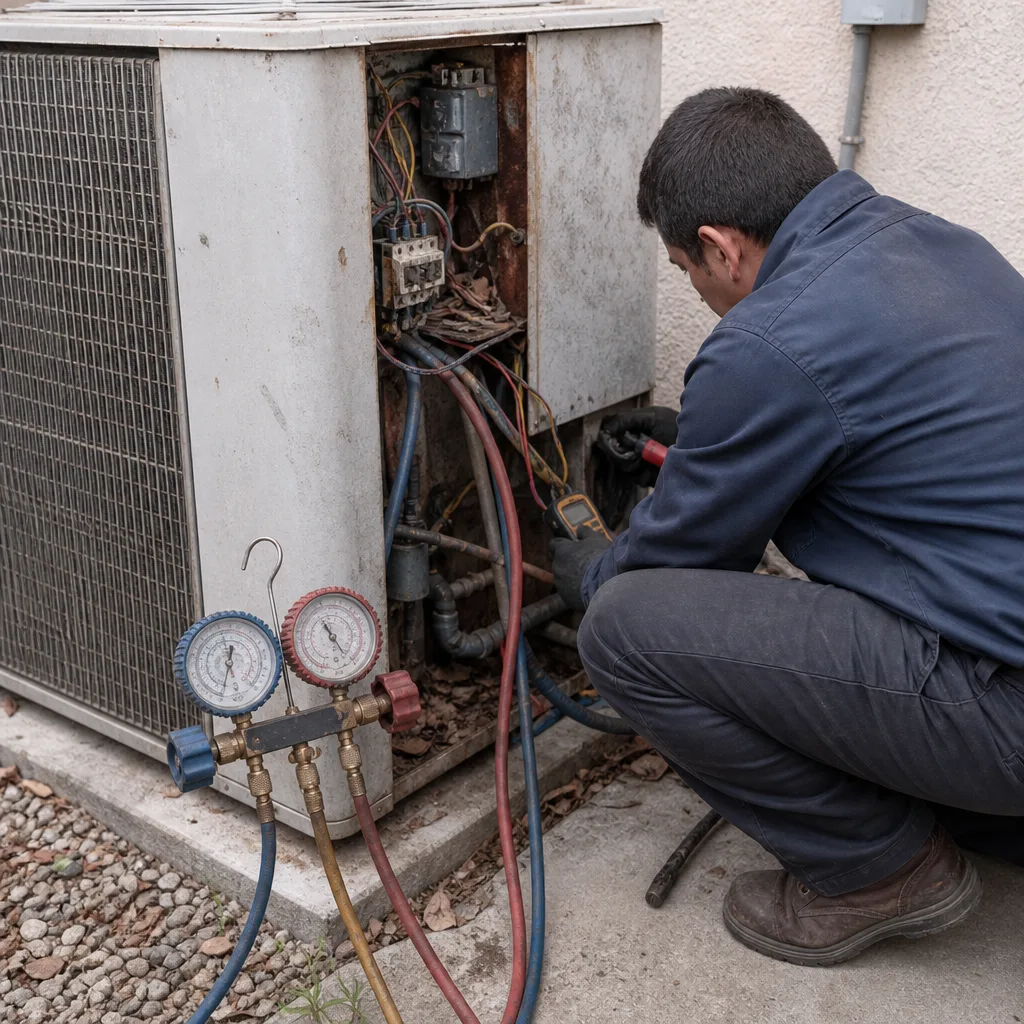
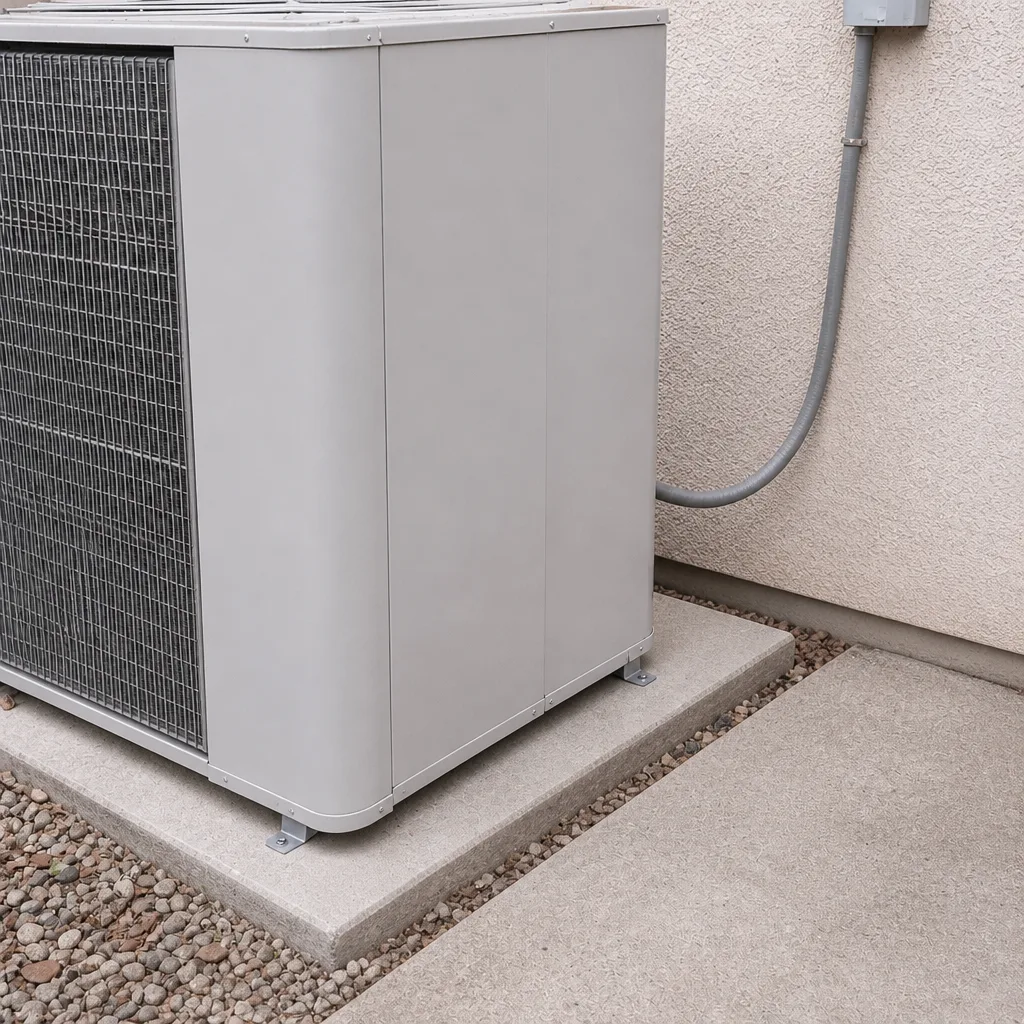
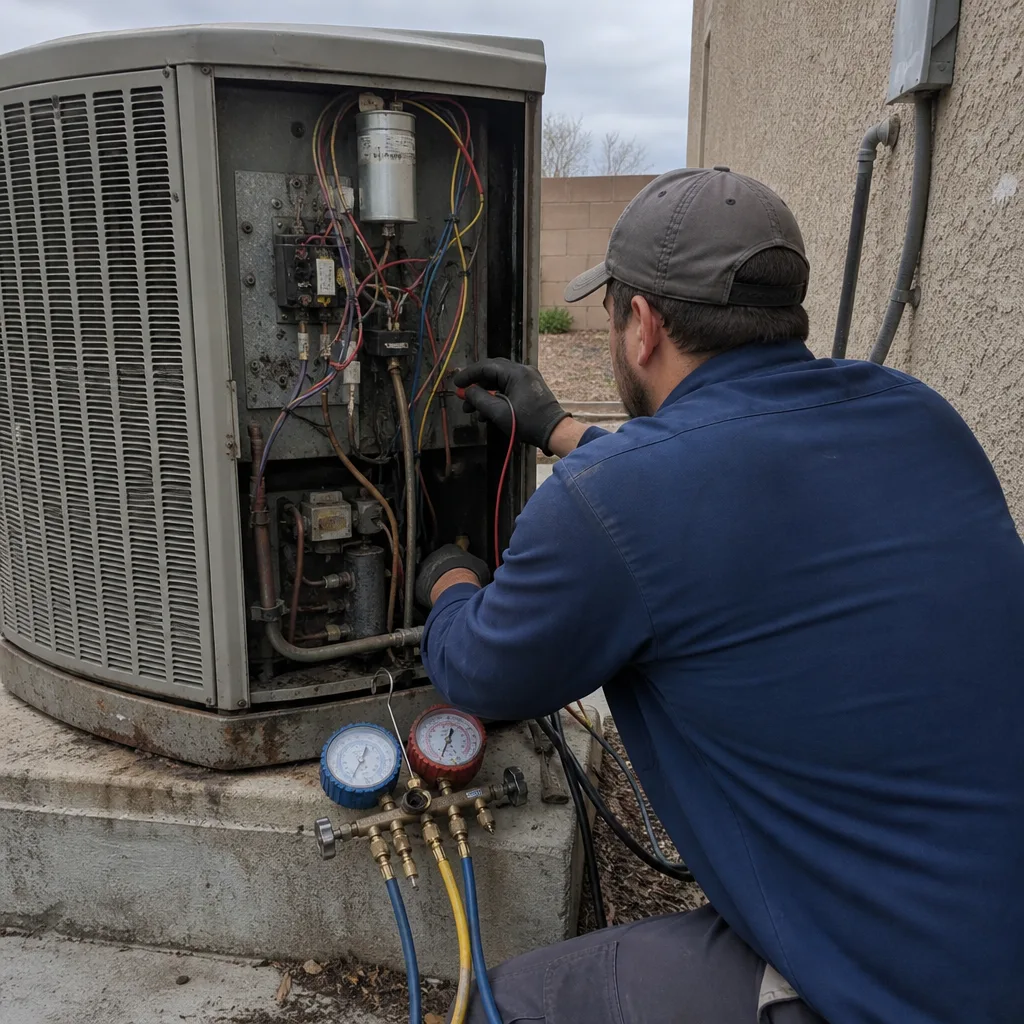
See the difference
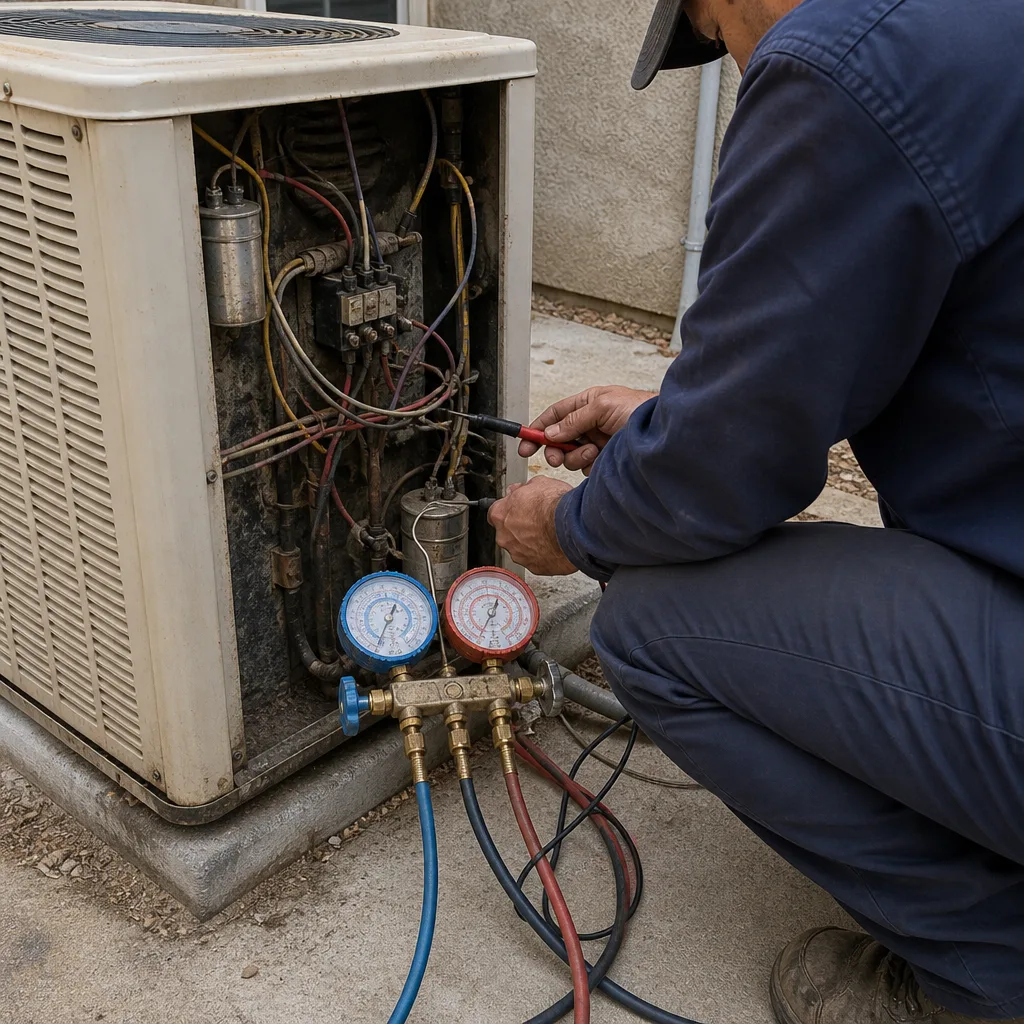 Before
 After
 Before
 After
 Before
 After
When to Call a Professional
Call a professional if the repair touches refrigerant, gas, or the electrical panel, if the thermostat shows an error code you can’t match to the manual, if the outdoor unit is cycling on and off in a short pattern, or if you’re a homeowner who isn’t comfortable with the discharge sequence on a capacitor. Call a professional if your system is more than 12 to 15 years old and the failure is one of several this season, because the repair-versus-replace math has tipped and a DIY fix is throwing good money after a system that’s near the end of its working life. Call a professional if it’s a 110-degree afternoon and someone in the house is older or young enough that being without cooling is a health issue, not a comfort issue. Brandt HVAC Enterprise offers free estimates in Enterprise, and a live person answers the phone 24 hours a day at (844) 797-9490, including nights, weekends, and holidays. Every job starts with a written price, so you’ll know the cost before anyone touches the system.
Frequently Asked Questions
Yes, replacing a run capacitor in your own home is legal in Nevada. Homeowners are permitted to perform maintenance and repair on their own equipment as long as the repair doesn’t involve refrigerant handling, gas line modification, or work inside the electrical panel. The tricky part isn’t the legality, it’s the discharge step: a run capacitor holds a stored charge after the breaker is off, and discharging it safely requires an insulated tool and a multimeter. If you don’t have both, call (844) 797-9490 for a written price instead.
No. Replacing your own air filter is a routine maintenance task that does not void a manufacturer warranty on any major brand, including Carrier, Trane, Lennox, and American Standard. In fact, keeping your filter clean is one of the best ways to protect the warranty, because a clogged filter restricts airflow and can contribute to the compressor failures that manufacturers deny warranty claims for. Change the filter every 60 days in Enterprise during dust season.
The EPA’s Section 608 regulations impose civil penalties that can reach up to $44,539 per day per violation for improper refrigerant handling. That covers venting refrigerant, charging a system without certification, and recovering refrigerant without the correct equipment. This is why refrigerant recharge is professional-only, and why most recharge calls run $250 to $600 for a standard residential system. Call (844) 797-9490 for a free estimate on a proper recharge.
Repair is usually the better call if the system is under 12 years old and the failure is a single component, like a capacitor or a contactor. Replacement starts to make more sense when the system is past 15 years, when the repair cost exceeds about a third of replacement, or when a second major failure hits within one cooling season. Our team walks through both numbers in writing before you decide. Call (844) 797-9490 and we’ll give you a written price for both paths.
Yes, and this is the specific scenario that makes DIY on the sealed system risky in Enterprise. A marginal DIY repair made in June often survives until the first 110-degree week in July, when it fails with the house at 95 degrees and every company in the valley is booked. Common examples in Enterprise include underrated capacitors that fail under summer load and jumpered safety switches that let the drain overflow. A repair done under the 365-Day Done Right Promise removes that risk, because if it fails within 365 days, we return at no charge.
You should receive the technician’s name and photo before they arrive. Under the Threshold Verified standard, every technician is background-checked and identity-verified, and they show a photo ID badge at the door when they knock. If anyone arrives who you weren’t told to expect, that visit is on us and we make it right. If a company can’t tell you who’s coming to your door, that’s a reason to call someone else. Call (844) 797-9490 and we’ll confirm the name and photo before dispatch.
The Bottom Line
The DIY-versus-professional decision in Enterprise comes down to a clean line. Filters, thermostats, and condensate drains are fair game and worth doing on a tighter schedule than the manufacturer suggests, because the desert pushes them to fail faster. Anything that touches refrigerant, gas, or the electrical panel is a C-21 licensed job, and the reason isn’t that you’re incapable, it’s that the penalties are steep and the failure mode is expensive. If you’re on the fence about a capacitor or a contactor, the discharge step alone is the honest dividing line. If you own the tools, go ahead. If you don’t, call. Every job at Brandt HVAC Enterprise starts with a written price, and a live person answers the phone 24 hours a day.
Call (844) 797-9490 for a free estimate. We’ll tell you what’s a DIY job and what isn’t, in plain language, before anyone opens a toolbox. For a full picture of everything we handle, start with the Brandt HVAC Enterprise home page, or go straight to Furnace Repair in Enterprise if the problem is on the heating side.
Written by the team at Brandt HVAC Enterprise.