
Last updated November 17, 2026
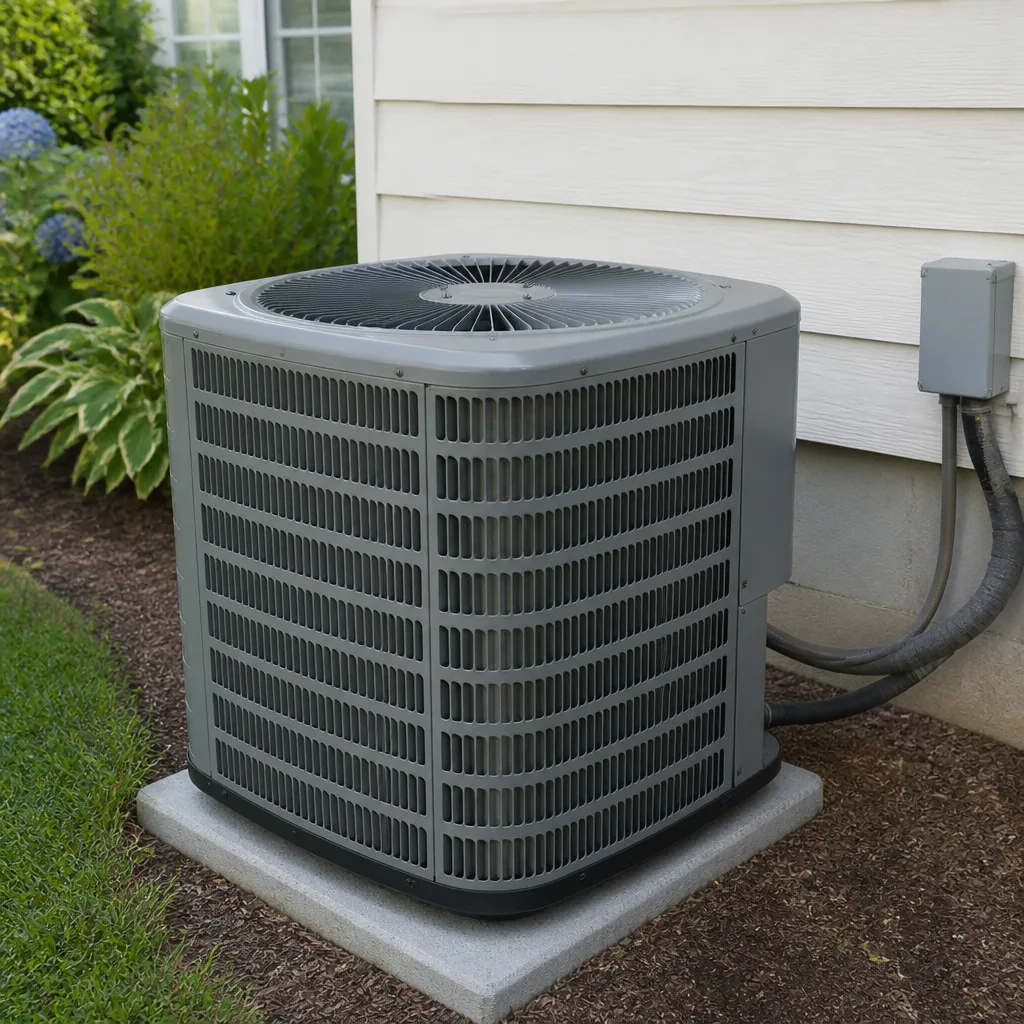 AC repair
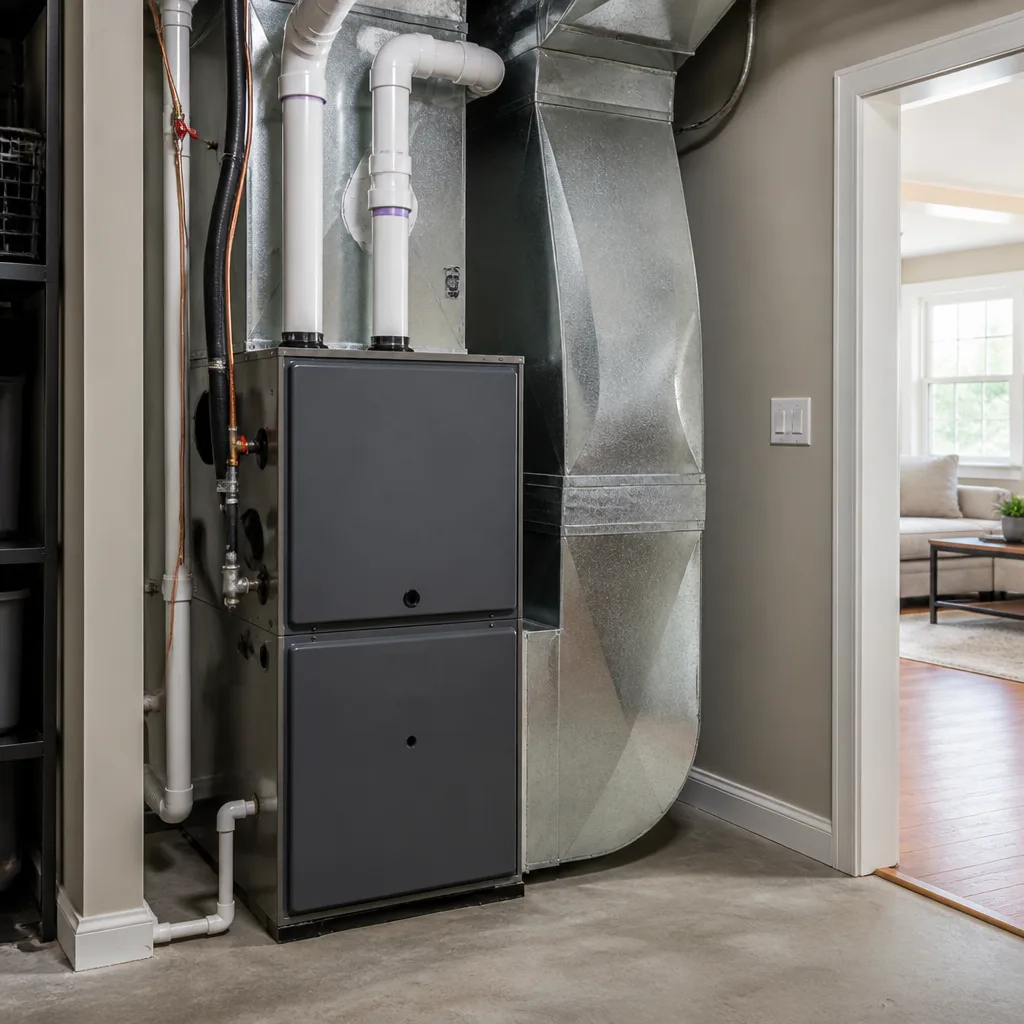 Furnace & heating
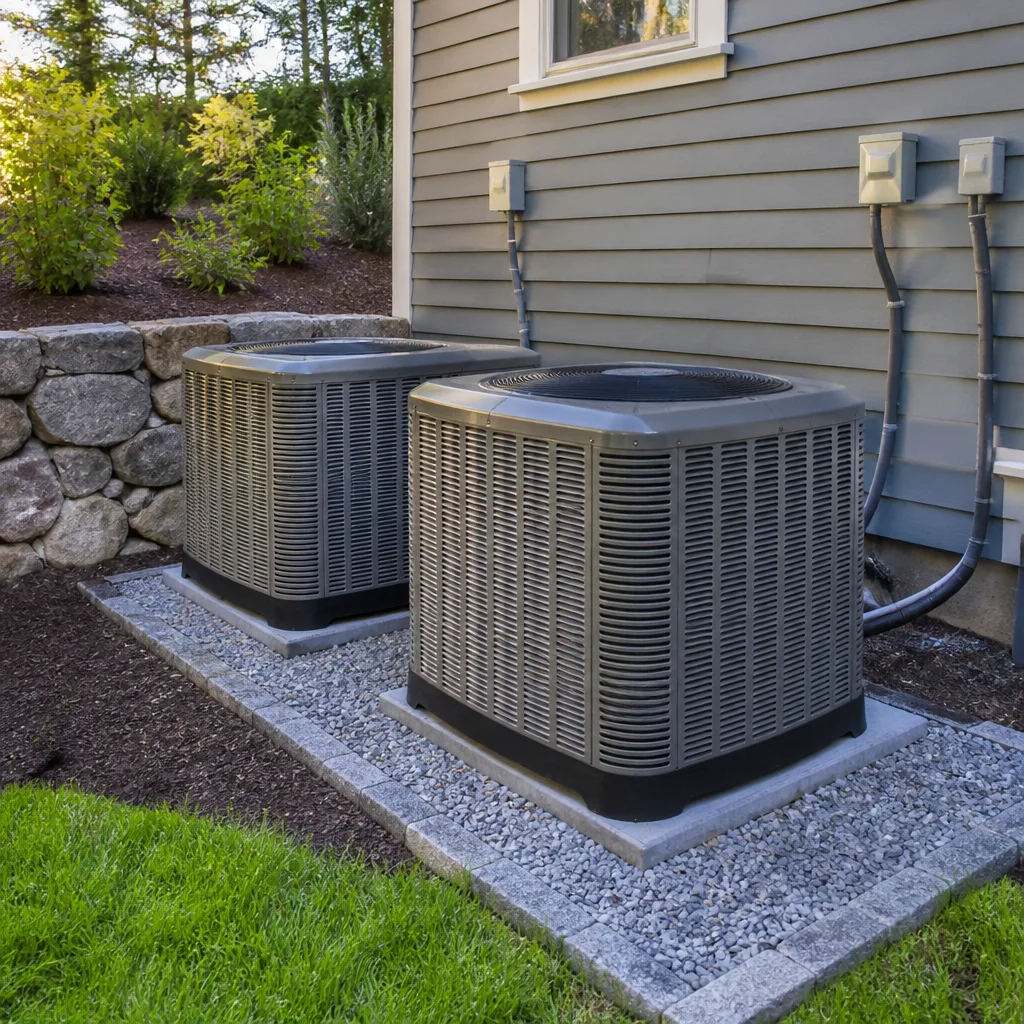 Heat pumps
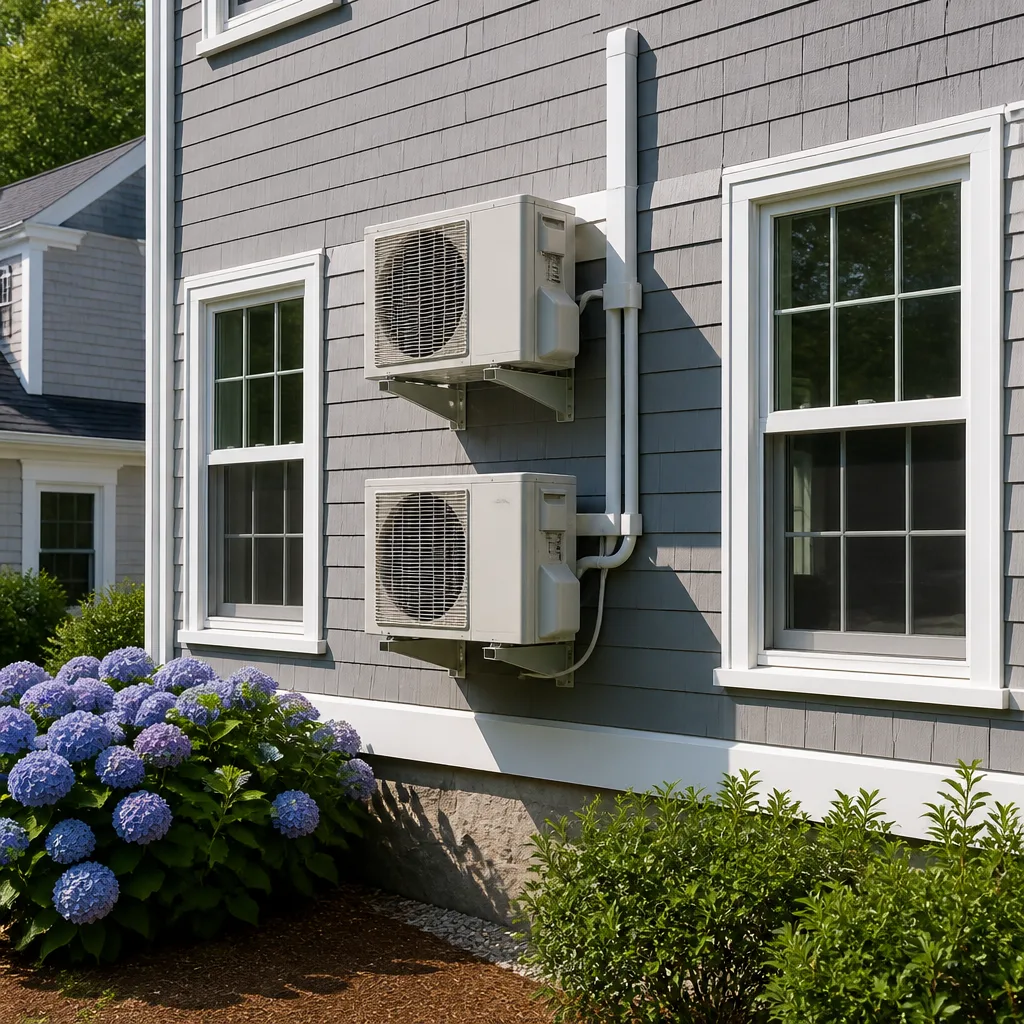 Ductless mini splits
 Carrier
 Trane
 Goodman
Seasonal tune-up and full diagnostic on your Carrier, Trane, or Goodman system - readings shown to you before any repair is proposed
Diagnosis first, numbers second - you approve the repair price before a single part goes in.
Get your free estimateDIY vs Professional AC Repair: What’s Safe to Do Yourself
Replacing a capacitor looks like a YouTube tutorial. Two wires, a metal cylinder, ten minutes. Then the compressor fails six weeks later, and you learn two things: the repair shop won’t honor the warranty because the system was opened by someone without a license, and the fix you were quoted at $180 is now a $2,400 compressor replacement. That’s the gap most DIY advice ignores. This guide sorts every common AC task by what happens if you get it wrong, not by how hard it looks. We’ll cover the handful of jobs you can safely do this weekend in Enterprise, the ones that carry legal exposure, and how to vet someone before they touch your system.
Quick Answer
You can safely replace air filters, clear a condensate drain line, straighten bent coil fins, and swap a thermostat yourself. Everything else – refrigerant, capacitors, compressors, electrical diagnostics, anything that requires opening the sealed refrigerant circuit – is a job for a licensed technician, both because the failure risk is high and because handling refrigerant without EPA 608 certification is illegal. The right question isn’t “can I do this,” it’s “what does being wrong cost me.”
Styles & brands we work with
- AC repair
- Furnace & heating
- Heat pumps
- Ductless mini splits
- Carrier
- Trane
- Goodman
Table of Contents
- Why the DIY Debate Is Asking the Wrong Question
- Task-by-Task: Skill, Tools, Warranty, and Failure Risk
- Four Jobs You Can Safely Do Yourself
- The Legal Line: Refrigerant and EPA 608 in Nevada
- Why Watching a Repair Once Doesn’t Qualify You
- How to Vet a Technician Before They Touch Anything
- Common Mistakes to Avoid
- When to Call a Professional
Why the DIY Debate Is Asking the Wrong Question
Most DIY-or-hire content sorts tasks by difficulty. Air filters are easy, compressors are hard. That’s a beginner’s framework, and it leads people into bad calls. Difficulty tells you whether you can finish the job. It doesn’t tell you what happens if the job fails six weeks later, in July, on a Friday, when your house is 94 degrees inside and the inside unit won’t start.
We’ve seen what the wrong framework costs. In our experience across Enterprise, the expensive mistakes almost never come from a task being “too hard.” They come from a homeowner who could physically complete the work but didn’t understand the consequence of getting it slightly wrong. Reconnecting a capacitor with reversed polarity doesn’t stop the fan. It runs the fan for a while and then destroys the motor. The failure is delayed, invisible, and expensive.
So this guide sorts by risk instead. Every common AC repair falls into one of three buckets:
- No consequence if wrong. If you botch it, the worst case is a filter that needs replacing again or a drain that clogs sooner. Try it. Learn it.
- Warranty and money consequence. The system keeps working if you get it right, but getting it wrong can void the manufacturer’s warranty on a unit that cost thousands. Understand exactly what you’re risking before you start.
- Legal and safety consequence. Refrigerant handling, live electrical diagnostics, gas-adjacent work. These carry fines, injury risk, or both. The skill level is beside the point.
Sort your task into a bucket before you touch the screwdriver. That single step prevents most of the trouble we get called out to fix in Enterprise.
Task-by-Task: Skill, Tools, Warranty, and Failure Risk
Here’s how the common AC tasks stack up. Treat the warranty column as seriously as the safety column – a voided warranty is a written-in-stone denial, not a maybe.
- Air filter replacement – Skill: none. Tools: none. Warranty impact: none. If done wrong: restricted airflow, higher bills, frozen coil. Safe to DIY.
- Condensate drain clearing – Skill: low. Tools: wet/dry vac, rag, sometimes a wire. Warranty impact: none. If done wrong: water damage to the closet floor or ceiling below. Safe to DIY with care.
- Coil fin straightening – Skill: low. Tools: fin comb or a butter knife. Warranty impact: none if you don’t puncture a tube. If done wrong: a punctured coil is a refrigerant leak and a several-hundred-dollar repair. Safe to DIY if you’re gentle.
- Thermostat replacement – Skill: moderate. Tools: screwdriver, voltage tester, phone camera. Warranty impact: usually none, but a miswire can fry the control board. If done wrong: a dead control board, which runs into the hundreds. Safe to DIY if you label every wire and kill power first.
- Capacitor replacement – Skill: moderate-to-high. Tools: multimeter, insulated screwdriver, discharge tool. Warranty impact: real risk – opening the electrical compartment can be flagged as unauthorized work. If done wrong: dead compressor or motor. Not recommended for DIY.
- Contactor replacement – Skill: high. Tools: multimeter, insulated tools. Warranty impact: same unauthorized-work risk as the capacitor. If done wrong: a shorted control circuit or a contactor that welds closed and keeps the compressor running. Not recommended for DIY.
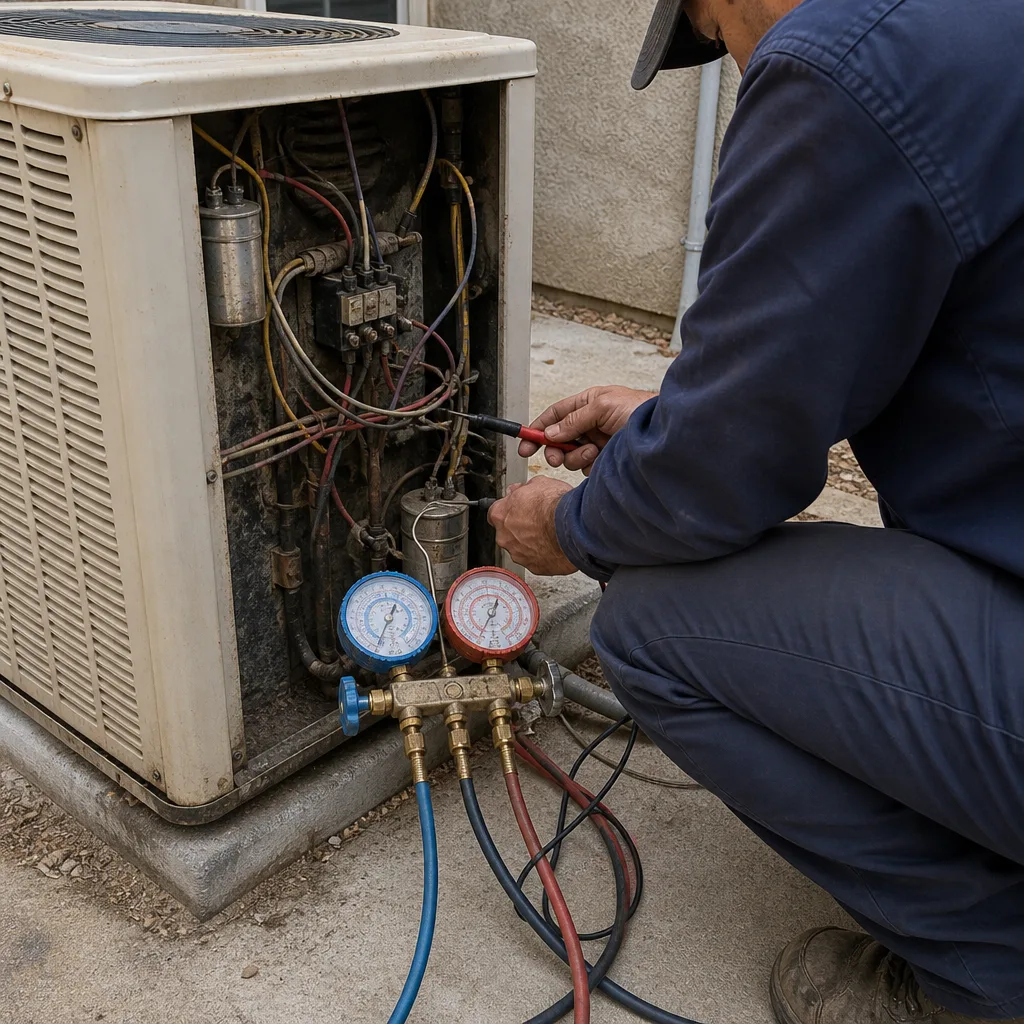
- Refrigerant recharge or leak repair – Skill: high, and legally restricted. Tools: manifold gauges, vacuum pump, recovery machine, EPA 608 certification. Warranty impact: voided. If done wrong: fines, environmental release, a still-broken system. Never DIY.
- Compressor swap – Skill: professional only. Not a homeowner task under any circumstance.
Notice the pattern. The tasks where the failure is delayed and expensive are exactly the tasks that look easy in a video. The tasks with no consequence at all are the boring ones nobody films. The table flips once you stop asking “can I” and start asking “what if I’m wrong.”
Four Jobs You Can Safely Do Yourself
These four are genuinely worth doing. They’ll also save you a service call, which is the point. Do them in this order of difficulty.
1. Replace the air filter. Shut the system off at the thermostat. Slide the old filter out and look at the size printed on the frame. Match it exactly – a half-inch too large and it won’t seal; too small and air bypasses it. Note the airflow arrow on the new filter and point it toward the indoor unit. In Enterprise, where a long dusty season punishes filters, plan on every 60 to 90 days rather than the 90-to-120 the box claims. If you have pets or a lot of foot traffic, check it monthly.
2. Clear the condensate drain line. This is the most common “no cooling” call we get that a homeowner could have fixed. Locate the PVC drain line coming off the indoor unit. Find the access tee or cap and unscrew it. Press a wet/dry vac onto the open end for a minute or two to pull the clog loose. A cup of distilled vinegar poured down the tee once a month keeps it clear. If water won’t move, stop and call someone.
3. Straighten bent coil fins. The outdoor coil fins bend if you bump them or if debris strikes them, and bent fins restrict airflow. Buy a fin comb sized to your coil, or use a butter knife held flat. Work the tines back into line gently, side to side. Don’t force anything against a copper tube – if you feel resistance, back off. A punctured tube is a refrigerant leak, and that’s a different phone call.
4. Swap the thermostat. Photograph the low-voltage wires before you disconnect a single one. Label each with tape. Kill the breaker to the air handler, then to the condenser. Remove the old unit, mount the new one, and reconnect by matching the labels, not by memory. On a Lennox or Goodman system, the wire terminals are usually the same letters – but check the new manual anyway. Turn power back on and test.
Each of these is a half-hour job. None of them touch refrigerant. None of them open a sealed electrical compartment. That’s the line.
The Legal Line: Refrigerant and EPA 608 in Nevada
Handling refrigerant without EPA Section 608 certification is against federal law, and Nevada enforces it. This isn’t a warranty technicality. A homeowner who buys a can of R-410A or R-22 off a marketplace listing, hooks up a set of gauges, and tops off their own system is committing a violation that carries civil penalties, not just a voided warranty. The fine, not the repair bill, is the real exposure.
The reason the law exists is straightforward. Refrigerant has to be recovered, not vented. It damages the ozone layer and contributes to climate change, and the recovery and handling equipment to do it correctly costs thousands. A licensed technician carries a recovery machine, a vacuum pump, and a scale. Every proper recharge is measured by weight to a fraction of an ounce. A “top-off” by eyeballing gauges is not a recharge – it’s an overcharge or an undercharge waiting to cause a compressor failure.
There’s a second layer too: most refrigerant sold to consumers is deliberately blended or outright banned from sale to non-certified buyers precisely because of this. If someone offers to sell you a can, that’s your warning sign.
On sealed-system work in Enterprise, we treat this as non-negotiable. The same applies to a suspected refrigerant leak – which is a real possibility when your system is running but not cooling. Recharging a leaky system without finding the leak just delays the bill. Call a certified tech, get it diagnosed right, and let the guarantee do its work. Most leak diagnostics and repairs fall in the $250 to $600 range, and the honest version of the job includes finding the source, not just replacing the lost gas.
Why Watching a Repair Once Doesn’t Qualify You
Here’s the thing that gets left out of every “DIY AC repair” tutorial. The repair is the easy part. The diagnosis is where the expertise lives.
Watching a technician swap a capacitor is a fifteen-minute lesson. Knowing which of the five components making that “click, no start” noise is the actual culprit – the capacitor, the contactor, the compressor windings, the control board, the thermostat wiring – is a different skill set. Multi-stage systems, variable-speed blowers, and communicating thermostats add variables that change the answer. A capacitor that reads low on a good meter might be fine, and the real fault might be upstream at the contactor. Swap the wrong part and you’ve spent $180 and still have a broken system.
Diagnosis is also where a written guarantee gets its teeth. When a Brandt HVAC Enterprise technician finds the fault, the repair is covered for 365 days under the 365-Day Done Right Promise. If it fails, we return at no charge – no argument. That’s the value of paying for the diagnosis, not just the part. A homeowner who guesses can’t claim that guarantee, and can’t know whether the part they replaced was the real cause or a symptom of one.
The other piece is refrigerant. You can watch someone evacuate and recharge a system a dozen times. Without the certification, the recovery equipment, and a scale, you can’t do it safely or legally. Watching a procedure and being licensed to perform it are two different things.
How to Vet a Technician Before They Touch Anything
If you’re going to hire a repair, hire carefully. Here’s how to check someone before they walk through your door.
- Verify the license and insurance. Ask for the license number and confirm it with your state licensing board. A legitimate HVAC contractor will hand it over without hesitation. Ask for a certificate of insurance too – if a tech damages your home or injures themselves on your property, you want their coverage, not yours.
- Ask who is coming and when. A professional company should be able to tell you the name of the technician assigned to your visit and share a photo before arrival. At Brandt, every technician is background-checked and identity-verified under the Threshold Verified standard, and we send their name and photo before we knock. If anyone arrives who you weren’t told to expect, that visit is on us and we make it right.
- Look for a badged, uniformed technician. The photo ID badge at the door is a small thing that matters a lot when you’re home alone with kids or you’re an older homeowner. No badge, no entry – call the office and confirm.
- Insist on a written price before work starts. A serious estimate lists the specific repair, the parts, the labor, the total, and what happens if it fails. It’s in writing. There’s no “we’ll see when we get in there” – the number is agreed on before a single tool comes out of the bag.
- Confirm the guarantee in writing. Ask exactly what the guarantee covers and for how long. Ours is on every repair, in writing, for 365 days.
- Call the number and see who answers. A live person on the other end of the phone tells you a great deal about how the company operates. Brandt answers every call with a live person, 24 hours a day, seven days a week – nights, weekends, and holidays included.
Most of these checks take five minutes. Skip them and you’re back to the same question the whole guide started with – do you actually know what’s at stake.
Common Mistakes to Avoid
- Doing electrical work with the breaker on. The disconnect at the condenser is not enough. Kill both the indoor and outdoor breakers before you open any panel. In our experience across Enterprise, this is the single mistake that turns a repair call into an emergency room visit.
- Adding refrigerant without a leak search. If you’re low on refrigerant, you have a leak. Topping off without finding it just postpones the bill and can overcharge the compressor. Call a certified technician.
- Buying a capacitor off a video without testing first. Test the old part before replacing the new one. Half the “bad capacitor” videos out there skip the test step entirely.
- Mismatching the filter size. Too narrow and air bypasses the filter entirely, coating the coil in dust. Too thick and the system can’t pull enough air and the coil freezes. Match the printed size exactly.
- Reconnecting thermostat wires by memory. Photograph and label before disconnecting. A swapped wire on a Lennox or Rheem control board can destroy the board in seconds.
- Ignoring a water leak until the ceiling stains. A clogged condensate drain in summer can dump gallons into the closet floor or the ceiling below within a single day. Clear the line quarterly, and check under the indoor unit after the first hot week of the year.
- Hiring a technician without verifying they’re licensed and insured. Price is not the safety metric. A $90 diagnosis from an unlicensed tech can become a $2,400 compressor problem, and you have no recourse.
When to Call a Professional
Call a professional for any task on the top half of the risk table. That means: refrigerant work and any suspected leak; capacitor, contactor, compressor, or control board replacement; anything that requires opening the electrical compartment; any system that trips a breaker; and any repair that involves a warranty claim on a Carrier, Trane, Lennox, Goodman, Rheem, York, Daikin, Bryant, or American Standard unit. If you’re uncomfortable opening the electrical panel on your air handler for any reason at all, that’s also your answer.
Brandt HVAC Enterprise offers free estimates in Enterprise – call (844) 797-9490. Every visit begins with a written price before work starts, a background-checked technician with a photo badge at the door, and a written guarantee on the repair. You’ll also find our Brandt HVAC Enterprise home page useful for the bigger picture, along with our detailed pages on AC Repair in Enterprise and Furnace Repair in Enterprise.
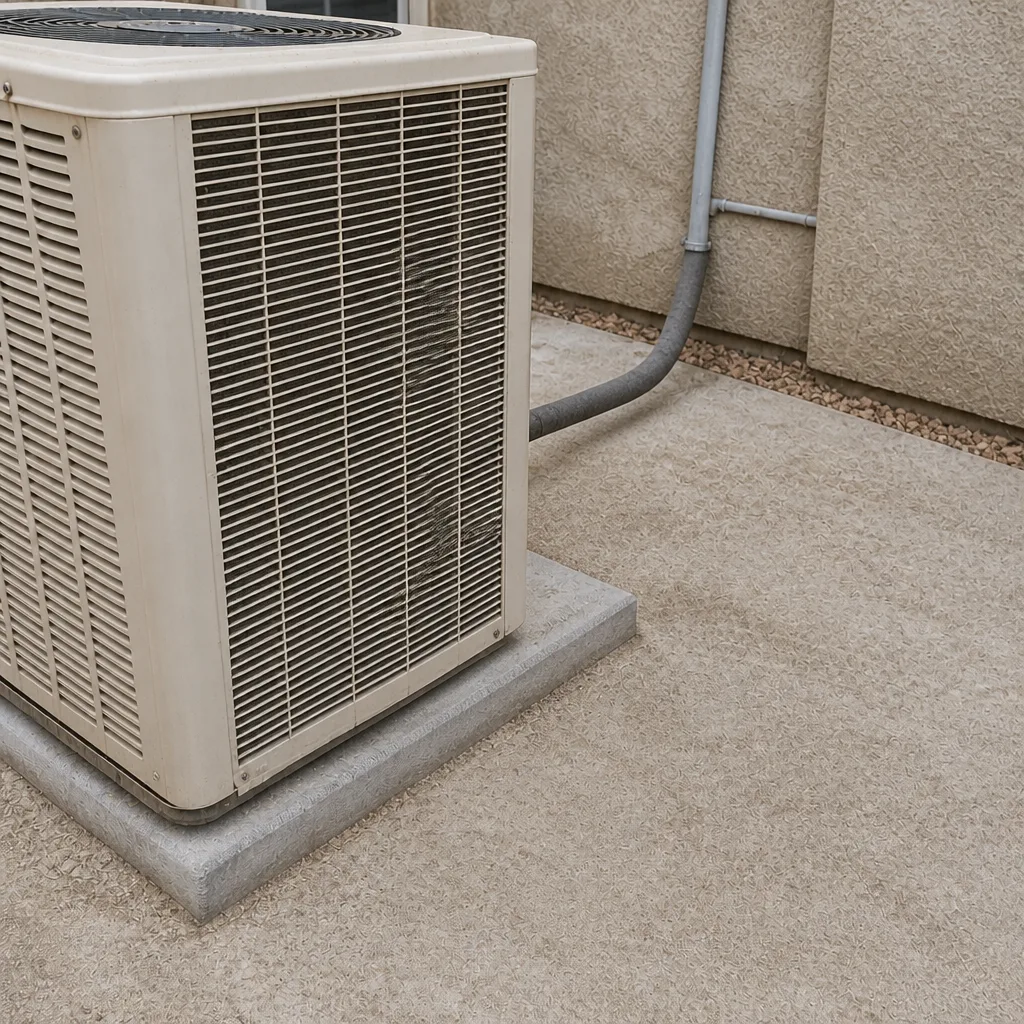
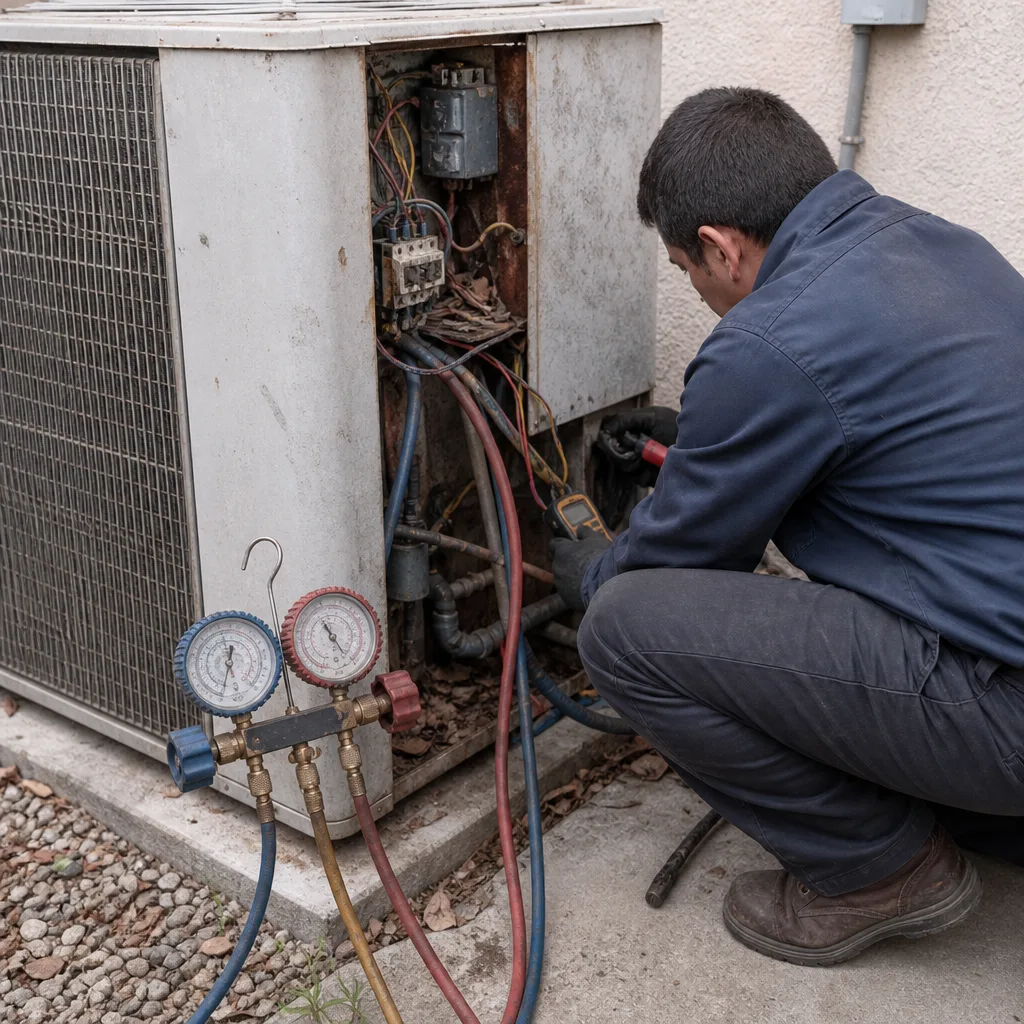
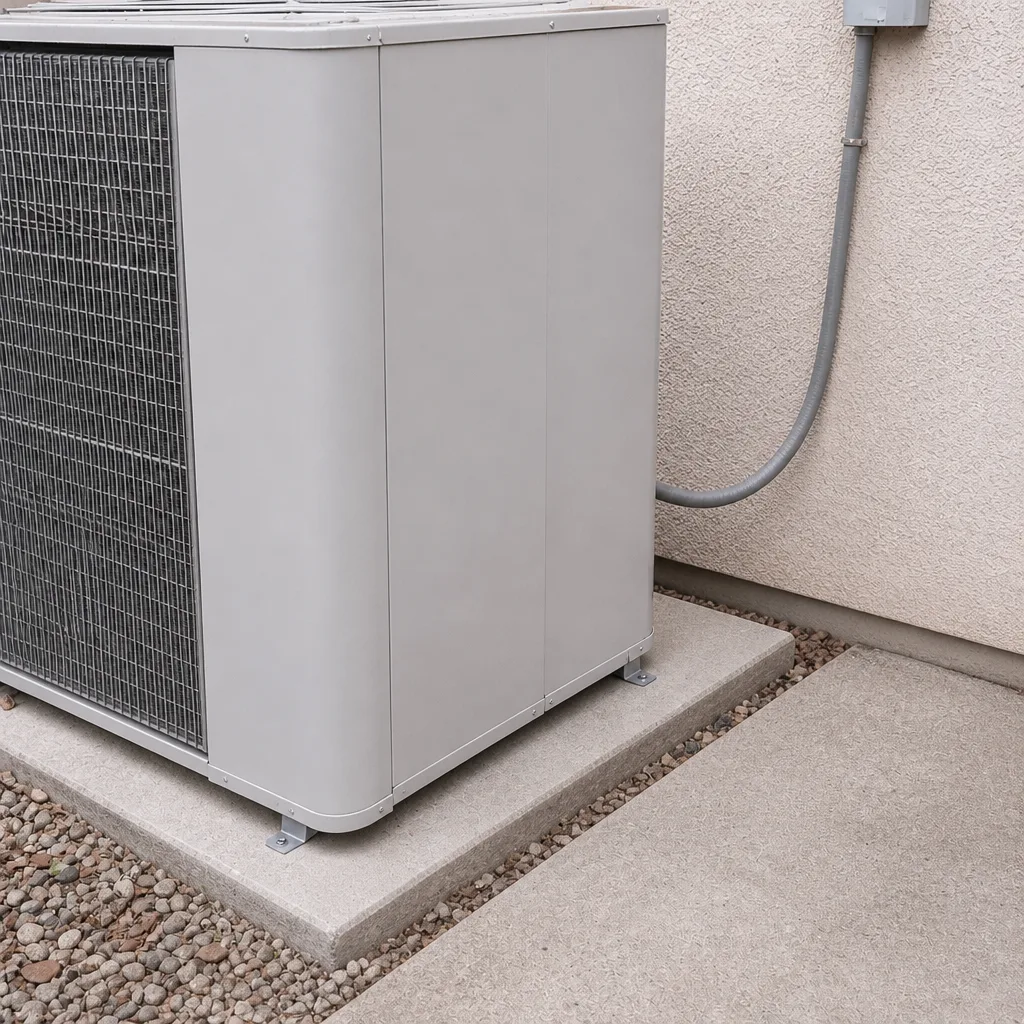
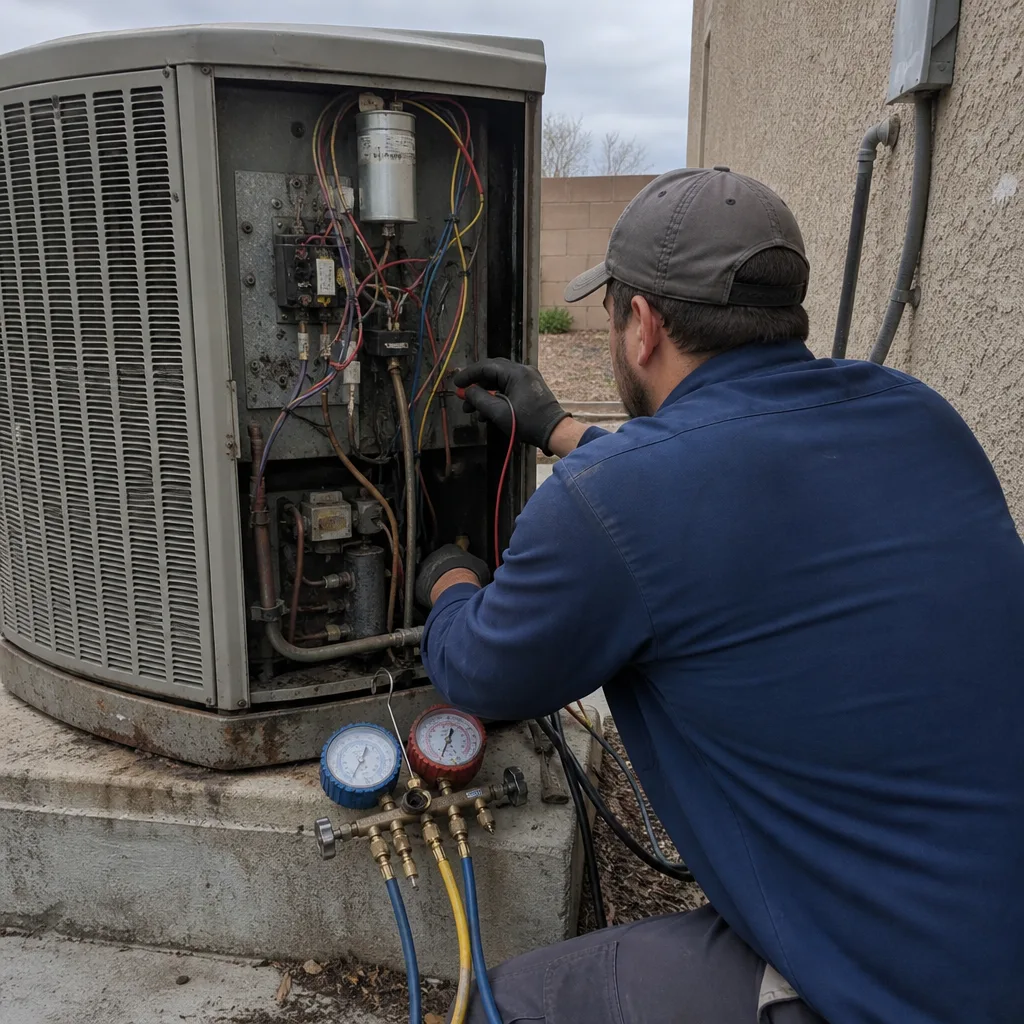
See the difference
 Before
 After
 Before
 After
 Before
 After
Frequently Asked Questions
No. Federal EPA Section 608 rules require certification to handle refrigerant, and Nevada enforces them. A homeowner who buys and installs refrigerant without certification is committing a violation that carries civil penalties, not just a voided warranty. The fine is the real exposure – leave refrigerant work to a licensed technician.
It depends on the repair. Filter changes, drain clearing, and fin straightening generally don’t affect the manufacturer’s warranty. Opening the electrical compartment or touching the sealed refrigerant circuit usually does, especially if the work isn’t documented by a licensed technician. On a Lennox or Goodman system still under parts warranty, the voided coverage is often worth more than the repair you tried to save. Call (844) 797-9490 if you’re not sure where the line is.
You physically can, but we don’t recommend it. The capacitor is a high-voltage part that stores charge even after power is off, and misidentifying the faulty part wastes the repair. If you’re wrong about which part failed, you’ve spent the money and still have a broken system. Call us for an exact quote – estimates are free.
Air filter replacement. It has zero warranty impact, takes five minutes, and improves system efficiency immediately. Clearing the condensate drain line is the second safest, followed by straightening coil fins and swapping a thermostat if you label every wire first.
Ask for the technician’s name and photo before the visit, and check for a photo ID badge at the door. Verify the company’s license and insurance with your state board. At Brandt HVAC Enterprise, every technician is background-checked and identity-verified under the Threshold Verified standard, and if anyone arrives who you weren’t told to expect, that visit is on us.
The specific repair, the parts, the labor, the total price, and what the guarantee covers and for how long. A serious estimate is in writing before work begins, with no “we’ll see when we get in there.” Ours is on every job, and the repair is guaranteed for 365 days under the 365-Day Done Right Promise.
The Bottom Line
The DIY vs. professional debate gets simpler once you sort by what’s at stake. Filter changes, drain clearing, and fin straightening cost you nothing if you’re wrong. Capacitors, contactors, refrigerant, and compressors cost you thousands if you’re wrong, and some of them carry legal fines. That’s the whole framework. In Enterprise, the smart move most weekends is the boring one: change the filter, clear the drain, and leave the rest to a technician you’ve verified before they arrive. Brandt HVAC Enterprise makes that verification part easy – photo, name, badge, written price, live phone line at (844) 797-9490.
Written by the team at Brandt HVAC Enterprise.