
Last updated November 17, 2026
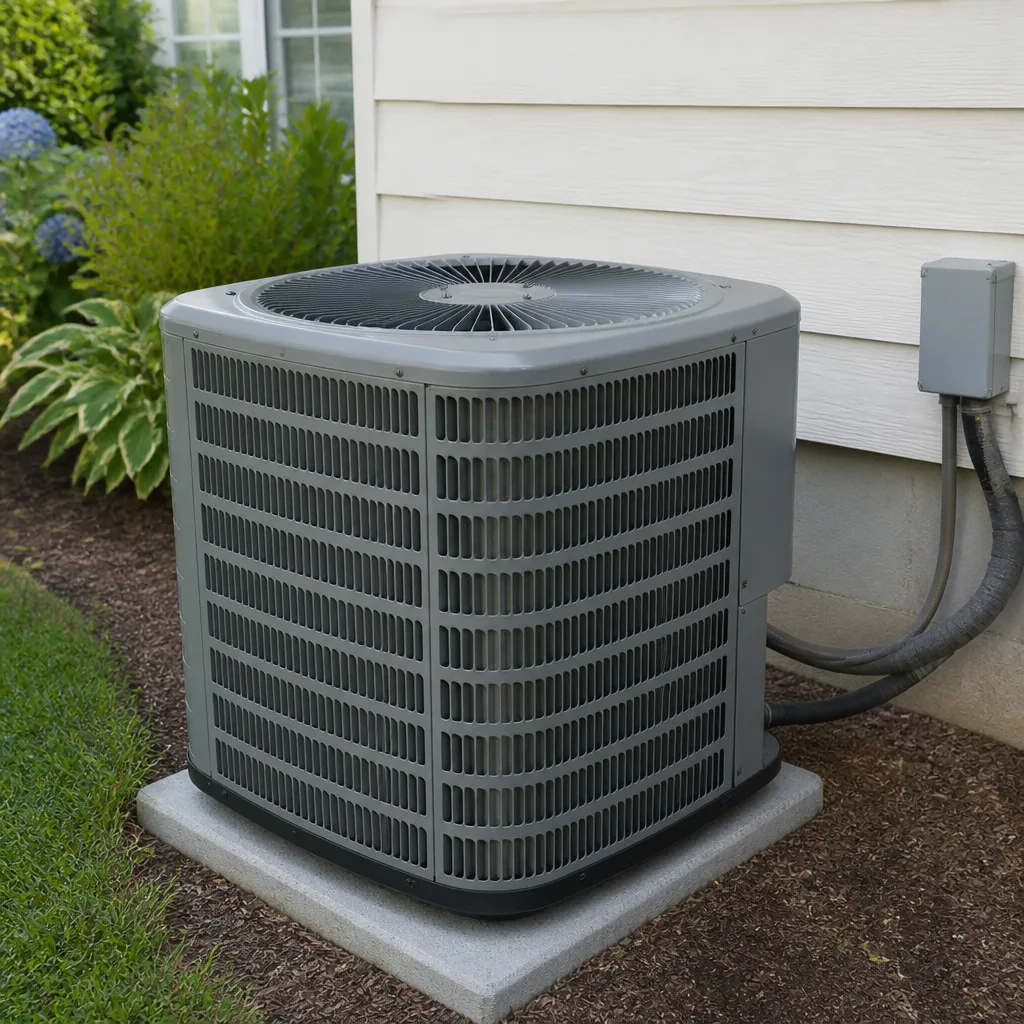 AC repair
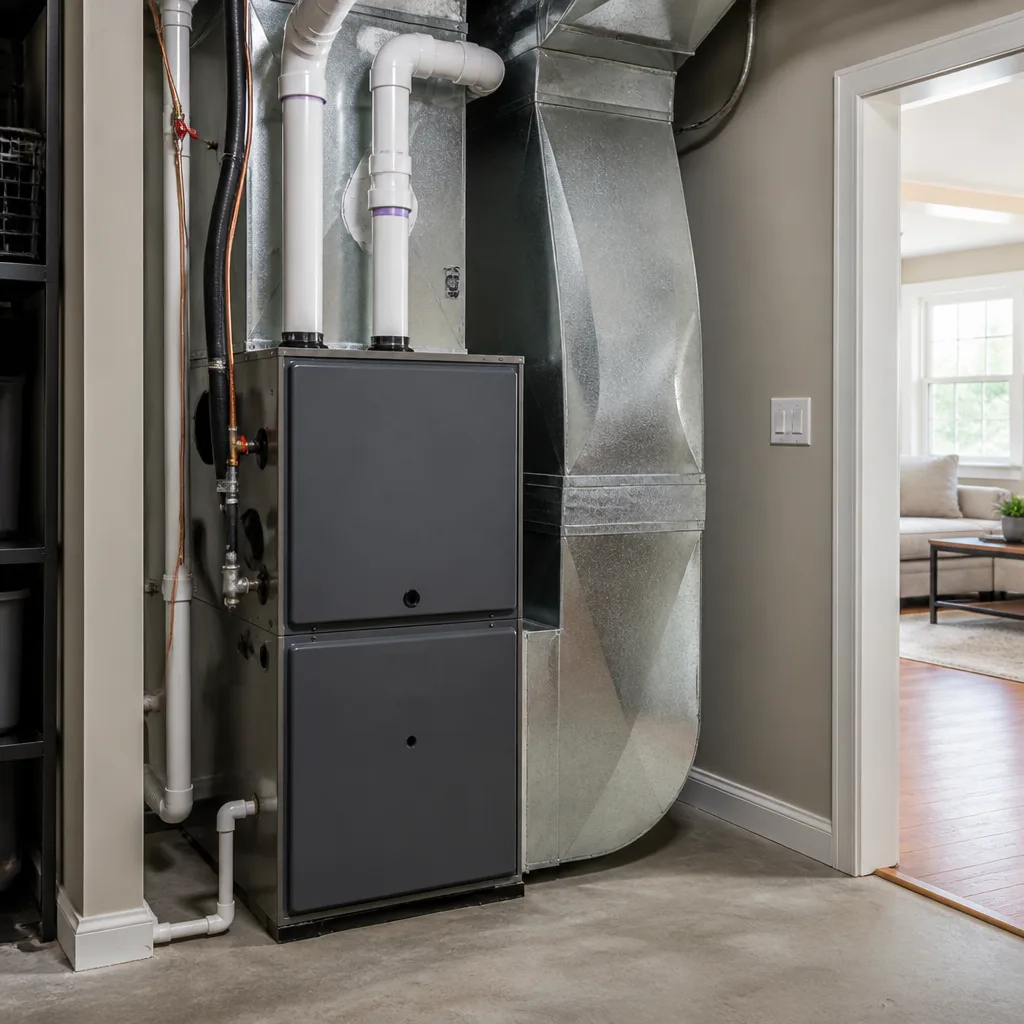 Furnace & heating
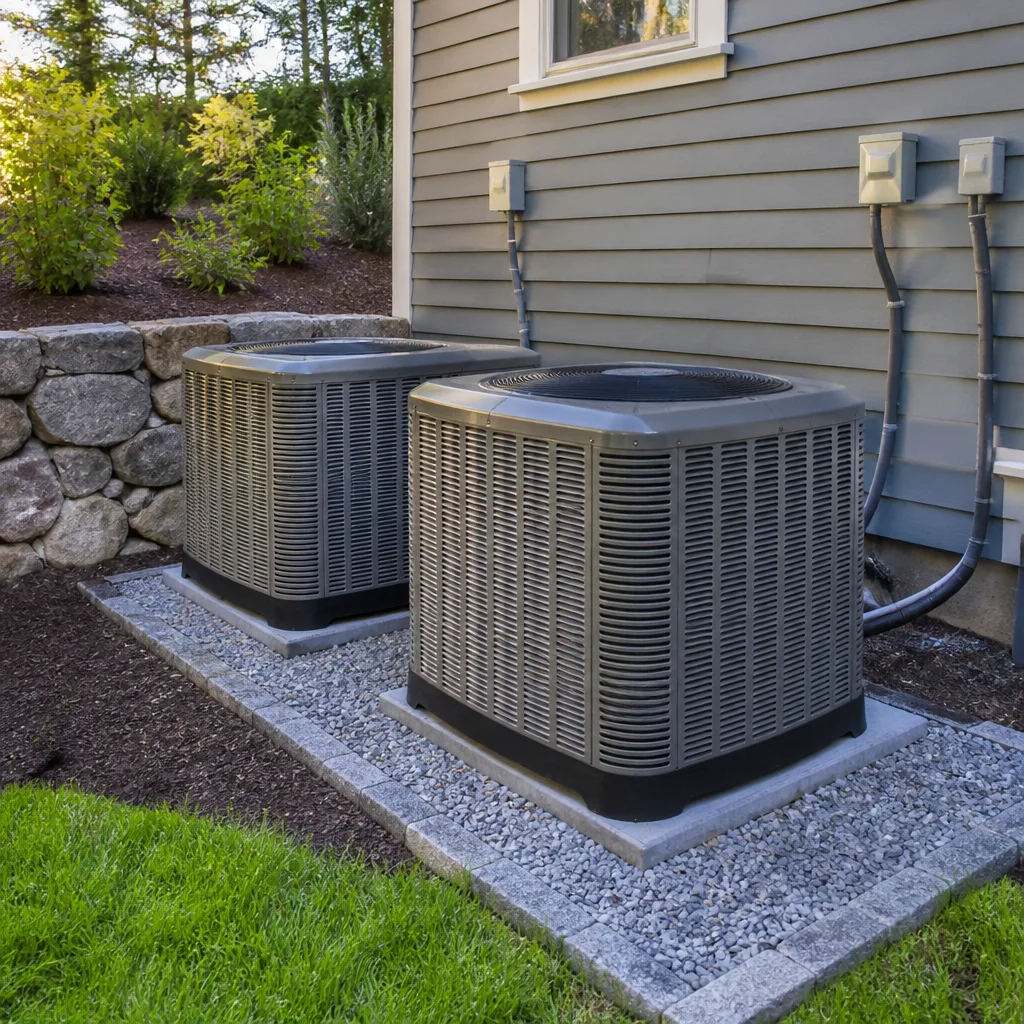 Heat pumps
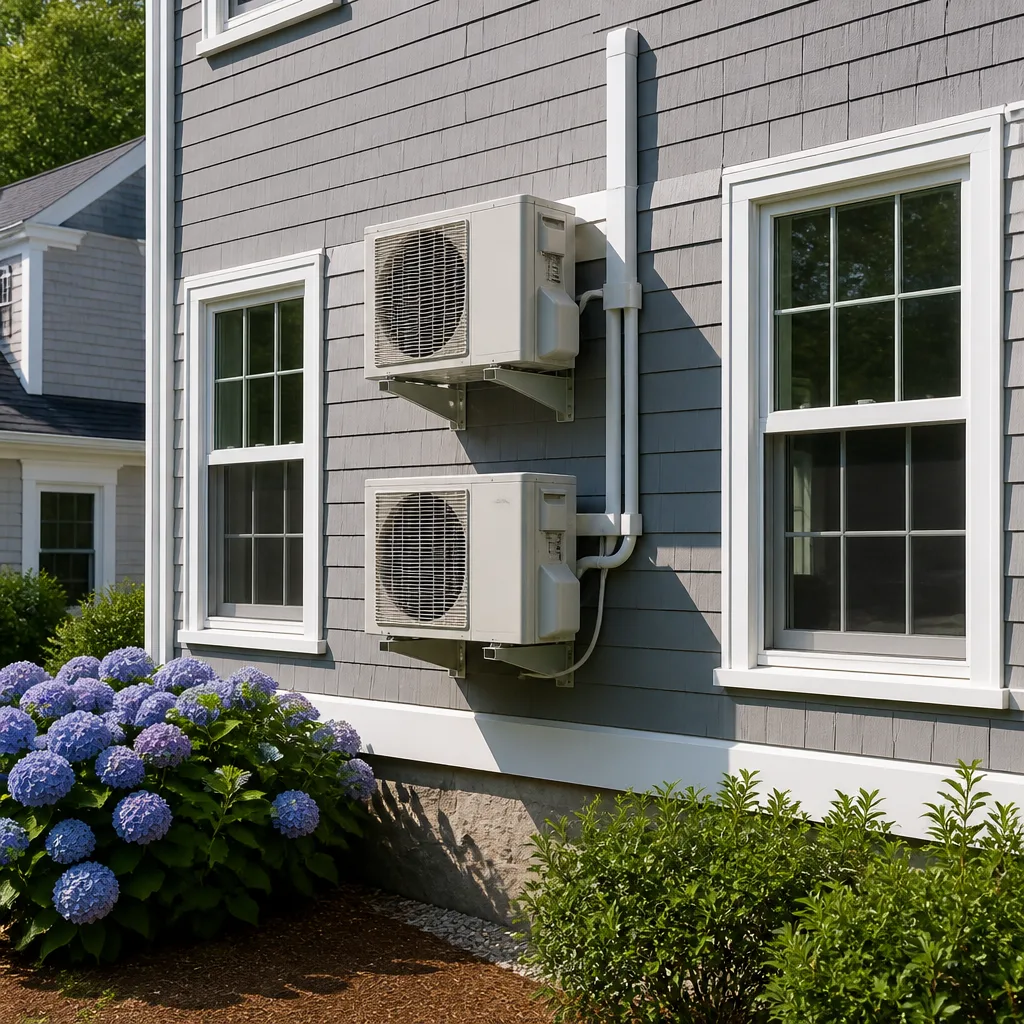 Ductless mini splits
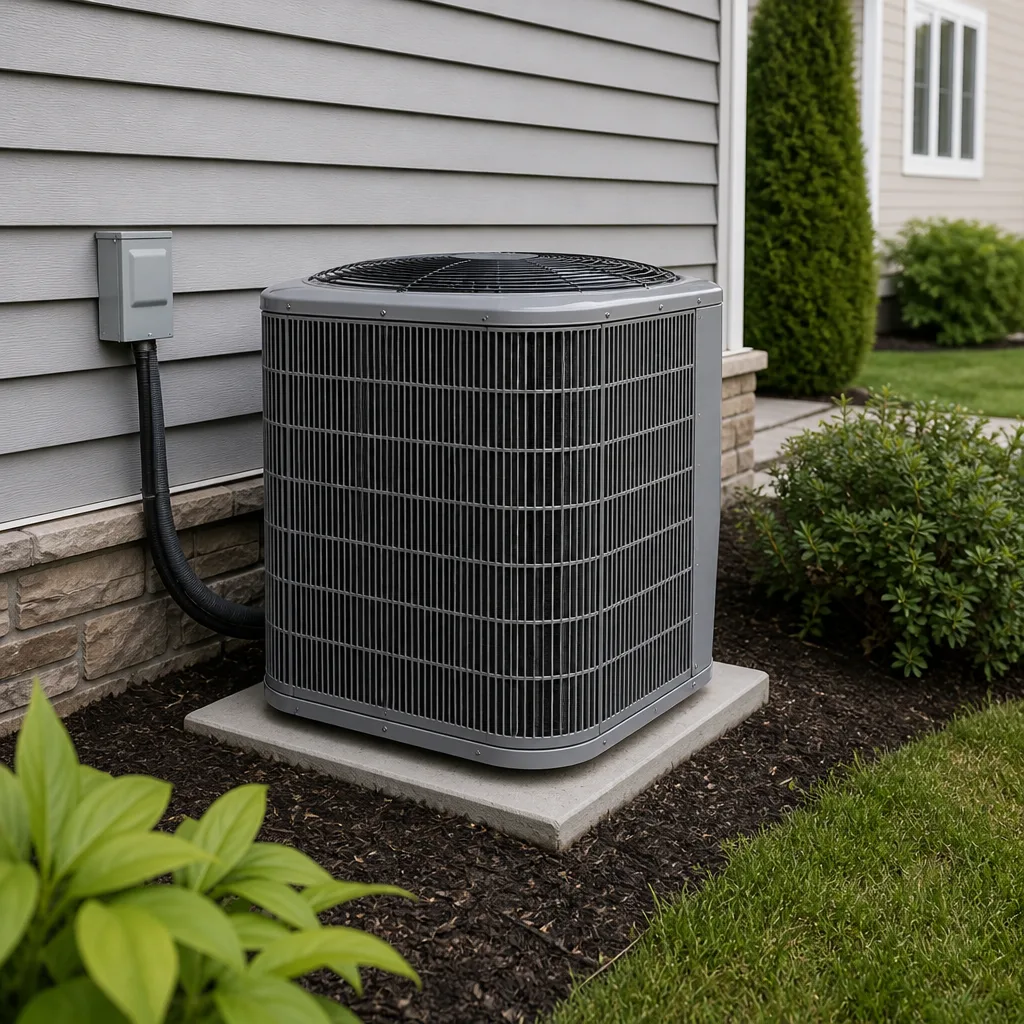 Carrier
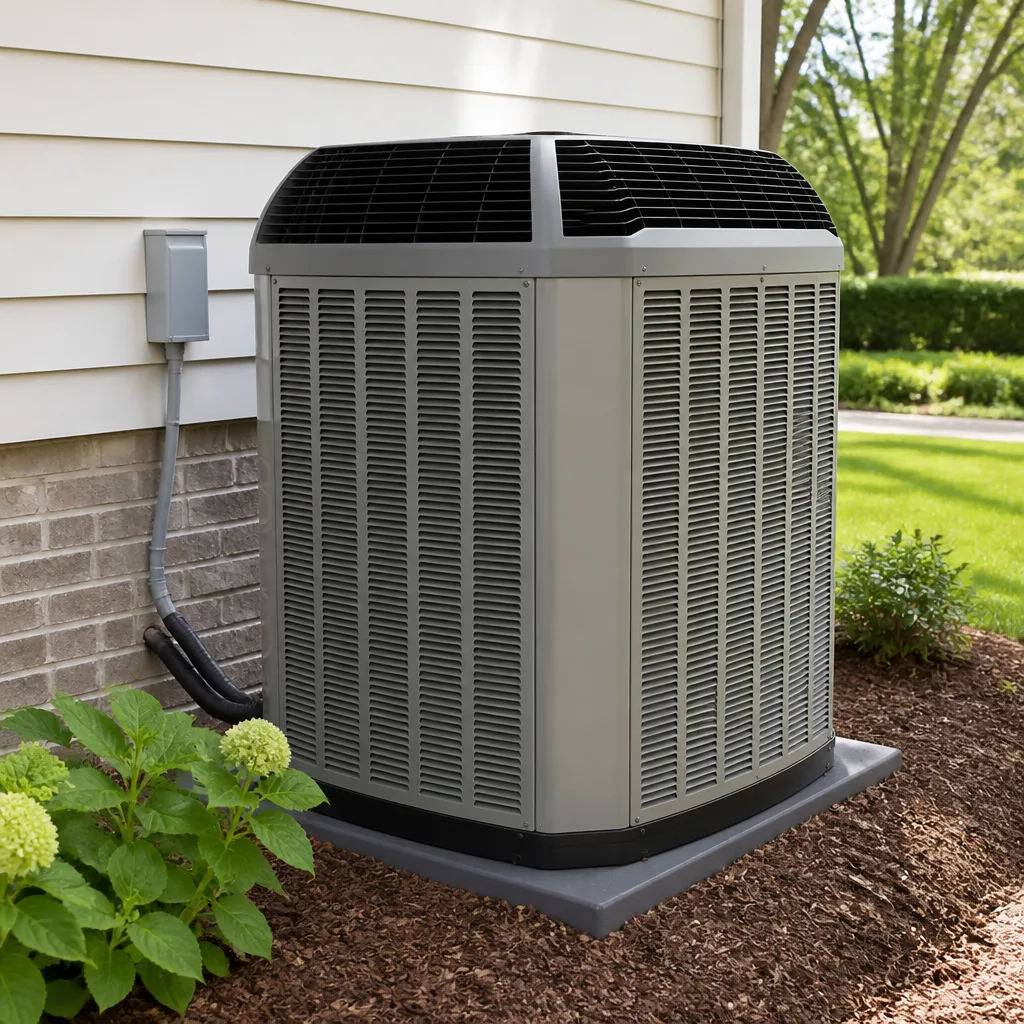 Trane
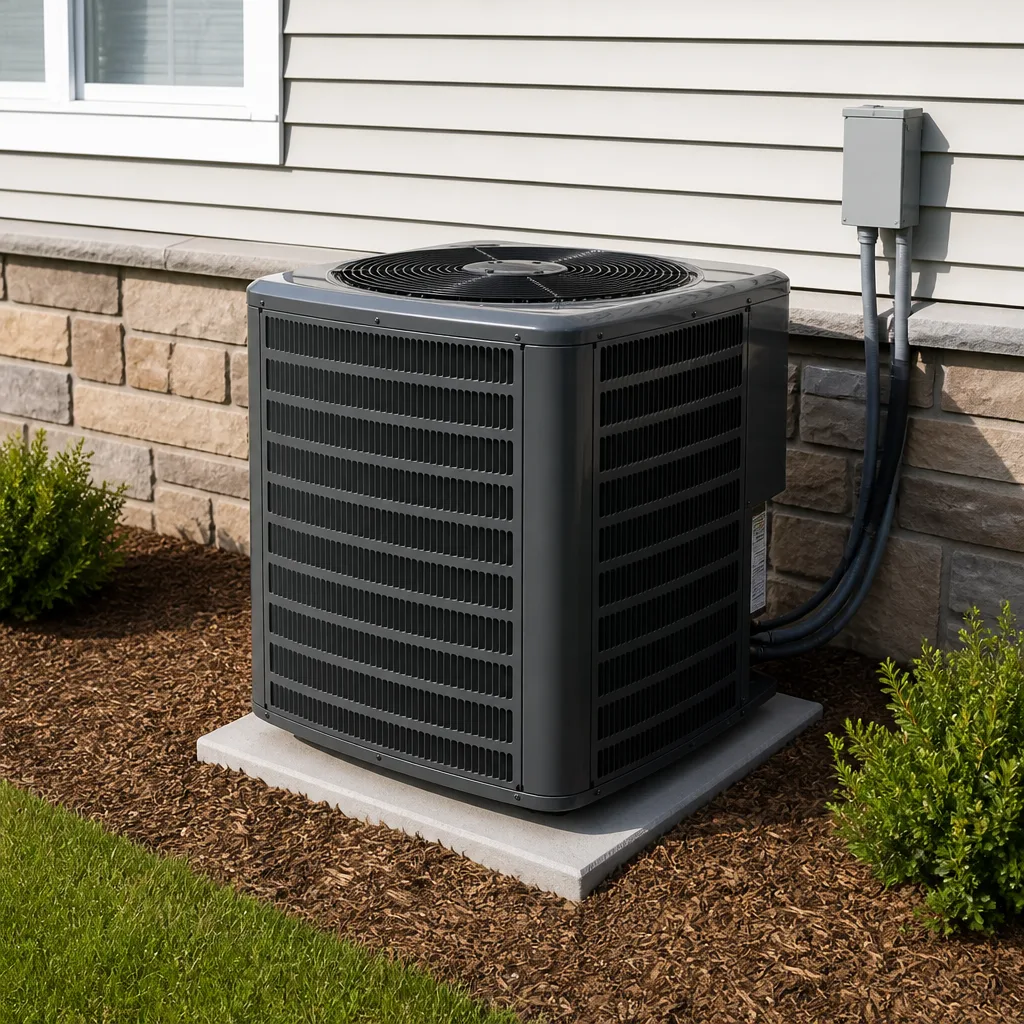 Goodman
Seasonal tune-up and full diagnostic on your Carrier, Trane, or Goodman system - readings shown to you before any repair is proposed
Diagnosis first, numbers second - you approve the repair price before a single part goes in.
Get your free estimateHow Long Does Furnace Repair Take? Timelines and What to Expect
Most furnace repairs are finished in under two hours, but homeowners routinely sit without heat for a day or two because no one explained the parts-sourcing step before the technician left. The wrench work is rarely the bottleneck; the waiting happens around it. This guide breaks furnace repair into the four phases that actually consume your time, from the scheduling window to the diagnosis, the parts run, and the repair itself, with realistic ranges for each. You’ll learn which fixes are almost always same-visit, which trigger a return trip, how Enterprise’s place in the Las Vegas Valley affects parts availability, and what to do with your family while you wait.
Quick Answer
A typical furnace repair takes one to two hours of actual hands-on work, but the full process from your first call to a working furnace usually runs two to six hours when the needed part is in stock locally. Repairs that require a special-order part, like a heat exchanger or a specific control board, commonly stretch to two to five days in Enterprise and across the Las Vegas Valley because the part has to be sourced before anyone can install it.
Styles & brands we work with
- AC repair
- Furnace & heating
- Heat pumps
- Ductless mini splits
- Carrier
- Trane
- Goodman
Table of Contents
- The Four Phases of a Furnace Repair
- Phase 1: The Scheduling Window
- Phase 2: Diagnosis
- Phase 3: Parts Sourcing
- Phase 4: The Actual Repair
- Which Repairs Are Same-Visit vs. Return-Trip
- What to Do While You Wait for Heat
- How Our Pre-Visit Technician Introduction Fits In
The Four Phases of a Furnace Repair
When your heat quits, it feels like one big problem. It’s actually four smaller ones stacked in a line, and each has its own clock. Understanding them changes how you plan your day, whether you take off work, and when to start worrying that something has gone sideways.
Here’s the breakdown we walk homeowners through every cool-weather season:
- Scheduling window. How long until a technician is at your door.
- Diagnosis. How long it takes to find the actual cause, not the symptom.
- Parts sourcing. How long to get the failed component in hand.
- The repair. How long to install it and verify the furnace runs safely.
The repair, phase four, is almost always the shortest of the four. Diagnosis is usually the second shortest. The two that stretch the timeline are scheduling and parts, and both are influenced by things outside your control like weather demand and local supply. In Enterprise, a cold snap can push dozens of homes onto the same call list at once, which we expect every January. Knowing which phase you’re in tells you whether to keep your afternoon open or start arranging backup warmth.
Phase 1: The Scheduling Window
How fast a technician arrives depends on two things: how busy the day is and how your situation is triaged. On a mild day, a non-emergency call typically gets a same-day or next-day window. On the first genuinely cold morning of the season in Enterprise, demand spikes and windows push out, sometimes to the following day for routine calls.
Emergency situations get priority. No heat with an infant, an elderly resident, or overnight temperatures dropping toward freezing moves you up the list. So does any smell of gas or a furnace that won’t stop running. Those are safety calls and they jump the queue.
- Standard call, mild weather: same or next day.
- First cold snap of the season: often next day, occasionally the day after.
- No-heat emergency, vulnerable household: prioritized same day.
- Gas smell or safety concern: treated as urgent, immediately.
One part of this phase you can control: a live person answering the phone the first time you call. Brandt HVAC answers every call with a real person, 24 hours a day, seven days a week, so you’re never stuck in a voicemail queue while your house cools. That alone can save you hours over a weekend. If your furnace dies on a Saturday night in Enterprise, you get a human and a real scheduling window instead of a callback request you’ll never hear about.
Phase 2: Diagnosis
Diagnosis usually takes 30 to 75 minutes, sometimes less. It’s the phase where a good technician figures out why the furnace stopped, not just which part is dead. A failed igniter is easy to spot. The reason that igniter failed might be a dirty flame sensor, a cracked heat exchanger, or a gas pressure problem, and skipping that second layer means the new part dies too.
Here’s roughly what happens during diagnosis:
- Confirm the symptom and review the furnace’s recent behavior with you.
- Check power, thermostat call, and the safety switches.
- Test the ignition sequence, flame sensor, and gas pressure.
- Inspect the heat exchanger and venting for cracks or blockages.
- Test airflow and check the blower.
We’ve found that homeowners in Enterprise’s older neighborhoods often face the same pattern: a furnace that has run through a dozen dry winters on the same filter, a flame sensor that has fouled, and an igniter that finally failed. That’s a 30-minute diagnosis and a straightforward repair. A furnace that was installed with undersized venting, which we’ve seen in some of the valley’s tract-built homes, can take longer to untangle. Expect a written price and a plain explanation of what was found before any repair begins. Every job starts with a written price, always, with no exceptions.
Phase 3: Parts Sourcing
This is the phase that blindsides people, and the one the opening of this guide flagged. Parts sourcing ranges from minutes to several days depending on what’s needed and where it has to come from.
Enterprise sits inside the Las Vegas Valley, which is the single biggest advantage for parts speed in this market. The valley has multiple HVAC supply houses carrying the brand-name components we service, including York, Bryant, and American Standard. If your furnace needs a common part like a flame sensor, an igniter, or a capacitor, a technician can often have it in hand within an hour and finish the repair the same visit.
- Common parts in stock locally: 30 to 90 minutes, same visit.
- Brand-specific part at a valley supply house: 1 to 4 hours, same or next day.
- Special-order part, like a specific control board or heat exchanger: 1 to 5 days.
Compare that to a rural area an hour or more from the nearest supply house, where even a common igniter can mean a next-day return trip. Enterprise’s proximity to the valley’s supply houses is a genuine advantage, but it isn’t magic. Heat exchangers for older furnaces and control boards for less-common models still have to be sourced, and that’s the step most often responsible for the 24 to 48 hours many homeowners lose. A technician who explains this before leaving prevents the surprise.
Phase 4: The Actual Repair
Once the part is in hand, the repair itself is usually quick. This is the phase most people picture when they hear “furnace repair,” and it’s the shortest. A straightforward component swap runs 30 to 90 minutes, including testing that the furnace starts, runs through a full cycle, and heats properly before the technician leaves.
Here’s what a typical repair visit looks like by type:
- Igniter replacement: 20 to 40 minutes.
- Flame sensor cleaning or replacement: 20 to 30 minutes.
- Capacitor replacement: 15 to 30 minutes.
- Blower motor replacement: 1 to 2 hours, sometimes longer if the motor is hard to reach.
- Control board replacement: 45 minutes to 1.5 hours.
- Heat exchanger replacement: often a multi-hour job and sometimes best replaced with the furnace; a technician will explain which makes sense.
Every repair we do carries a written guarantee stating exactly what it covers and for how long, and if the repair fails within that period, a return visit is free under the 365-Day Done Right Promise. That matters when you’re weighing the timeline: a repair that fails and needs a second visit costs you another scheduling window, so getting the diagnosis and the part right the first time is worth it. Most igniter replacements run $150 to $300, parts and labor included, and are finished the same visit when the part is in stock. One safety note: heat exchanger work and gas-side repairs should only be handled by a trained professional. A cracked heat exchanger can leak combustion gases into your living space, and this is not something to attempt at home.
Which Repairs Are Same-Visit vs. Return-Trip
This is the question homeowners most want answered when they call. Here’s how the common repairs shake out across the enterprise we service, based on the part and the diagnosis.
Almost always same-visit when the part is in local stock:
- Igniter swap.
- Capacitor replacement.
- Flame sensor cleaning or replacement.
- Thermostat replacement.
- Drain or condensate line clearing on a high-efficiency unit.
Often a return trip:
- Control board replacement on a less-common model.
- Heat exchanger replacement.
- Blower motor replacement when the exact motor isn’t stocked.
- Anything requiring a brand-specific part that has to be ordered.
The dividing line is parts availability, not difficulty. A condenser motor or inducer assembly that’s sitting at a valley supply house gets done the same visit. A Daikin control board that has to be ordered doesn’t, no matter how quickly the technician could install it. When we can’t finish the same day, we say so with a real timeline rather than a vague “sometime next week,” and we schedule the return visit before we leave.
What to Do While You Wait for Heat
If your furnace is down and the repair isn’t happening today, the next several hours matter. Here’s how to stay warm safely and what to avoid.
- Use space heaters carefully. Keep them at least three feet from anything flammable, plug directly into a wall outlet, never into a power strip, and never leave one running unattended or overnight.
- Close off unused rooms. Concentrating heat in the rooms you’re using keeps everyone comfortable with less energy.
- Layer up and use blankets. Obvious, but effective, especially overnight.
- Check on vulnerable neighbors. Older residents and anyone living alone benefit from a check-in during a cold snap.
- Never use a gas oven, stovetop, or charcoal grill to heat your home. This is a genuine carbon monoxide hazard and causes real harm every winter.
What voids your repair warranty: opening the furnace cabinet and attempting a fix yourself. On a gas furnace, that can also be dangerous. The ignition sequence, gas valve, and heat exchanger are not homeowner territory. If you or someone else tinkers with the unit after a repair, the guarantee may not cover the result, and you may create a second, costlier problem. Leave it to a trained technician and protect the repair you paid for. If you’re not sure whether your situation is urgent, call and ask; we’ll tell you plainly.
How Our Pre-Visit Technician Introduction Fits In
There’s a fifth phase that doesn’t show up on most timelines: the part where a stranger knocks on your door. For homeowners who are often alone, or who have young children, or who are older and live by themselves, that moment carries real weight. We handle it before the visit even starts.
Every technician is background-checked and identity-verified under the Threshold Verified standard. Before your appointment, you’re told the name and shown a photo of the technician coming to your home. At the door, they present a photo ID badge. If anyone arrives who you were not told to expect, that visit is on us and we make it right. This is how we compete: not on being the cheapest, but on certainty about who is standing in your hallway.
It also fits the timeline. Because you know who’s coming and roughly when, you can plan the wait around a real window instead of hovering by the door all afternoon. Calls are answered by a live person 24 hours a day, seven days a week, so questions about timing get answered by a human in real time. Our technicians have up to 23 years of experience, and they walk in with a written price and a plain explanation before any work begins. Brandt HVAC Enterprise is part of the Threshold Group family of home-service companies, established in 2003, and each location is independently owned and operated. The name Brandt comes from an old word for a firebrand, a fitting name for the work of keeping a home warm. For the broader picture of what we do, see our Brandt HVAC Enterprise home, and if your cooling is the thing acting up, our AC Repair in Enterprise page covers the parallel timeline.
Common Mistakes to Avoid
- Assuming the repair happens on the first visit. Most do, but parts-dependent fixes don’t. Ask about parts sourcing before the technician leaves, so you’re not blindsided by a return trip.
- Not mentioning your household situation when you call. If you have an infant, an elderly resident, or no backup heat, say so. In Enterprise, that moves you up the triage list for an emergency window.
- Attempting the fix yourself to save time. On a gas furnace this can be dangerous and can void your repair guarantee. The hours you “save” can turn into a second, bigger repair.
- Judging the job by the repair bill alone. A cheap repair that fails and needs a free return visit still costs you another scheduling window and another cold night. Ask what the guarantee covers.
- Skipping the diagnostic explanation. If a technician can’t tell you in plain language what failed and why, ask again. Diagnosis is the phase that prevents the return trip.
- Letting the furnace limp through a cold snap. A failing component in Enterprise’s dry winter air can fail fully on the coldest night, when demand and wait times are both highest.
- Opening a door without knowing who’s on the other side. Ask who’s coming, when, and get a name and photo. A legitimate company tells you before the visit.
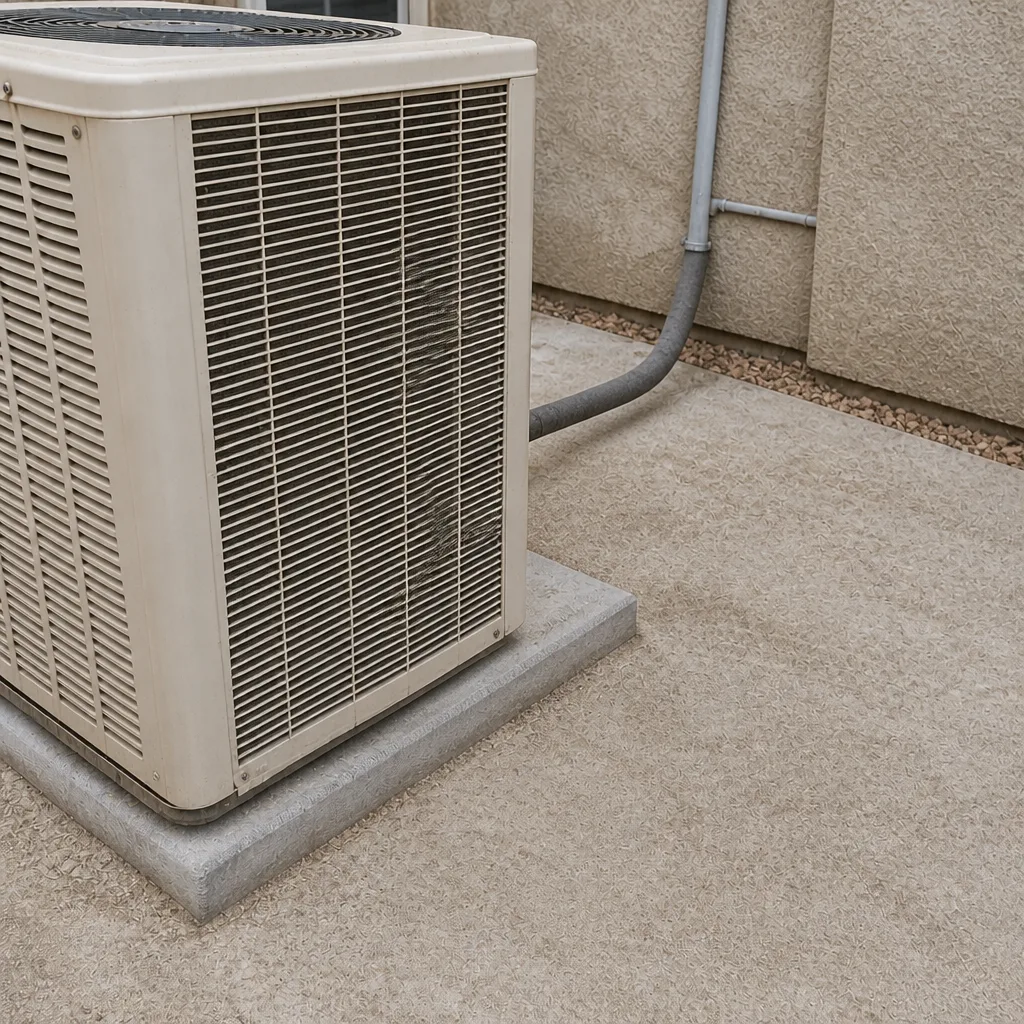
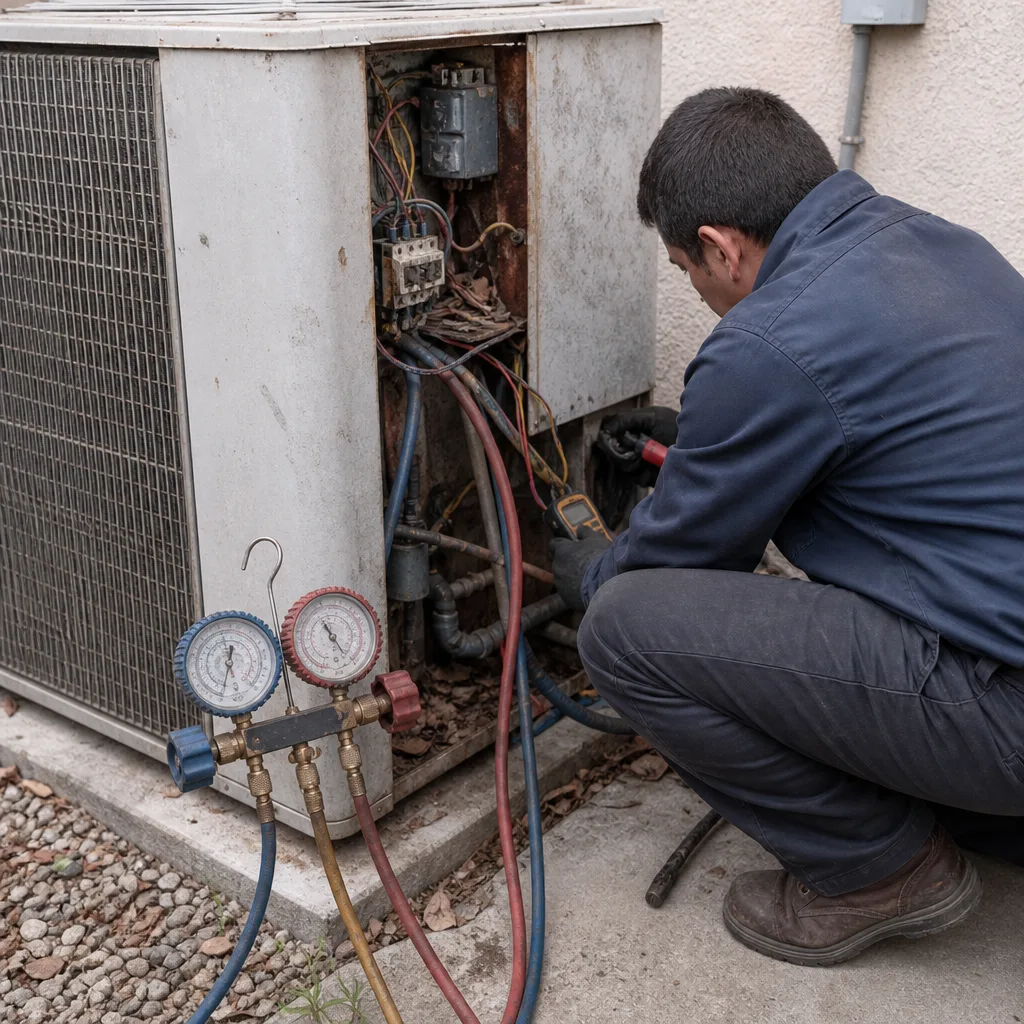
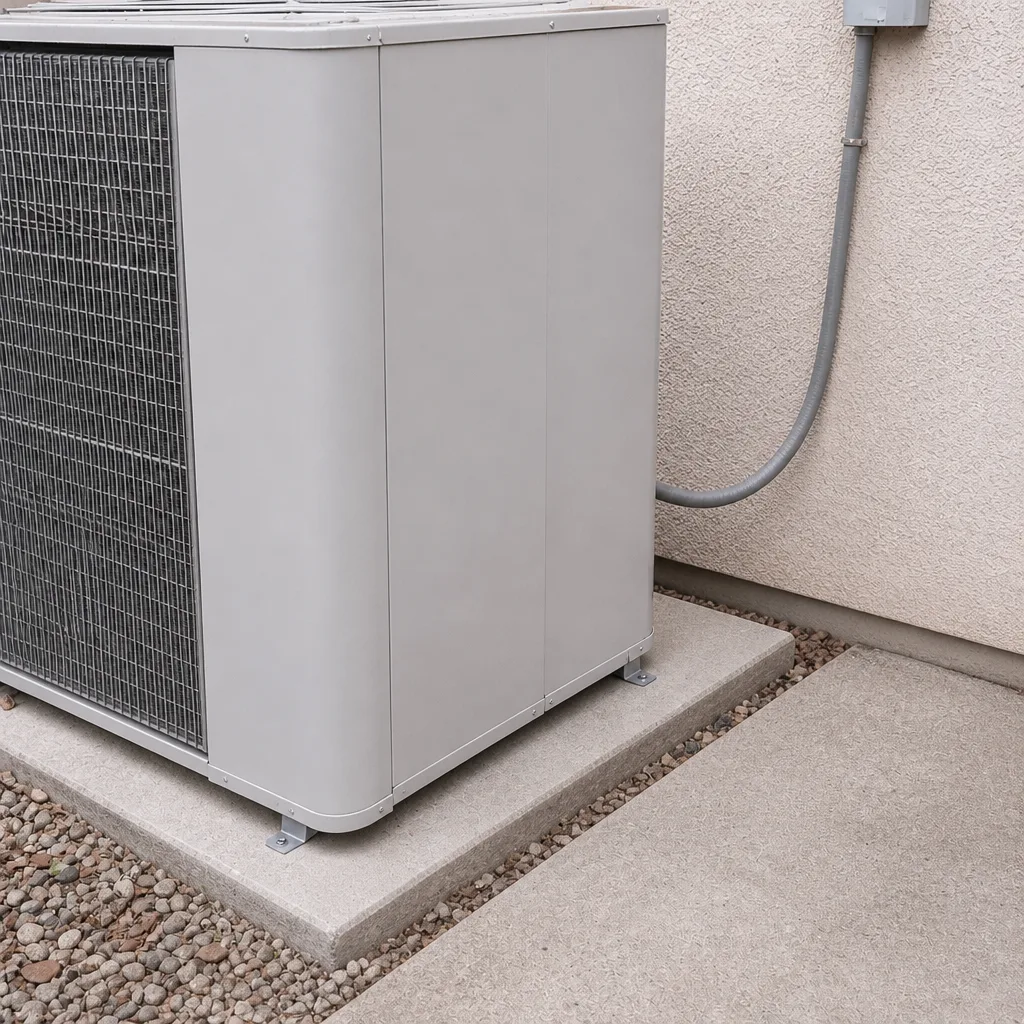
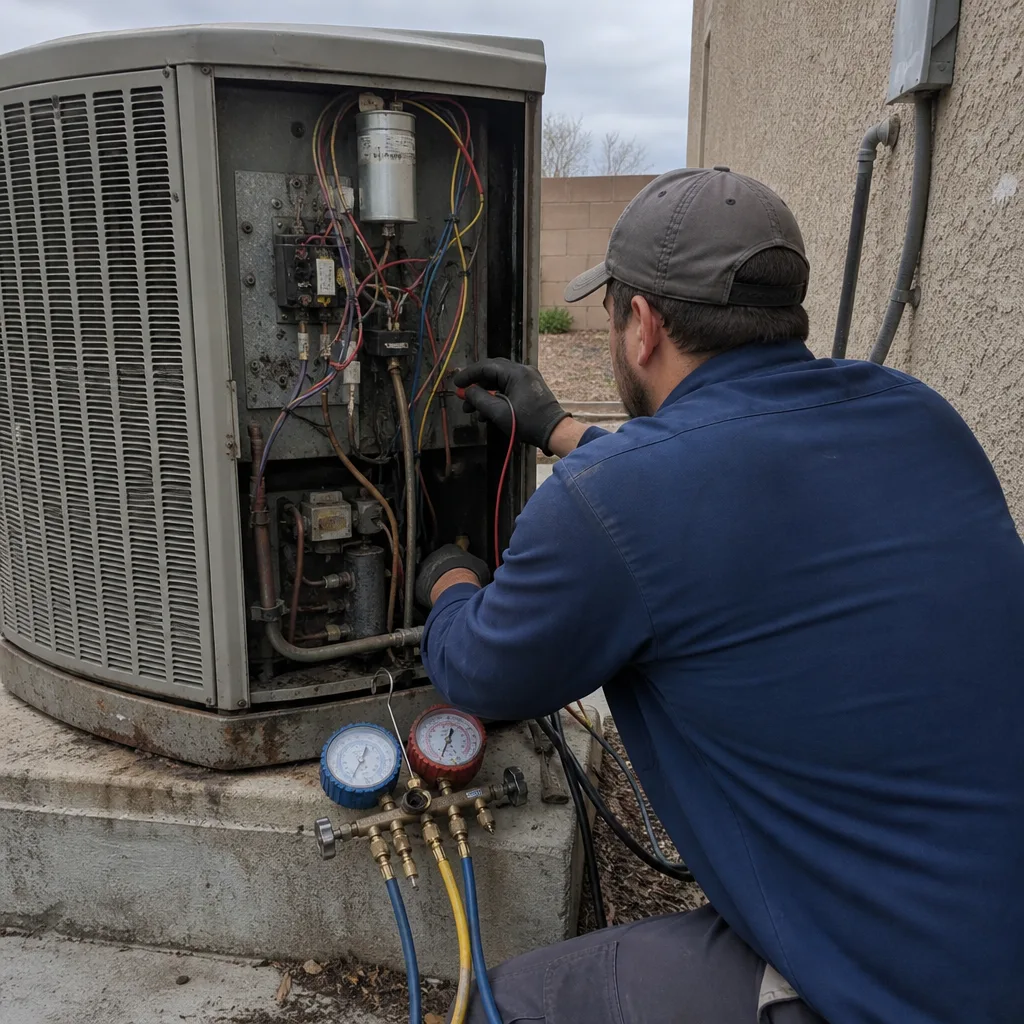
See the difference
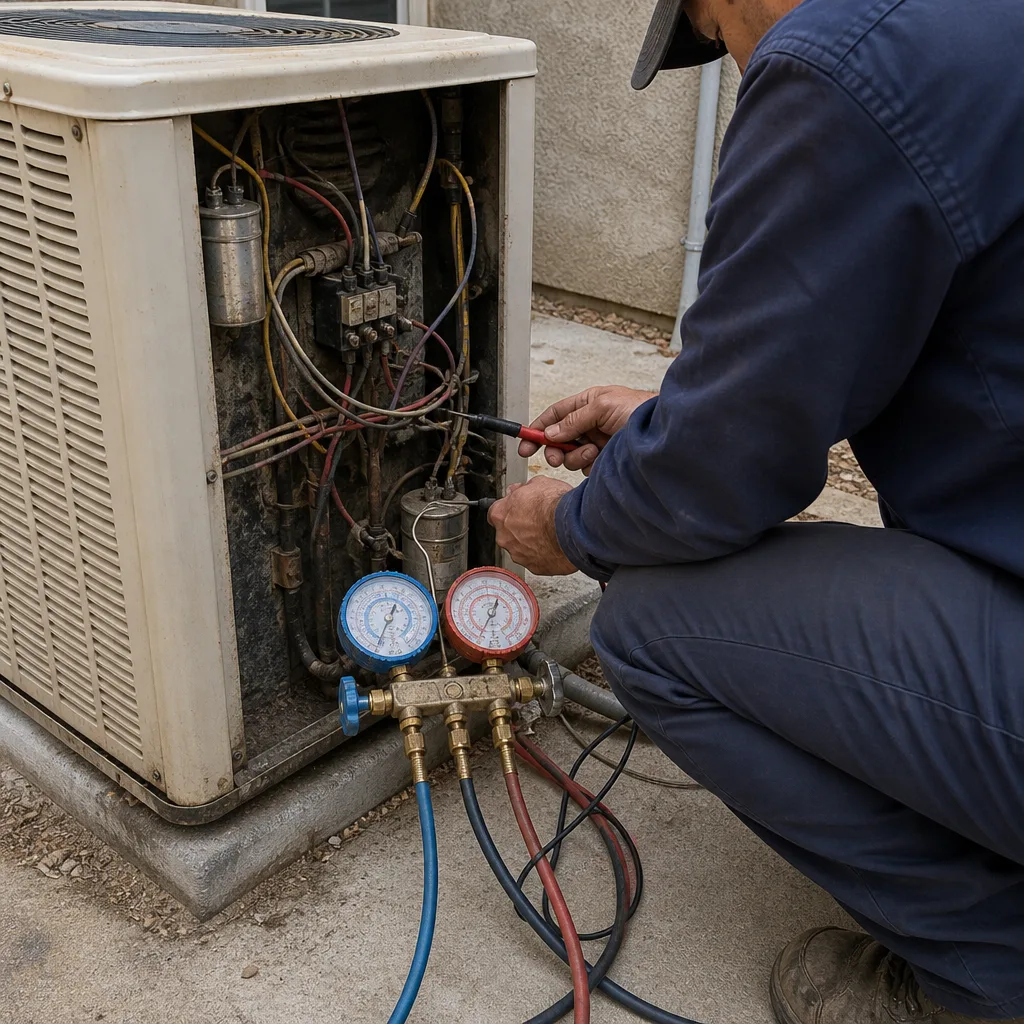 Before
 After
 Before
 After
 Before
 After
When to Call a Professional
Some furnace problems are clearly technician territory. Call us when you smell gas, when the furnace won’t ignite at all, when it starts and stops repeatedly, when you hear a grinding or scraping from the blower, or when the heat output is weak no matter the setting. Call immediately if you ever smell gas or see a yellow rather than blue flame, since both can signal a combustion problem. If your carbon monoxide detector goes off, leave the house and call from outside. For planned work like an annual tune-up, don’t wait for a failure; routine service catches the failing igniter and fouled sensor before a cold night does. Brandt HVAC Enterprise offers free estimates in Enterprise, and a live person answers the phone any hour. Call (844) 797-9490. You can also review our Furnace Repair in Enterprise service page and our AC Maintenance in Enterprise offerings for the season ahead.
Frequently Asked Questions
Most furnace repairs take one to two hours of actual hands-on work, but the full process from call to working heat usually runs two to six hours when the part is in local stock. Repairs needing a special-order part can take one to five days. Call (844) 797-9490 for a real timeline on your specific situation; estimates are free.
Often yes, when the needed part is stocked at a Las Vegas Valley supply house. Enterprise’s location inside the valley gives us fast access to common parts, so igniter, capacitor, and flame sensor repairs frequently finish the same visit. Special-order parts still take longer.
Almost always because of parts sourcing, not the repair itself. When a specific control board, blower motor, or heat exchanger has to be ordered, the furnace waits on the part. A technician who explains this before leaving is doing it right.
Repair makes sense when the failed part is common and the furnace is otherwise sound; replacement makes more sense when the heat exchanger is cracked or the unit is failing in several ways at once. A technician will give you a written price for the repair so you can compare honestly. Call (844) 797-9490 to talk it through.
Common fixes run about $150 to $300 for an igniter, with capacitor and flame sensor work in a similar range, while motor and control board repairs run higher. Every job here starts with a written price before any work begins, so you see the cost before you agree to it. Call (844) 797-9490 for an exact quote.
Yes. Every repair includes a written guarantee stating exactly what it covers and for how long, and if it fails within that period we return at no charge under the 365-Day Done Right Promise. It’s why getting the diagnosis and part right the first time matters.
The Bottom Line
The repair itself is rarely the reason you’re waiting. Scheduling, diagnosis, and parts sourcing eat the hours, and parts sourcing is the biggest wildcard. In Enterprise, proximity to the Las Vegas Valley supply houses keeps most common repairs to a single visit, while special-order parts push the timeline to several days. Plan around the phase you’re in, stay safe with interim heat, don’t open the furnace yourself, and use a company that tells you who’s coming before they knock. Brandt HVAC Enterprise answers with a live person around the clock, shows a written price up front, and backs every repair with a written guarantee. Call (844) 797-9490 for a free estimate.
Written by the team at Brandt HVAC Enterprise.