
Last updated November 17, 2026
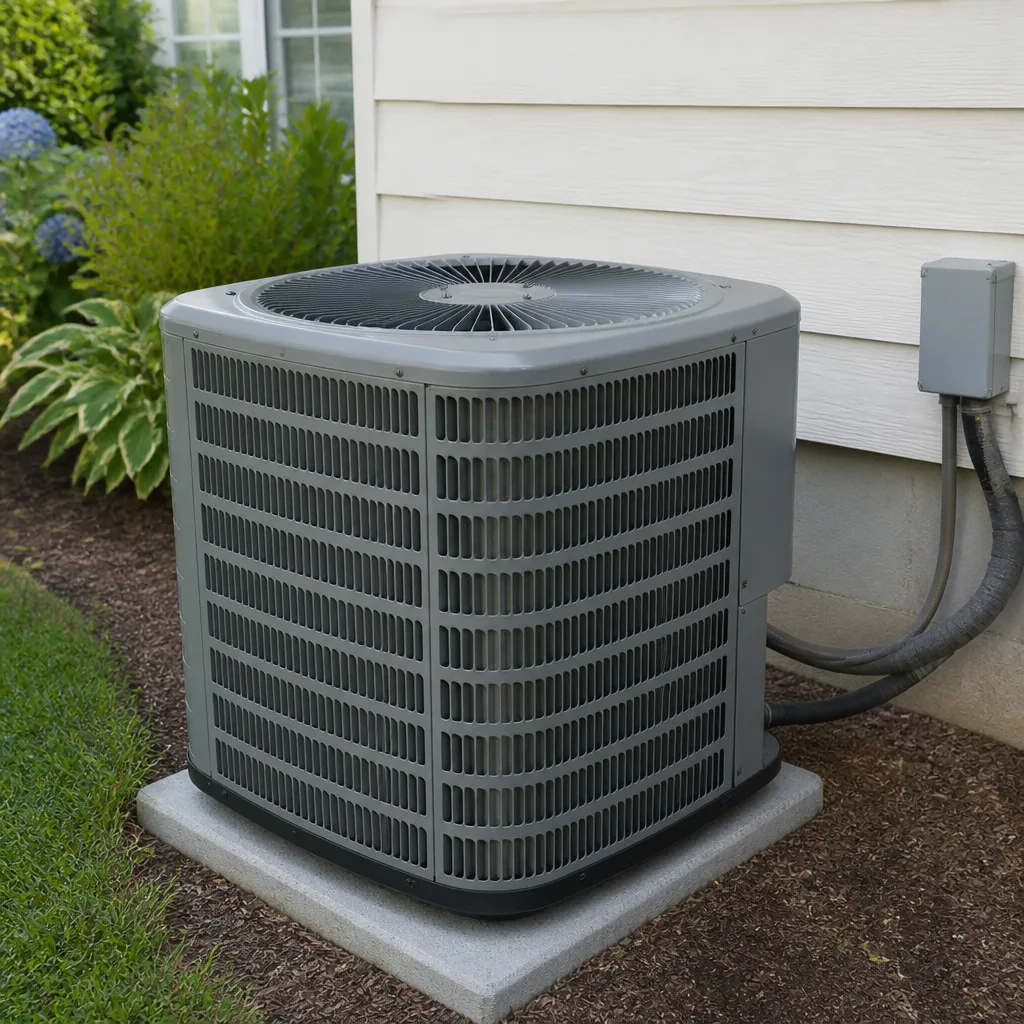 AC repair
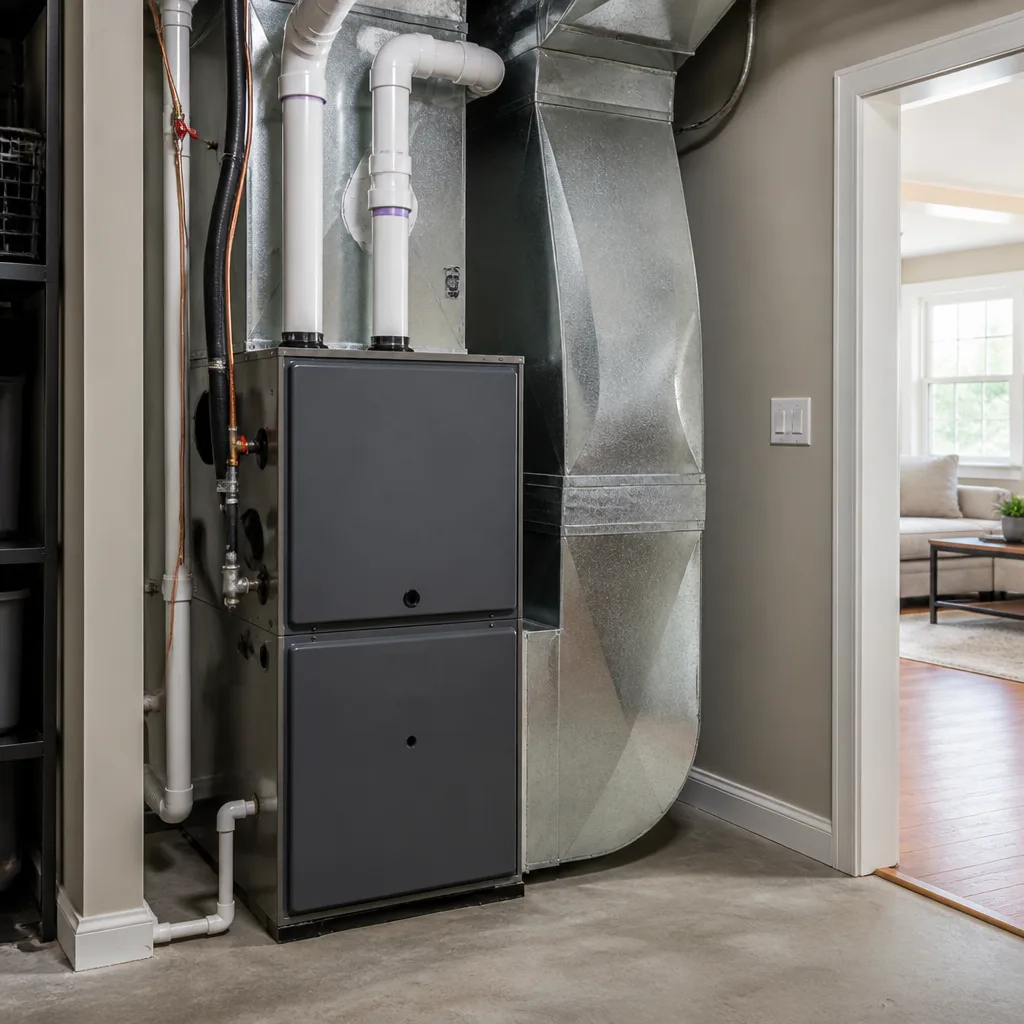 Furnace & heating
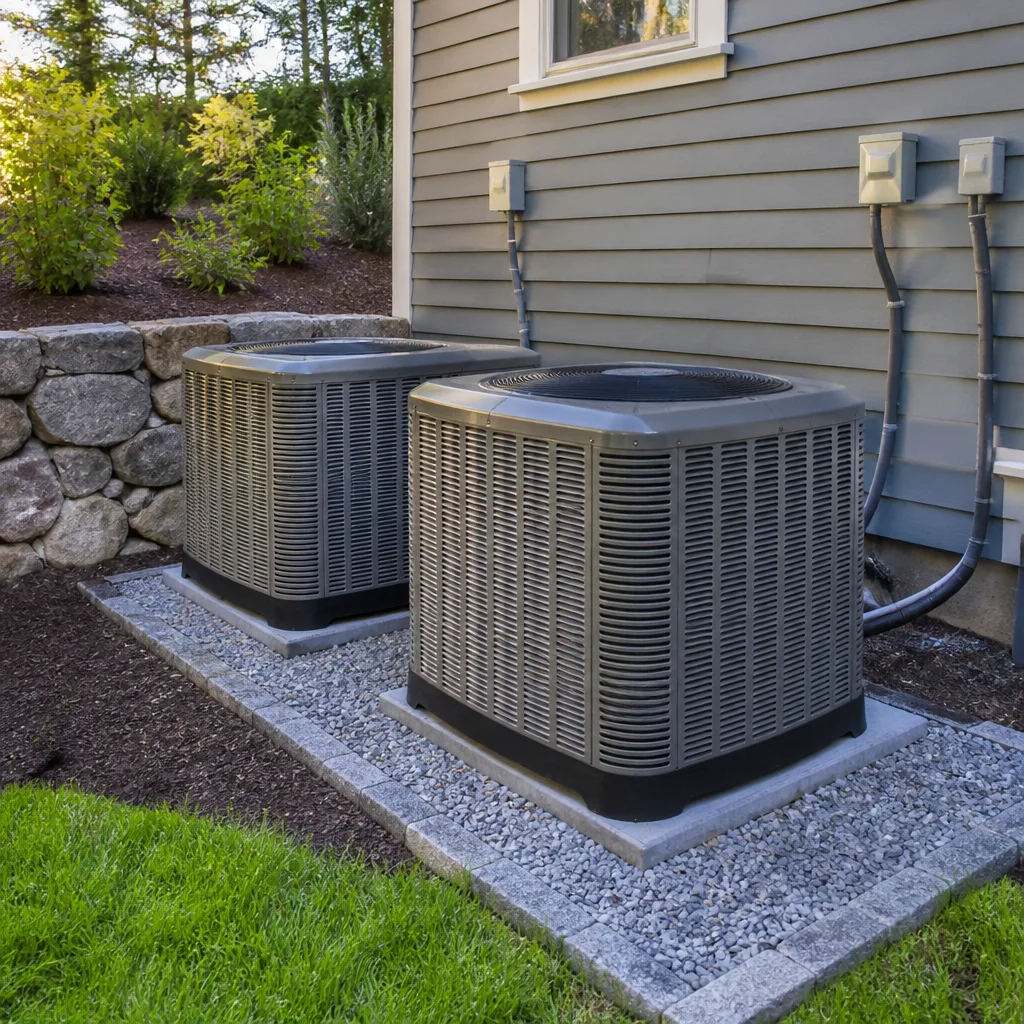 Heat pumps
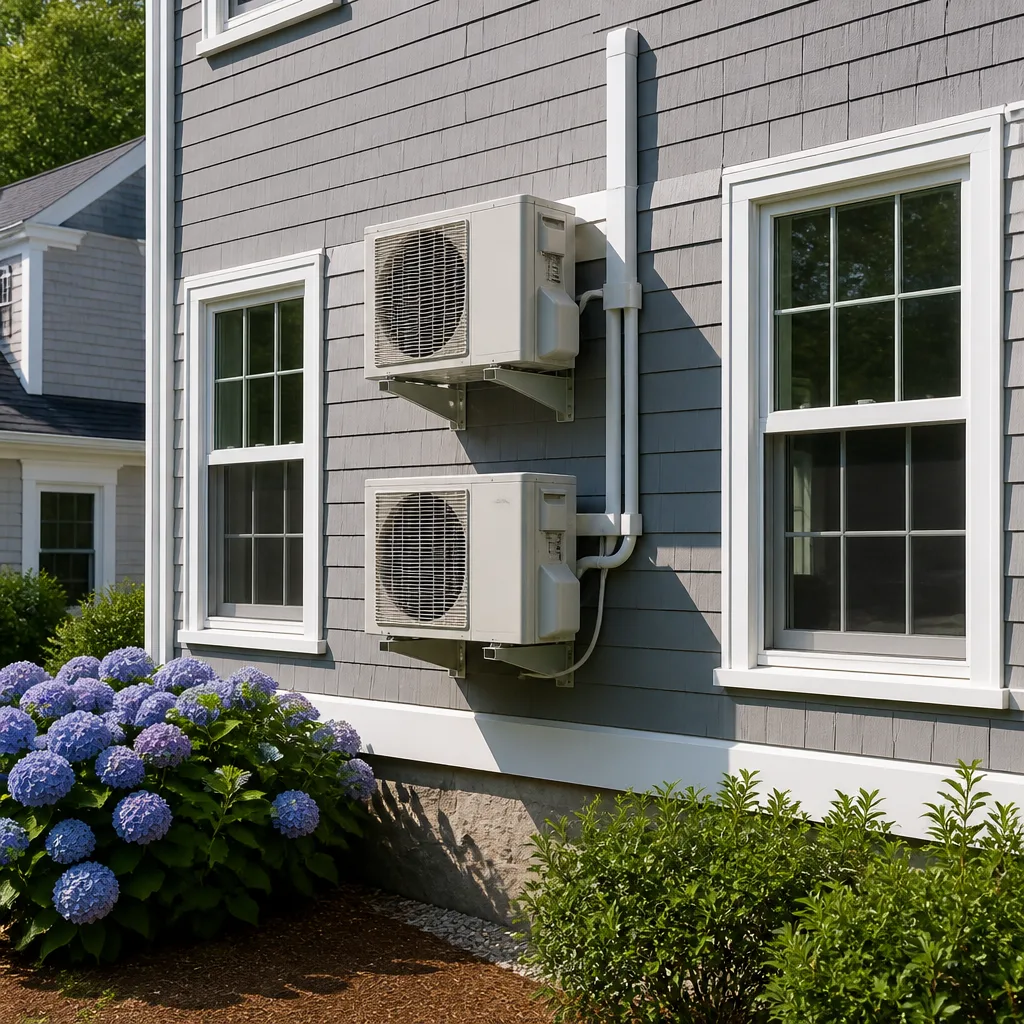 Ductless mini splits
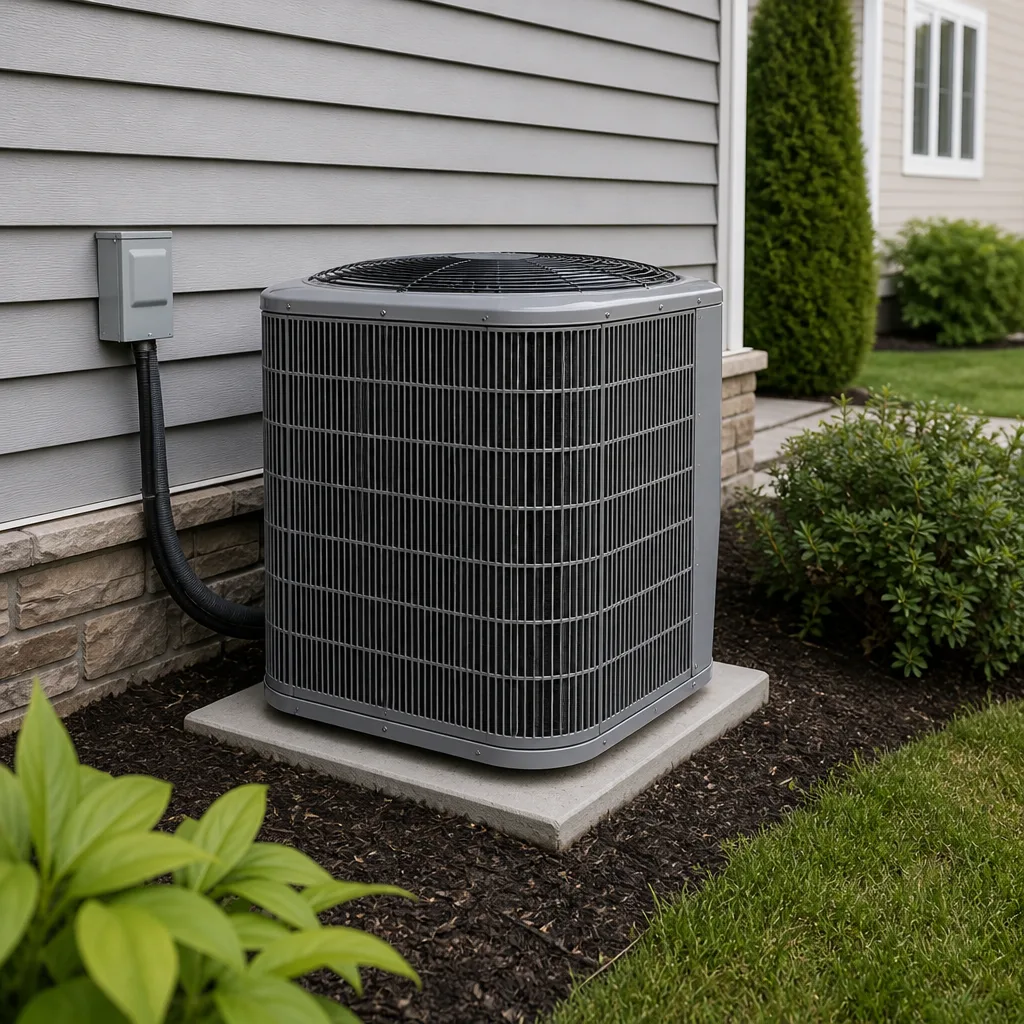 Carrier
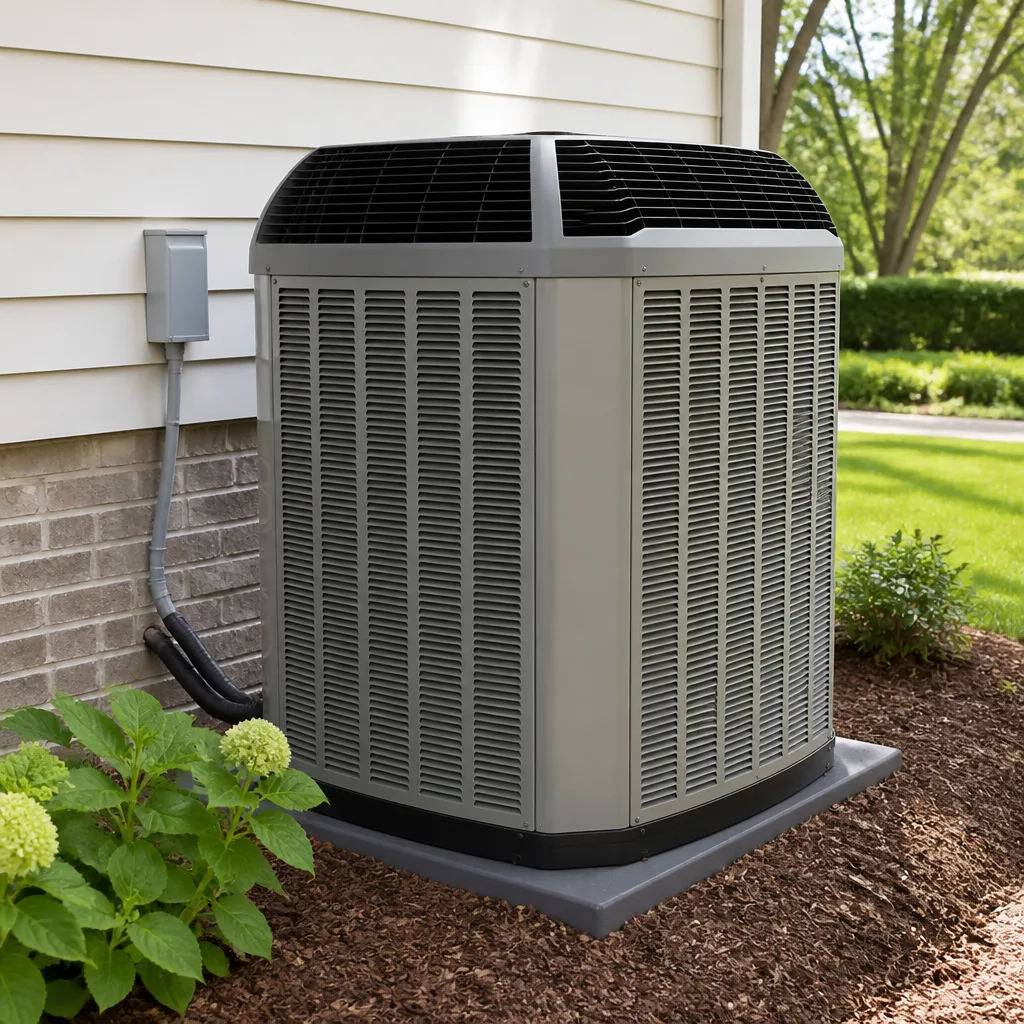 Trane
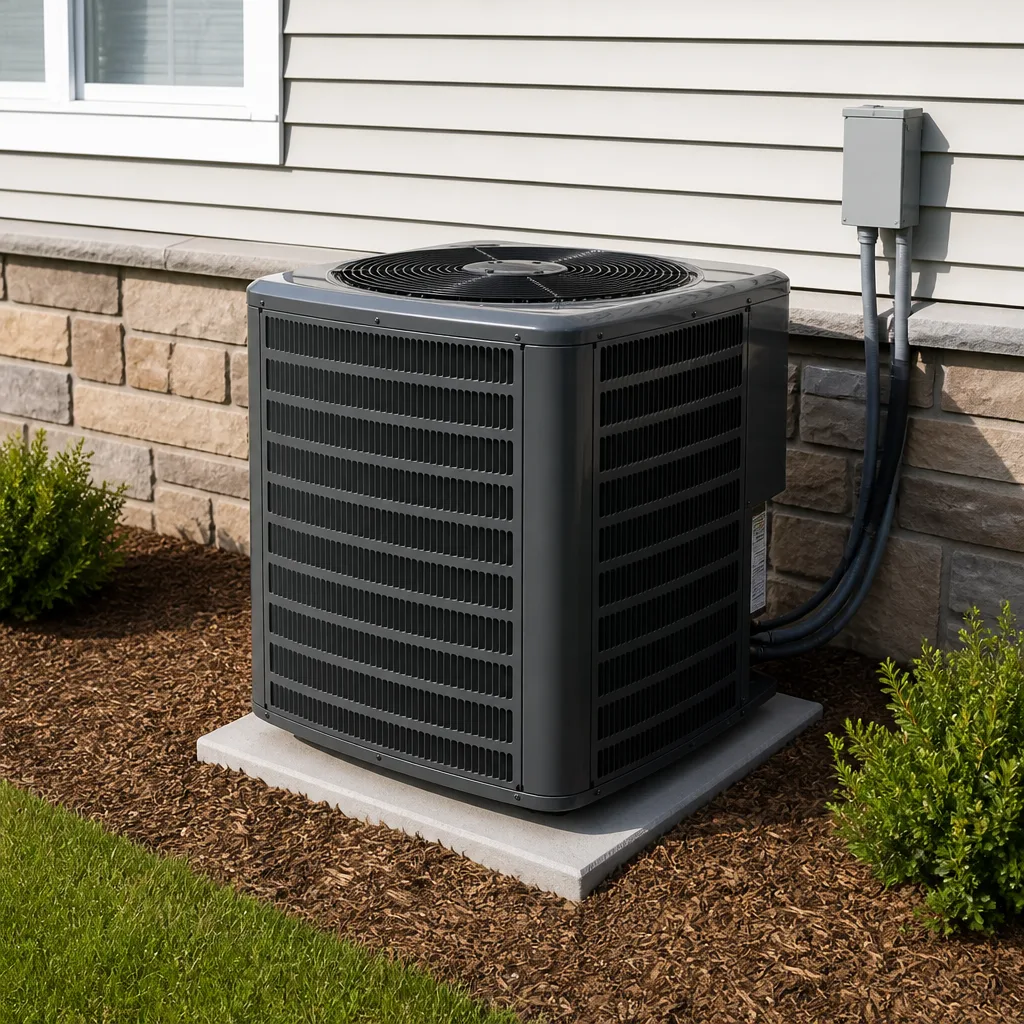 Goodman
Seasonal tune-up and full diagnostic on your Carrier, Trane, or Goodman system - readings shown to you before any repair is proposed
Diagnosis first, numbers second - you approve the repair price before a single part goes in.
Get your free estimateHVAC Emergency Preparedness Guide for Enterprise Homes
Clark County issued 14 heat-related death advisories in 2023, and most of those deaths happened indoors, in homes where the air conditioning had stopped working and nobody had a cooling plan ready. That detail matters more in Enterprise than almost anywhere else in the country. The summer afternoon highs here sit around 105 to 110 degrees for weeks at a stretch, and an unventilated house can cross the dangerous threshold faster than most people expect. This guide is not a repair manual. It’s a readiness protocol: who in your household faces risk within two hours of AC failure, where to go in Enterprise when the house gets unsafe, and how to get same-day help without getting gouged. We’ll walk through all of it.
Quick Answer
An HVAC emergency plan for an Enterprise home has four parts: a written list of household members who face heat-illness risk and a specific action for each, at least two designated cooling locations with addresses and hours, a 10-minute system-down checklist you can run before calling anyone, and a pre-June-1 readiness audit that includes a direct line to a vetted technician. Homes with all four recover from a summer AC failure in hours instead of days. Homes without them tend to make decisions in a 108-degree house, which is the worst possible time to be deciding anything.
Styles & brands we work with
- AC repair
- Furnace & heating
- Heat pumps
- Ductless mini splits
- Carrier
- Trane
- Goodman
Table of Contents
- Who in Your Enterprise Home Is at Risk Within Two Hours of AC Failure
- Cooling Centers and Backup Options in Enterprise and Clark County
- The 10-Minute System-Down Checklist
- What Legitimate Emergency HVAC Pricing Looks Like in Enterprise
- The Pre-Season Readiness Audit: What to Confirm Before June 1
- Should You Repair or Replace After a Summer Failure?
- Common Mistakes to Avoid
- Frequently Asked Questions
If you’re already in an emergency right now, skip to our AC Repair in Enterprise page and call (844) 797-9490. A live person answers 24 hours a day, seven days a week.
Who in Your Enterprise Home Is at Risk Within Two Hours of AC Failure?
Heat illness moves faster than most homeowners believe. The CDC’s rough threshold for indoor danger is a heat index above 90 degrees, and in an Enterprise house with the AC off on a July afternoon, the indoor temperature can pass that within an hour or two. The American Academy of Pediatrics and CDC both flag the same vulnerabilities: very young children, adults over 65, people with heart or lung conditions, and anyone whose medications interfere with sweating or blood flow.
Here’s the action protocol for each category. Write these down before summer and keep the list somewhere you’ll see it.
- Adults over 65, especially those living alone. Move them to a cooling location or a hotel with AC on day one, not day two. Older bodies thermoregulate less efficiently and often don’t feel thirst or heat the way younger people do. A check-in call every 90 minutes is a reasonable minimum.
- Infants and children under 4. Dressing them in just a diaper and using damp, room-temperature washers on the neck and wrists helps buy time, but cooling centers are the real answer for anything longer than a couple of hours. Heat stroke risk in infants climbs fast past 100 degrees indoors.
- Anyone on diuretics, beta-blockers, antihistamines, or blood pressure medication. These drugs can block sweating or alter blood pressure response to heat. Talk to the prescribing doctor or pharmacist in the spring about hot-weather precautions, and treat these household members as high-risk even if they feel fine.
- Pets. Dogs and cats with flat faces (bulldogs, Persian cats) and any animals with respiratory issues can’t pant efficiently enough in extreme heat. Bring pets to cooling centers that allow them, or to pet-friendly indoor alternatives. Never leave them in a car, even for a few minutes, even with windows cracked.
- Anyone with cardiovascular or respiratory conditions. Asthma, COPD, and heart disease all interact badly with prolonged heat and poor indoor air. If portable air purifiers or fans are the only backup, running them with windows closed can actually concentrate pollutants. Open the house if outdoor air is better than indoor.
Write the list down. Tape it inside a cabinet. Practice it once in spring. The people who recover fastest from a summer failure in Enterprise are the ones who already know who needs to relocate first.
Cooling Centers and Backup Options in Enterprise and Clark County
Clark County operates emergency cooling centers throughout the summer, and Enterprise residents generally have access to several within a short drive. The problem is that trying to look up addresses on an overheated phone while sitting in a 105-degree house is exactly when the information is hardest to access. Print it. Put it in the glove box and on the refrigerator.
Before summer, do three things:
- Call 2-1-1 (Clark County’s community services line) and confirm this year’s cooling center locations and hours. Locations rotate. The library branch closest to you may or may not be designated this year. Hours are usually mid-morning to early evening, and centers often close earlier on holidays. Ask specifically about weekend hours.
- Write down two addresses with phone numbers. One within five minutes of your home, one within fifteen. Have a backup because the closest one may be at capacity during a regional heat event.
- Check what the center provides. Most Clark County cooling centers allow small pets in carriers but not large dogs. Water is typically provided. Bring identification, medications, phone charger, and anything you need for kids or medical devices. Bring your own snacks.
Backup options matter too. Libraries, malls, senior centers, movie theaters, and grocery stores all function as de facto cooling locations during a heat advisory. If you have family or friends with reliable AC, an overnight stay is worth asking about. Hotels are a real option many Enterprise homeowners overlook – a single night in an AC-equipped hotel can be far cheaper than a medical bill. Decide in April which of these you’d pick under stress, and tell your family the plan.
For long-term comfort strategies, our AC Maintenance in Enterprise page explains how seasonal tune-ups cut the risk of midsummer failure in the first place.
The 10-Minute System-Down Checklist
About one in five emergency “no cooling” calls resolves without any technician needed. Before you dial anyone, run these five checks. They cost nothing and take about ten minutes.
- Confirm the thermostat is actually calling for cool. Batteries die, mode gets bumped to heat, fan gets set to ON instead of AUTO, or a schedule overrides your manual setting. Set it to COOL, AUTO fan, target 78, and listen for the outdoor unit to hum within two minutes.
- Check the breaker at the main panel and the disconnect at the condenser. Air conditioners pull heavy amperage and can trip a dedicated breaker. If the breaker is tripped, reset it once. If it trips again, stop and call a professional – a repeated trip is a symptom of a real electrical fault, and resetting it repeatedly is not safe.
- Look at the air filter. A fully clogged filter starves airflow, ices the indoor coil, and can shut the system down within hours. Replace it if you can see through it clearly or not at all. In Enterprise’s dusty summer air, we see filters loaded up in 30 days during June and July.
- Walk outside and listen. If the outdoor fan spins but you hear only a hum or nothing from the compressor, the problem is likely electrical or refrigerant. If the fan is short-cycling every 30 to 60 seconds, the compressor may be overheating. Note what you hear. That detail saves the technician time and saves you money.
- Inspect the condensate drain and float switch. Your indoor unit removes several gallons of moisture a day. If the drain pan is full or the float switch has tripped, the system shuts down to protect itself. Many condensate pumps have a small reset button. If water is actively leaking, shut the system off at the thermostat and call – water damage is a separate and worse problem.
If all five checks pass and the house still isn’t cooling, that’s a real service call. A licensed technician can diagnose refrigerant issues, compressor faults, control board failures, or blower motor problems that you should not attempt yourself. The electrical panel and refrigerant side of an AC system are dangerous – the capacitor in an outdoor unit can hold a lethal charge even with the power off. We don’t recommend homeowners open the equipment.
What Legitimate Emergency HVAC Pricing Looks Like in Enterprise
Emergency HVAC pricing in Enterprise runs higher than weekday-standard service – that’s fair and expected. What’s not fair is pricing that has no ceiling. Here’s what legitimate emergency rates look like and how to spot someone using the emergency as leverage.
- Diagnostic fee: typically $89 to $149 in Enterprise, sometimes waived if you proceed with the repair. You should be told the amount on the phone, before the technician is dispatched.
- After-hours or weekend surcharge: a flat fee, usually $50 to $100, that is stated upfront. Legitimate companies quote it in writing. They don’t surprise you with it after the work is done.
- Common repairs: capacitor replacement usually runs $150 to $300 installed; blower motor replacement $400 to $700; a bad contactor $150 to $350.
- Refrigerant recharge: $200 to $500 depending on the refrigerant type and how much is needed. A properly functioning system doesn’t leak, so a recharge without a leak diagnosis is a red flag.
- Compressor replacement: $1,200 to $2,500 or more, depending on brand and system size.
Two things separate a fair emergency call from a rough one. First, a written price before any work starts. Second, a technician who shows you the failed part and explains what went wrong in plain language. If either is missing, pause. If someone quotes a number that has no apparent relationship to the parts involved, or pressures you into a full system replacement on the spot, get a second opinion unless it’s a genuine health emergency. In the middle of a heat advisory, you may not have the luxury of waiting – so it pays to already know who you’d call.
For brands like York, Daikin, and Bryant, parts availability matters. Most major HVAC brands use widely available components, but a few less common models need a specific part ordered overnight. Ask the dispatcher about parts if the phone tech is diagnosing over the line. Call (844) 797-9490 for a written price before anything starts – a live person answers 24 hours a day.
The Pre-Season Readiness Audit: What to Confirm Before June 1
Homeowners who go into a summer without these four items confirmed are, statistically, going to be the ones searching for an emergency number in 100-degree heat. Confirm all four by June 1.
- A recent tune-up on record. A spring maintenance visit catches failing capacitors, weak contactors, low refrigerant, dirty coils, and clogged filters before the system is asked to run at full load for 60 days straight. Schedule it in March or April, not June, when every company is booked. Our AC Maintenance in Enterprise page covers what a real tune-up should include.
- A direct line to a specific HVAC company, not just a search result. Save the number in your phone under a name you’ll recognize, and write it on the printed plan in your cabinet. Better, save the name of the company and what they guarantee. During a Clark County heat advisory, call volume spikes and phone trees clog. A company whose phones are staffed by a live person 24/7 will reach you; one that routes to voicemail will not.
- A written guarantee you understand. Before summer, know what guarantee your HVAC company offers and exactly what it covers. A repair that fails within the guarantee period should trigger a free return visit, no argument. If you don’t have that in writing, you don’t have it at all.
- A verified technician protocol. If you wouldn’t open the door to a stranger at 9pm in July without knowing who was there, you already know why this matters. Ask the company before you need them: do they background-check and identity-verify their technicians? Do they send the tech’s name and photo before arrival? Do they carry a badge? At Brandt HVAC, the Threshold Verified standard means every technician is background-checked and identity-verified, introduced to you by name and photo, and shows a photo ID badge at the door. If anyone arrives you weren’t told to expect, that visit is on us and we make it right.
For furnace-side needs, the same audit applies in reverse season. Our Furnace Repair in Enterprise page covers the winter equivalent – and it matters, because a home that loses heat in January is just as dangerous as one that loses cooling in July.
Should You Repair or Replace After a Summer Failure?
The general rule: if the system is over 15 years old, the repair exceeds $1,500, or you’ve had two or more major repairs in three years, replacement often pays back faster than repair. Below that line, repairing is usually the better financial move – especially if you can get a written guarantee on the repair.
Two Enterprise-specific considerations come into play. First, our summers run the equipment at high load for months, which shortens the working life of an AC compared to milder climates. A 15-year-old unit in Enterprise has lived a harder life than a 15-year-old unit in Portland. Second, Clark County offers seasonal energy efficiency rebates on qualifying replacements at various times of year, and utility programs change annually. Ask about rebates before you commit to a replacement – the paperwork should be handled as part of the install, not left to you.
If you’re facing that decision right now, our Brandt HVAC Enterprise home page lays out what an in-home consultation looks like: a written price, an install date you set, and no work starting before you’ve seen the number.
Common Mistakes to Avoid
- Waiting until the system fails to look up who to call. In a heat advisory, everyone in Enterprise is calling at once. Pre-saved numbers and a printed plan mean you’re not competing for the same technician as 40 other homeowners.
- Relying on phone search during a heat event. Phones overheat throttled in 108 degrees, batteries drain, and cell towers get congested. Printed information is the only reliable plan under stress.
- Leaving windows open for “airflow” during the hottest part of the day. In Enterprise dry heat, open windows during afternoon hours can make the indoor temperature climb faster than keeping them closed. Close up, draw blinds, and run fans only if outside air is cooler than inside air.
- Running portable fans in a hot room without ventilation. Above about 95 degrees indoors, a fan pushing hot air does more to accelerate dehydration than to cool you. Move to a cooling center instead.
- Skipping a spring tune-up to save money. A $130-180 tune-up catches the failure that would cost $700 in July. Skipping it is not thrift, it’s buying a repair at the worst possible time.
- Hiring the first company that answers without asking about guarantees and technician verification. Emergency pricing gets steep fast, and anyone can claim anything at 11pm. Ask before you book.
- Ignoring the condensate drain all summer. A clogged drain line shuts the system down and can cause water damage inside walls. A 20-cent pipe brush run down the drain in May prevents most of it.
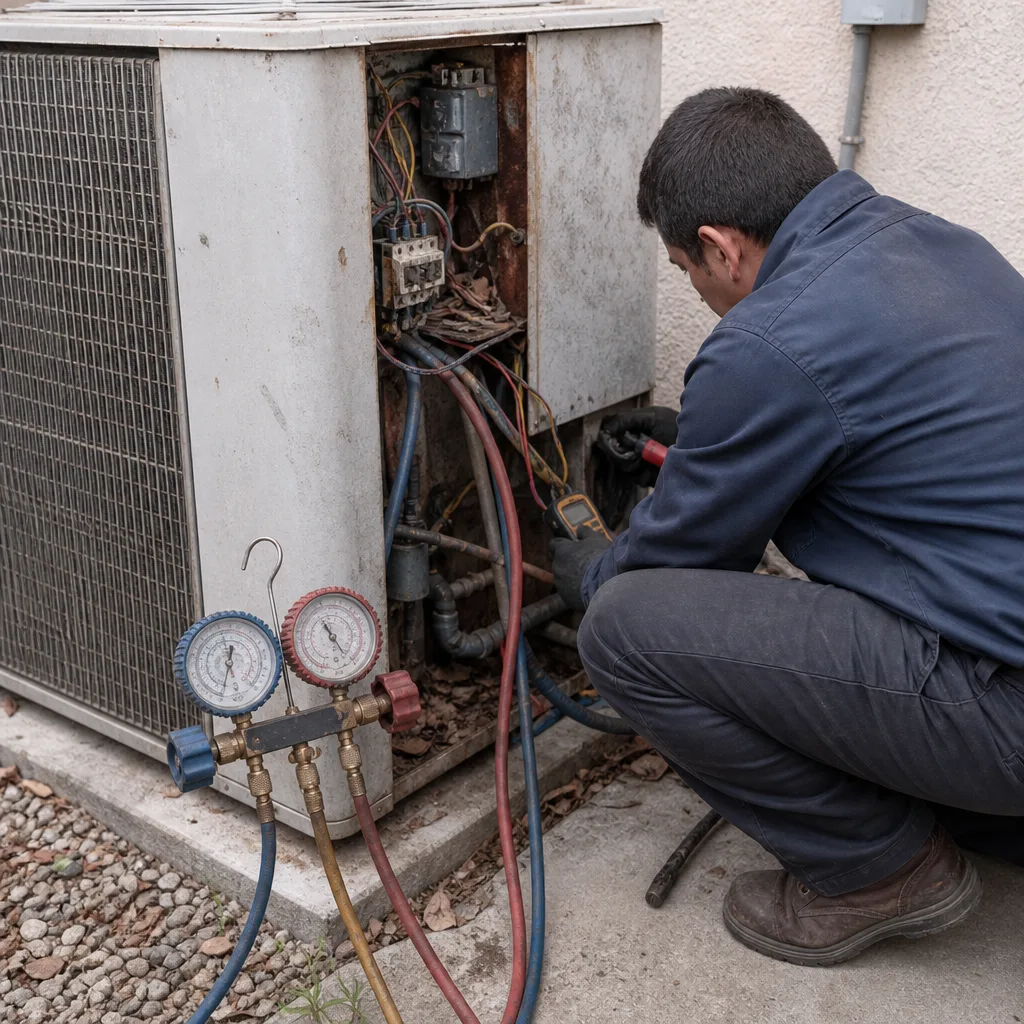
See the difference
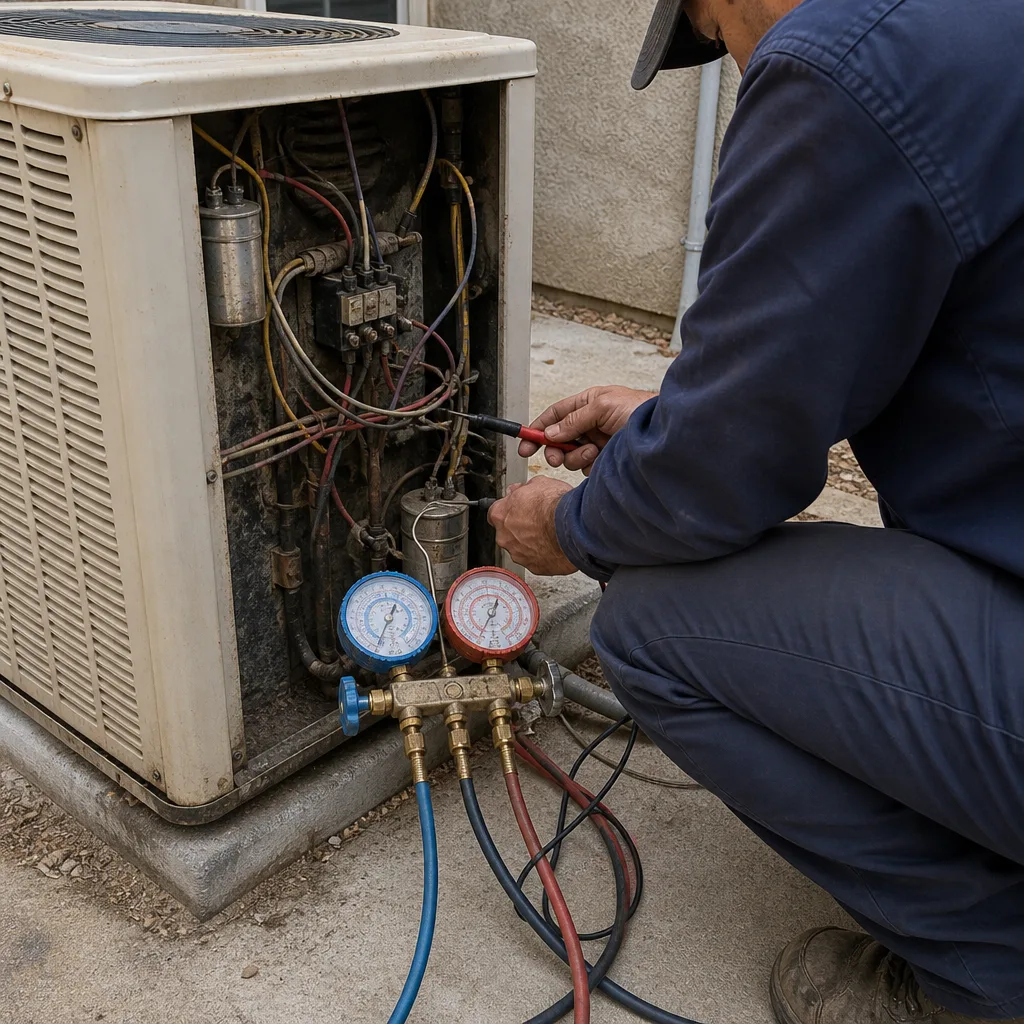 Before
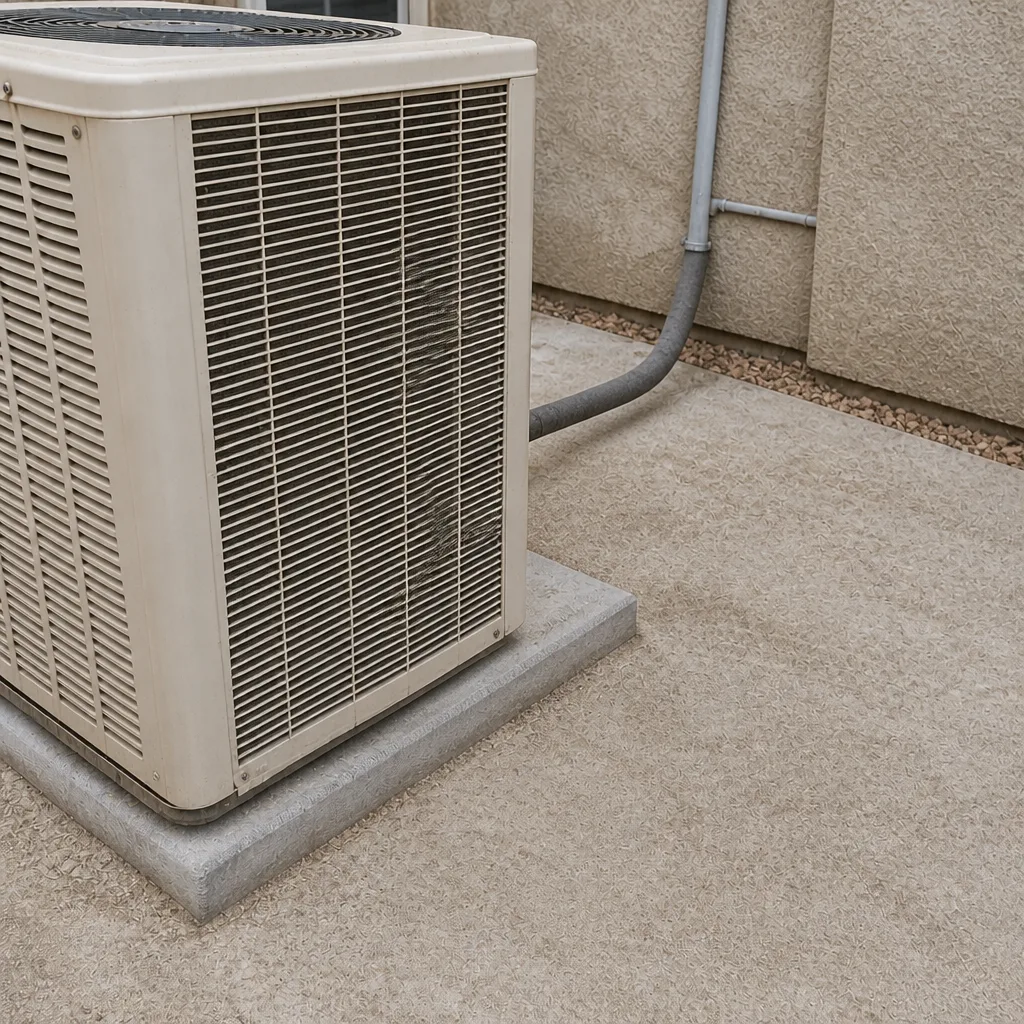 After
 Before
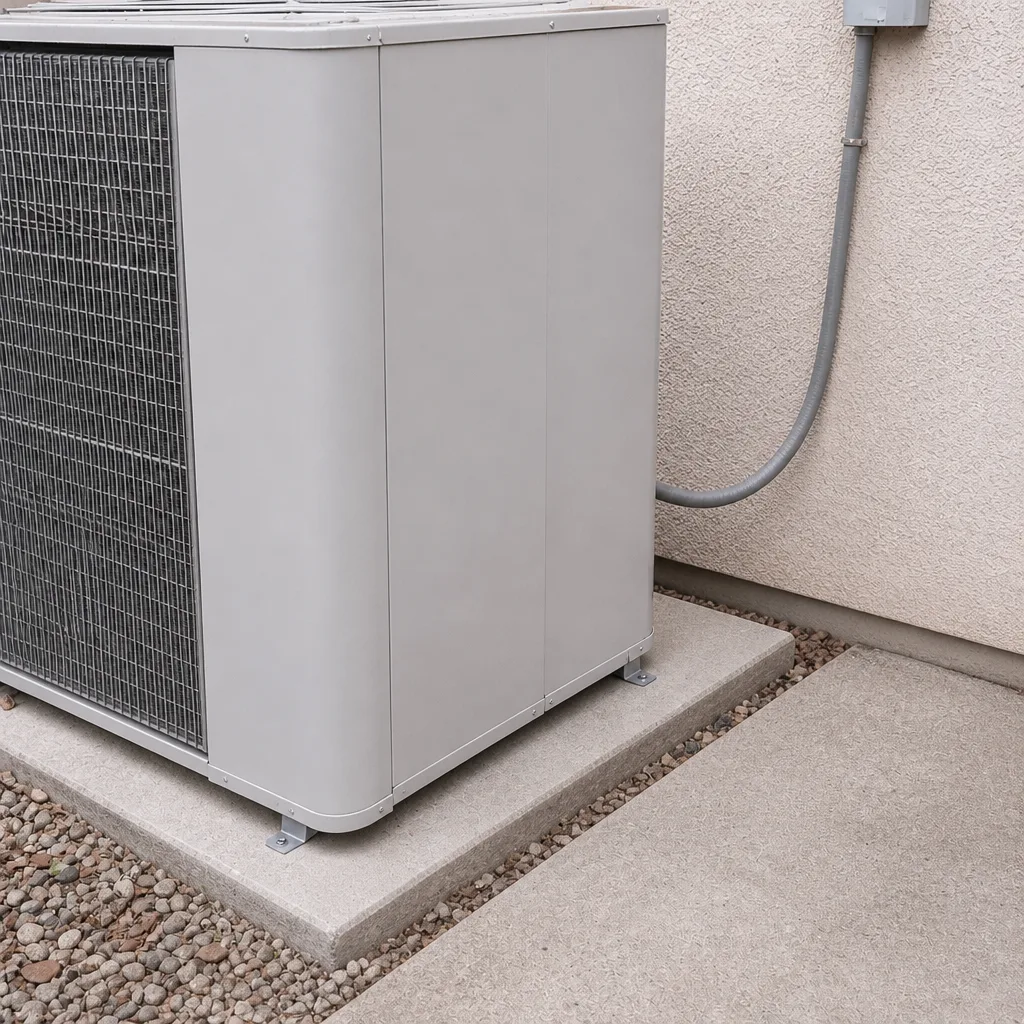 After
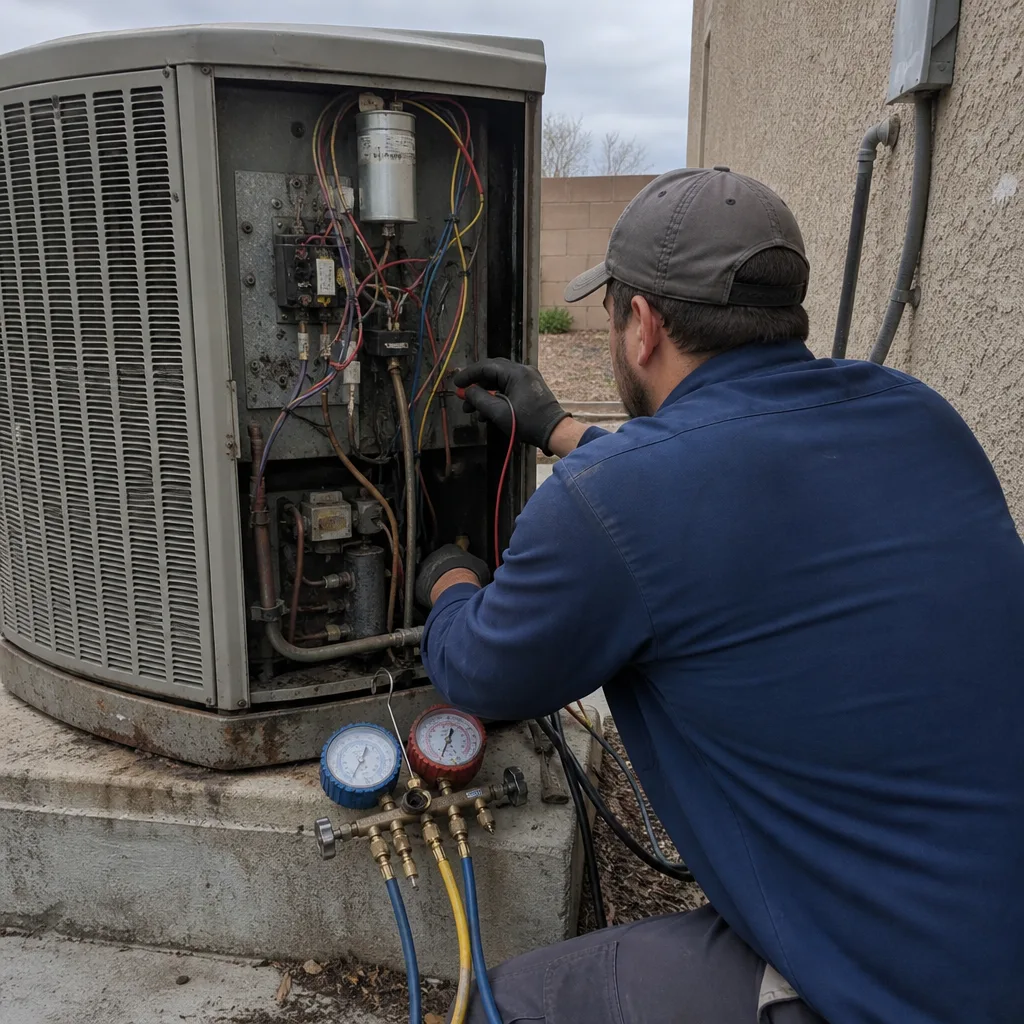 Before
 After
When to Call a Professional
Call a professional for anything involving refrigerant, electrical components, gas lines, compressor work, or full-system diagnosis. That’s not caution for its own sake – it’s the boundary where homeowner fixes turn into homeowner injuries. Specific scenarios that justify a same-day call: system not cooling after a thermostat reset and filter swap; breaker tripping repeatedly; outdoor unit humming but not running; water actively leaking from the indoor unit; any burning smell or repeated clicking from the panel. Brandt HVAC Enterprise offers free estimates in Enterprise – call (844) 797-9490 and a live person will help you decide whether it’s an emergency or a next-day visit. Written price before any work starts. Every repair comes with a written guarantee, and if a repair fails within the guarantee period, the return visit is free under the 365-Day Done Right Promise. Our technicians have up to 23 years of experience and service every major brand, including York, Daikin, Bryant, and American Standard.
Frequently Asked Questions
On a 108-degree Enterprise afternoon, an indoor space with closed windows can pass the danger threshold of 90 degrees indoor heat index in roughly one to two hours, especially in west-facing rooms with unshaded windows during the afternoon. Infants, older adults, and anyone with cardiovascular or respiratory conditions reach medical risk faster. If anyone in your home falls into these categories, relocate to a cooling location on day one rather than waiting.
Clark County operates designated cooling centers each summer; the exact locations and hours change year to year, so call 2-1-1 to confirm the current list. Bring photo ID, medications, phone charger, water, snacks, and a carrier if you have a small pet. Print the two closest addresses and phone numbers now, before summer, and keep them on the refrigerator and in the car.
Diagnostic fees typically run $89 to $149, and after-hours surcharges are usually a flat $50 to $100 stated upfront. Common repairs range from $150 for a capacitor to $2,500 or more for a compressor replacement. A legitimate company quotes the price in writing before any work starts. Call (844) 797-9490 for an exact quote – estimates are free.
Most same-day emergency calls in Enterprise can be reached the same day when you call early, and calls are answered by a live person 24 hours a day, seven days a week – no voicemail, no callback queue. If the indoor temperature is unsafe for occupants, say so on the call so the dispatch can prioritize. Call (844) 797-9490.
Ask the company before booking whether they background-check and identity-verify technicians and send the tech’s name and photo before arrival. At Brandt HVAC, the Threshold Verified standard means every technician is background-checked, identity-verified, introduced to you by name and photo, and shows a photo ID badge at the door. If anyone arrives you weren’t told to expect, that visit is on us and we make it right.
In general, repair if the system is under 15 years old and the repair costs less than $1,500 with no history of repeat failures. Replace if the system is over 15 years old, the repair exceeds $1,500, or you’ve had two or more major repairs in three years. Enterprise’s long cooling season shortens equipment life a bit compared to milder climates, so ask about rebates if you’re near that line. Call (844) 797-9490 for a written estimate on both options.
The Bottom Line
A summer AC failure in Enterprise is a health event, not just a comfort problem. The homeowners who come through it safely and affordably are the ones who did four things before June: they wrote down who in the household is high-risk and what to do for each, they printed the closest cooling center addresses and hours, they learned the 10-minute checklist so they don’t panic-call, and they saved the number of a company that sends a verified technician, quotes a written price before the work, and answers the phone 24/7. That’s the whole plan. Build it once. Use it every summer.
If you’re reading this in spring, book your tune-up now. If you’re reading this in July with a hot house, call (844) 797-9490. A live person answers, day or night. Our AC Repair in Enterprise team can talk you through whether it’s an emergency or a scheduled visit, and every job starts with a written price you agree to before anyone picks up a tool. Free estimates. Written guarantee on every repair. The 365-Day Done Right Promise behind it. Brandt comes from an old word for a firebrand – and keeping a home warm, or cool, is exactly the work we do.
Written by the team at Brandt HVAC Enterprise.