
Last updated November 17, 2026
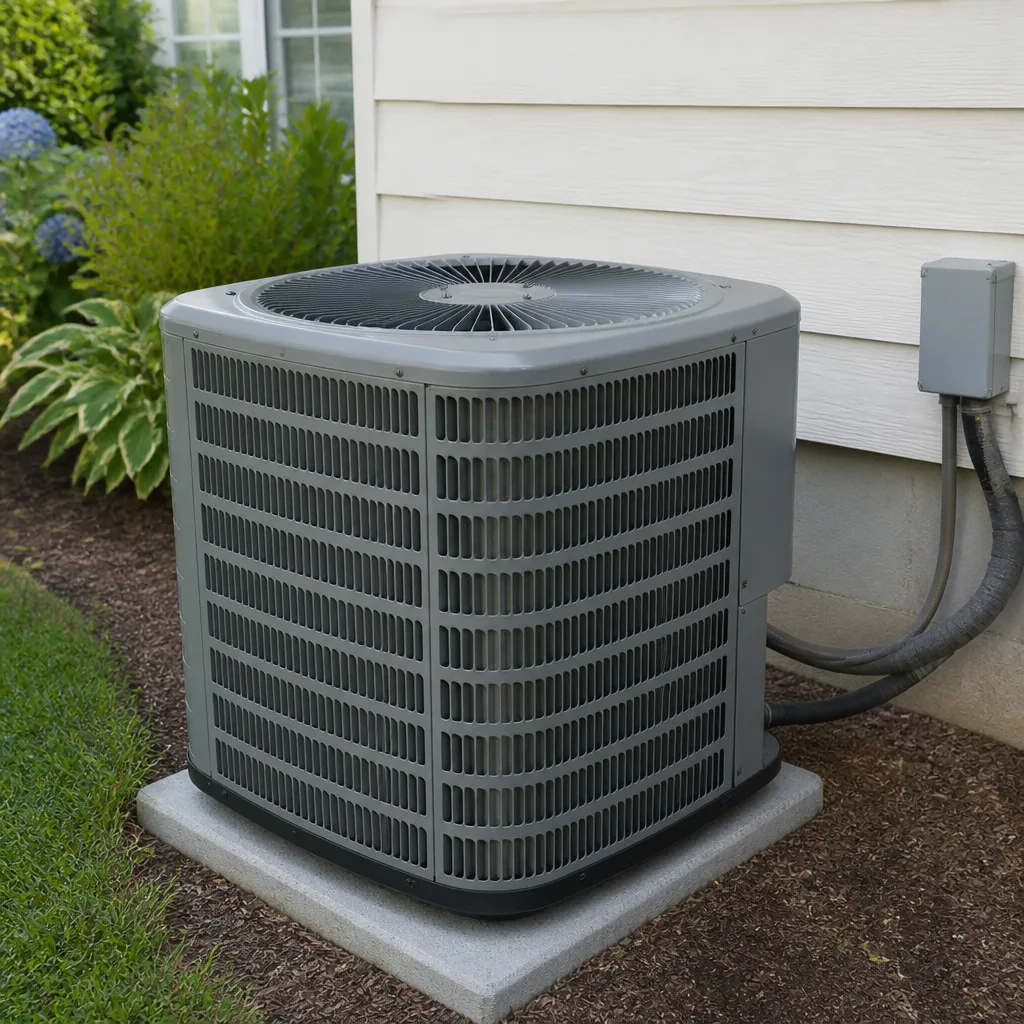 AC repair
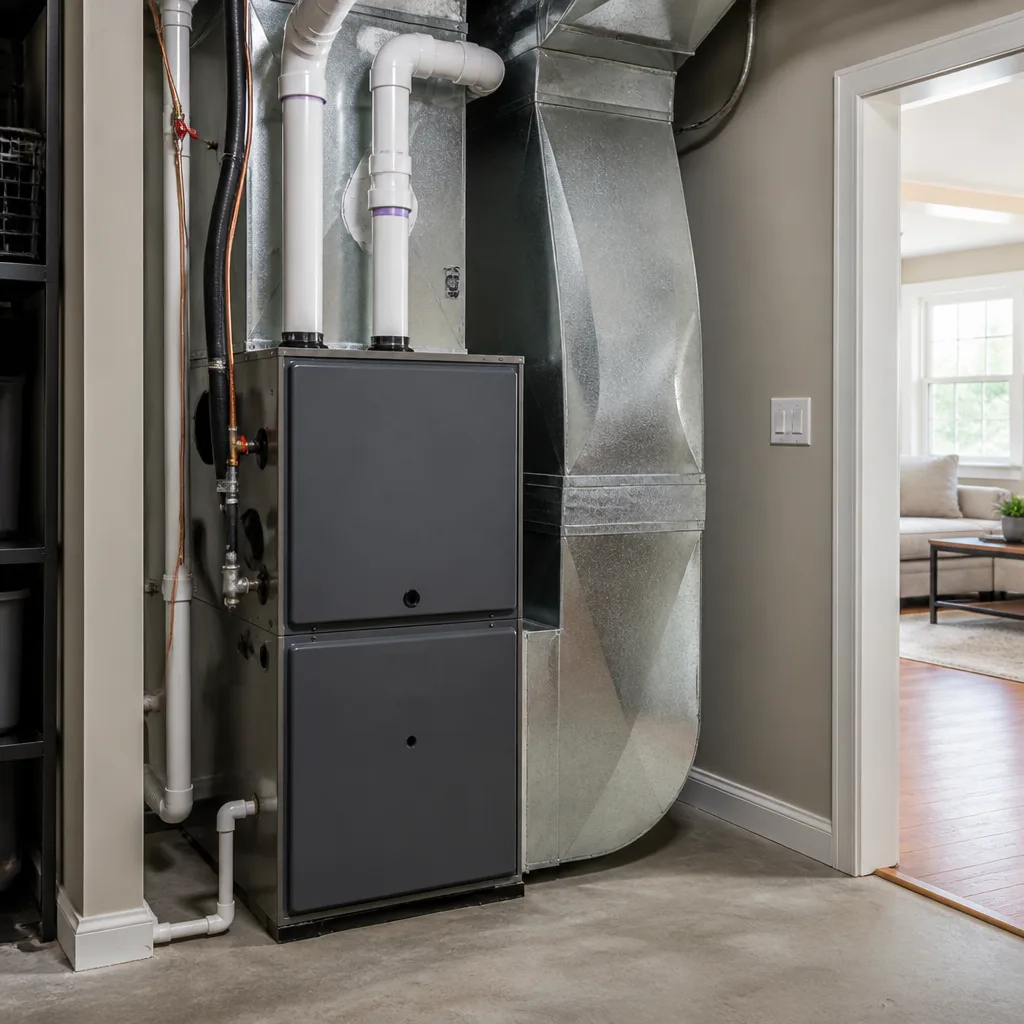 Furnace & heating
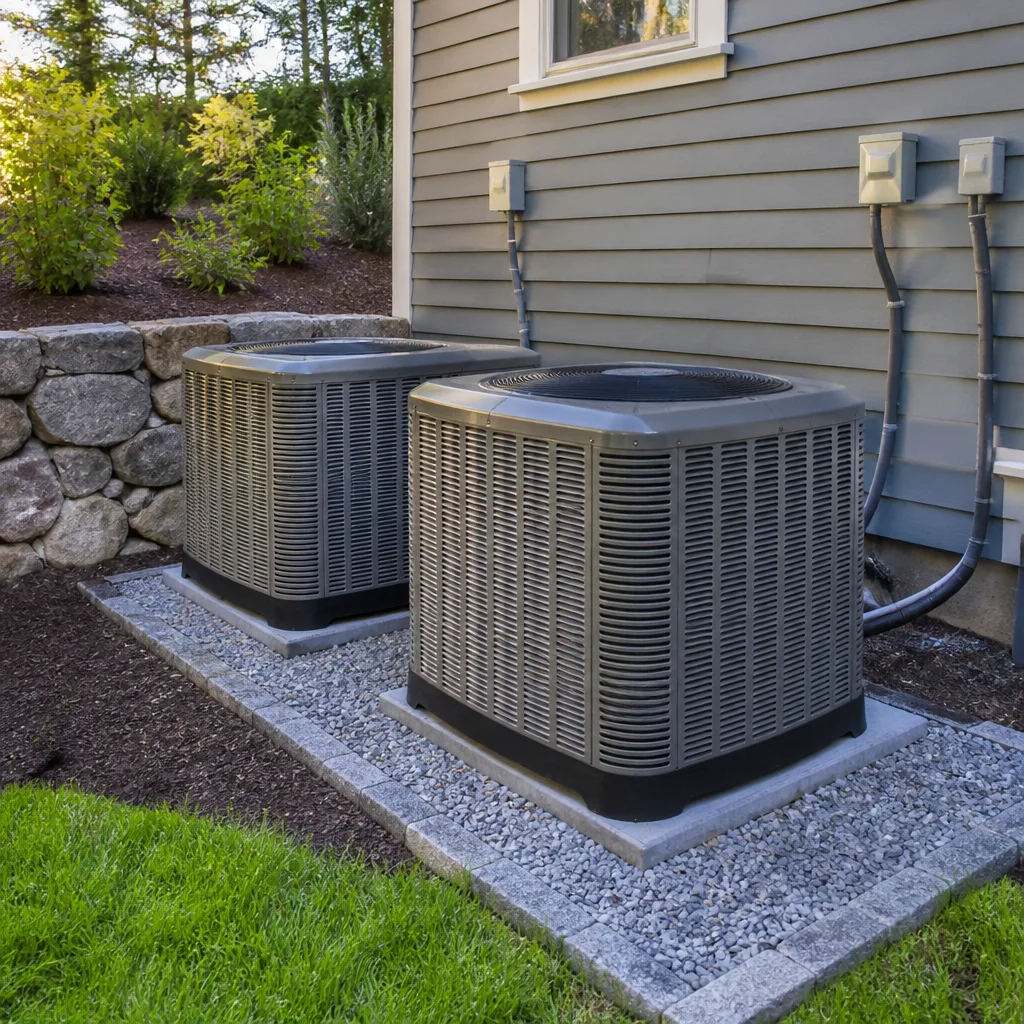 Heat pumps
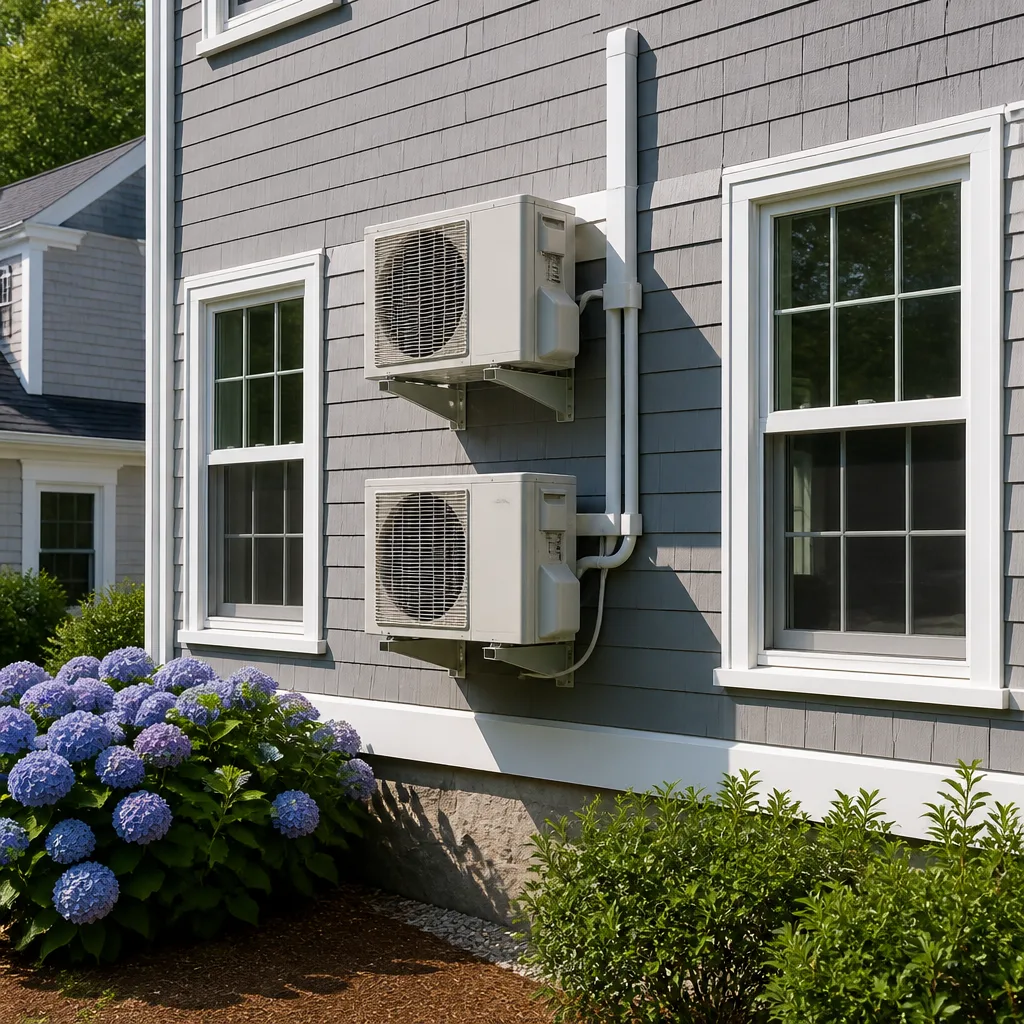 Ductless mini splits
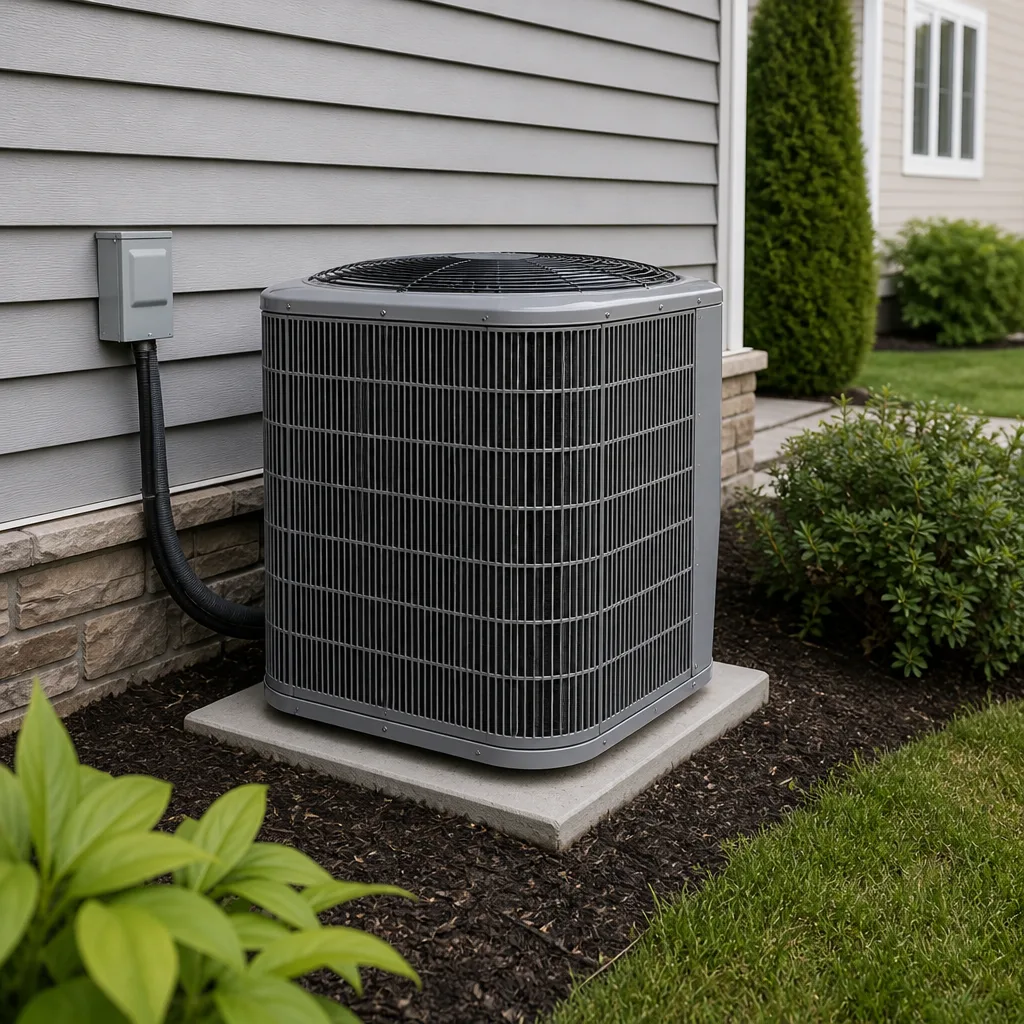 Carrier
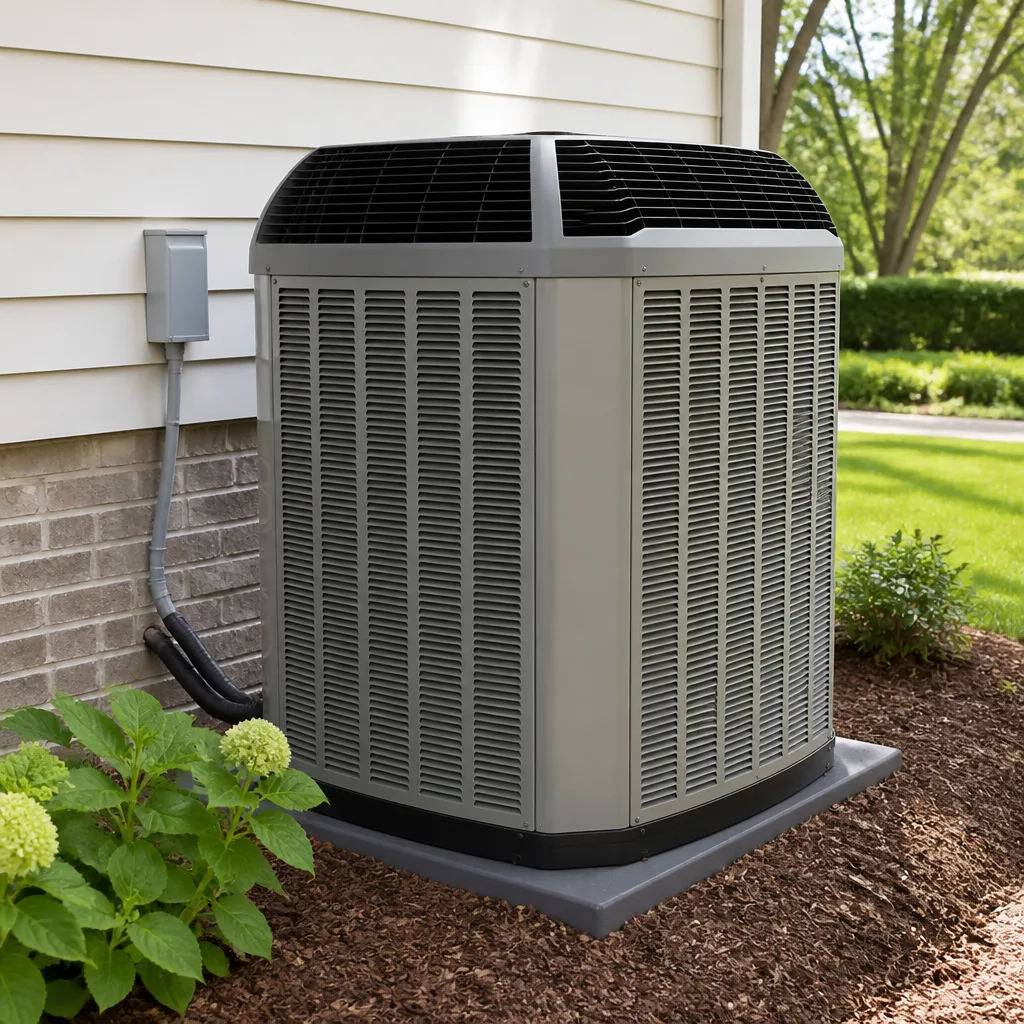 Trane
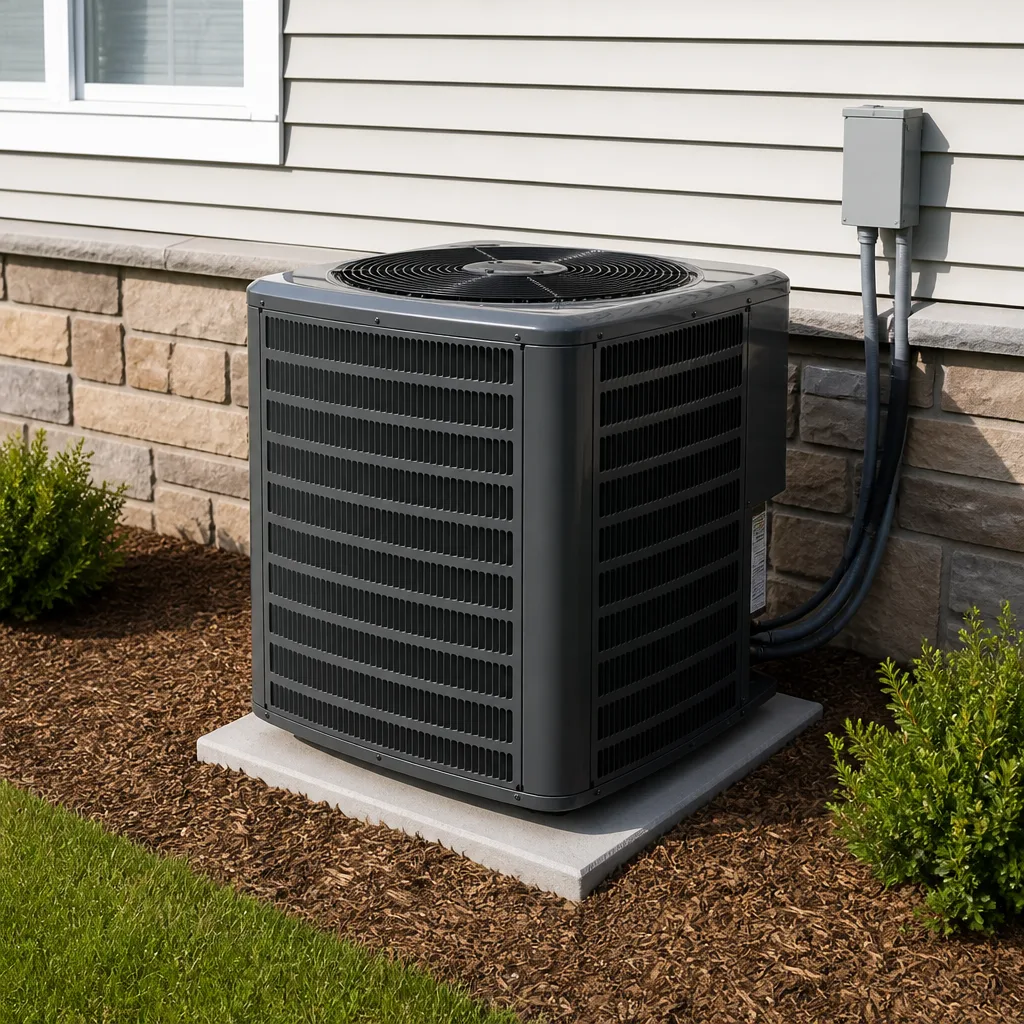 Goodman
Seasonal tune-up and full diagnostic on your Carrier, Trane, or Goodman system - readings shown to you before any repair is proposed
Diagnosis first, numbers second - you approve the repair price before a single part goes in.
Get your free estimateHVAC Permits, Codes & Inspections in NV: What You Need to Know
A replacement condenser installed without a Clark County permit doesn’t just risk a fine. It can be flagged during a home inspection and force a seller to retrofit or disclose the violation at exactly the wrong moment – usually during contract negotiations, when the buyer’s leverage is highest. In our experience working across Enterprise and the rest of the Las Vegas Valley, the homeowner who skipped a $150 permit sometimes ends up crediting a buyer thousands at closing. This guide explains when Nevada HVAC work needs a permit, who is legally allowed to pull it, what a Clark County inspection actually checks, and how to fix a past unpermitted install.
Quick Answer
In unincorporated Clark County – which includes most of Enterprise – replacing an HVAC system, installing new ductwork, adding refrigerant lines, or changing a gas appliance generally requires a permit and inspection. Simple repairs like swapping a thermostat, replacing a capacitor, or changing an air filter do not. The permit must be pulled by a licensed contractor, not the homeowner, and skipping it can void insurance coverage and disqualify you from NV Energy rebates.
Styles & brands we work with
- AC repair
- Furnace & heating
- Heat pumps
- Ductless mini splits
- Carrier
- Trane
- Goodman
Table of Contents
- Which HVAC jobs need a permit in Clark County?
- Which jobs are legally permit-exempt in Nevada?
- Who can legally pull an HVAC permit in Clark County?
- What a Clark County HVAC inspection actually examines
- How permits connect to NV Energy rebates
- Bought a home with unpermitted HVAC work? Here’s the fix
- Why this matters more in Enterprise than you think
- The bottom line
Which HVAC jobs need a permit in Clark County?
Clark County’s building department treats HVAC work the same way it treats most mechanical system changes: if you’re altering the system itself, a permit is required. If you’re restoring it to working order with like-for-like parts, it usually isn’t. The dividing line is whether the work changes the load, the routing, or the safety envelope of the system.
Permits are generally required for:
- Full system replacement – condenser, air handler, furnace, or all three
- Adding a new mini-split or ductless head to an existing property
- Installing new ductwork or rerouting supply and return runs
- Running new refrigerant lines or changing their diameter
- Converting from one fuel type to another (electric to gas or vice versa)
- Adding a new gas-fired appliance, including reconnection to a gas line
- Electrical disconnect changes at the condenser
In Enterprise, most of the housing stock sits in unincorporated Clark County, so the county’s rules apply – not the City of Las Vegas or Henderson codes. That distinction trips up homeowners who call a contractor that regularly works inside city limits and assumes the same paperwork applies. It doesn’t. A permit pulled against the wrong jurisdiction gets rejected, and you start over.
Nevada doesn’t have a statewide HVAC license – the work is regulated at the county level through contractor licensing and the building department. That means enforcement varies. Clark County tends to be thorough on anything that touches gas or electrical. If your contractor shrugs off the permit question, ask for the permit number in writing before work begins.
Which jobs are legally permit-exempt in Nevada?
Not every HVAC visit needs a permit, and treating every minor repair like a construction project wastes money. The county draws a practical line: if the work doesn’t alter the system’s installed footprint or capacity, a permit generally isn’t required.
These jobs are typically permit-exempt:
- Thermostat replacement or upgrade (including smart thermostats)
- Capacitor, contactor, or relay replacement
- Blower motor replacement with an identical unit
- Air filter and filter housing changes
- Igniter and flame sensor replacement
- Refrigerant leak detection and recharge to manufacturer spec
- Condensate drain clearing
- Minor electrical component swaps that don’t change circuit routing
Two gray areas are worth knowing. First, a compressor replacement inside an existing condenser: the county usually treats this as a repair, not a system change, so no permit. Second, an evaporator coil swap on an existing air handler: same treatment, unless the refrigerant type changes. If your contractor tells you a coil replacement needs a permit, ask them to point to the code section. If they can’t, they’re either confused or upselling.
This is where costs start to diverge. Most coil replacements run $900 – $1,800 installed in the Las Vegas market. A permit adds roughly $150 – $350 on top of that for the county fee, so the difference between a permitted and unpermitted job is visible in the quoted price. Ask what’s included before you sign.
Who can legally pull an HVAC permit in Clark County?
The permit must be pulled by a licensed HVAC contractor who holds a valid Clark County business license and the appropriate Nevada State Contractor’s Board classification. Homeowners technically can pull an “owner-builder” permit on their own primary residence in Nevada, but doing so on HVAC work carries risks most people don’t think through.
The liability shift is the part that catches homeowners off guard:
- The permit holder owns the inspection outcome. If the installation fails inspection, the correction is on their dime and their record.
- The permit holder owns the warranty. Pulling the permit yourself shifts the warranty burden onto you, even if a contractor did the labor.
- The permit holder owns insurance claims. If a fire or water damage traces back to the installation and there’s no licensed permit holder on record, your insurer can reduce or deny the claim.
- The permit holder’s record is public. A failed inspection follows the license, not the address. That’s how the county tracks repeat offenders.
In our experience, the honest answer is that a reputable contractor pulls the permit, lists the licensed qualifier on it, and hands you a copy before the crew starts. If the contractor asks you to pull it “to save a hundred bucks,” they’re shifting risk onto you in a way that rarely ends well. It’s one reason customer vetting matters: our technicians are background-checked and identity-verified under the Threshold Verified standard that guides every Brandt HVAC Enterprise visit, so you know exactly who is pulling the permit and standing behind the work.
What a Clark County HVAC inspection actually examines
An HVAC inspection isn’t a pass-fail guess. It’s a checklist against the adopted mechanical code, and the specifics matter because a poorly installed system can pass a casual glance and still fail inspection. Here’s what the inspector is actually looking at.
- Refrigerant line sizing and routing. Line diameter has to match the manufacturer’s spec for the equipment – undersized liquid lines are a common fail on replacement jobs where the installer reuses the old run.
- Electrical disconnect clearance and access. The service disconnect at the condenser needs safe clearance and a proper weather-resistant enclosure. Inspectors check this every time.
- Duct sealing verification. Duct joints in unconditioned space must be sealed. In the Las Vegas climate, leaky ducts in a 115°F attic leak heat back into the house, and inspectors verify mastic or approved tape at every joint.
- Condensate routing. Primary drain, secondary drain, and the emergency pan with float switch. Missing an emergency drain is one of the fastest ways to fail – and one of the fastest ways to wake up to a wet ceiling.
- Equipment label and documentation. Model and serial numbers recorded on the permit, matched to the installed unit. This is what NV Energy checks later for rebate eligibility.
- Gas line connection and venting. For any gas-fired furnace work, inspectors check the sediment trap, union, and venting material.
A passing inspection is a document you’ll want on hand. It’s the receipt that tells a future buyer, an insurance adjuster, and NV Energy that the install was done to code.
How permits connect to NV Energy rebates
NV Energy’s residential rebate programs – including those for high-efficiency heat pumps and certain HVAC upgrades – require the work to be permitted and inspected. This is the part most homeowners miss until it’s too late. The rebate application asks for the permit number and a copy of the final inspection, and if there isn’t one, the application is denied.
The scale of that miss depends on the program and the equipment. Rebates for qualifying high-efficiency systems can run into the thousands, and certain federal tax credits stack on top of NV Energy incentives. Losing a rebate because the installer skipped a $200 permit is a bad trade. We’ve seen homeowners in Enterprise find out about the denial only after the installation was complete, the contractor had moved on, and the only path forward was a retroactive permit – a slower, more expensive process than pulling the original permit would have been.
Rebate eligibility also depends on equipment specs: SEER2 ratings, refrigerant type, and whether the unit meets NV Energy’s current qualified products list. Goodman, Rheem, York, and Daikin all make qualifying models, but not every model in their lineup qualifies. If a rebate matters to your budget, ask the contractor to confirm the specific model number is on the current qualifying list before installation. A contractor who can’t produce that list without hedging isn’t ready to quote a rebate-qualified job.
Bought a home with unpermitted HVAC work? Here’s the fix
Discovering that the previous owner installed a condenser without a permit isn’t a disaster – but leaving it unaddressed creates problems that compound. Clark County has a defined retroactive permit process, and it’s worth walking through step by step.
- Check the permit history. Call Clark County’s building department or use their online portal with your address. Confirm exactly what wasn’t permitted and when.
- Get a licensed contractor inspection. A licensed HVAC contractor needs to verify the installation meets current code. If it doesn’t, they’ll list what needs correcting – sometimes minor, sometimes substantial.
- Apply for a retroactive permit. The contractor pulls the permit and submits the application with a description of the existing work. The county will assess a fee, typically higher than a standard permit.
- Correct any code deficiencies. Line sizing, duct sealing, condensate routing, and electrical disconnect all get verified. Minor corrections might cost a few hundred dollars. A serious rework can cost more.
- Schedule and pass the inspection. The inspector signs off, and the permit closes. You now have a documented, permitted installation – which is exactly what a future buyer’s inspector will want to see.
In Enterprise, we’ve run this process on homes where a prior owner used the “buddy with a truck” approach to a replacement. The retrofit usually came in under a thousand dollars. The disclosure headache if they’d tried to sell without one would have been far more expensive than that. If you’ve just bought a home with HVAC questions, a straightforward AC repair visit in Enterprise is often the easiest way to get a licensed opinion on the record before you commit to anything.
Why this matters more in Enterprise than you think
Enterprise sits in one of the hottest microclimates in the Las Vegas Valley. Summer highs regularly push past 110°F, and the diurnal swing – hot days, cooler nights – is brutal on equipment that isn’t installed correctly. A condenser sized for a 100°F day but installed with undersized refrigerant lines will struggle through a July in Southern Highlands or Seven Hills the same way it will in Mountain’s Edge, and the failure mode is often gradual: reduced capacity, higher power bills, then a compressor failure in year four or five.
That failure mode matters here because the county inspects for exactly the conditions that prevent it – correct line sizing, sealed ducts, and proper clearances. In our experience, the highest-value part of a permitted install in Enterprise isn’t the paperwork. It’s that the permit forces the installer to do the load calculation and line sizing to spec, rather than eyeballing it. If you want a sense of what a properly maintained system costs to keep running through an Enterprise summer, our guide to AC maintenance in Enterprise breaks down what a real tune-up covers and what it should cost.
Enterprise also has a mix of older construction and newer tract homes, and the two have different code exposure. Older homes sometimes have ductwork that predates current sealing requirements, so any modification to the system requires bringing the whole run up to code. Newer homes often have the paperwork trail already in place – always ask before you assume.
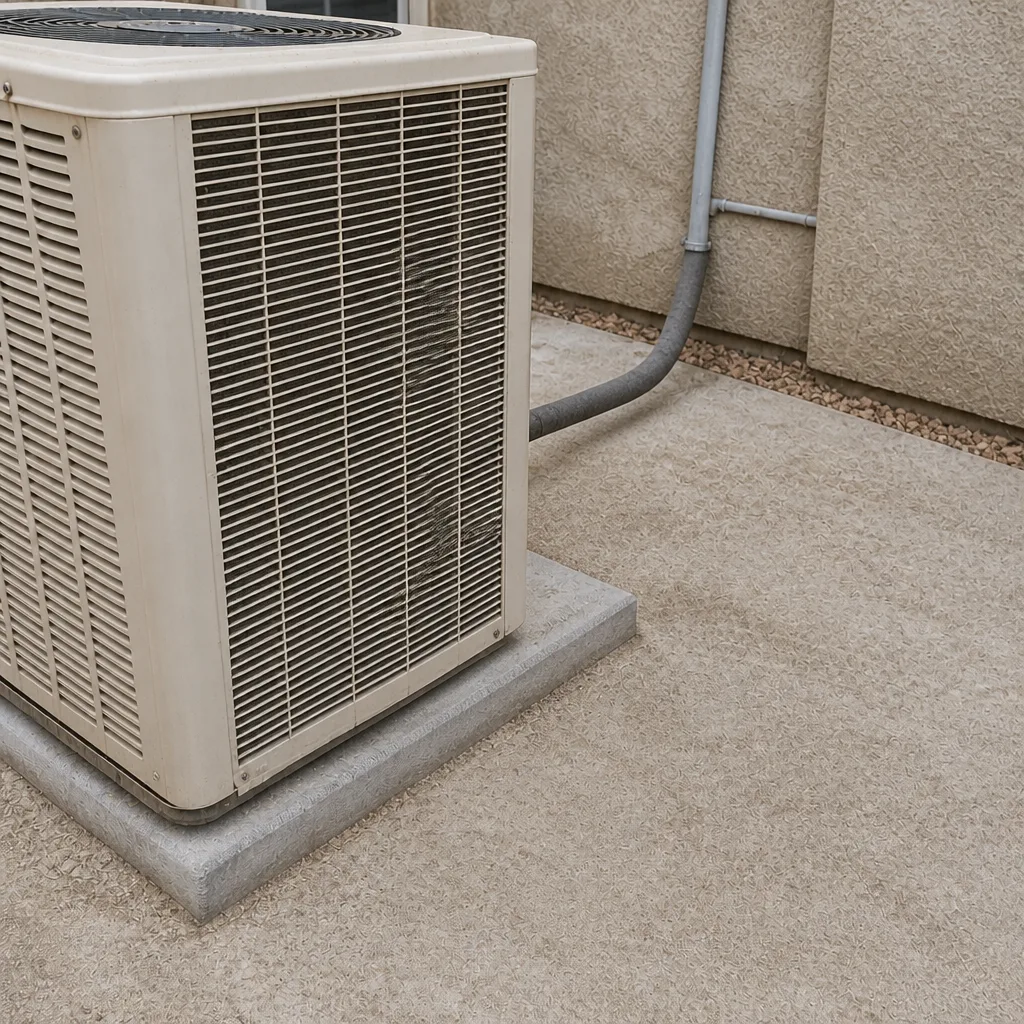
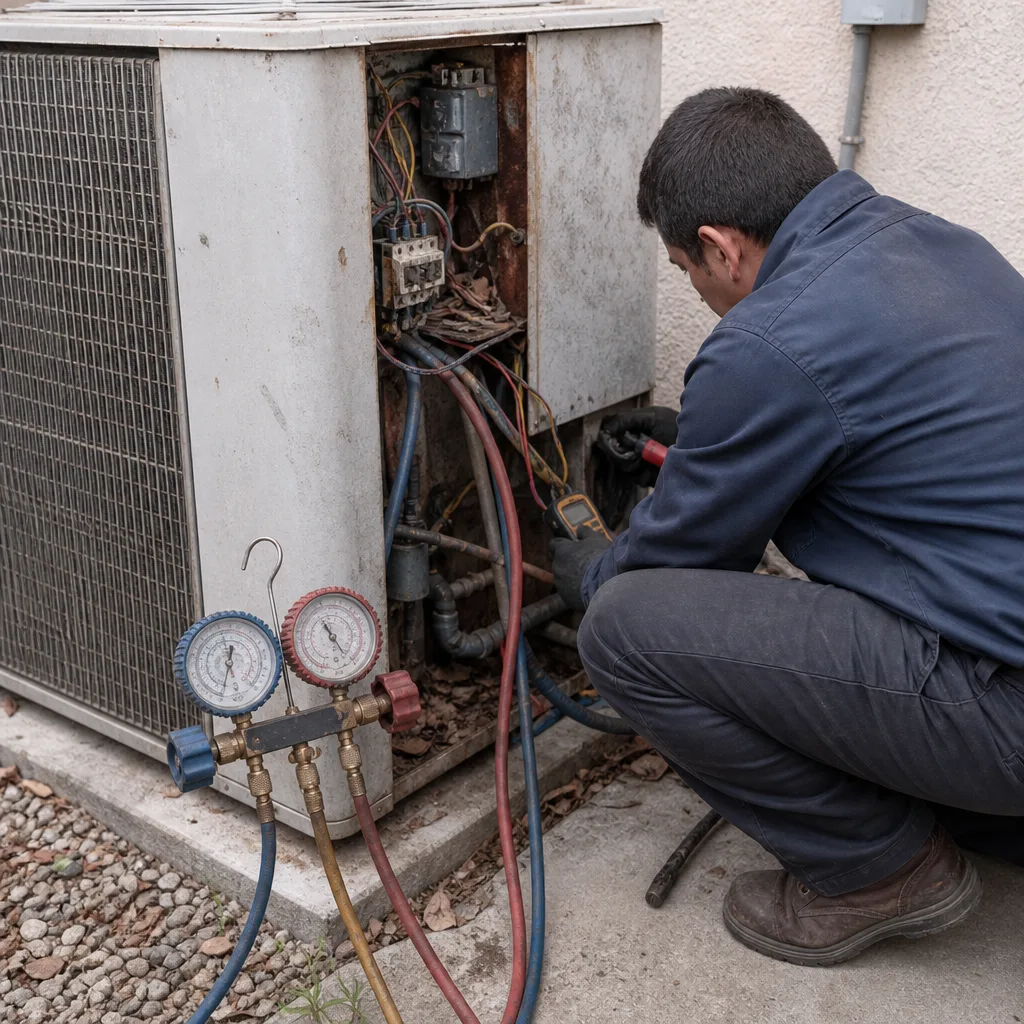
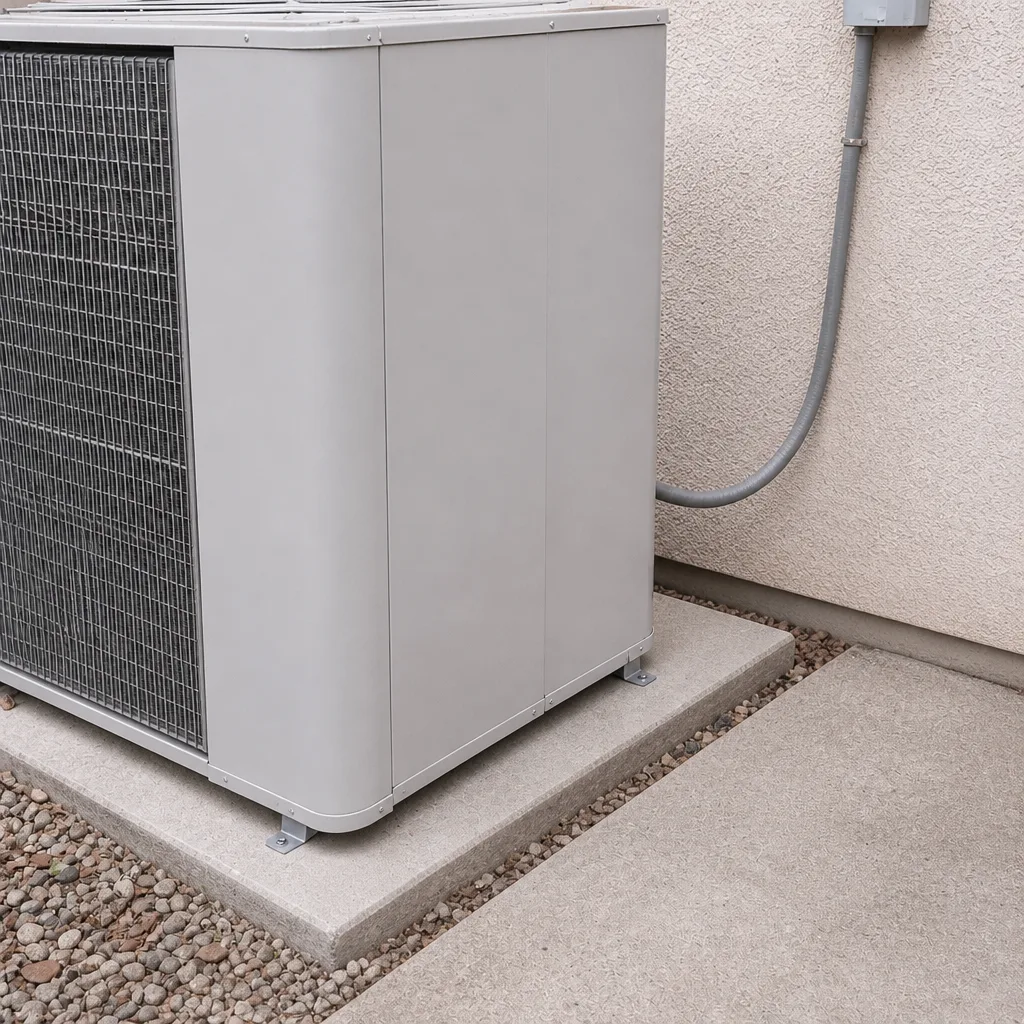
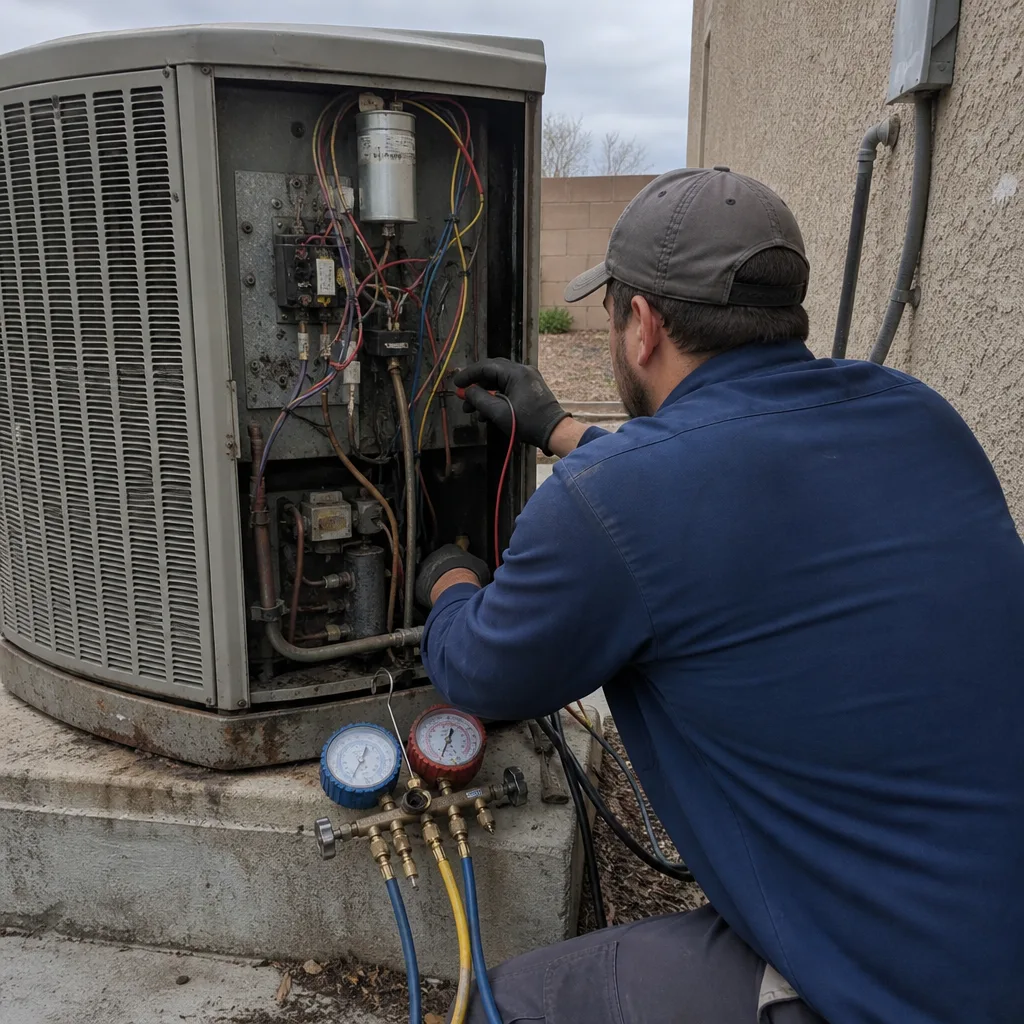
See the difference
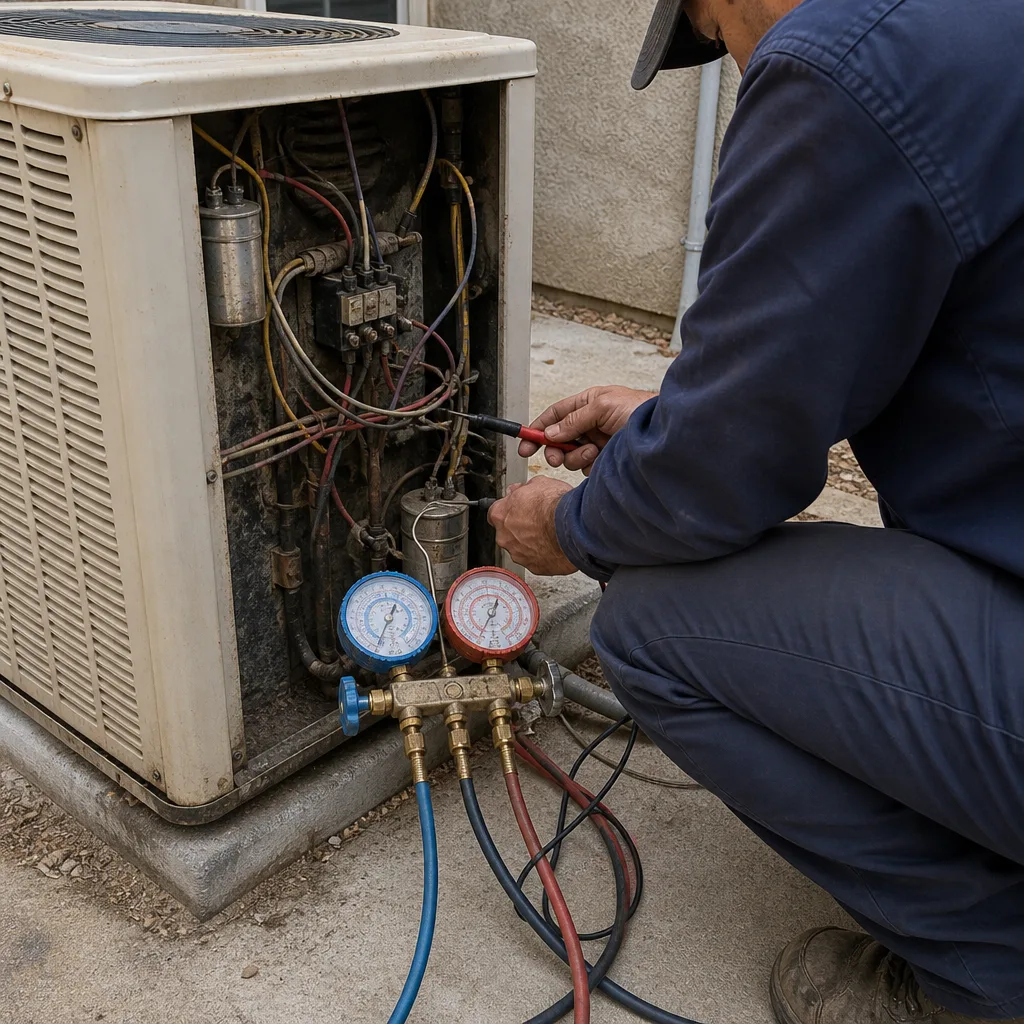 Before
 After
 Before
 After
 Before
 After
Common Mistakes to Avoid
- Assuming a permit isn’t needed because the contractor is licensed. Licensing and permitting are separate. A licensed contractor can still skip the permit if you don’t ask, and the omission lands on you.
- Pulling the permit yourself to “save the fee.” The fee is usually $150 – $350. The liability shift is much larger if something goes wrong and the warranty or insurance claim gets denied.
- Trusting a rebate quote without verifying the model number. A system that isn’t on NV Energy’s qualified products list won’t qualify for a rebate, no matter how efficient the contractor claims it is.
- Buying a home without checking the HVAC permit history. It takes ten minutes. Skipping it can cost thousands at negotiation, especially in Enterprise where much of the housing is under Clark County jurisdiction.
- Letting a permit inspection “slide” after installation. An unclosed permit stays on the property record and can stall a sale or refinance later.
- Assuming a home warranty covers unpermitted work. Most don’t. Those clauses are usually buried in the exclusions section, and they get enforced when you need them most.
- Believing a minor code violation is minor. A missing emergency condensate drain is a $900 ceiling repair waiting to happen in an Enterprise attic, permit or no permit.
When to Call a Professional
Call a licensed HVAC professional when the job touches refrigerant lines, the electrical disconnect, gas connections, or the duct system’s sealed envelope. Those are the areas where Clark County inspection is most likely to flag problems and where the safety stakes are highest – refrigerant under pressure can cause frostbite and displacement injuries, and gas appliance work done wrong creates carbon monoxide risk. If you’re already mid-renovation and unsure whether the scope requires a permit, call before you buy equipment. An honest contractor will tell you yes or no in under five minutes. Brandt HVAC Enterprise offers free estimates in Enterprise and can walk you through the permit question on your specific job – call (844) 797-9490. Every repair comes with a written guarantee and a fixed written price before any work starts, backed by the 365-Day Done Right Promise. For furnace-specific questions, our furnace repair in Enterprise page covers the gas and venting side of Nevada code.
Frequently Asked Questions
Yes. A full condenser or air handler replacement in unincorporated Clark County – which includes most of Enterprise – requires a permit and inspection. The permit must be pulled by a licensed contractor, not the homeowner, and the final inspection is what proves the install meets code. Call (844) 797-9490 for a free estimate that includes the permit in the written price.
Nevada technically allows an owner-builder permit on your primary residence, but pulling it yourself on HVAC work shifts warranty, insurance claim, and inspection liability onto you. The permit fee is usually $150 – $350 – a small amount compared to the risk if something fails inspection. It’s almost always worth having the licensed contractor pull it.
A Clark County HVAC inspection verifies refrigerant line sizing against the manufacturer spec, electrical disconnect clearance and weather protection, duct sealing in unconditioned space, condensate routing including the emergency drain and float switch, gas line connections on furnace work, and equipment label documentation. Missing an emergency condensate drain is one of the most common ways to fail.
It can. Most homeowner policies contain clauses that reduce or deny coverage for work that wasn’t permitted or inspected. If a fire or water damage traces back to an unpermitted installation, the claim can be challenged. That’s a more expensive problem than the permit itself.
Yes. NV Energy rebate applications require a permit number and a copy of the final inspection. If the installation was unpermitted, the rebate application will be denied, and depending on the program the loss can run into the thousands. Get the model number confirmed against NV Energy’s current qualified products list before you sign any installation contract.
Clark County allows a retroactive permit process: a licensed contractor inspects the existing install, pulls the retroactive permit, corrects any code deficiencies, and schedules an inspection. The fee is higher than a standard permit, and corrections vary in cost. The result is a documented, permitted installation that clears a buyer’s inspection. Call us for a free estimate on that inspection visit.
The Bottom Line
An HVAC permit in Clark County costs $150 – $350 and takes a licensed contractor a phone call and a scheduled inspection. Skipping it risks far more: a denied insurance claim, a lost NV Energy rebate potentially worth thousands, and a home inspection discovery that surfaces during negotiation. In Enterprise and the rest of unincorporated Clark County, the rules are clear – full replacements, new ductwork, new refrigerant lines, and gas appliance work need a permit; component swaps and like-for-like repairs don’t. If you’ve bought a home with unpermitted work, the retroactive permit path exists and is usually cheaper than the disclosure headache. Get the permit number in writing before any work starts.
Call (844) 797-9490 for a free estimate from Brandt HVAC Enterprise. Written price before any work starts. Background-checked and identity-verified technicians. Live person answering the phone 24 hours a day, 7 days a week. We service all major brands including Goodman, Rheem, York, and Daikin.
Written by the team at Brandt HVAC Enterprise.